Artwork
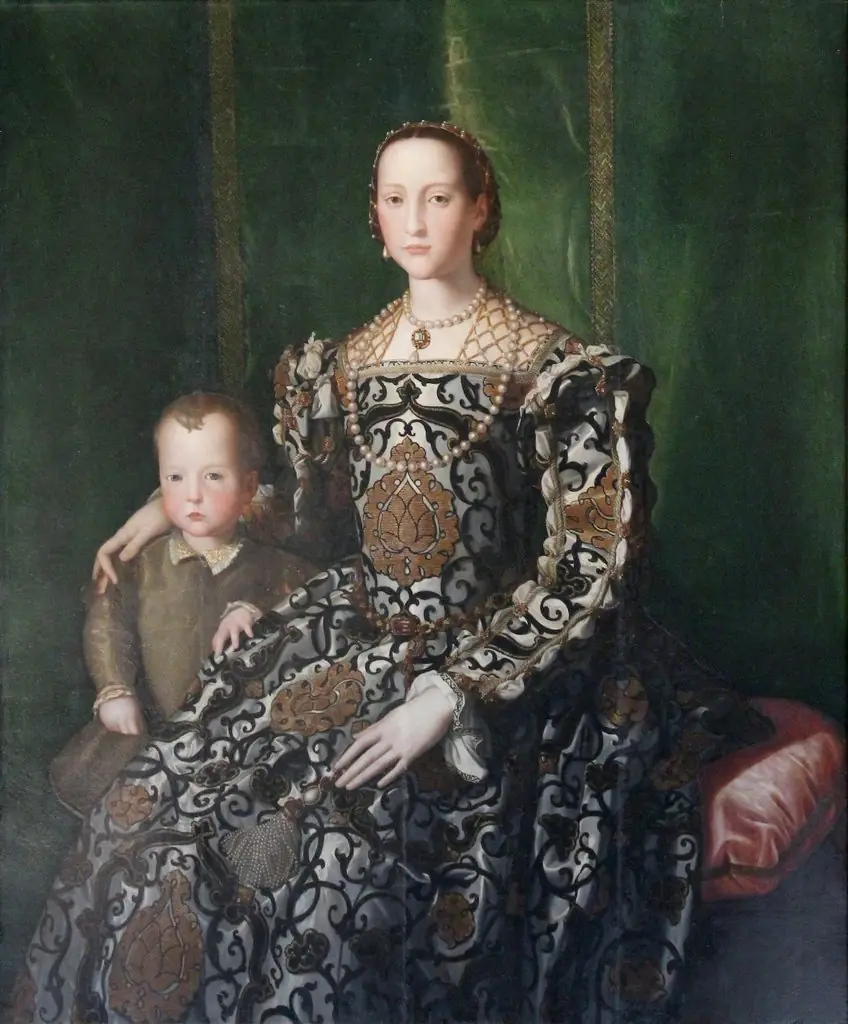
Mrs. Richard Patteshall (Martha Woody) and Child
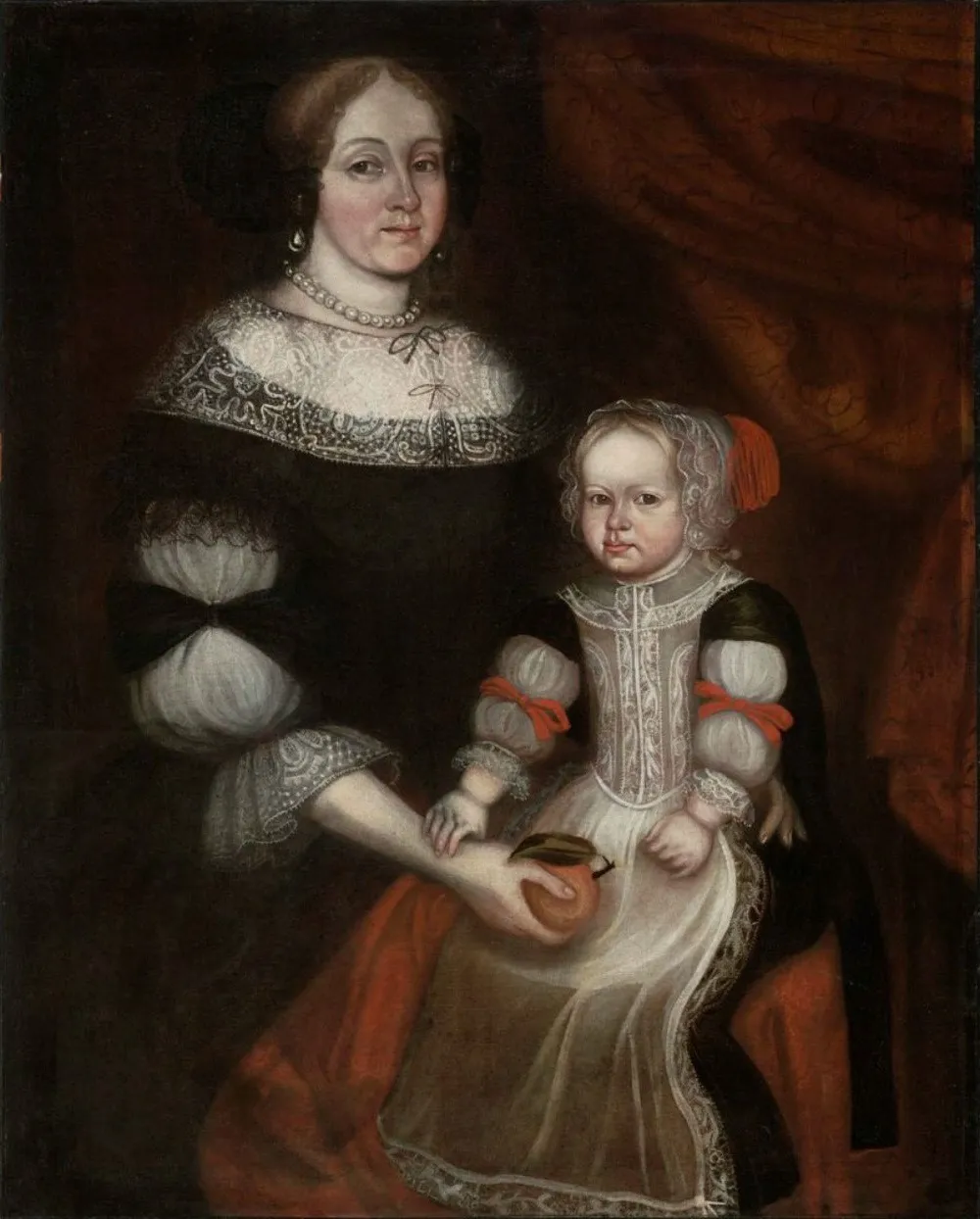
Mrs. Richard Patteshall (Martha Woody) and Child is an oil painting by the Dutch Golden Age artist Thomas Smith. It dates from 1690 and is held in the collection of the Museum of Fine Arts Boston.
About this work
Overview
The painting resides in the Museum of Fine Arts, Boston, where it stands as one of the earliest surviving portraits from colonial America.
Painted in 1690 by Thomas Smith of Derby, this oil portrait captures Martha Woody Patteshall and her young child. Though Smith is primarily recognized for landscapes, this work reflects his engagement with portraiture during a period when such commissions were common among New England’s emerging elite. The painting resides in the Museum of Fine Arts, Boston, where it stands as one of the earliest surviving portraits from colonial America.
Subject & Meaning
The portrait presents Martha Woody Patteshall, a woman of social standing, alongside her child, likely emphasizing familial continuity and moral instruction. The child’s held book suggests early education, while the formal attire and composed demeanor convey propriety and religious seriousness. Their direct gaze invites the viewer into a quiet, contemplative moment, aligning with Puritan values of restraint and devotion.
Technique & Style
Smith employs chiaroscuro to model the figures against a dark, undefined background, drawing attention to their faces and hands. The texture of lace, silk, and ribbon is rendered with careful brushwork, highlighting the material richness of their garments. The lighting is soft yet directional, enhancing the three-dimensionality of the forms without dramatic contrast, reflecting a restrained approach rooted in Northern European traditions.
History & Provenance
The painting’s early history is undocumented, but it entered the Museum of Fine Arts, Boston, in the early 20th century. Its attribution to Thomas Smith of Derby is based on stylistic comparison and documentary evidence linking him to Boston-area patrons. As one of the few signed or documented portraits from the region before 1700, it holds rare significance for understanding colonial artistic practice.
Context
Created during the late 17th century, the portrait reflects the cultural aspirations of New England’s merchant class, who sought to emulate European social norms through visual representation. While Dutch and Flemish portraiture influenced colonial artists, Smith’s work shows a local adaptation—less ornate, more austere—mirroring Puritan sensibilities even as it adopted elite dress and composition.
Legacy
This portrait remains a key example of early American portraiture, illustrating the transition from religious iconography to secular family representation. It provides insight into how colonial artists synthesized European techniques with regional values. Though Smith’s output was limited, this work endures as a quiet testament to the dignity and domestic ideals of its subjects.
Artist & collection
Artist
Thomas Smith (died 12 September 1767), also known as Thomas Smith of Derby, was a landscape painter and father of John Raphael Smith and miniaturist painter Thomas Corregio Smith.



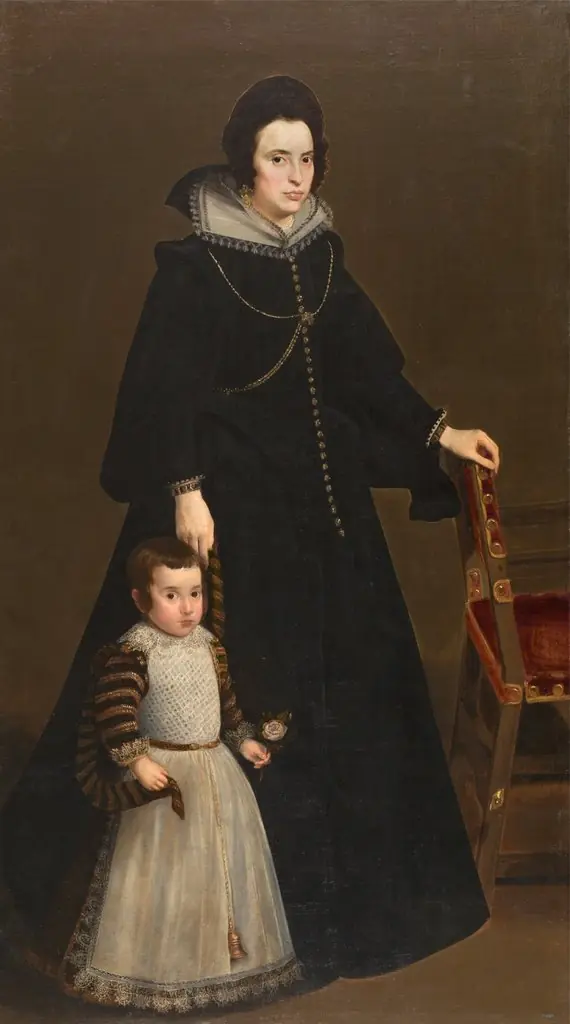 Doña Antonia de Ipeñarrieta y Galdós and Her Son Don Luis
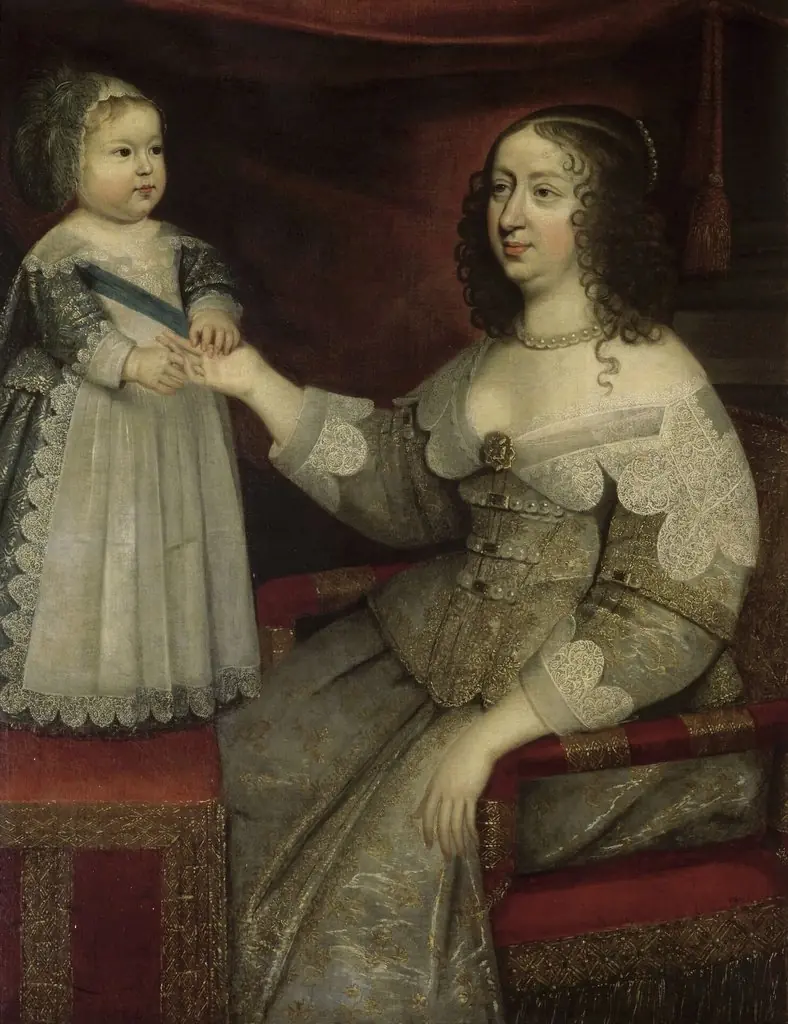 Louis XIV and Anne of Austria
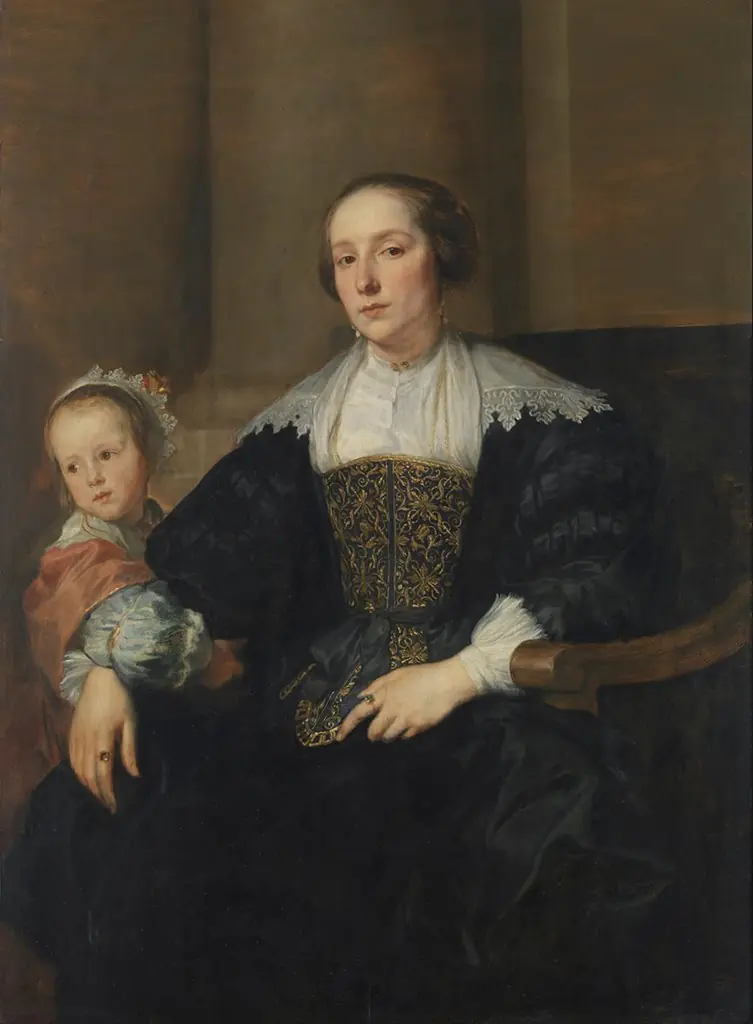 Portrait of Anna van Thielen, wife of the painter Theodoor Rombouts with their daughter
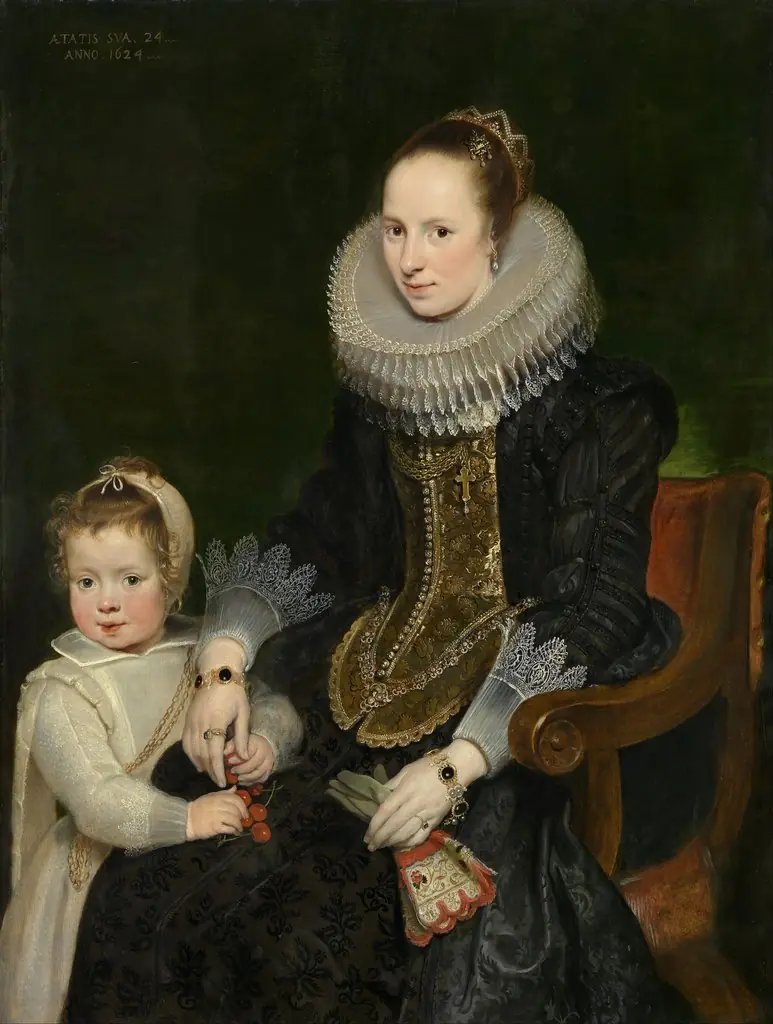 Mother and child
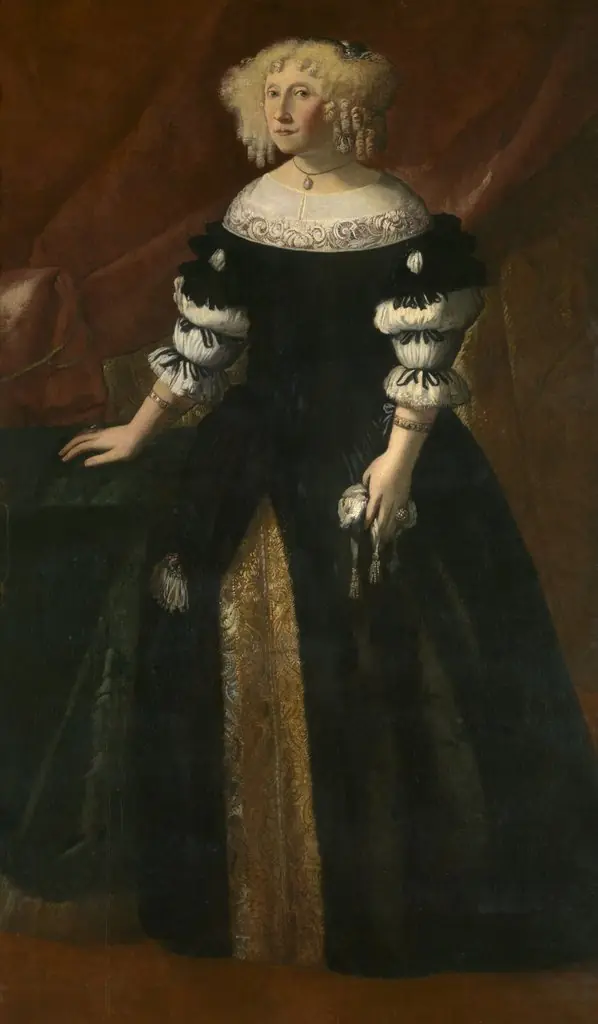 Portrait of a Woman
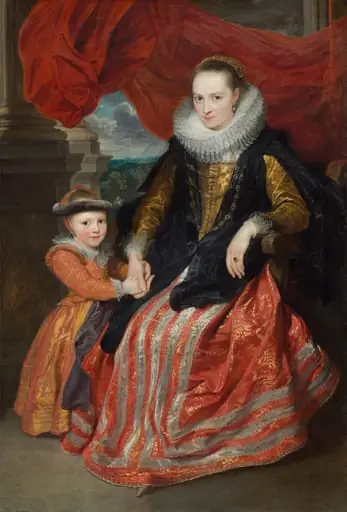 Susanna Fourment and Her Daughter
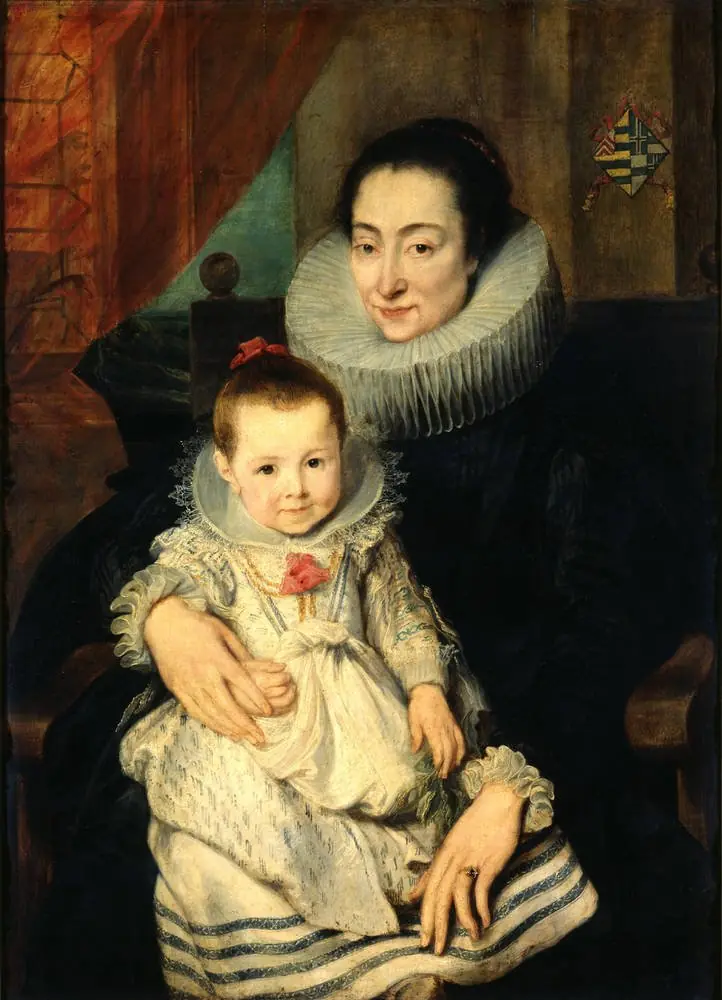 Marie Clarisse (?), wife of Jan Woverius, with their daughter
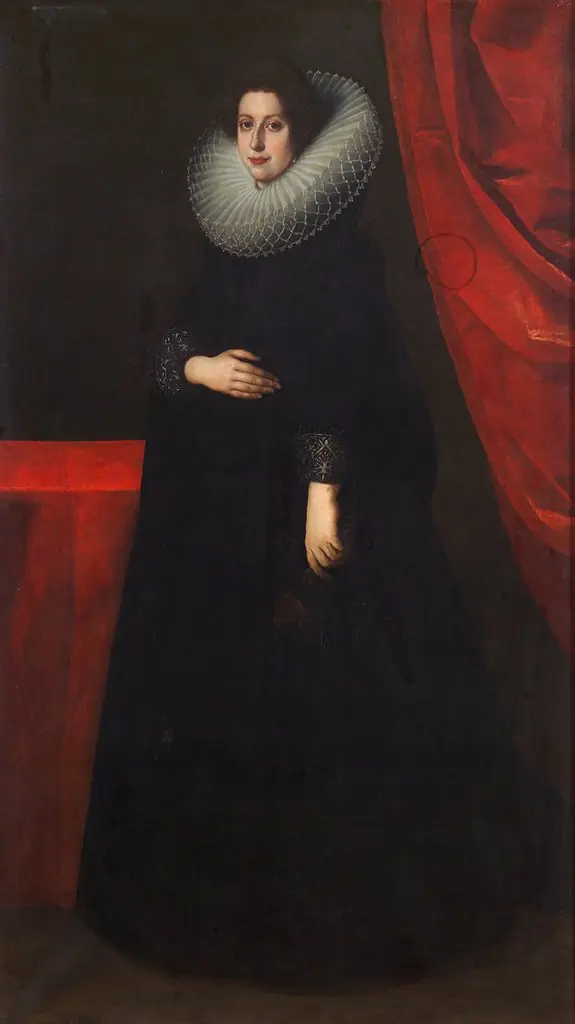 Catarina de' Medici (1593-1629)
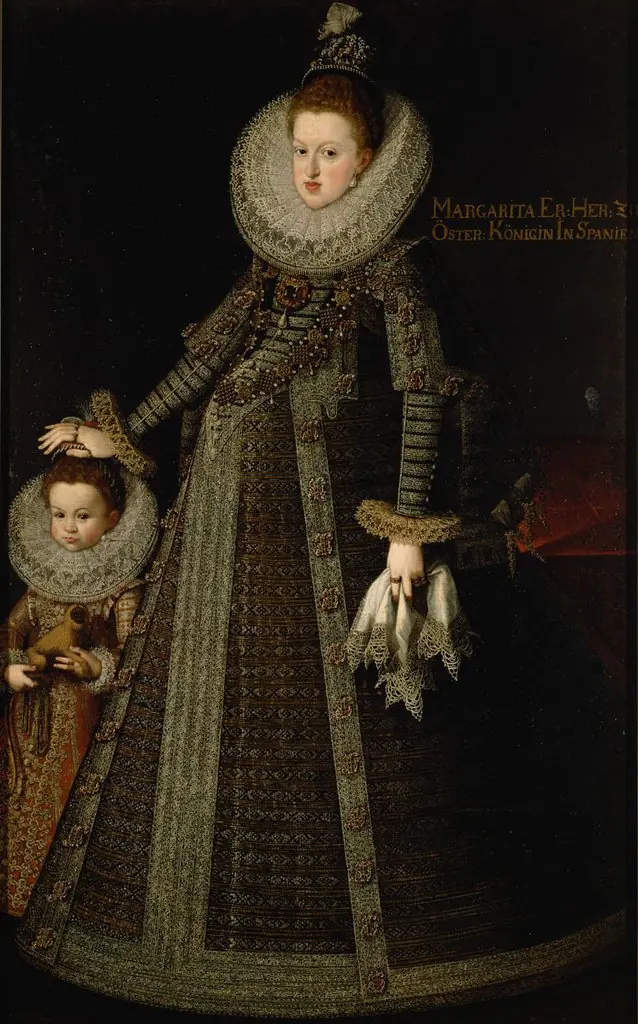 Erzherzogin Margarete (1584-1611), Königin von Spanien mit einem Kind, das ein Löwenäffchen hält
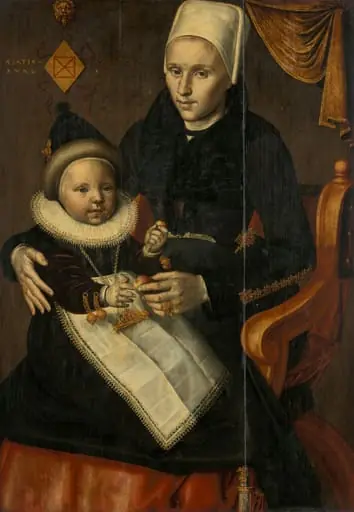 Mother and Child in Noord-Holland Costume
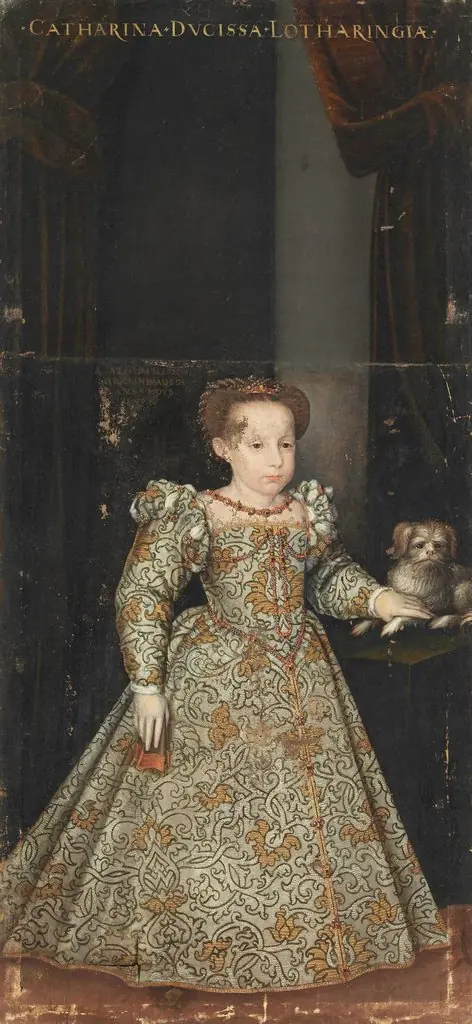 Katharina, Tochter Karls III. von Lothringen (1573-1648)
 Portrait of Eleanor of Toledo and her son Garzia de' Medici