Artwork
Erzherzogin Margarete (1584-1611), Königin von Spanien mit einem Kind, das ein Löwenäffchen hält
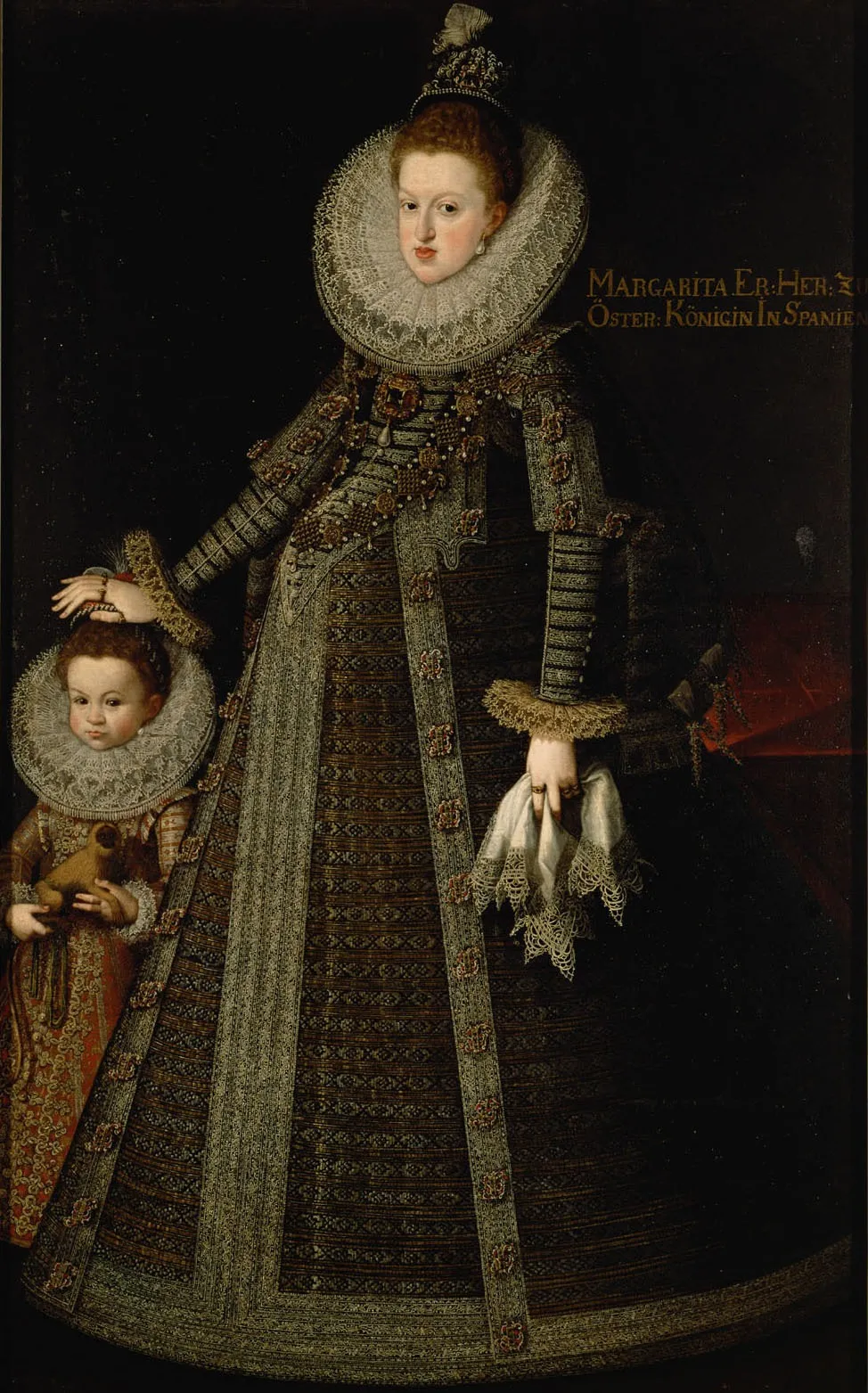
Erzherzogin Margarete (1584-1611), Königin von Spanien mit einem Kind, das ein Löwenäffchen hält is an oil painting by the Early Baroque Italian artist Bartolomé González y Serrano. It dates from 1606 and is held in the collection of the Kunsthistorisches Museum.
About this work
Overview
The oil painting, executed in 1606 by Bartolomé González y Serrano, portrays Archduchess Margaret of Austria, who reigned as Queen of Spain, accompanied by a young child presenting a lion tamarin. The figures stand before a deep black backdrop, their pale complexions and richly detailed garments sharply illuminated. The work is part of the Kunsthistorisches Museum’s collection in Vienna.
Subject & Meaning
The central figure is Margaret, identifiable by the inscription *Margarita Er. Her.* on the canvas, indicating her high status. She holds a small hat, while the child, dressed in a simplified version of her attire, offers a tiny primate—a lion tamarin—perhaps symbolizing exotic wealth or dynastic alliances linked to the Spanish empire’s overseas territories.
Technique & Style
González y Serrano employs a pronounced chiaroscuro, using the dark background to heighten the contrast between light and shadow and to emphasize the textures of silk, gold trim, and fur. The painting reflects early Baroque sensibilities while adhering to the conventions of Spanish court portraiture, evident in the formal pose, detailed costume, and restrained yet vivid coloration.
History & Provenance
Created during the transition from the late sixteenth to the early seventeenth century, the portrait aligns with the Spanish court tradition established by artists such as Alonso Sánchez Coello and Juan Pantoja de la Cruz. After remaining in royal collections, the canvas entered the holdings of the Kunsthistorisches Museum, where it remains on public display.
Context
The work illustrates the cultural exchange of the period, merging Italian Baroque influences with Spanish court aesthetics. Its inclusion of a lion tamarin—a New World animal—reflects Spain’s expanding global reach in the early 1600s, while the formal attire underscores the political stature of the Habsburg dynasty.
Artist & collection
Artist
Bartolomé González y Serrano (1564–1627) was a Spanish Baroque painter specializing in portraits that represent a continuation of Renaissance court portrait types practiced by Alonso Sánchez Coello and especially by Juan Pantoja de la Cruz.

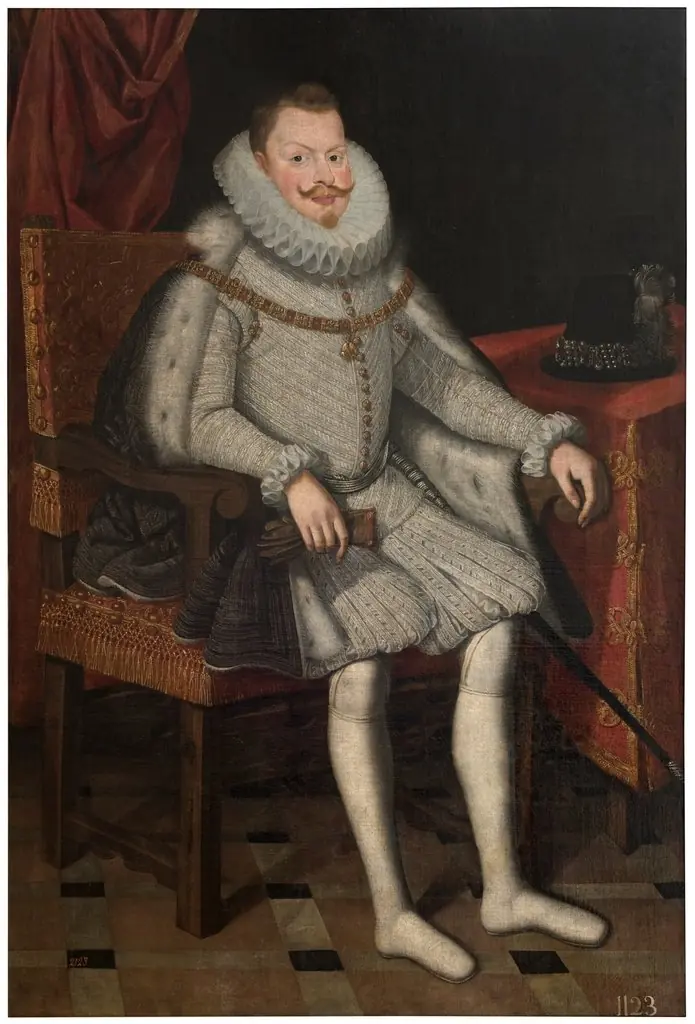 Felipe III rey de España sedente
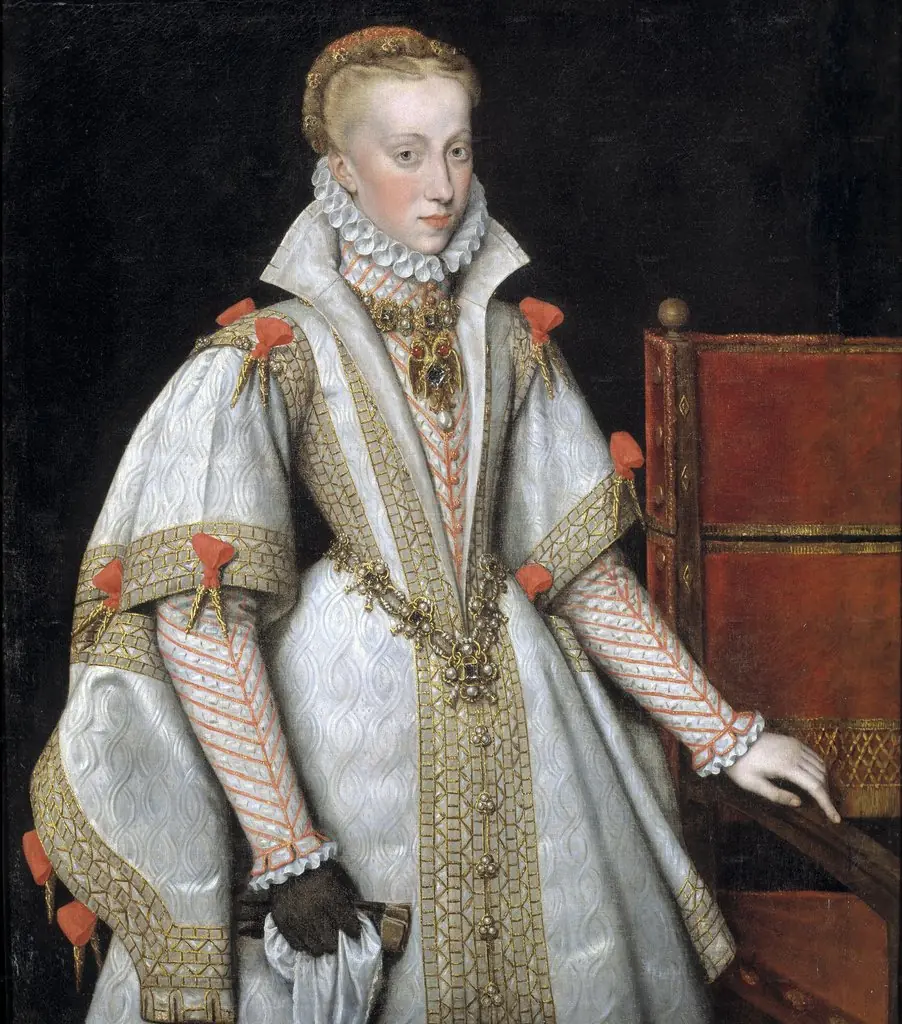 Queen Anne of Austria, fourth Wife of Philip II
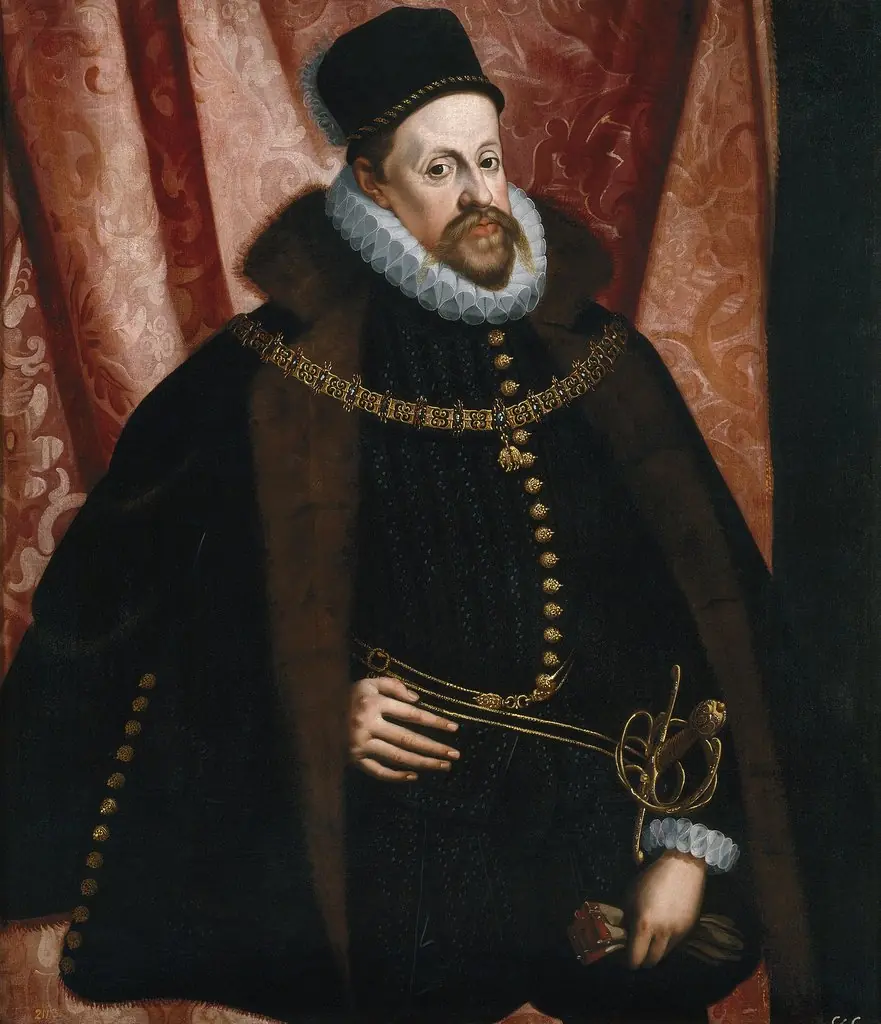 El archiduque Carlos de Austria, duque de Stiria
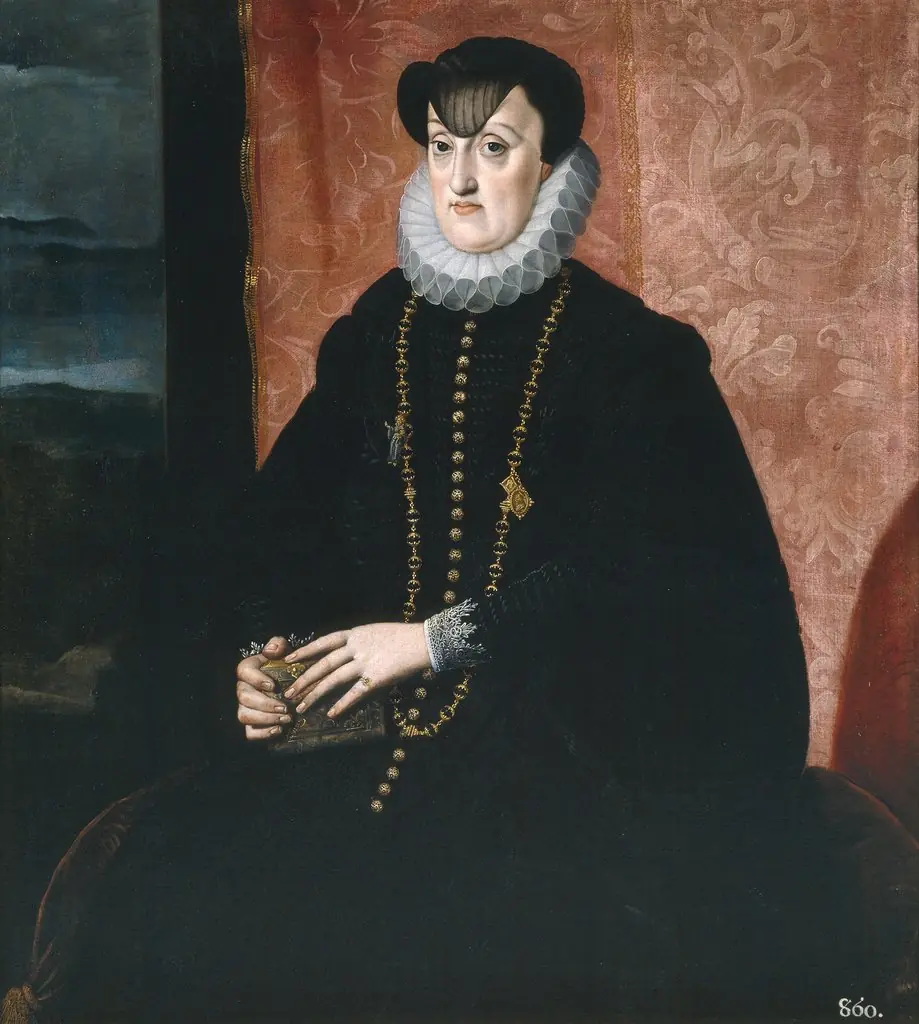 La archiduquesa María de Baviera duquesa de Stiria
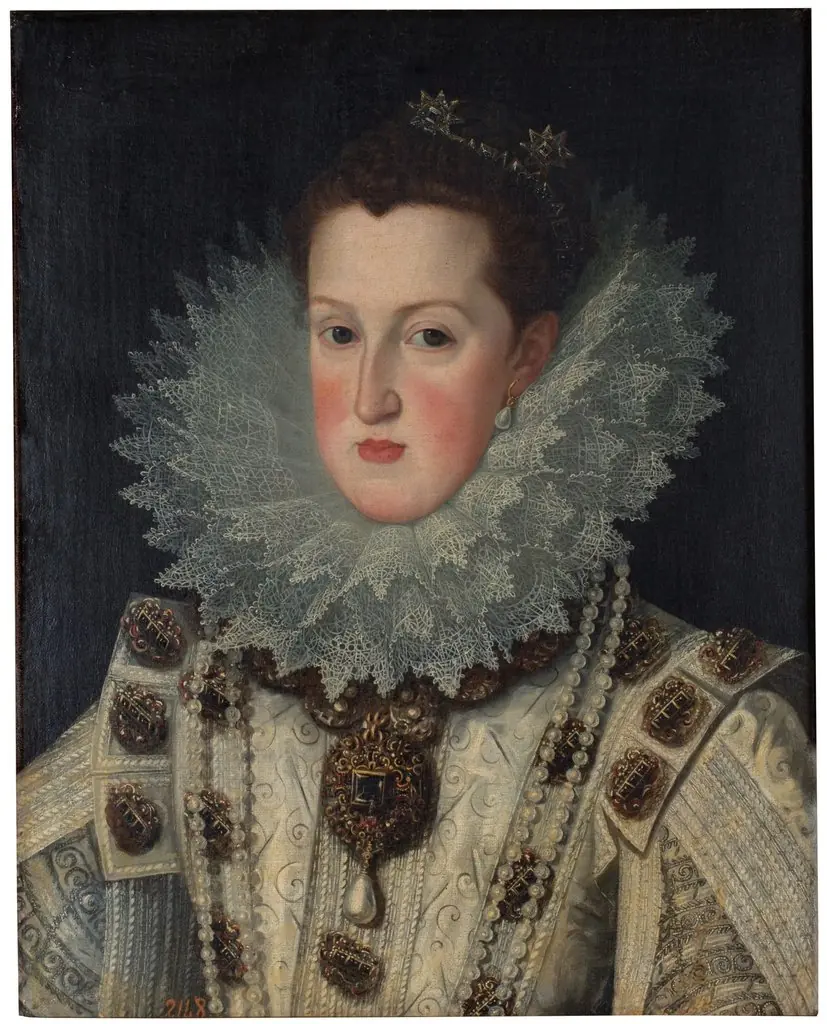 Margarita de Austria, reina de España
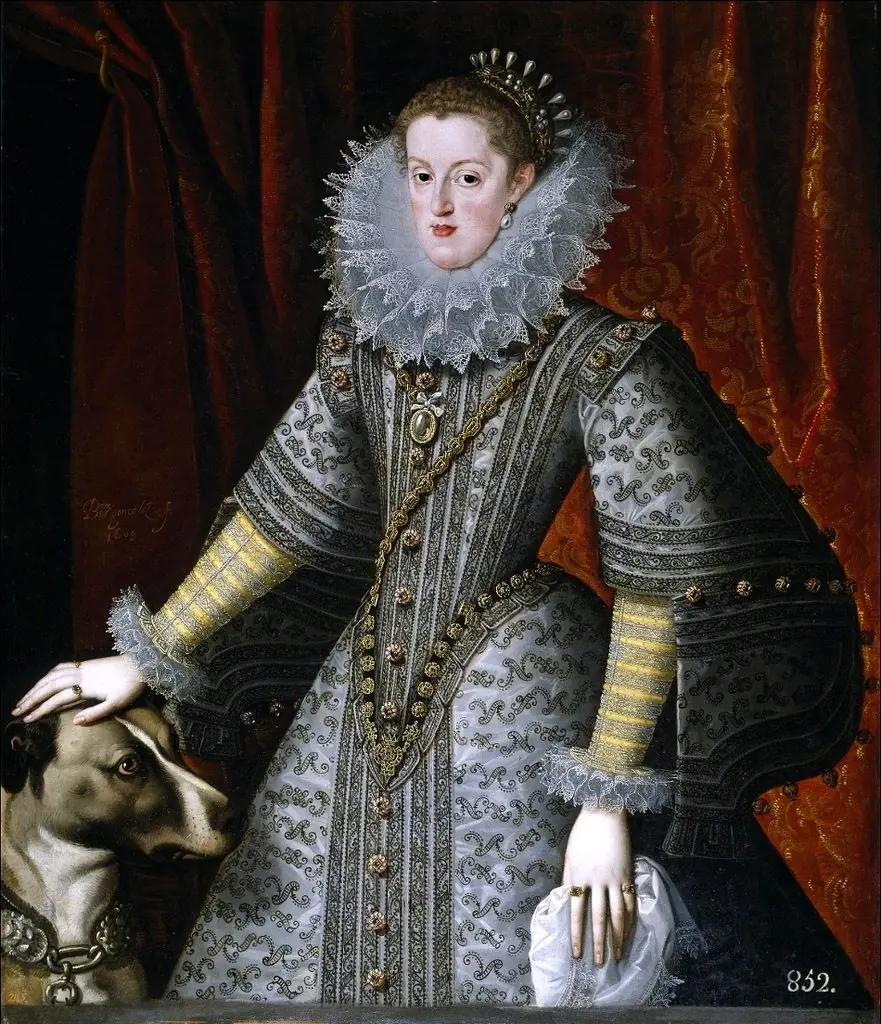 Queen Margaret of Austria
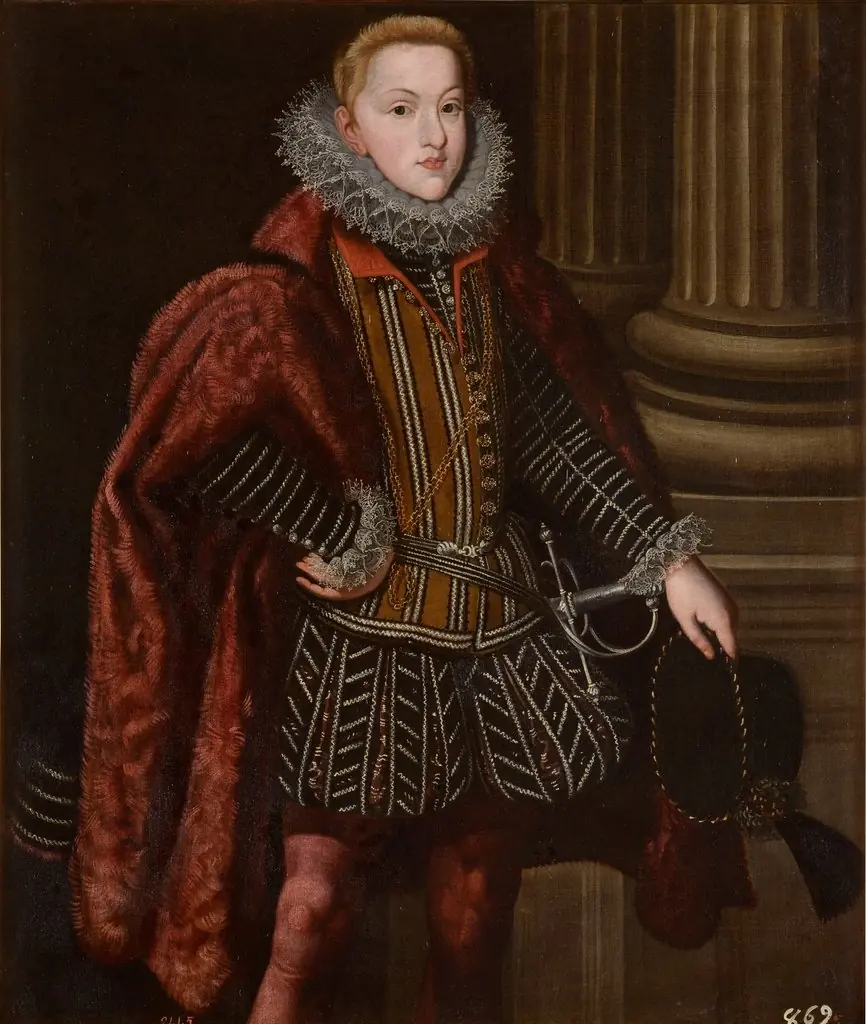 El archiduque Leopoldo cuñado de Felipe III
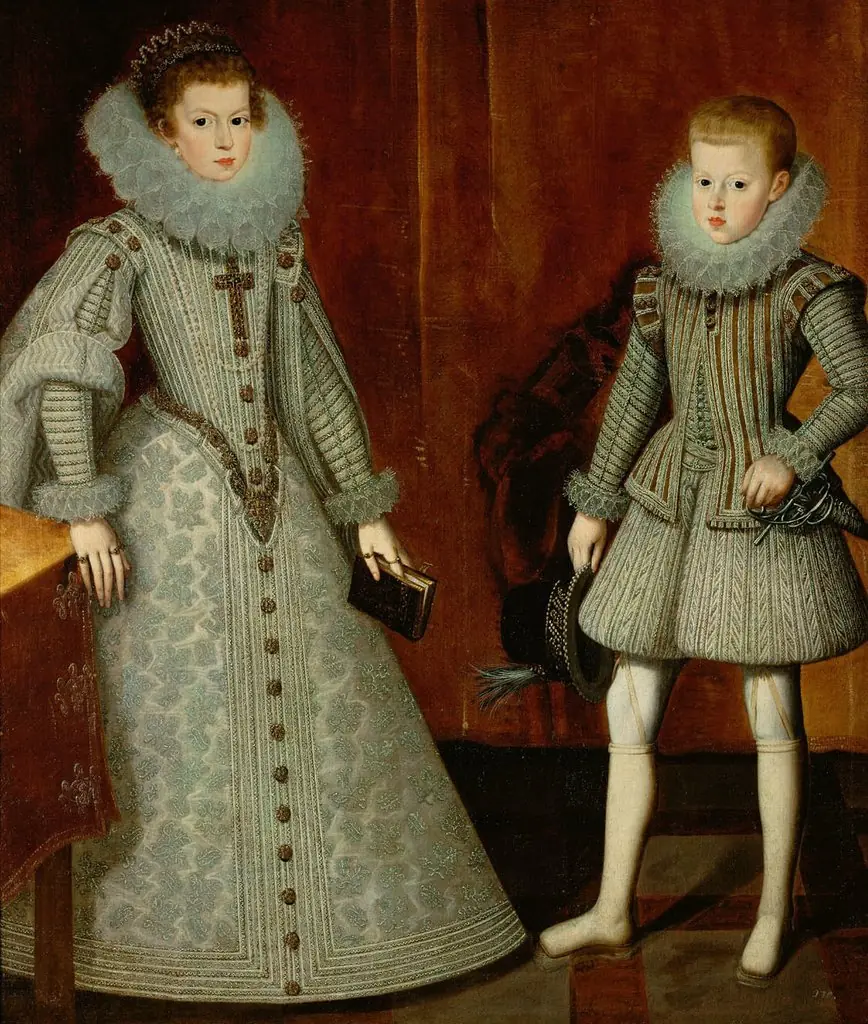 König Philipp IV. von Spanien (1605-1665) mit seiner Schwester, der Infantin Anna (1601-1666), Bildnis in ganzer Figur
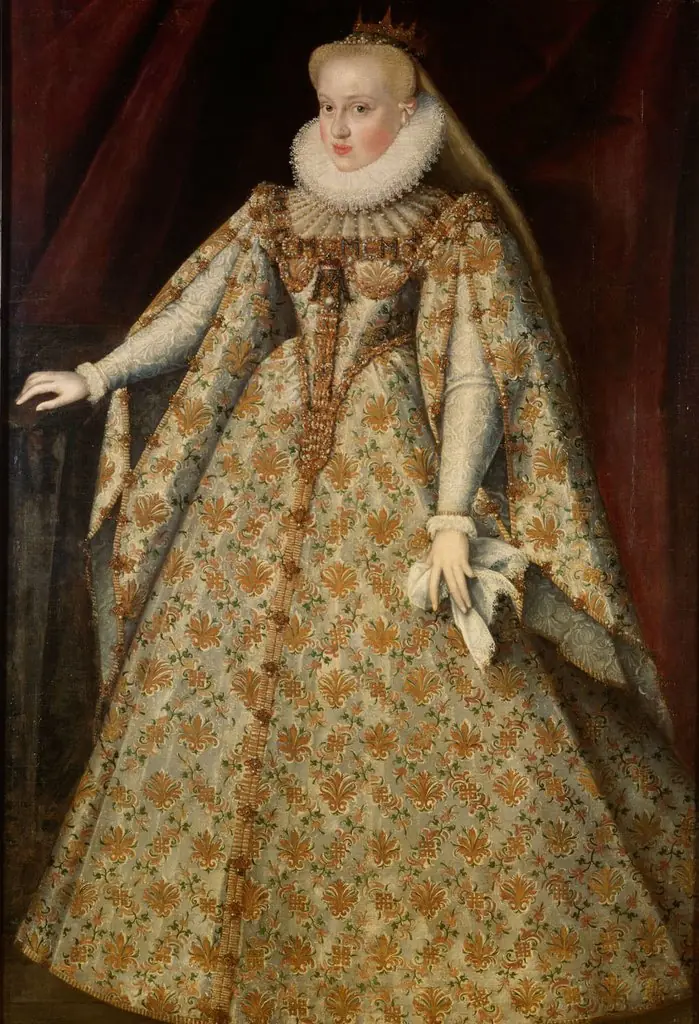 Portrait of Archduchess Maria Christina of Austria (1574–1621)
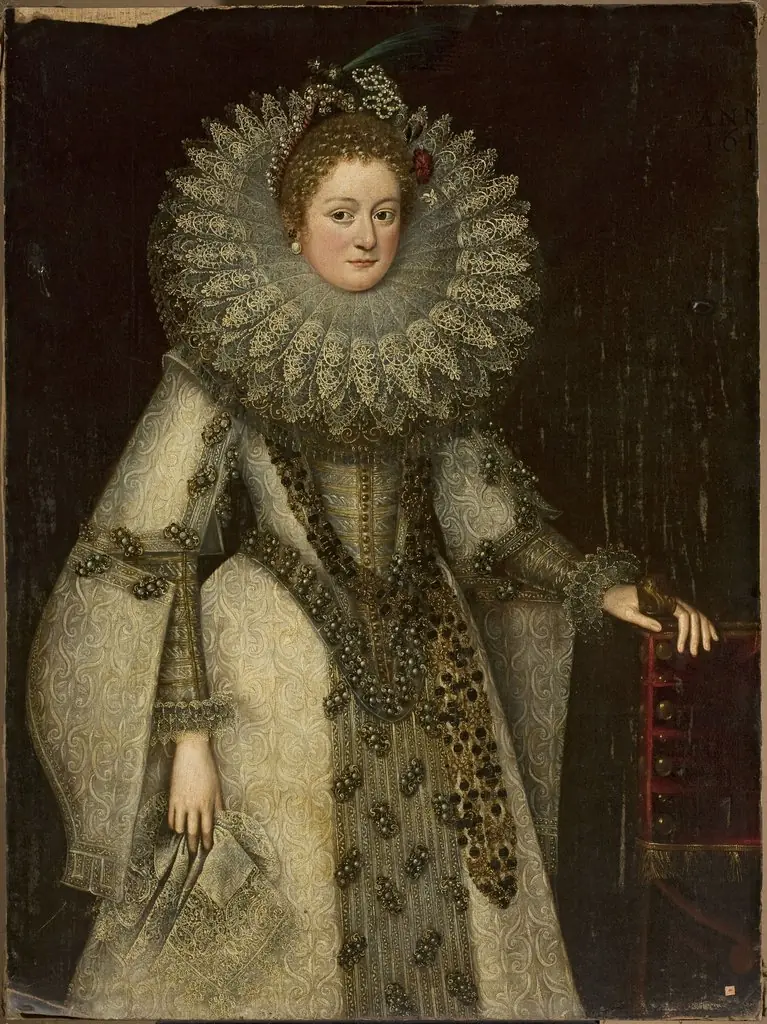 Portrait of a lady in a rich costume leaning on the armchair
 Isabella of Bourbon. First Queen of King Philip IV
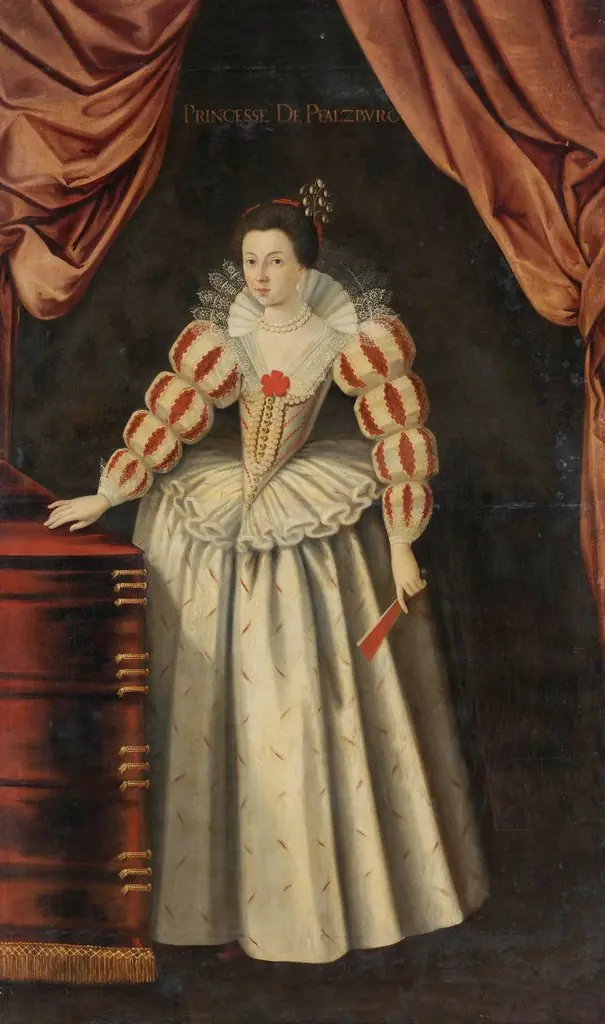 Henriette von Lothringen (1605-1660)
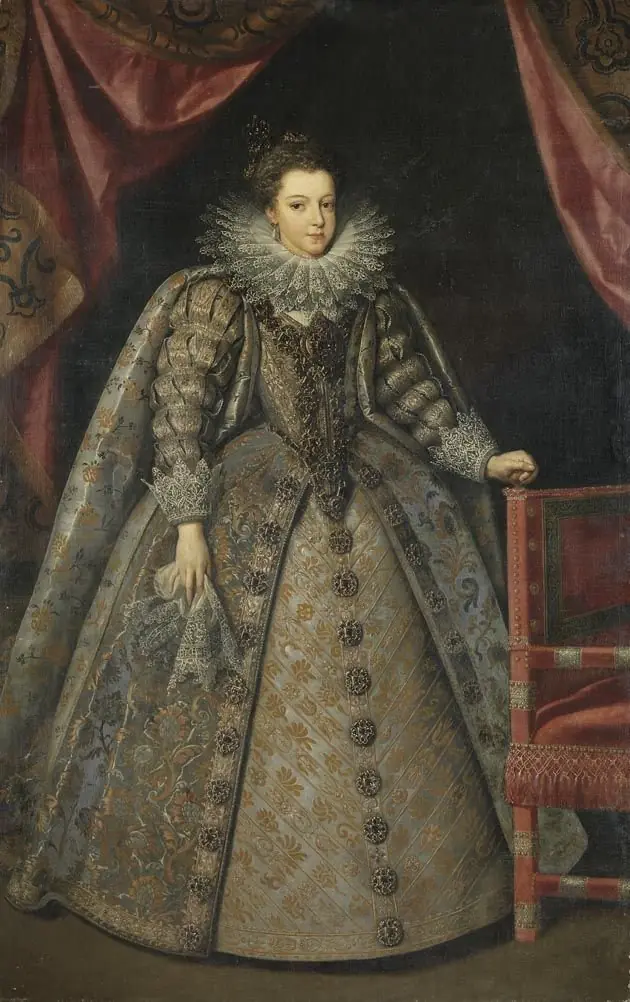 Elisabeth von Bourbon (1602-1644)
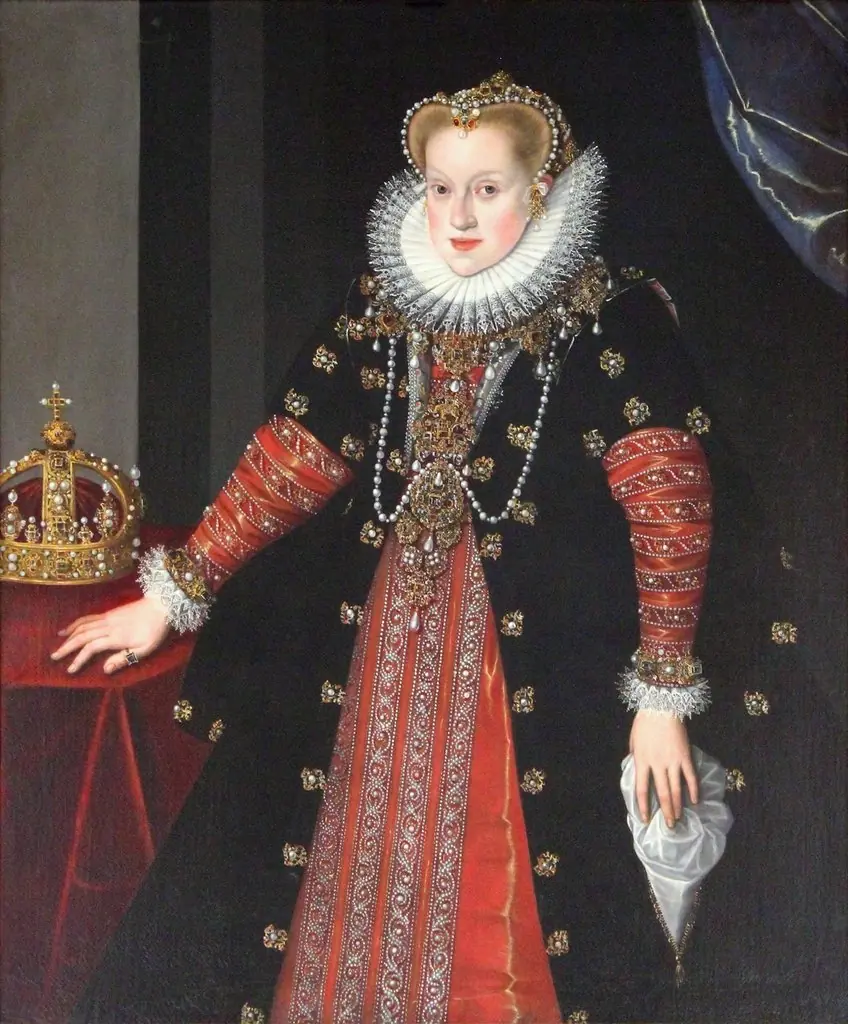 Portrait of Anne of Austria, Queen of Poland (1573-1598)
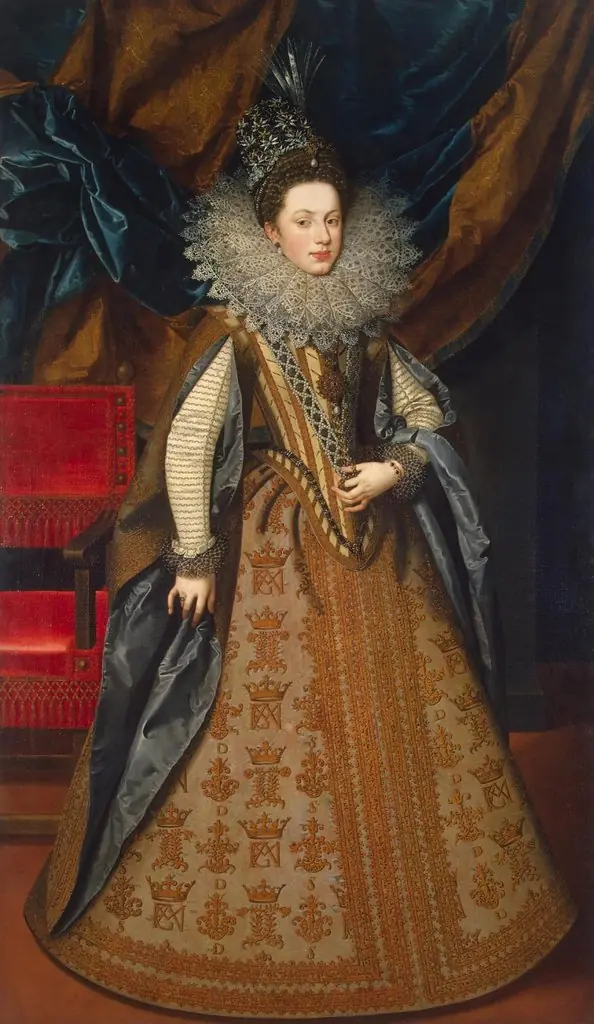 Portrait of Margaret of Savoy, Duchess of Mantua
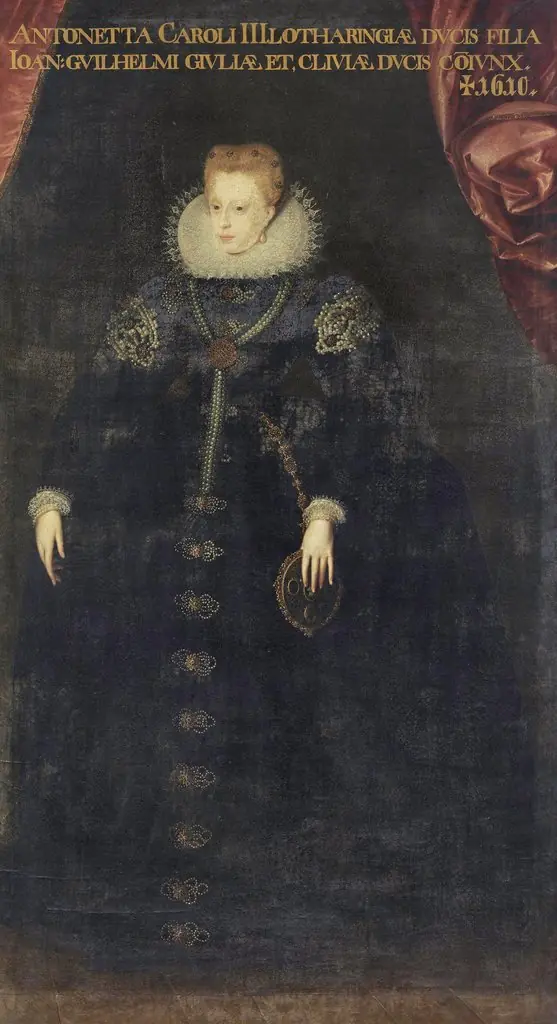 Portrait of Antoinette of Lorraine (1568-1610), Duchess of Jülich-Cleves-Berg
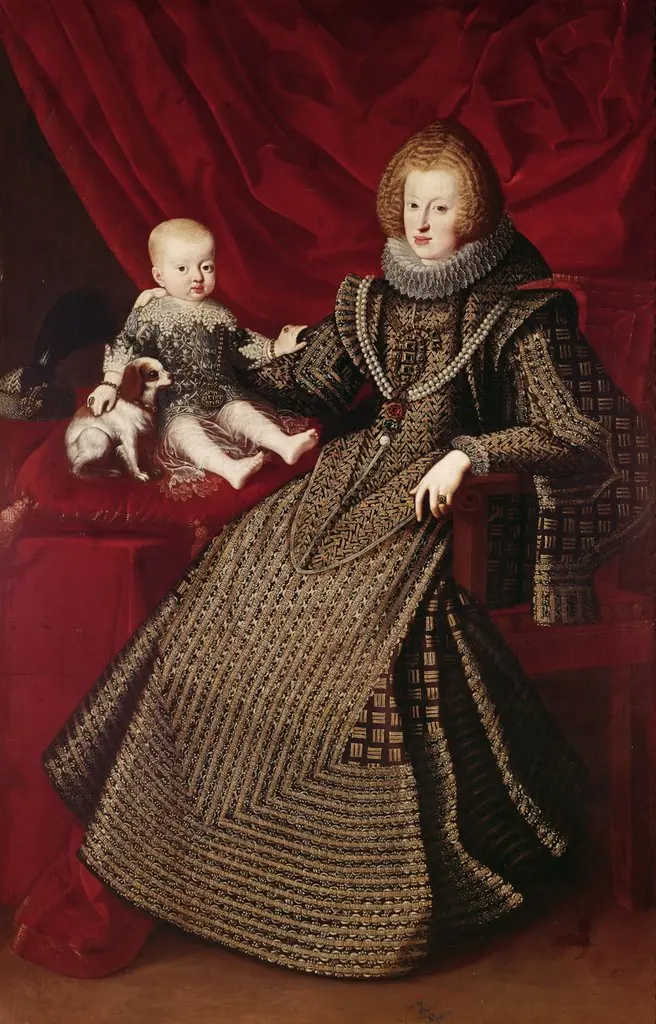 Infantin Maria Anna (1606-1646), Kaiserin, in ganzer Figur mit ihrem erstgeborenen Sohn Ferdinand (1633-1654)