Artwork
Portrait of Jean Terford David
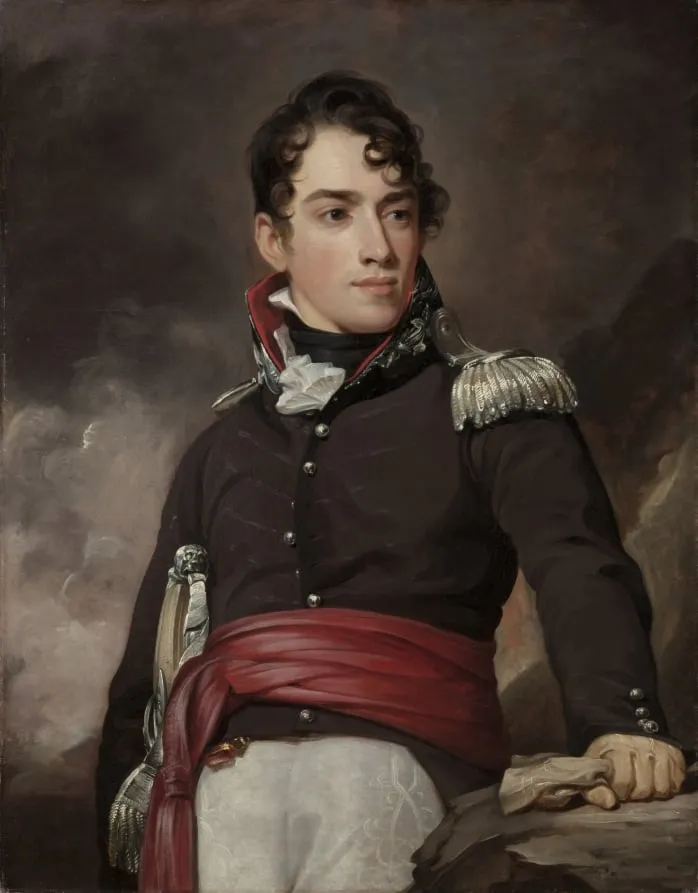
Portrait of Jean Terford David is an unspecified painting by the American Impressionist artist Thomas Sully. It dates from 1813 and is held in the collection of the Cleveland Museum of Art. Painted shortly after the War of 1812, this portrait depicts Jean Terford David, a French-born American paymaster.
About this work
The missing epaulet tells us the sitter was a paymaster—he handled money, not battles.
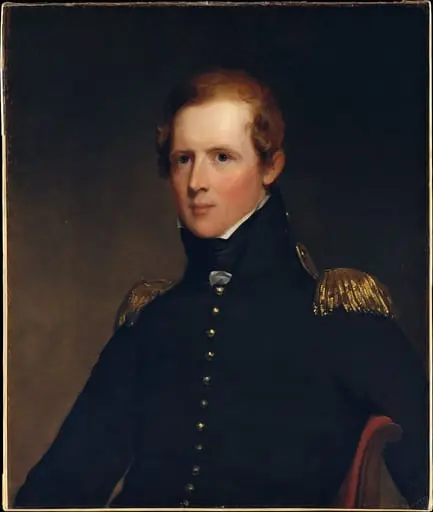
A man in a dark military coat looks straight at you. His left shoulder has a gold-fringed epaulet; the right one is missing.
Sully painted this right after the War of 1812. The missing epaulet tells us the sitter was a paymaster—he handled money, not battles. That small detail turns a simple portrait into a quiet story about rank and service.
If you like how Sully makes a face feel alive, look up chiaroscuro.
Overview
Painted shortly after the War of 1812, this portrait depicts Jean Terford David, a French-born American paymaster. Created by Thomas Sully, it is one of over 2,600 works produced during his career, the majority of which were commissioned portraits. The painting captures David in civilian attire with subtle military indicators, reflecting his non-combat role. Sully’s composition draws attention to a single epaulet, using visual balance to convey rank without overt grandeur.
Subject & Meaning
Jean Terford David served as a paymaster during the War of 1812, a position responsible for financial logistics rather than frontline duty. His single gold-fringed epaulet on the left shoulder signals his rank and function, while the absence on the right distinguishes him from combat officers. The portrait’s quiet precision transforms a conventional likeness into a nuanced statement about service, hierarchy, and the unglamorous labor underpinning military operations.
Technique & Style
Sully arranged David’s torso at a slight angle to accentuate the lone epaulet and minimize the visual imbalance of the uniform. His use of chiaroscuro lends depth to the face and fabric, creating a lifelike presence without theatricality. The dark coat contrasts with the metallic sheen of the epaulet, directing focus to the detail that defines David’s role. Brushwork remains restrained, prioritizing clarity and psychological presence over ornamental flourish.
History & Provenance
The portrait was commissioned soon after David’s marriage, likely as a personal commemoration. Sully’s own records confirm its place among his numerous portrait commissions from the early 1810s. While specific ownership history after its creation is not fully documented, the painting remains a representative example of Sully’s work during the post-war period, when American civic identity was being visually articulated through portraiture.
Context
In the years following the War of 1812, American society sought to define its institutions through imagery. Portraits like this one reflected a shift from British aristocratic models toward a more pragmatic, merit-based representation of service. Paymasters, though not warriors, were vital to military function, and Sully’s depiction honors their quiet authority within the emerging national framework.
Legacy
Sully’s portrait of David exemplifies how subtle visual cues could communicate complex social roles in early 19th-century America. The painting’s restraint and attention to detail influenced later American portraitists who valued psychological realism over ceremonial display. It endures as a quiet testament to the dignity of administrative service in a young republic.
Artist & collection

Artist
Thomas Sully was an English-American portrait painter. He was born in England, became a naturalized American citizen in 1809, and lived most of his life in Philadelphia, Pennsylvania, including in the Thomas Sully…

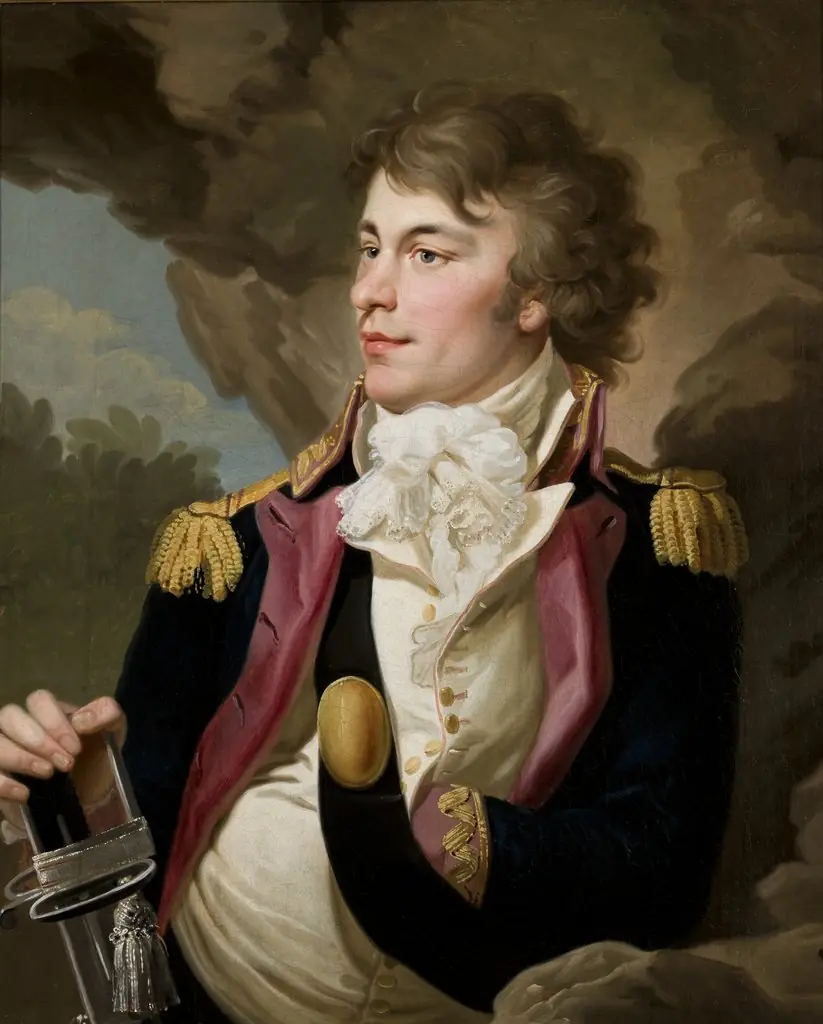 Portrait of Józef Kossakowski
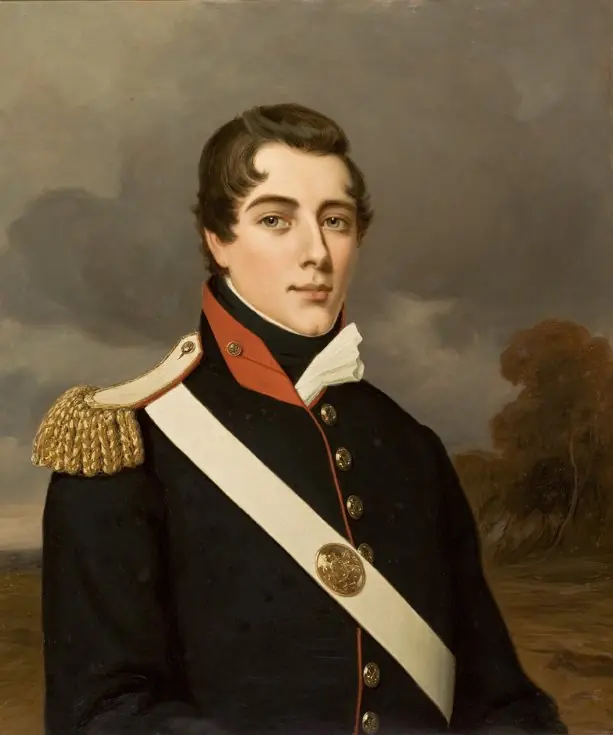 Portrait of Henry Chamberlain
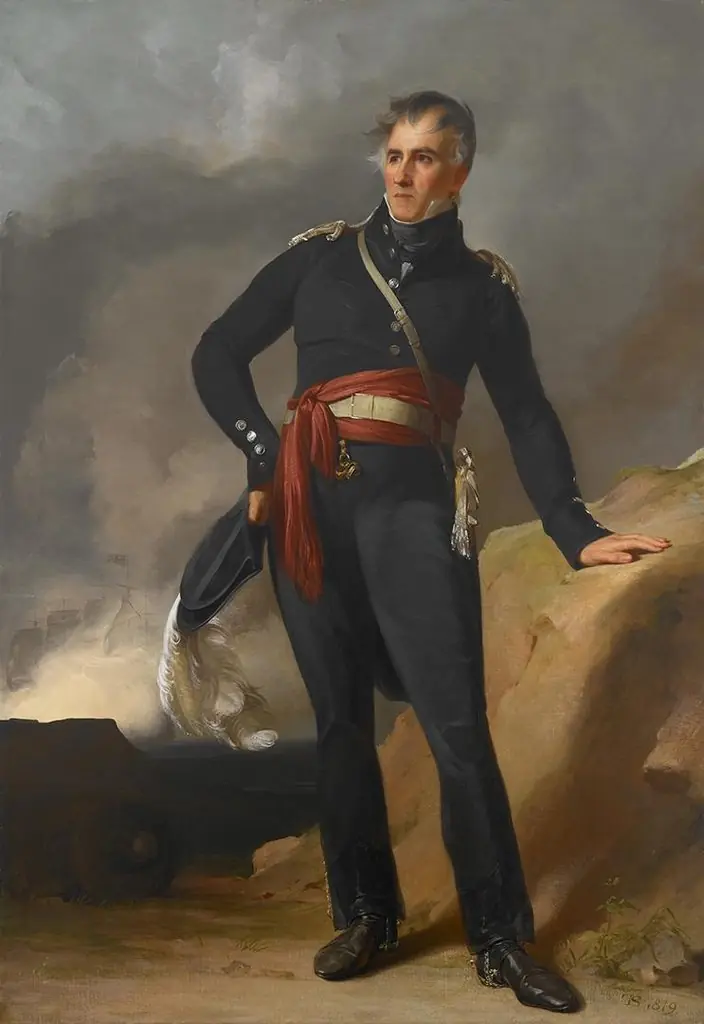 Colonel Samuel Boyer Davis
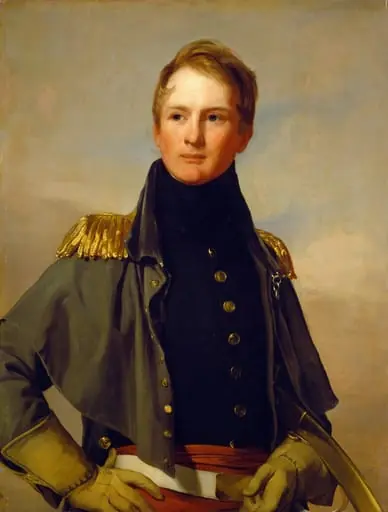 Major Thomas Biddle
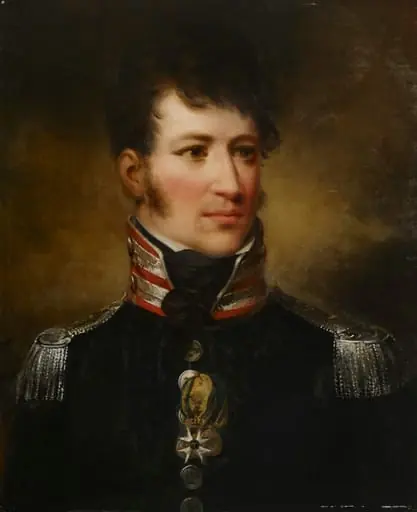 Per Otto Adelborg
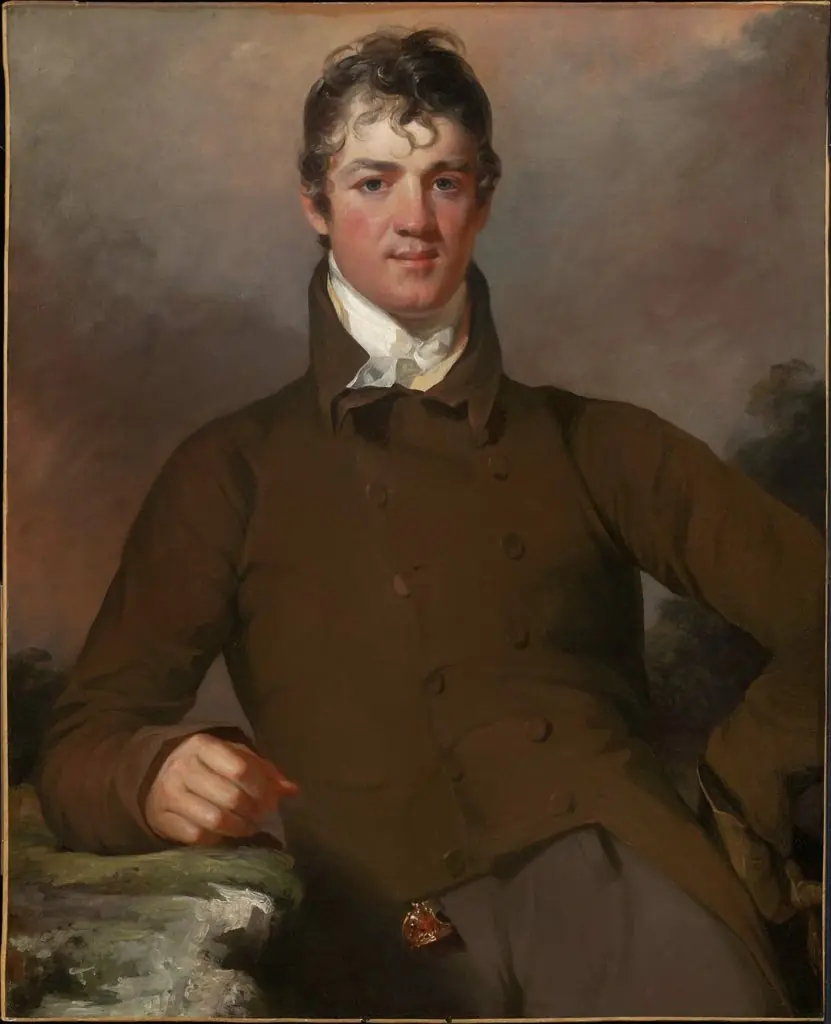 John Myers
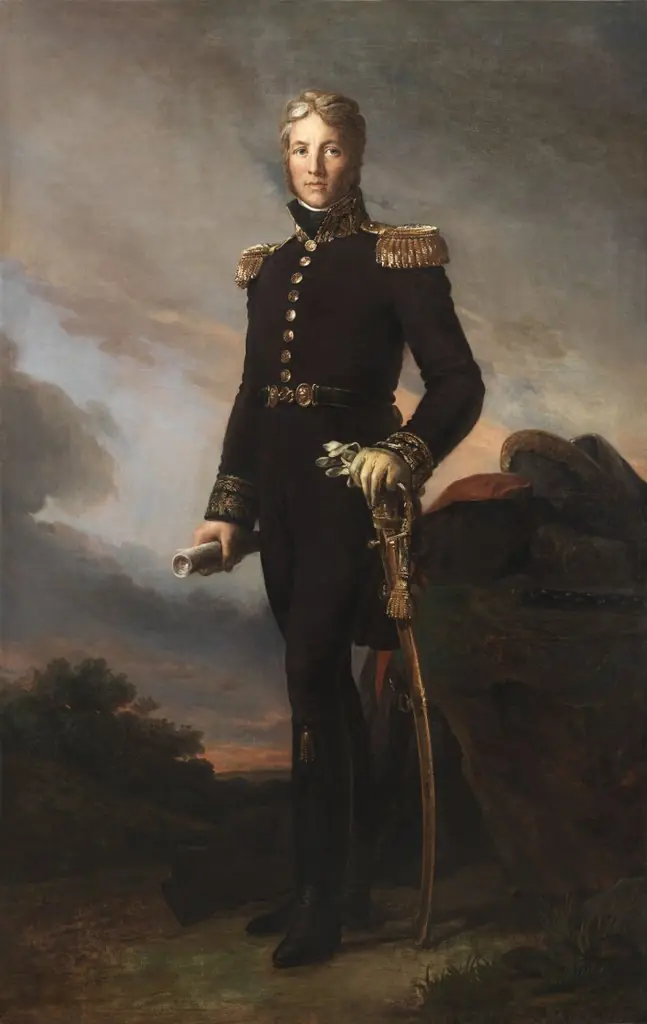 Jean-Victor Moreau (1763-1813), général en chef de l'armée du Rhin
 Louis-Bonaparte en uniforme du colonel du 5e régiment de dragons (1778-1846)
 Captain Peter Hawker of the 14th Light Dragoons
 Colonel Augustus James Pleasonton