Artwork
Fanny Kemble
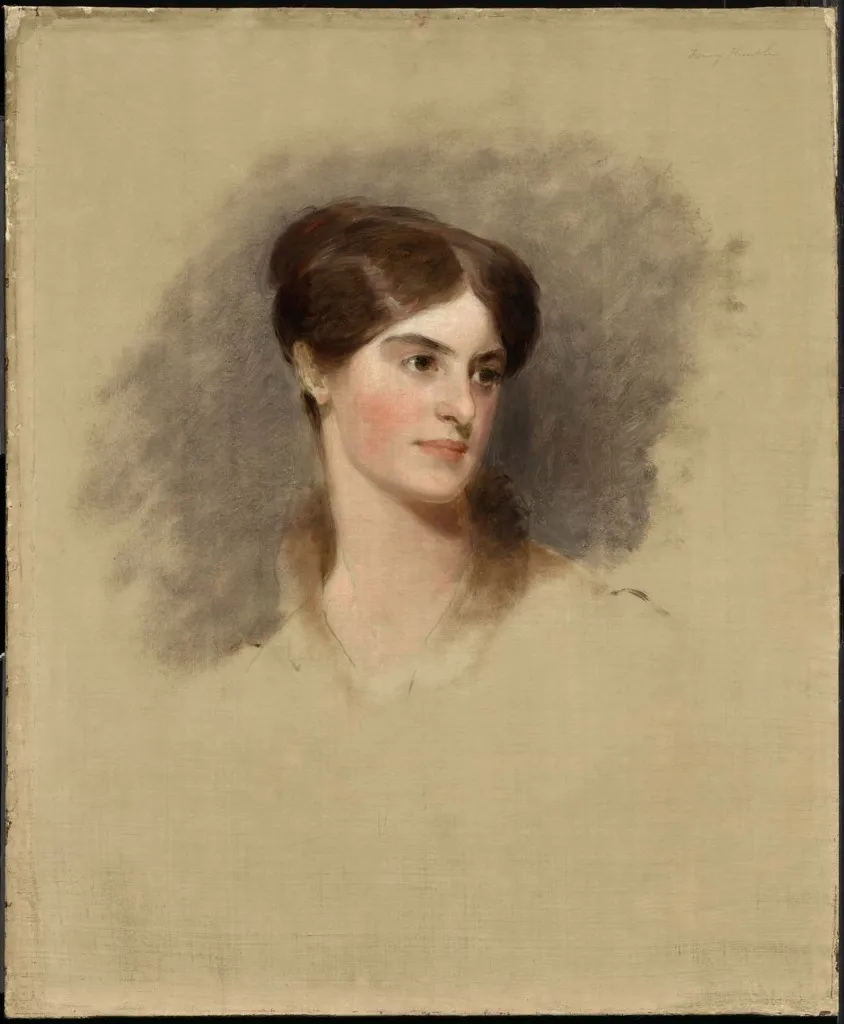
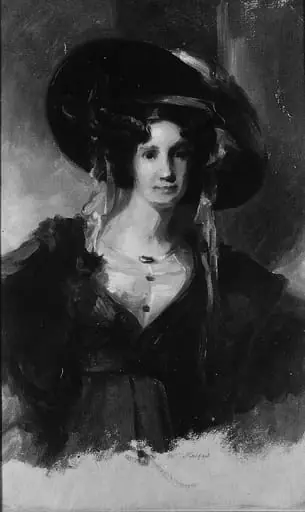
Fanny Kemble is an oil painting by the American Impressionist artist Thomas Sully. It dates from 1833 and is held in the collection of the Museum of Fine Arts Boston.
About this work
Overview
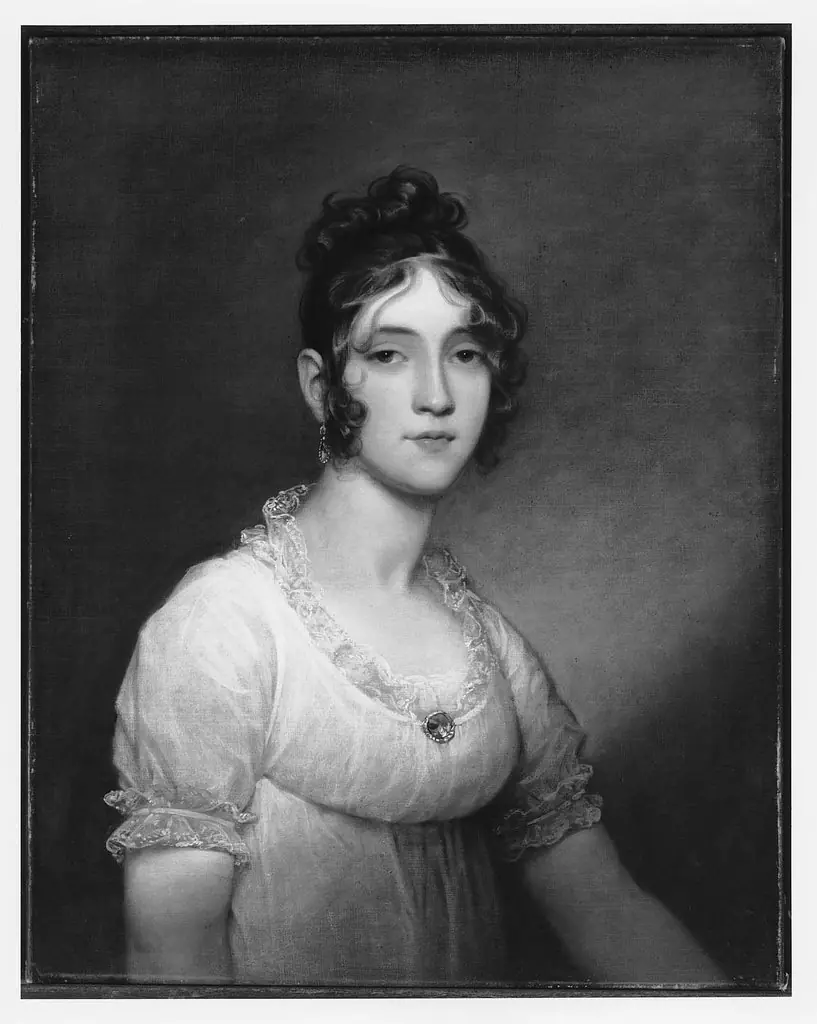
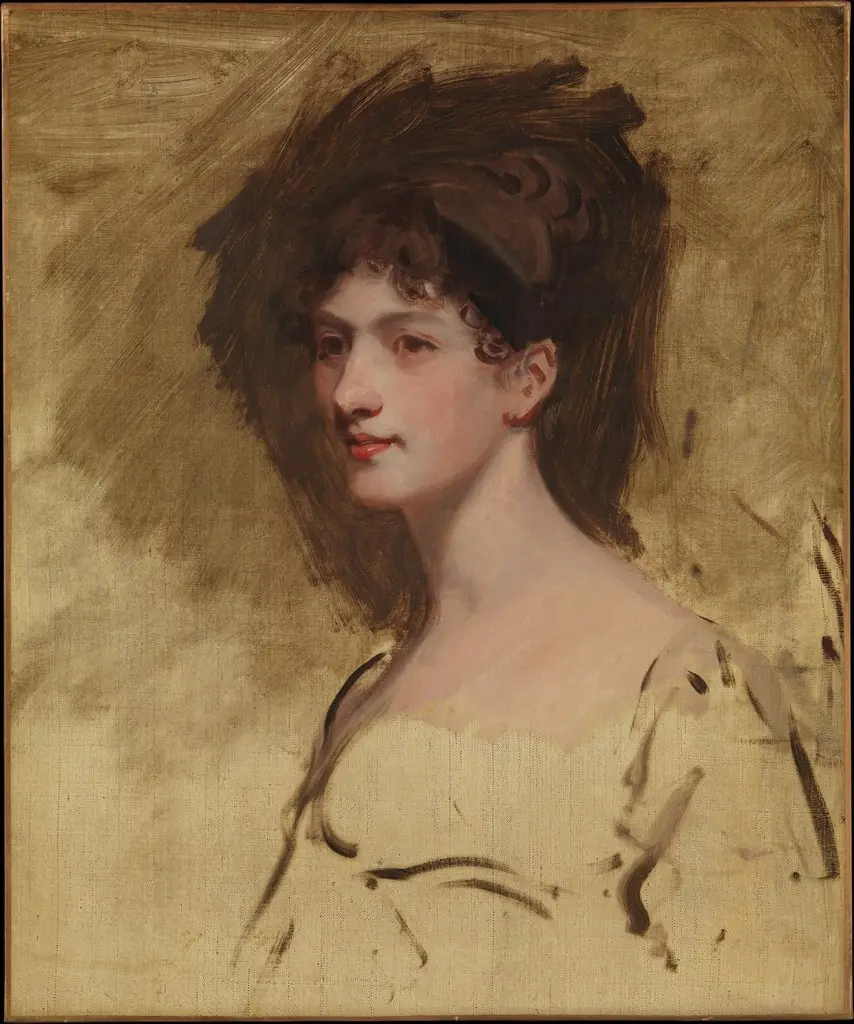
Painted in 1833 by Thomas Sully, this portrait depicts the British actress and writer Fanny Kemble. Executed in oil on canvas, the work is part of the collection at the Museum of Fine Arts, Boston. It presents a restrained, intimate portrayal that emphasizes stillness and presence rather than theatricality, aligning with Sully’s reputation for capturing psychological depth in his sitters.
Subject & Meaning
The absence of overt symbolism or elaborate setting shifts focus to her demeanor, inviting contemplation of her inner life beyond her public persona.
Fanny Kemble, known for her literary talents and abolitionist views, is rendered not in performance attire but in a simple white garment, suggesting a private moment. Her gaze, directed slightly to the right, conveys introspection rather than engagement with the viewer. The absence of overt symbolism or elaborate setting shifts focus to her demeanor, inviting contemplation of her inner life beyond her public persona.
Technique & Style
Sully employed soft, blended brushwork and a muted palette of beige, gray, and white to create a quiet harmony. The background subtly recedes, framing the figure without distraction. Light falls gently across her face and collar, modeling form with delicacy rather than dramatic contrast. This approach reflects his training in neoclassical portraiture, tempered by a sensitivity to individual temperament.
History & Provenance
The portrait was commissioned during Kemble’s 1832–1833 tour of the United States, when she was at the height of her theatrical fame. It remained in private hands until acquired by the Museum of Fine Arts, Boston, in the early 20th century. Its preservation reflects enduring interest in both Sully’s portraiture and Kemble’s cultural significance as a transatlantic intellectual figure.
Context
In the 1830s, American portraiture often sought to elevate subjects through dignity and restraint. Sully, one of the leading portraitists of the era, balanced European academic traditions with emerging American sensibilities. Kemble’s presence in this portrait reflects the transatlantic cultural exchange of the time, as British performers were celebrated figures in U.S. society.
Legacy
The portrait endures as a quiet testament to Kemble’s intellectual stature and Sully’s skill in conveying character without embellishment. It contributes to broader understandings of 19th-century portraiture that valued psychological nuance over spectacle. Today, it remains a key example of how art captured the private dimensions of public figures during a period of shifting cultural identities.
Artist & collection

Artist
Thomas Sully was an English-American portrait painter. He was born in England, became a naturalized American citizen in 1809, and lived most of his life in Philadelphia, Pennsylvania, including in the Thomas Sully…