Artwork
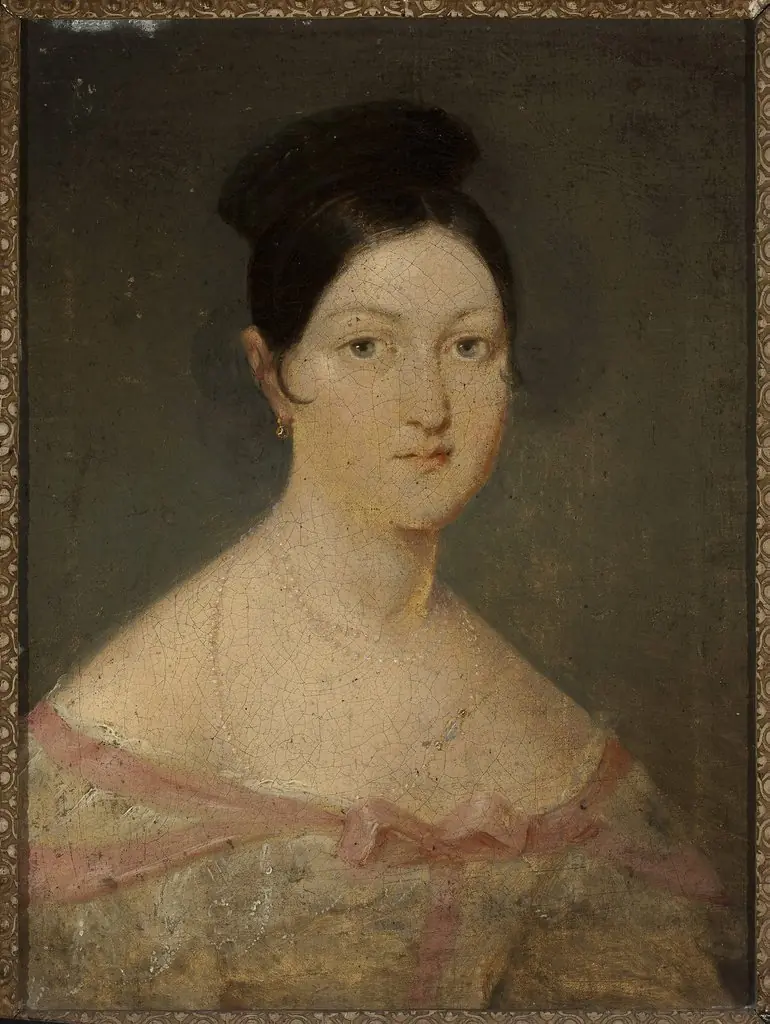
Portrait of a woman in a white dress
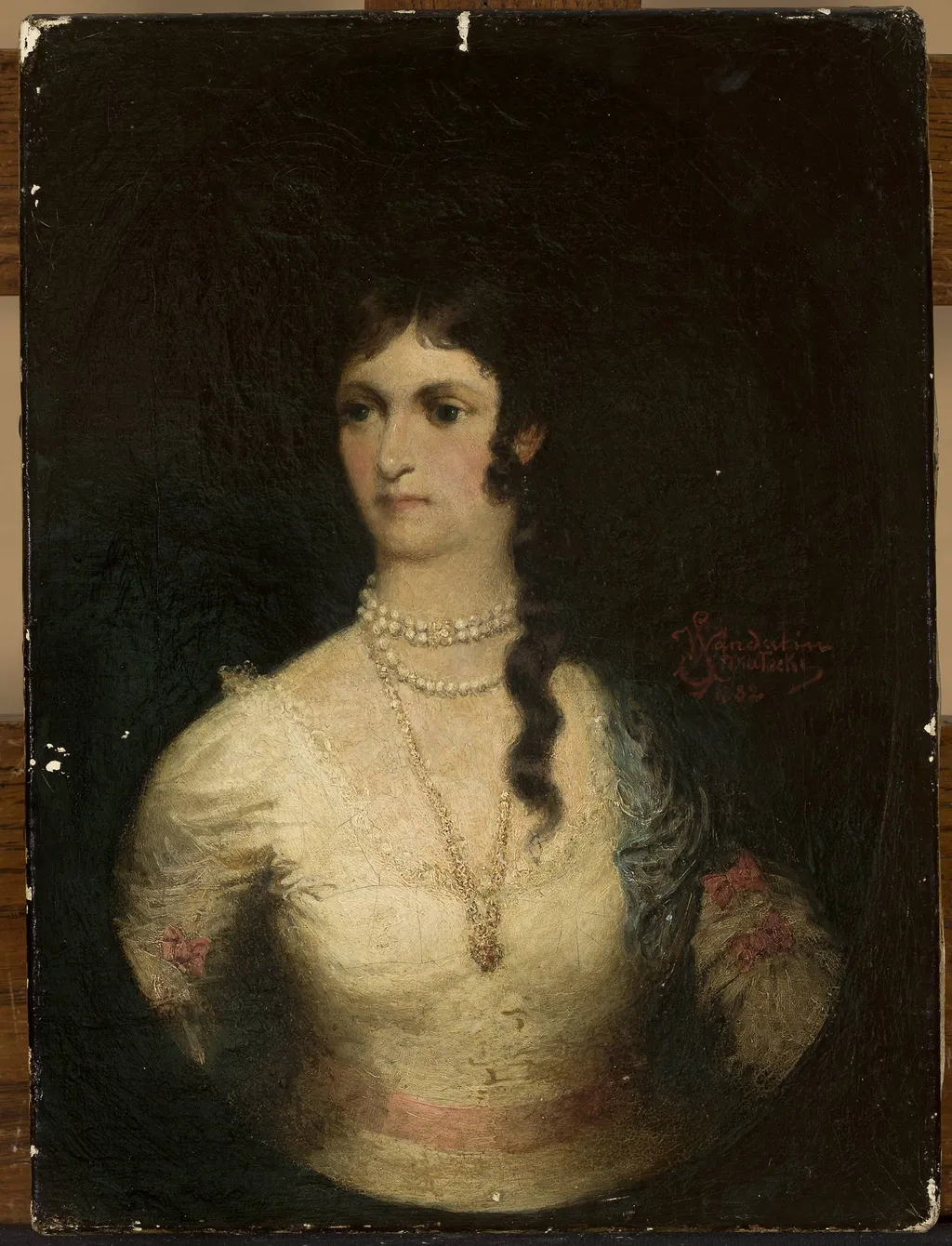
Portrait of a woman in a white dress is an oil painting by the Impressionist artist Wandalin Strzałecki. It dates from 1892 and is held in the collection of the National Museum in Warsaw.
About this work
Overview
Painted in 1892 by Wandalin Strzałecki, this oil portrait depicts a woman dressed in a high-necked white gown. The work is part of the collection at the National Museum in Warsaw. Rendered with quiet precision, the painting emphasizes the subject’s stillness and presence through restrained composition and tonal contrast against a dark background.
Subject & Meaning
The woman faces the viewer directly, her expression composed and unsmiling. Her dark hair is neatly gathered, and she wears a simple pearl necklace with a gold pendant, suggesting modest elegance. The absence of decorative elements or contextual clues focuses attention on her demeanor, conveying a sense of inner gravity rather than narrative or social status.
Technique & Style
Strzałecki employed oil paint to achieve subtle gradations of light and texture, particularly in the fabric of the dress and the sheen of the jewelry. The dark, undefined background isolates the figure, enhancing its three-dimensionality. Brushwork is controlled and smooth, favoring clarity over expressive flourish, aligning with late 19th-century academic portraiture conventions.
History & Provenance
The painting entered the National Museum in Warsaw’s collection following its creation in 1892. While little is documented about its early ownership, its preservation in a major Polish institution suggests it was recognized within artistic circles of the time. No significant alterations or restorations are publicly recorded.
Context
Created during a period when Polish artists navigated national identity under foreign partitions, Strzałecki’s portrait reflects a broader trend of intimate, psychologically grounded portraiture. Unlike grand historical scenes, this work prioritizes individual presence, aligning with European trends that valued personal expression over public spectacle.
Legacy
Though not widely reproduced, the portrait remains a representative example of Strzałecki’s skill in capturing quiet dignity. It contributes to the understanding of Polish academic portraiture in the late 19th century, offering insight into aesthetic values and social norms of the era through its restrained formal language.
Artist & collection

 Portrait of a woman
 Mary Fairlie Cooper
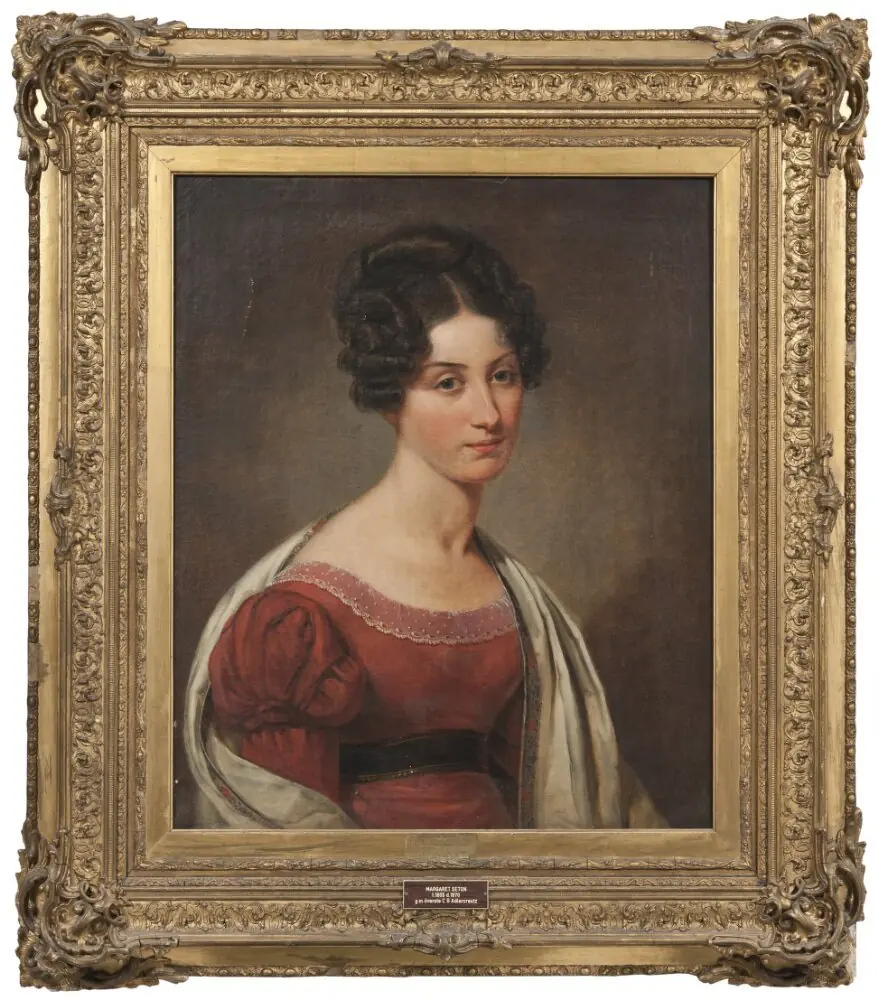 Margaret Seton (1805-1870), född i Skottland, verksam i Sverige, g.m. friherre överste Carl Gustaf Adlercreutz, sondotter till Alexander Baron Seton
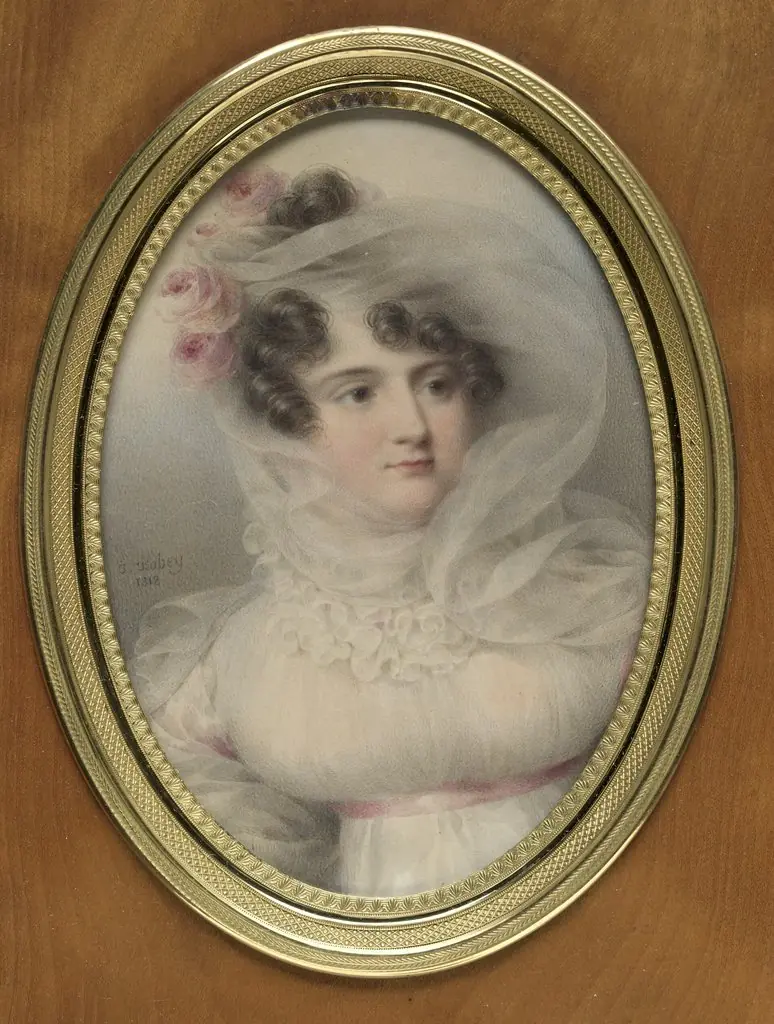 Portrait of Hortense de Perregaux, Duchess of Ragusa
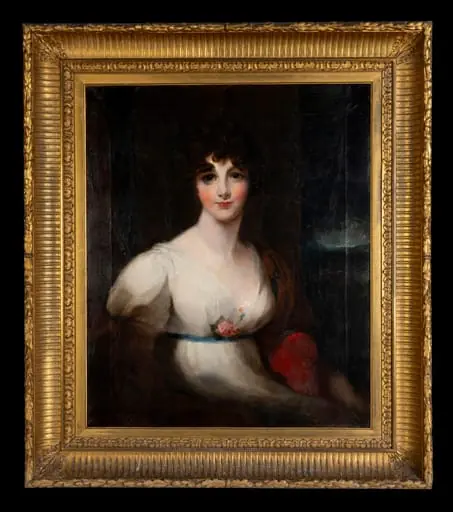 Louisa Jane Allen
 Portrait of Hortense de Perregaux, Duchess of Ragusa
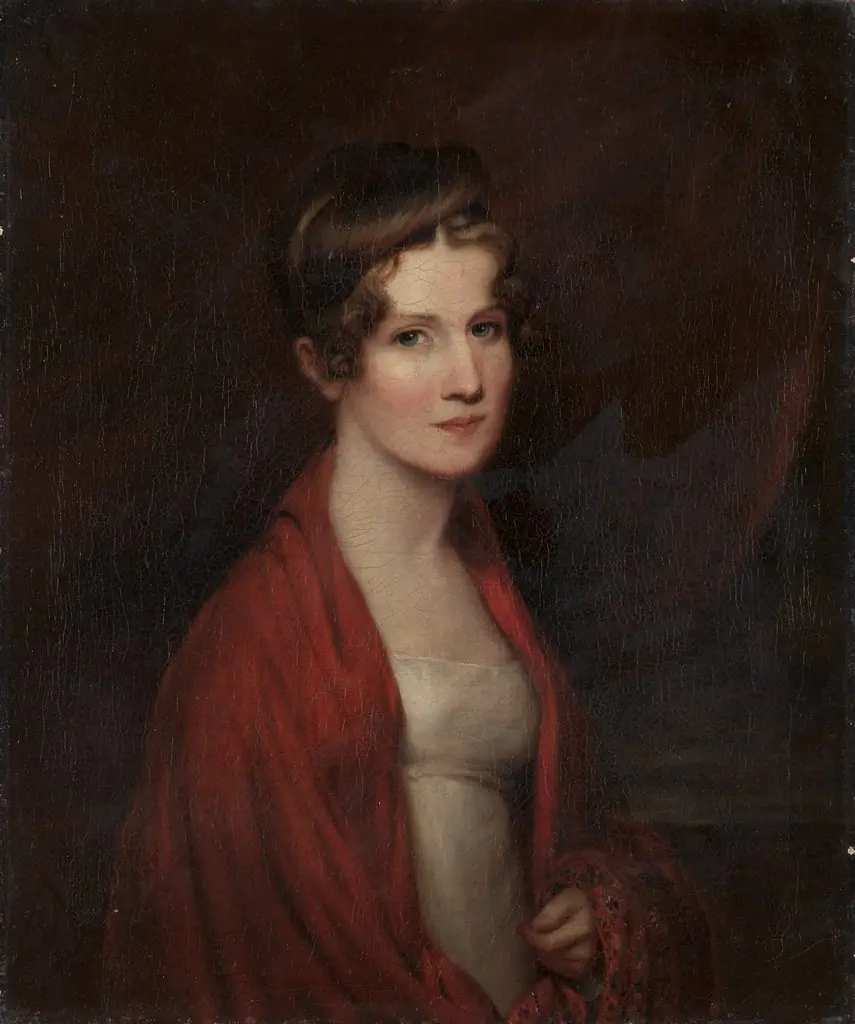 Mary Fairlie Cooper
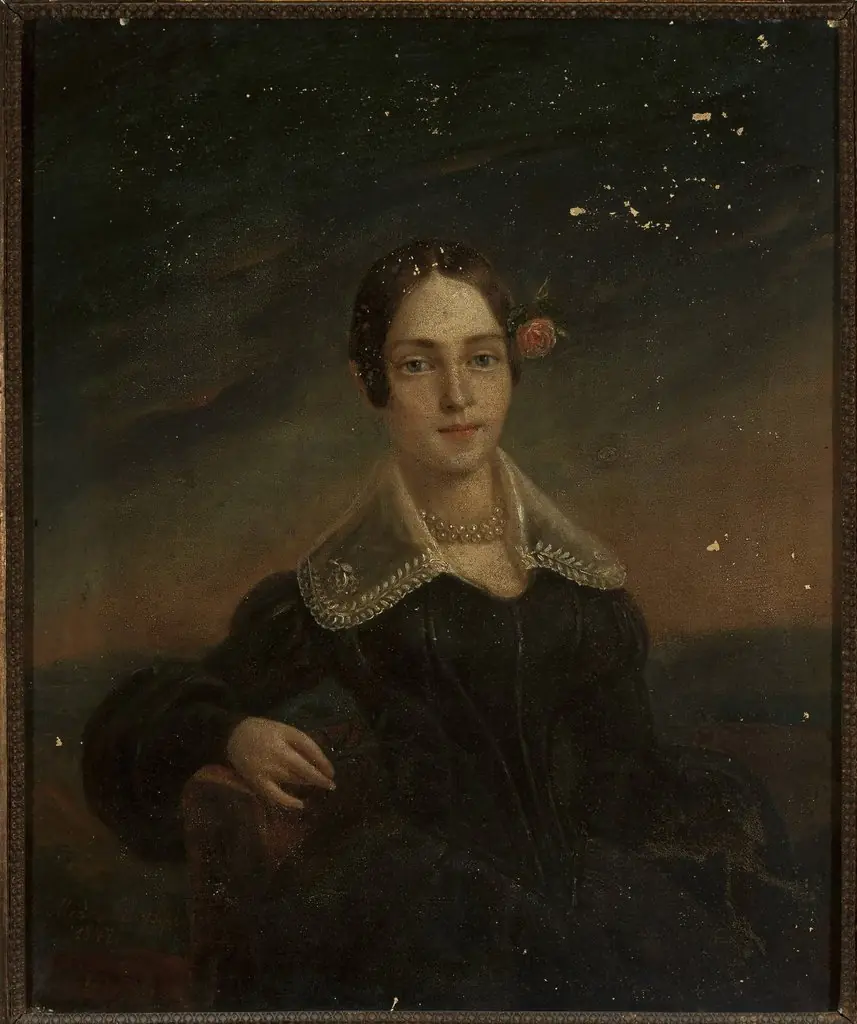 Portrait of a young woman
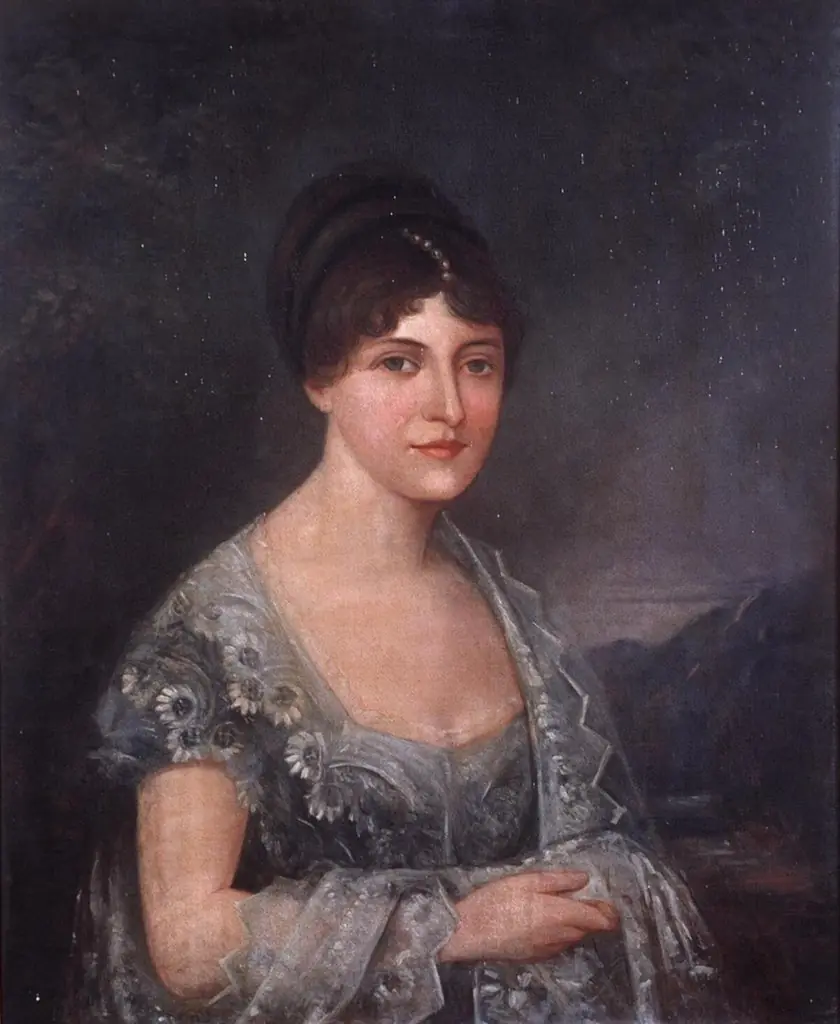 Mrs Davies, Lime Grove, Carmarthen
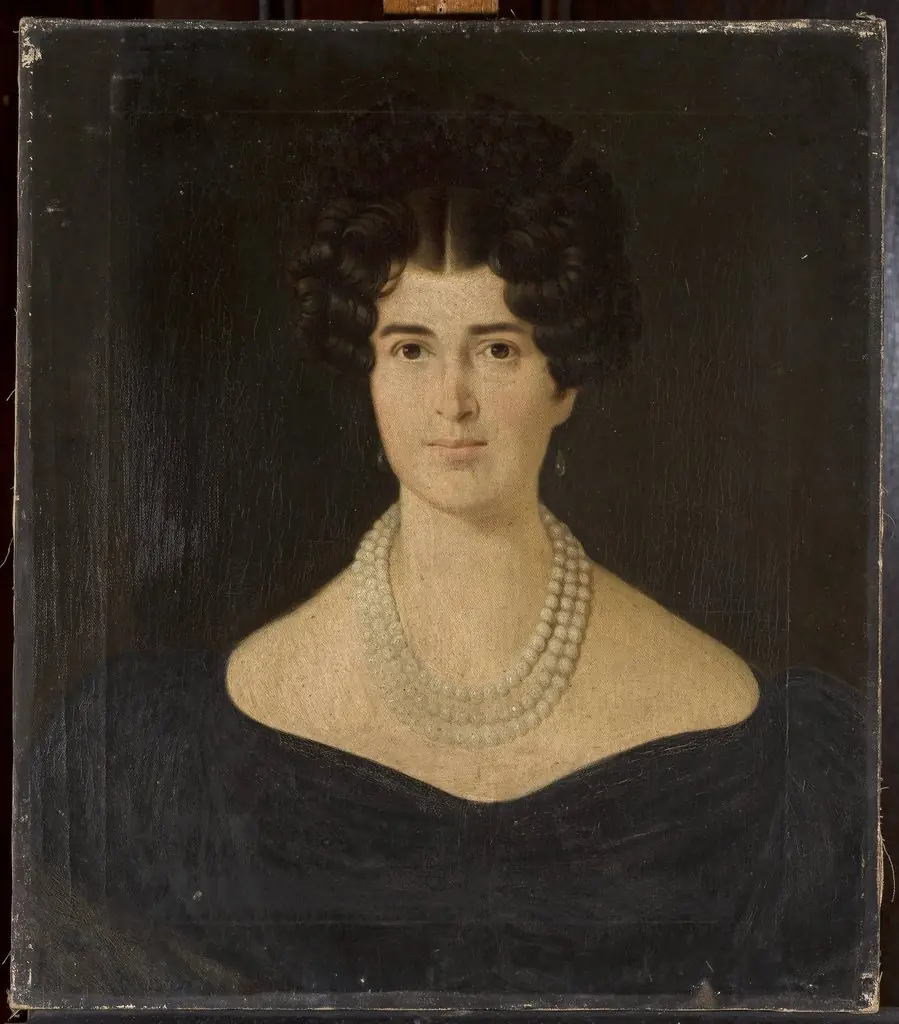 Portrait of Józefina Deboli née Drużbacka
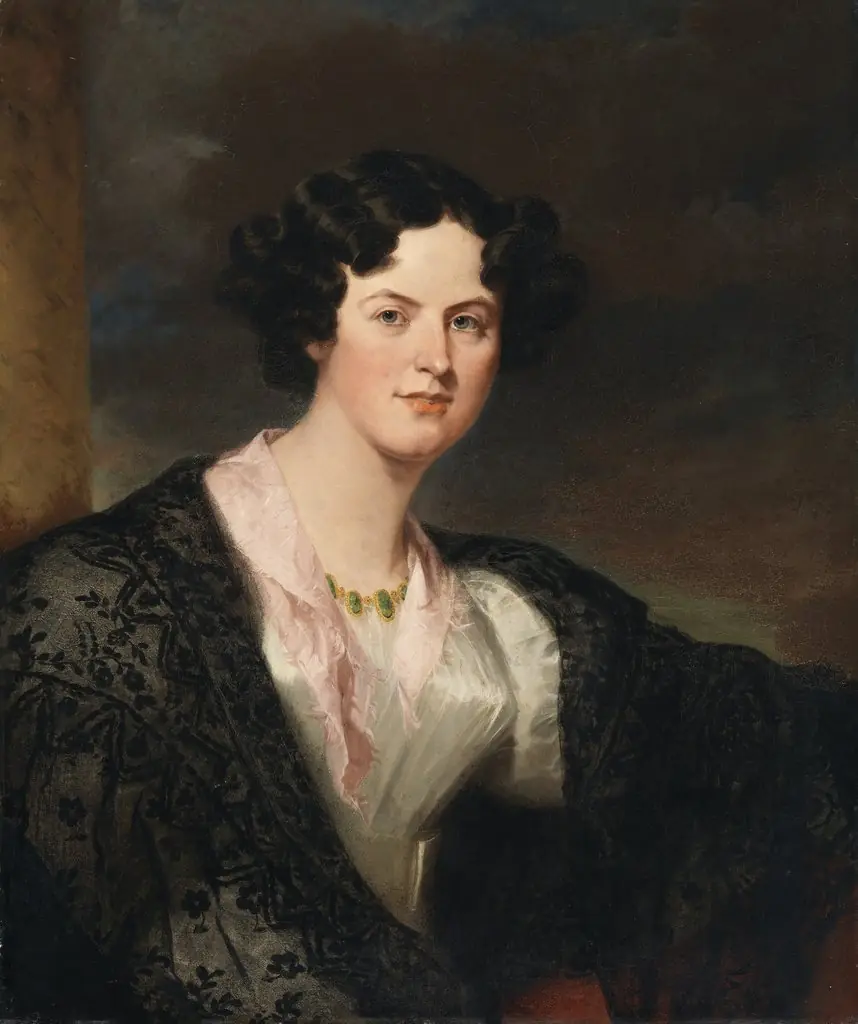 Portrait of Mrs Clementson
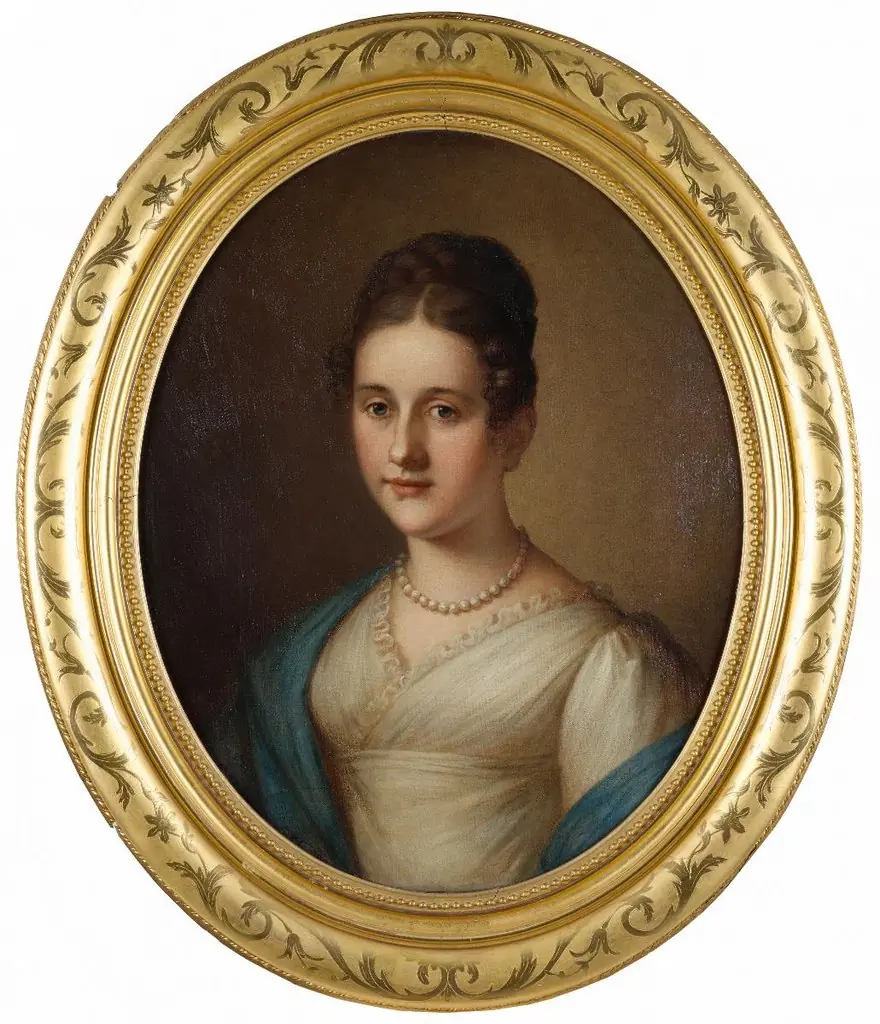 Bildnis Elisabeth Tobler, geborene Bindschedler