Artwork
Robinson Crusoe and Friday in the Cave
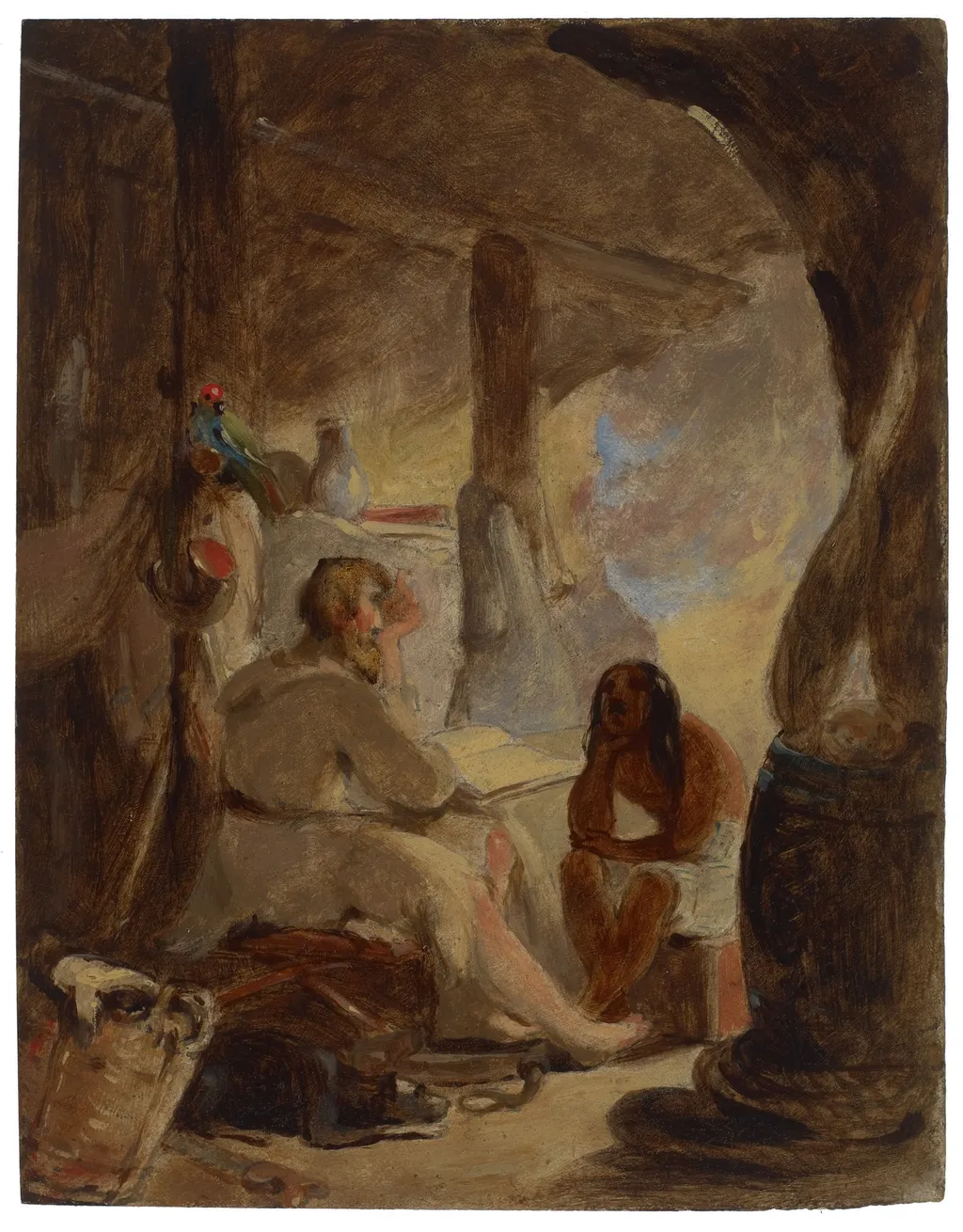
Robinson Crusoe and Friday in the Cave is an unspecified painting by Thomas Sully. It dates from 1833 and is held in the collection of the Museum of Fine Arts, Houston.
About this work
Overview
Thomas Sully’s oil painting Robinson Crusoe and Friday in the Cave, executed around 1833, depicts a quiet moment between the literary castaways. The work is part of the collection of the Museum of Fine Arts, Houston, and presents a domestic interior set within a natural cavern.
Subject & Meaning
The composition shows two figures seated on the cavern floor: a European‑clad man in a long‑sleeved shirt and trousers, and a native companion in a simple loincloth. A brightly colored parrot rests on the European’s shoulder, suggesting a moment of companionship and cultural exchange between the characters drawn from Daniel Defoe’s novel.
Technique & Style
Sully employs a warm palette of ochres and earth tones, softened by diffused lighting that emanates from the right side of the canvas. The chiaroscuro creates a gentle glow, while the loose handling of brushwork gives the surrounding objects a slightly chaotic, yet intimate, texture.
History & Provenance
Painted in the early 1830s, the work entered the Museum of Fine Arts, Houston’s holdings in the 20th century, where it remains on view. Its acquisition reflects the museum’s interest in American portraitists who also explored literary subjects.
Context
During Sully’s career, narrative scenes drawn from popular literature were a common way to appeal to a growing middle‑class audience. The choice of Robinson Crusoe, a widely read adventure novel, aligns with the period’s fascination with exoticism and the moral themes of survival and friendship.
Artist & collection

Artist
Thomas Sully was an English-American portrait painter. He was born in England, became a naturalized American citizen in 1809, and lived most of his life in Philadelphia, Pennsylvania, including in the Thomas Sully…

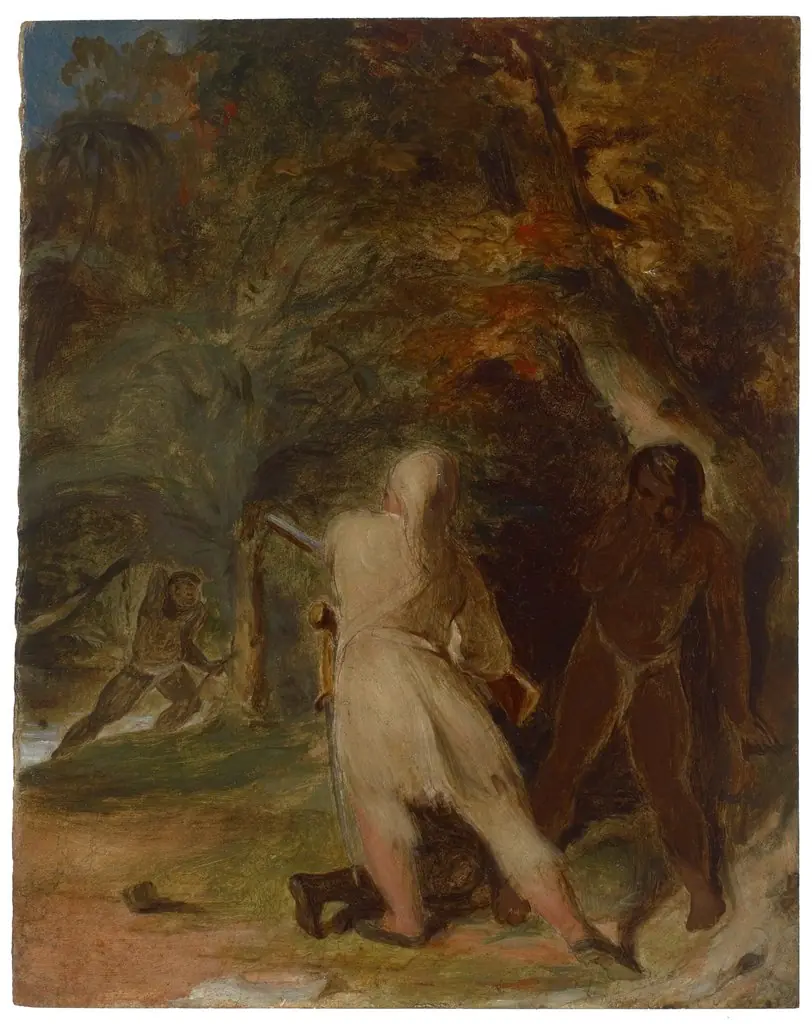 Saving the Life of Friday
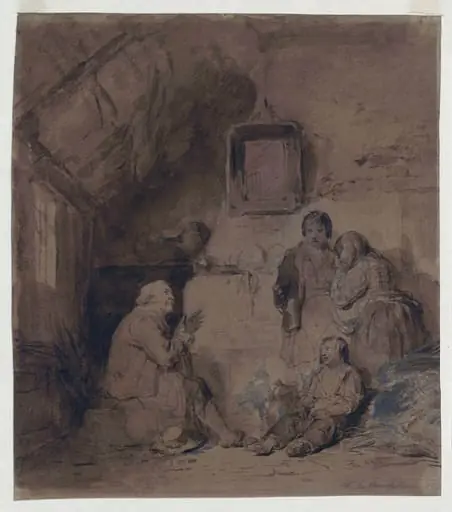 A Poor Family Lamenting Their Situation in Their Humble Home
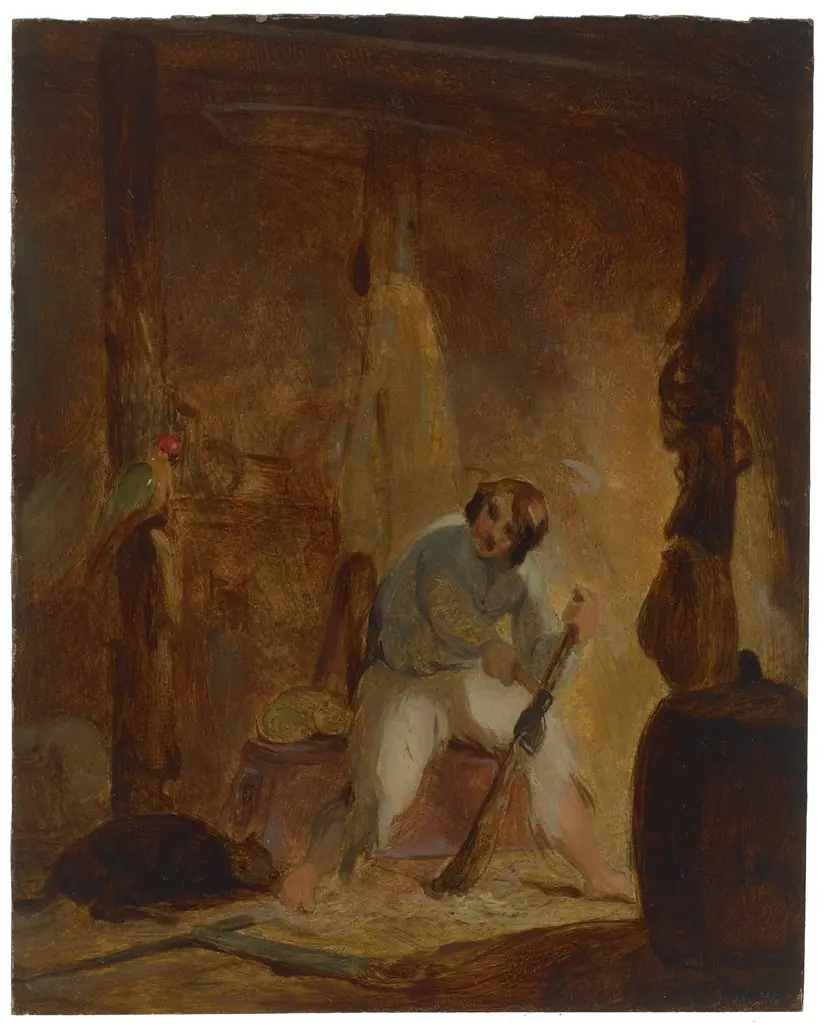 In His Cave
 Interior of a Turkish shepherd's hut
 Burns and his Highland Mary
 Bead-Stringers
 The Fortune Teller
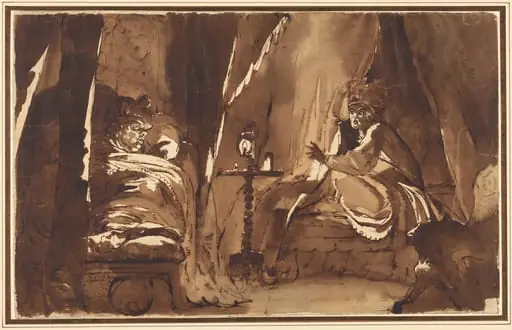 Midnight
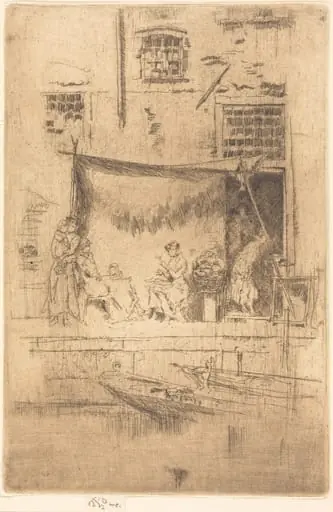 Fruit-Stall
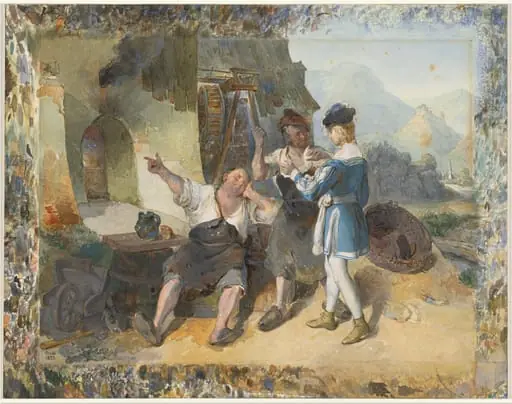 Fridolin and Two Workmen by the Forge
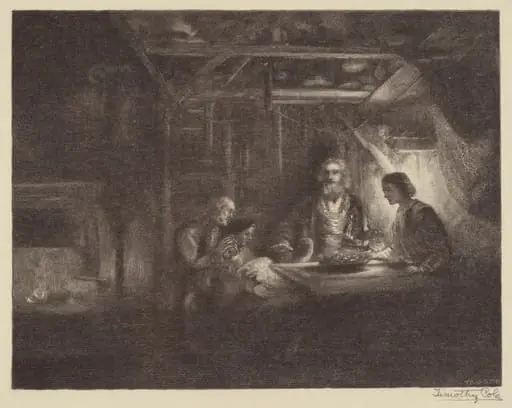 Philemon and Baucis
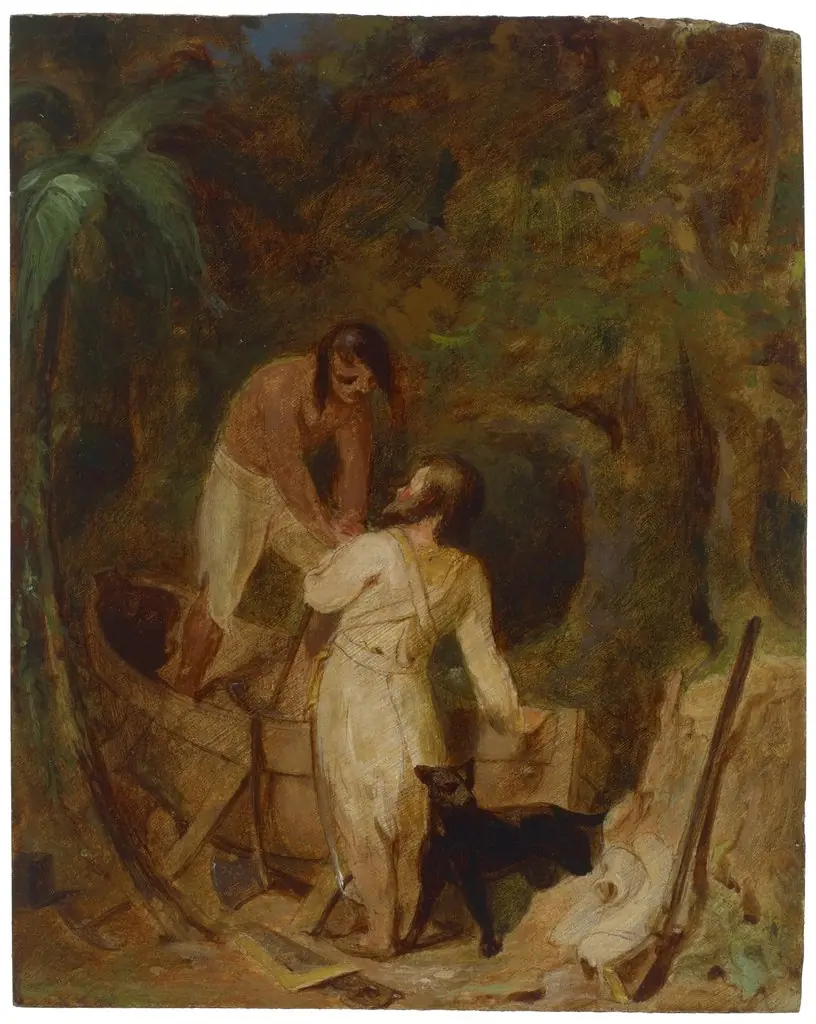 Boat Building by Robinson Crusoe and Friday