Artwork
An Old Scots Woman
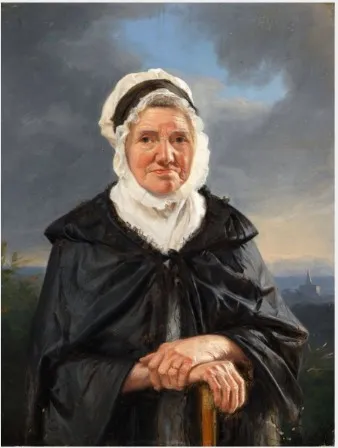
An Old Scots Woman is an unspecified painting by Thomas Sword Good. It dates from 1839 and is held in the collection of the National Gallery of Ireland.
About this work
Overview
Painted around 1839 by Thomas Sword Good, this portrait depicts an elderly Scottish woman in quiet dignity. The work is part of the National Gallery of Ireland’s collection. Rendered with restrained brushwork, it captures a moment of stillness rather than narrative action. The subject’s posture and attire suggest rural life and personal resilience, framed against a muted natural backdrop.
Subject & Meaning
The woman, likely a peasant or laborer, is portrayed without idealization. Her dark garments, white head covering, and wooden staff imply a life shaped by hardship and routine. Her clasped hands and direct gaze convey solemnity, not sorrow. The absence of ornament or context invites focus on her presence, suggesting a meditation on age, endurance, and quiet dignity in ordinary life.
Technique & Style
Good employs a muted palette dominated by browns, grays, and off-whites, reinforcing the painting’s somber tone. The brushwork is precise but unembellished, with attention to texture in fabric and wood. The background is softly rendered, allowing the figure to dominate. Light falls evenly, avoiding dramatic contrast, which enhances the portrait’s introspective character.
History & Provenance
The painting was completed in the late 1830s and entered the National Gallery of Ireland’s collection in the 19th century. Its provenance before acquisition is undocumented, but its preservation suggests it was valued by contemporary collectors. No major exhibitions or public records detail its early ownership, indicating it may have remained in private hands until institutional acquisition.
Context
In early 19th-century Britain, portraiture of rural laborers was uncommon in major galleries. Good’s work aligns with a growing interest in depicting everyday people, influenced by Romanticism and social observation. While not overtly political, the painting reflects a shift toward recognizing the dignity of non-elite subjects, contrasting with aristocratic portraiture of the era.
Legacy
The painting remains a quiet example of regional portraiture from the period. It contributes to the understanding of how artists outside London engaged with ordinary subjects. Though not widely reproduced or studied, its presence in a national collection affirms its role as a record of social and visual history, valued for its sincerity over spectacle.
Artist & collection

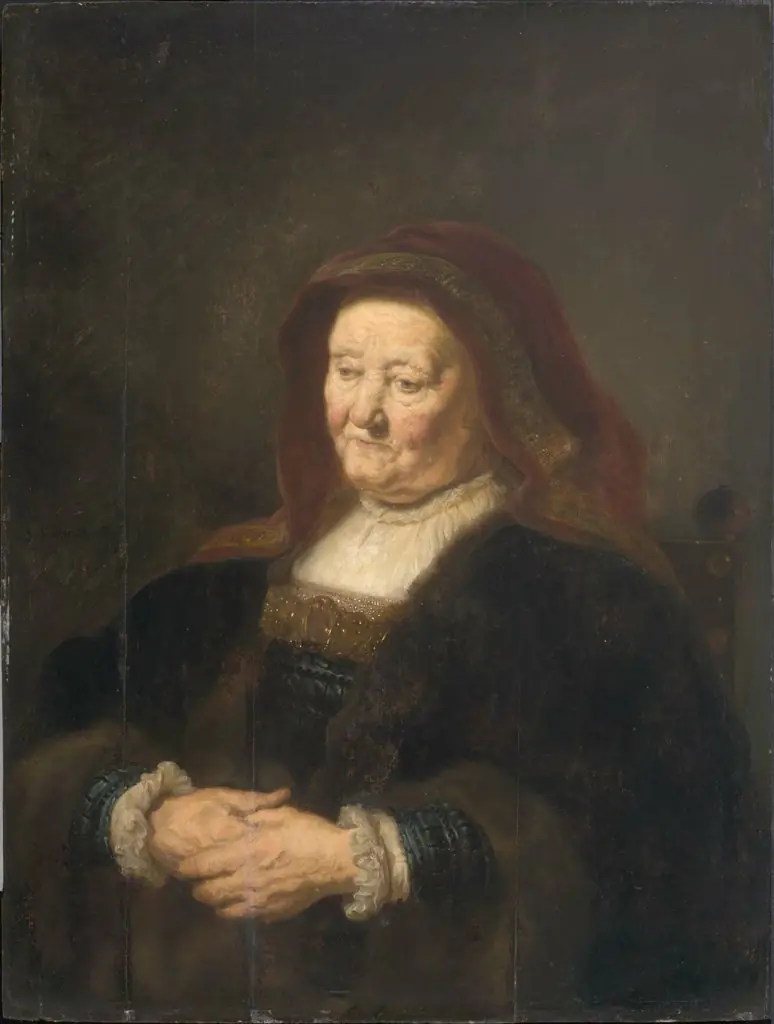 Portrait of an Old Woman
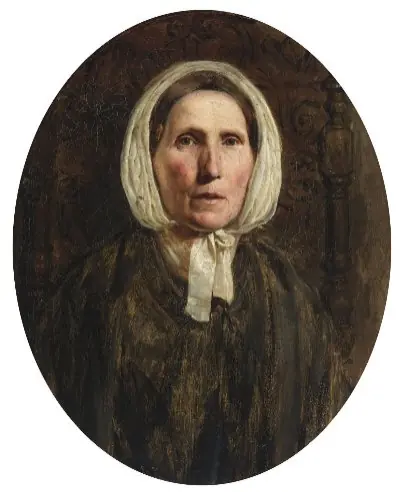 Portrait of The Artist's Mother
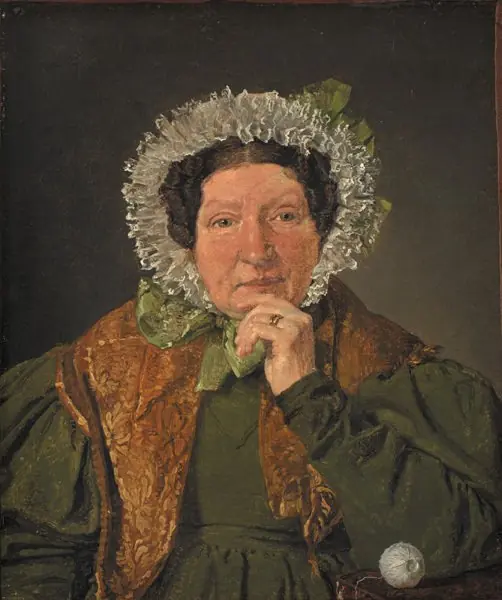 Portrait of the Artist´s Mother, Cecilia Margrethe Købke, née Petersen
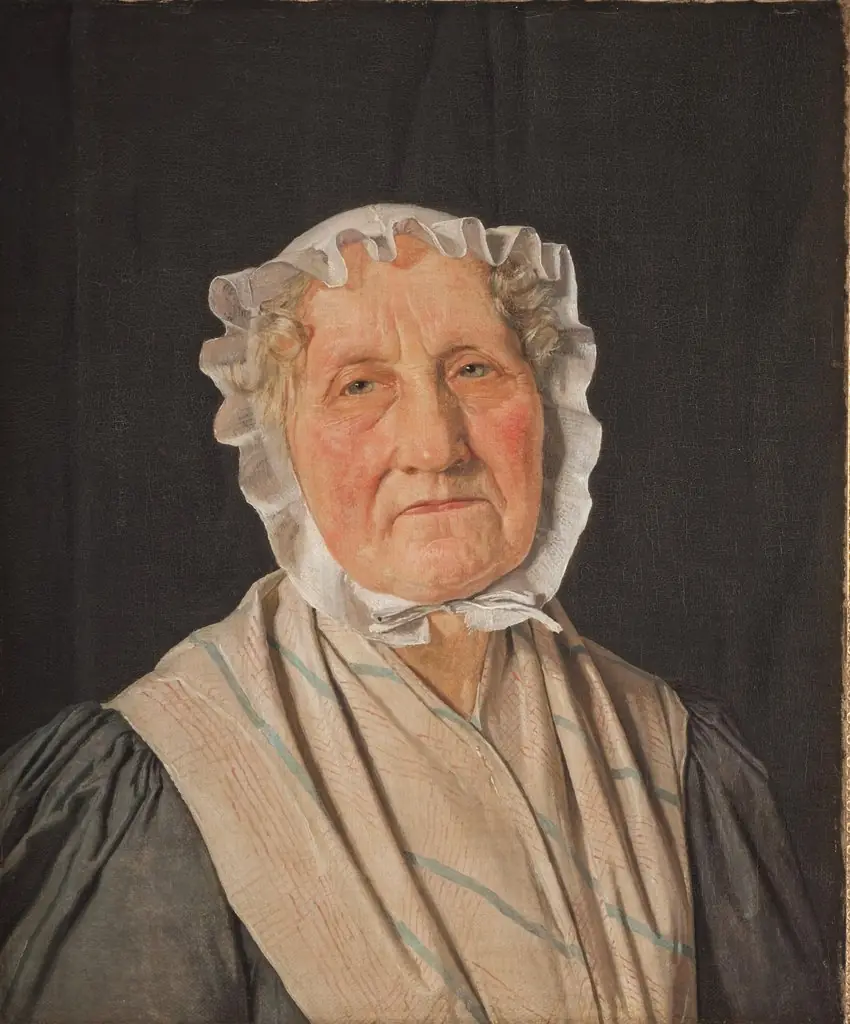 Portrait of Inger Margrethe Høyen, née Schrøder, the Mother of the Art Historian N.L. Høyen
 Portrait of Inger Margrethe Høyen, née Schrøder, the Mother of the Art Historian N.L. Høyen
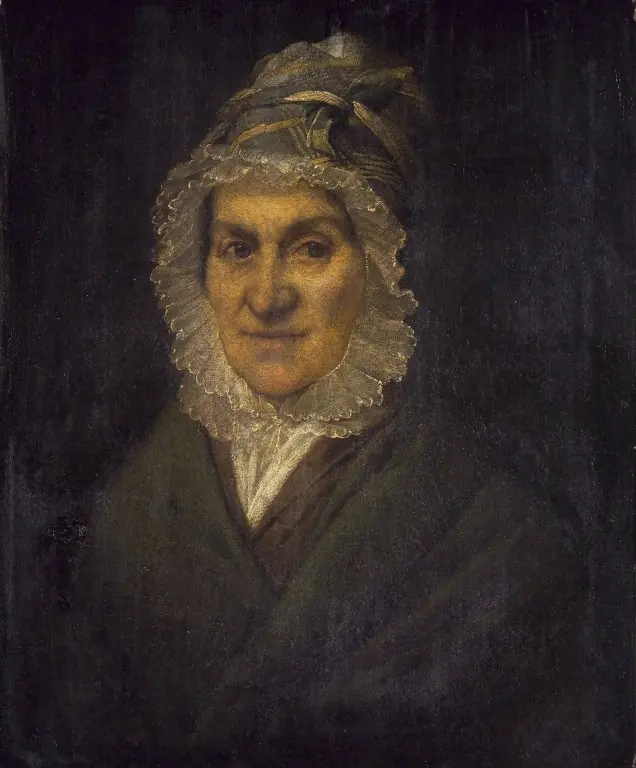 Portrait of an old woman
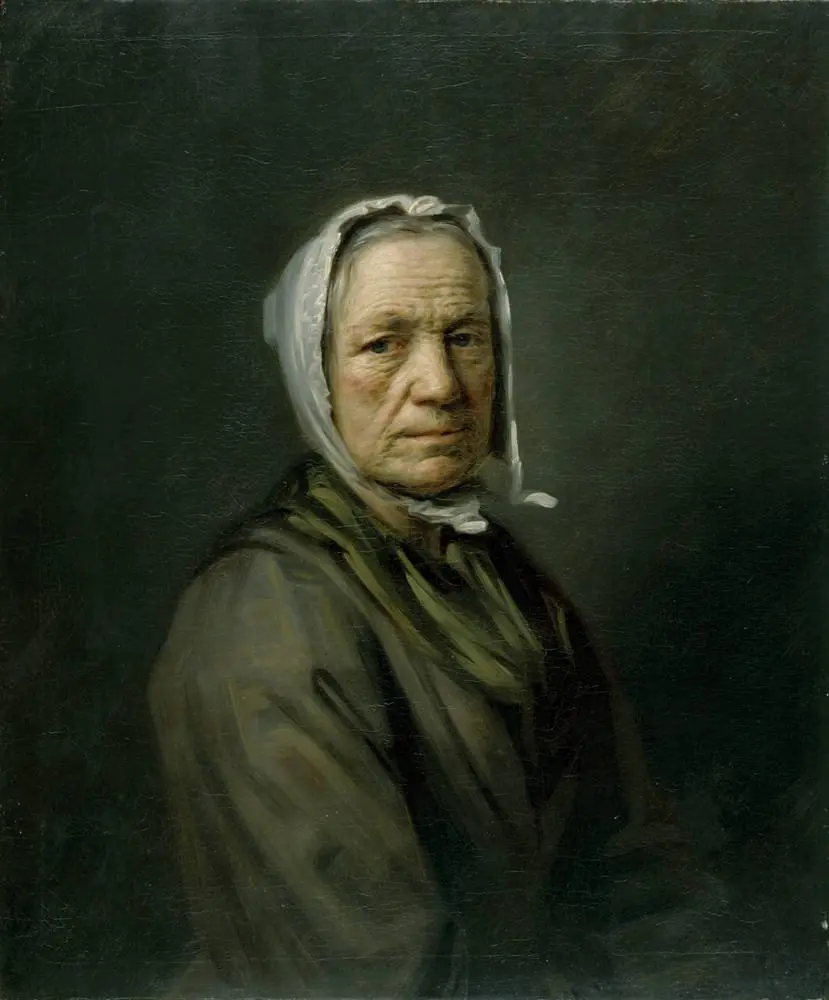 Bejahrte Frau mit weißer Haube
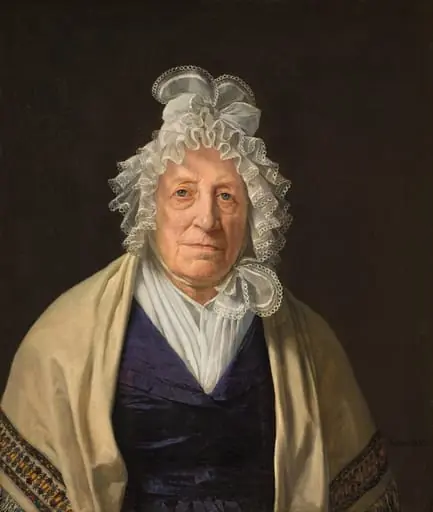 Fru Lindam, f. Goos, enke efter superkargo Lindam i Ostindien
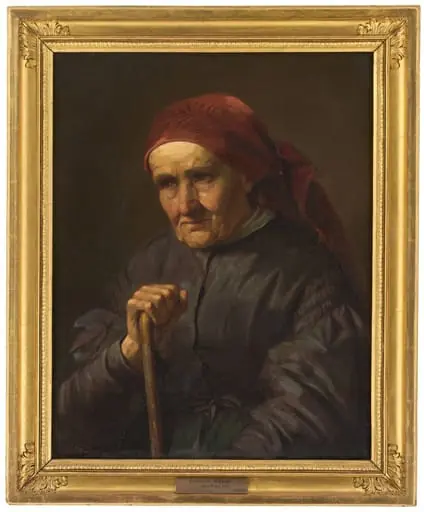 Brustbild einer alten Bäuerin
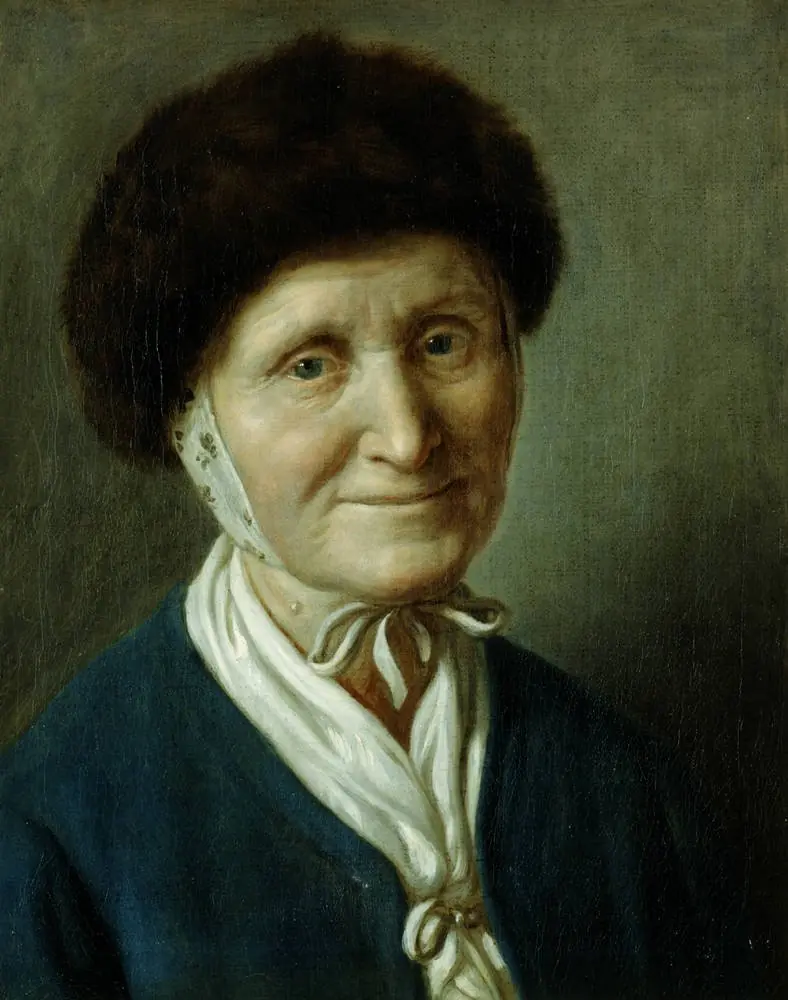 Old woman with fur hat