Artwork
The Prodigal Son Received by His Father
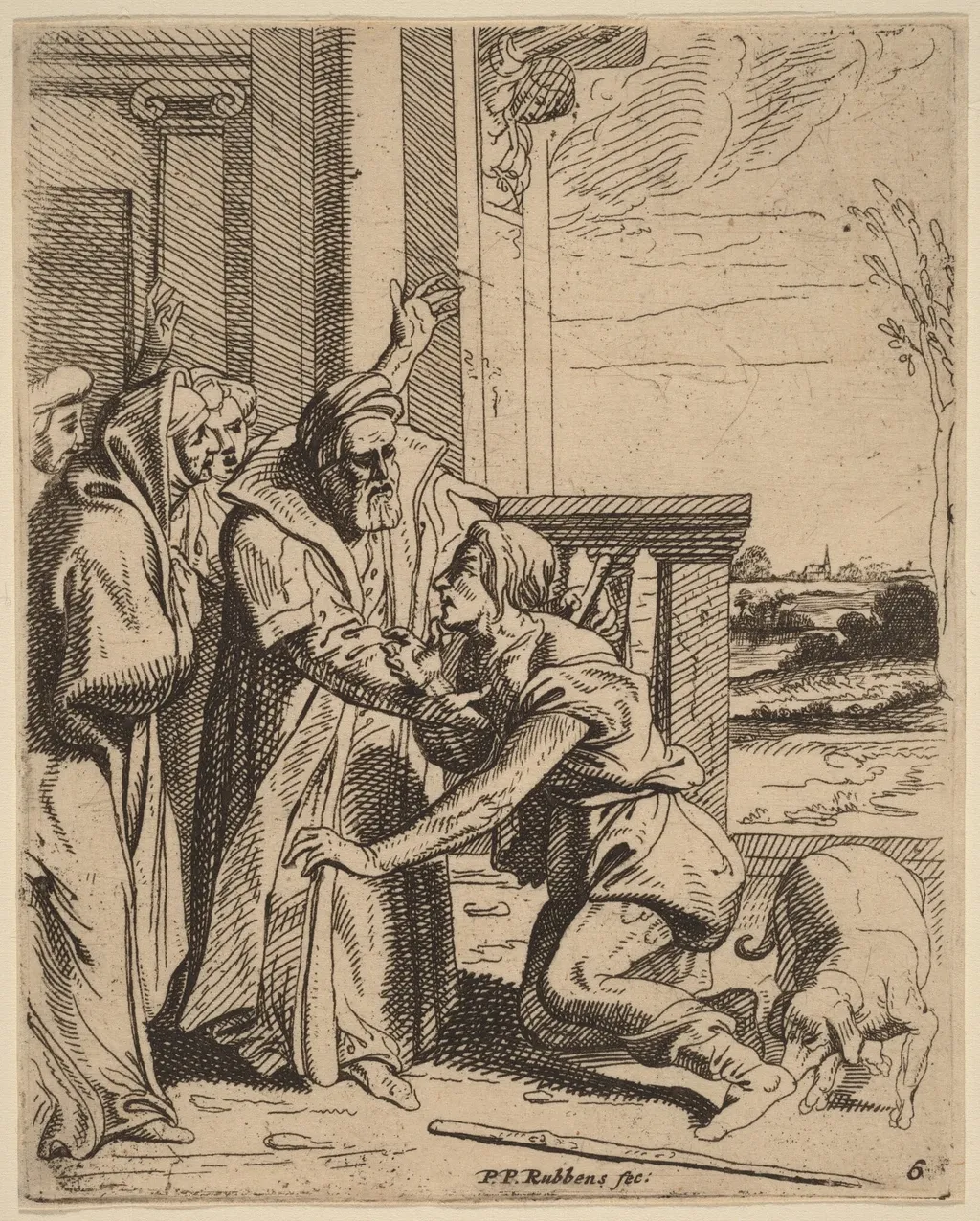
The Prodigal Son Received by His Father is an ink print by the Baroque artist Theodoor van Thulden. It dates from 1638 and is held in the collection of the National Gallery of Art.
About this work
Overview
Though better known for large-scale paintings, he also worked extensively in printmaking, using etching to translate emotional scenes into intimate formats.
Theodoor van Thulden, a Flemish artist active in the early 17th century, produced this etching in 1638 as part of his engagement with biblical narratives. Though better known for large-scale paintings, he also worked extensively in printmaking, using etching to translate emotional scenes into intimate formats. This work captures a moment from the Gospel of Luke, rendered with quiet gravity and attention to human gesture.
Subject & Meaning
The scene illustrates the return of the prodigal son, a parable of repentance and forgiveness. The father’s outstretched arm and the son’s kneeling posture convey humility and mercy without theatricality. A cloaked observer on the left suggests the presence of witnesses—perhaps servants or community members—adding a layer of social scrutiny to the private moment. The dog at their feet, a common symbol of loyalty, reinforces the theme of faithful return.
Technique & Style
Van Thulden employed fine, controlled lines typical of Baroque etching, using cross-hatching to model forms and suggest texture in fabric and landscape. The composition is tightly focused on the central figures, with the background simplified into soft, receding hills and a distant steeple. The tonal range is restrained, emphasizing emotional clarity over dramatic contrast, aligning with Northern European traditions of narrative restraint.
History & Provenance
Created during van Thulden’s time in Antwerp, the etching likely circulated among collectors and religious patrons familiar with biblical imagery. It reflects the artist’s broader practice of adapting sacred themes for private devotion and scholarly audiences. No definitive early ownership records survive, but similar prints from his workshop appear in European collections from the late 17th century onward.
Context
In the 1630s, Antwerp remained a hub for religious printmaking despite the Protestant Reformation’s influence. Catholic patrons valued visual retellings of parables like the prodigal son as tools for moral instruction. Van Thulden’s work fits within a tradition of Flemish artists—such as Rubens and his circle—who used print media to disseminate theological narratives with emotional nuance.
Legacy
Though van Thulden’s etchings were never as widely reproduced as those of his contemporaries, this work exemplifies the quiet power of Northern Baroque printmaking. It influenced later generations of engravers who sought to balance narrative clarity with psychological depth. Today, it survives as a modest but resonant example of how religious stories were made tangible through the precision of the etcher’s needle.
Artist & collection
Artist
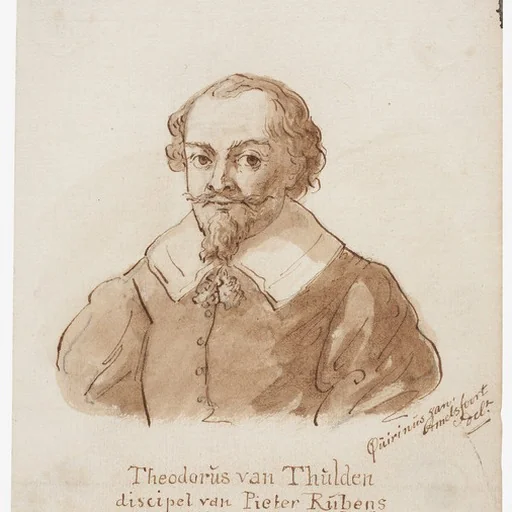
Theodoor van Thulden (9 August 1606 – 12 July 1669) was a Flemish painter, draughtsman and engraver born in 's-Hertogenbosch in the duchy of Brabant.

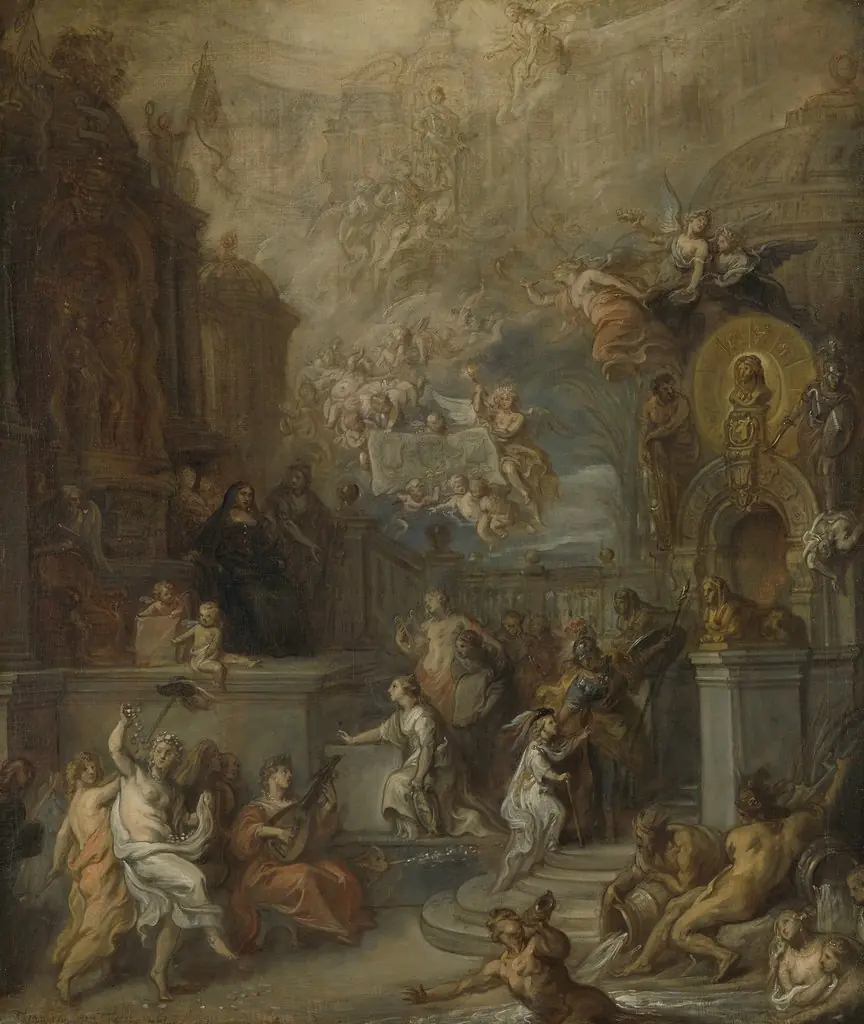 Allegory of William III's leavetaking from Alamia van Solms after the transferral of the regency to the statesgeneral
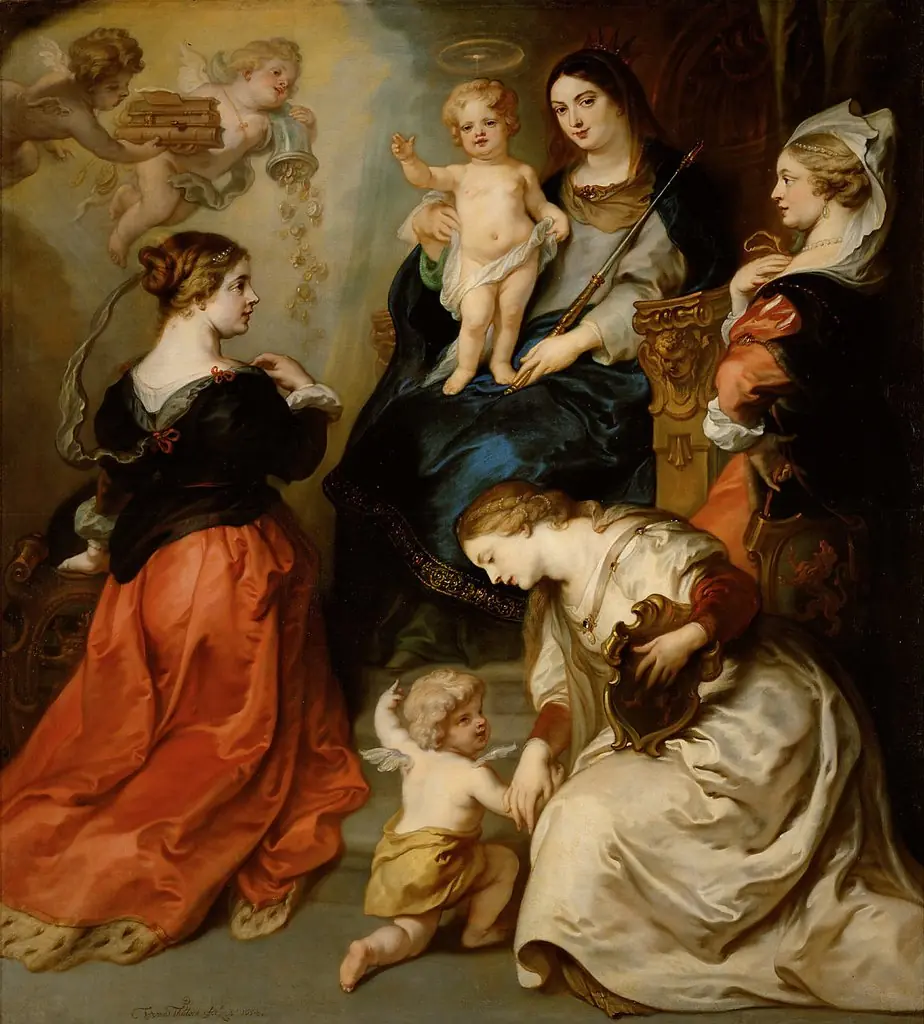 The provinces of Brabant, Hainaut and Flanders pay homage to the Virgin
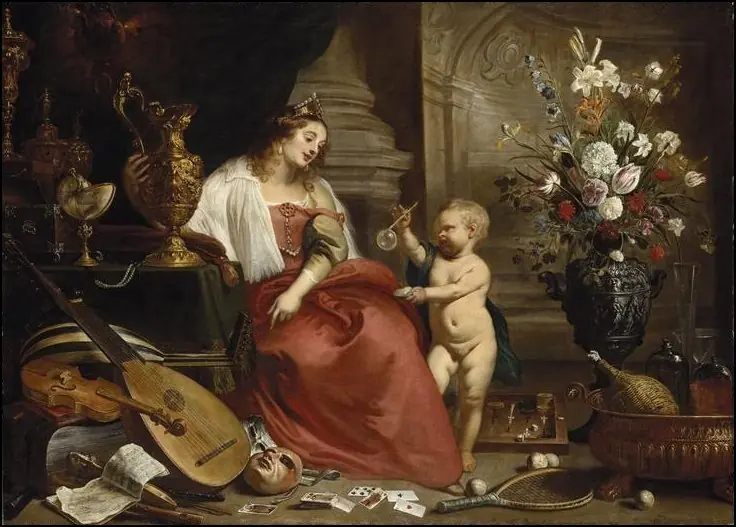 Allegory of Vanity
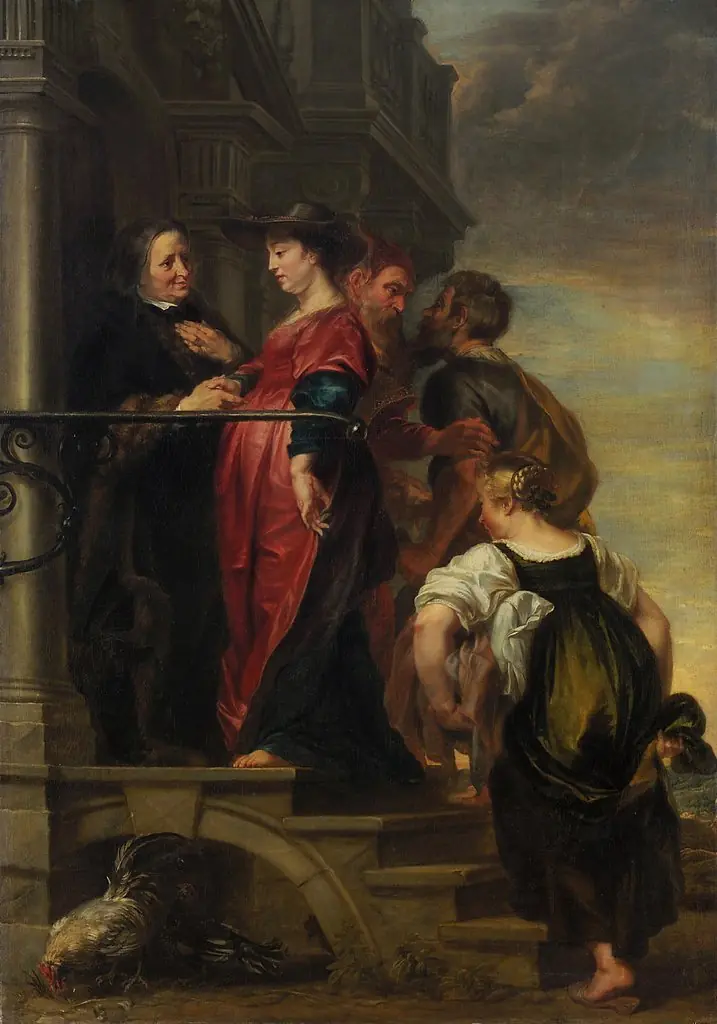 The Visitation
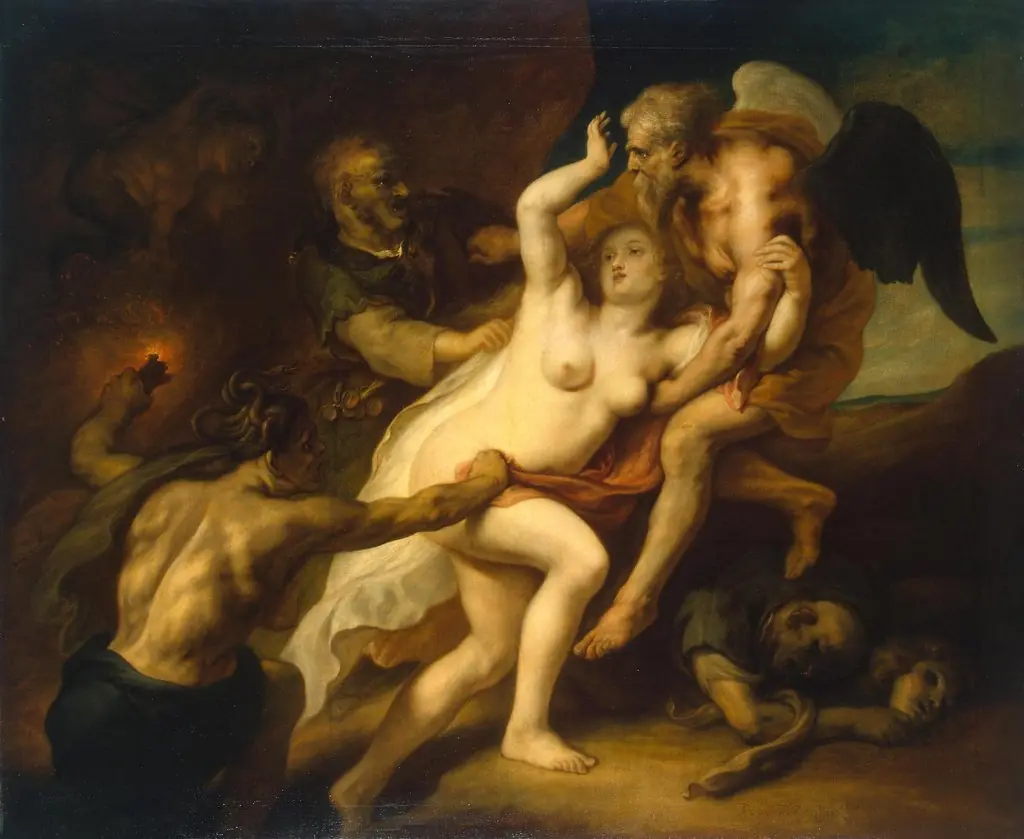 Time Reveals the Truth. The Allegory
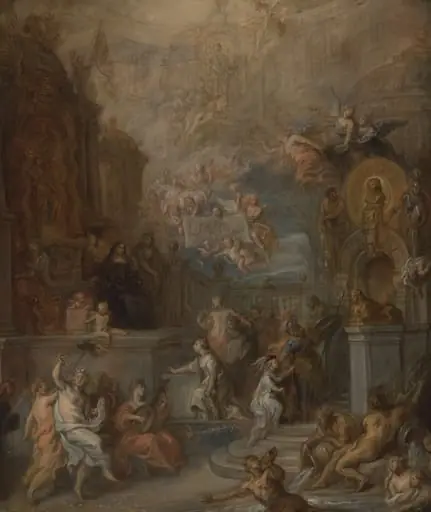 Allegory of the Farewell of William III from Amalia van Solms following the transfer of Regency to the States General
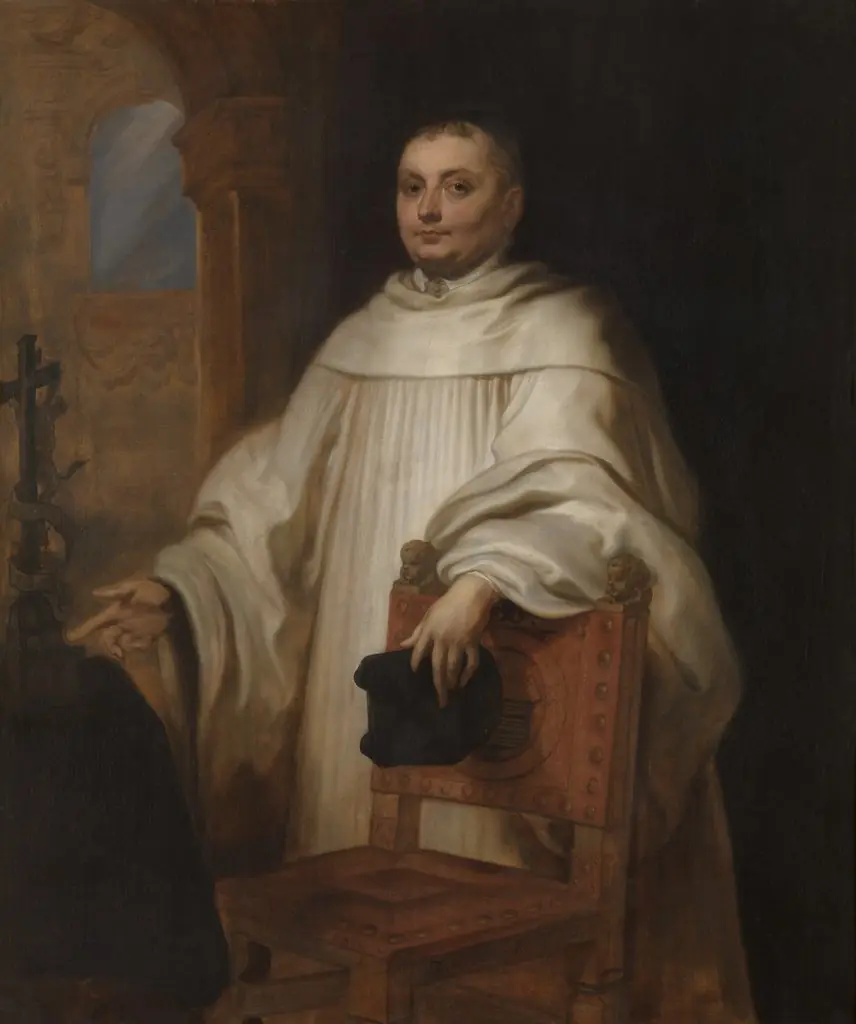 Benedictus van Thulden, prieur de l'abbé de Saint-Bernard
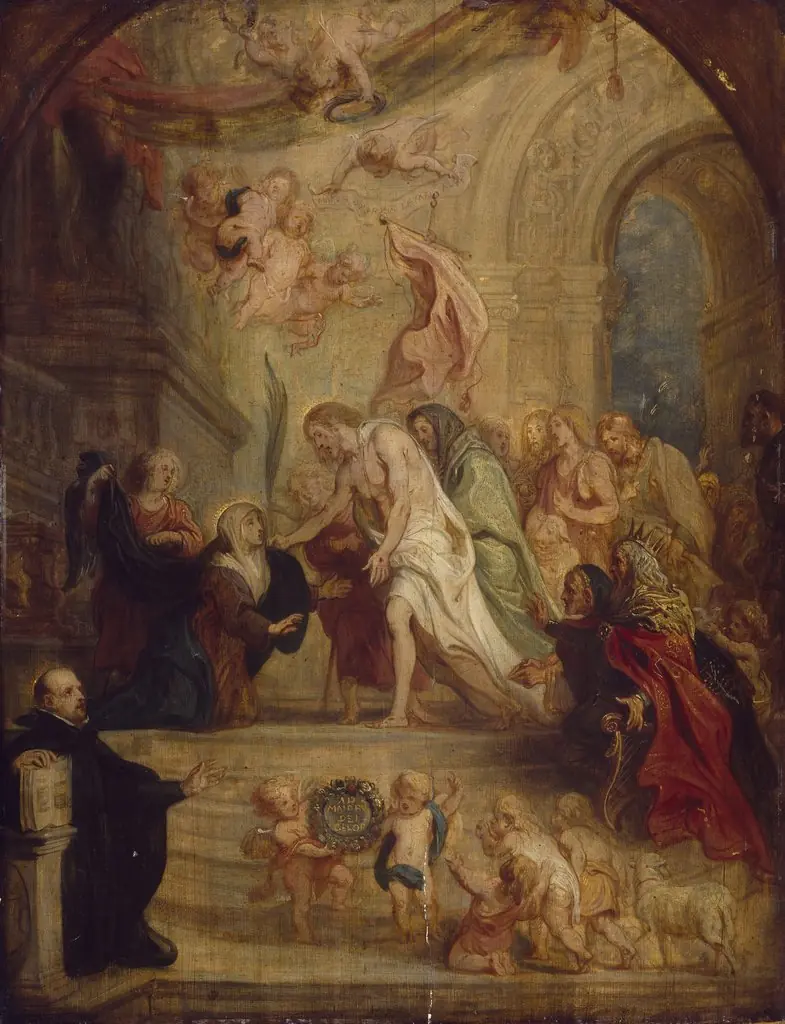 The Resurrected Christ Appearing to his Mother
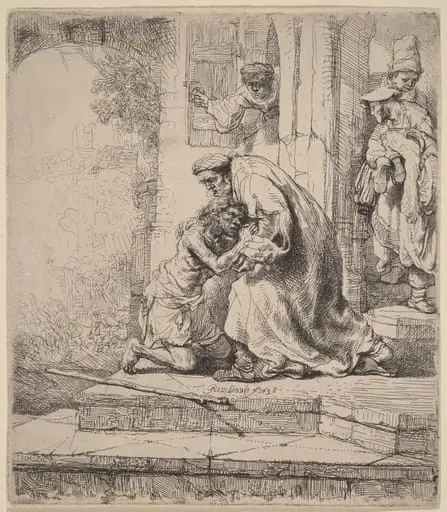 Return of the Prodigal Son
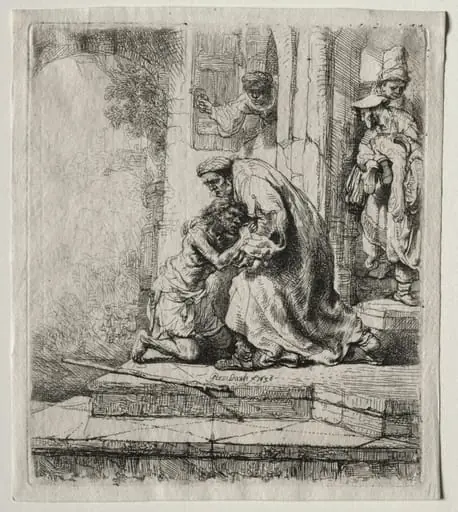 Return of the Prodigal Son
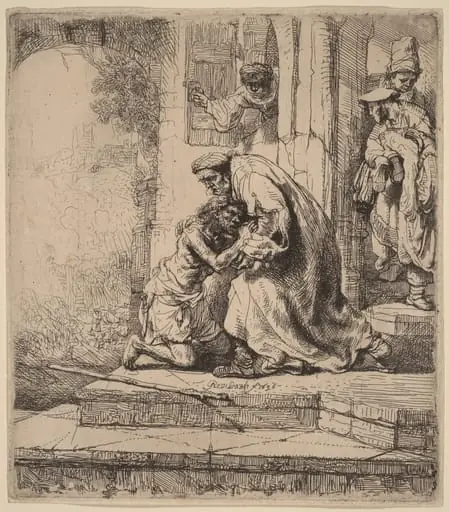 The Return of the Prodigal Son
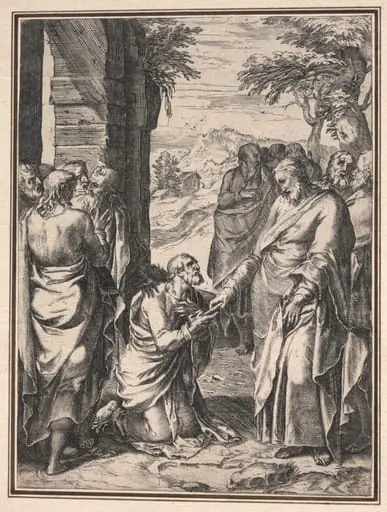 Copy of Cornelis Cort: Christ Giving the Key of the Church to Saint Peter
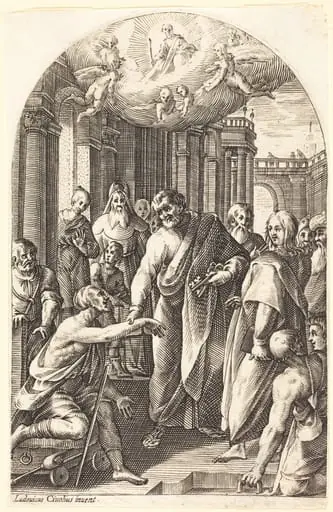 Peter and John Healing the Lame
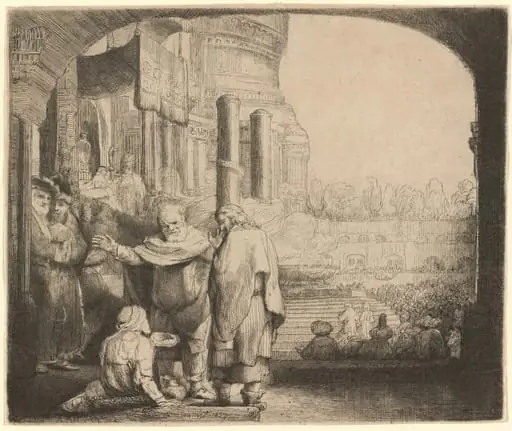 Peter and John Healing the Cripple at the Gate of the Temple
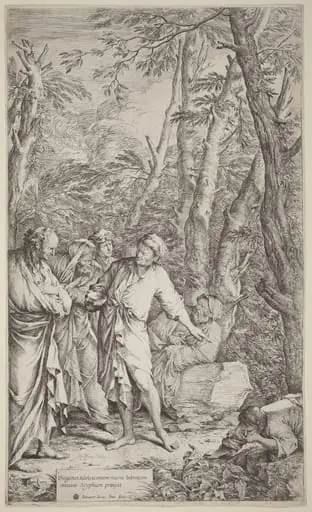 Diogenes Casting Away His Bowl
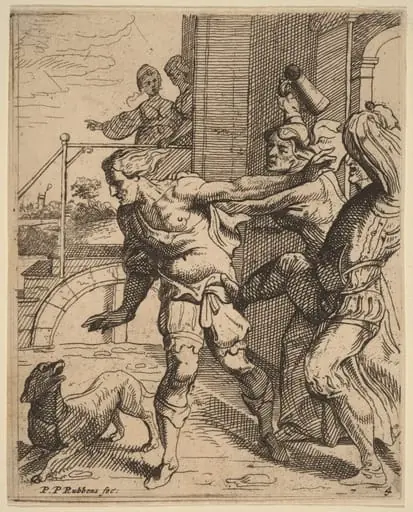 The Prodigal Son Driven from the Tavern
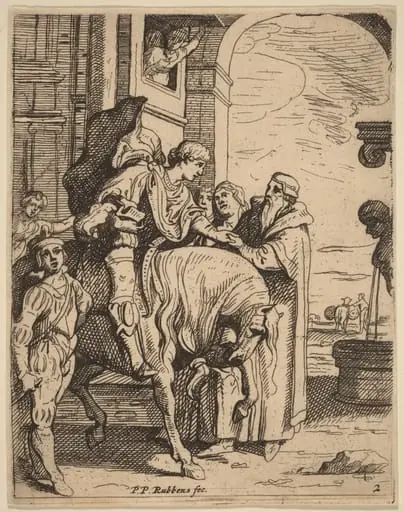 The Prodigal Son Bids Farewell to His Father