Artwork
Beggar Boy
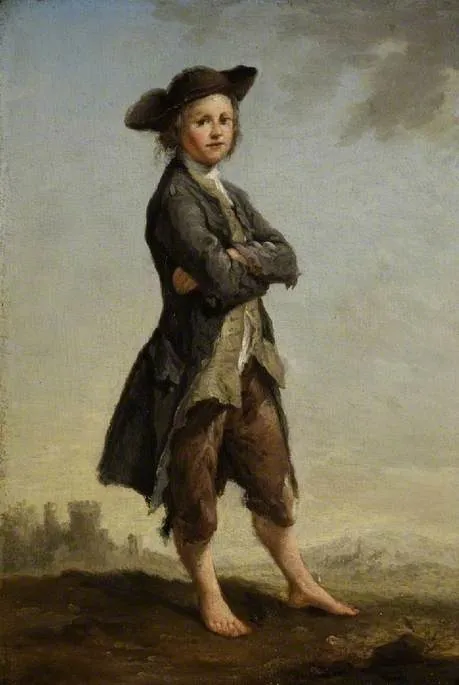
Beggar Boy is an oil painting by Étienne Jeaurat. It dates from 1749 and is held in the collection of the Fitzwilliam Museum.
About this work
Overview
Created circa 1749, *Beggar Boy* is an oil painting by French artist Étienne Jeaurat, whose oeuvre is noted for vivid portrayals of everyday urban scenes. The work is part of the Fitzwilliam Museum’s collection and exemplifies Jeaurat’s interest in the lives of ordinary people during the mid‑eighteenth century.
Subject & Meaning
The composition centers on a barefoot child standing on a patch of earth, clad in a threadbare coat, a white shirt and torn brown trousers. His crossed arms and solemn gaze meet the viewer directly, emphasizing the stark reality of poverty and the resilience of a youth confronting hardship in a muted urban setting.
Technique & Style
Jeauret employs oil on canvas with a restrained palette, allowing the soft, muted background to recede while the textured dirt and the boy’s ragged garments emerge in subtle contrast. The brushwork captures the roughness of the clothing and the delicate modeling of the face, balancing realism with a gentle, almost lyrical atmosphere.
History & Provenance
After its creation in the late 1740s, the painting entered various private collections before being acquired by the Fitzwilliam Museum, where it remains on display. Its provenance reflects the 19th‑century interest in genre scenes that documented social conditions in pre‑revolutionary France.
Artist & collection
Artist
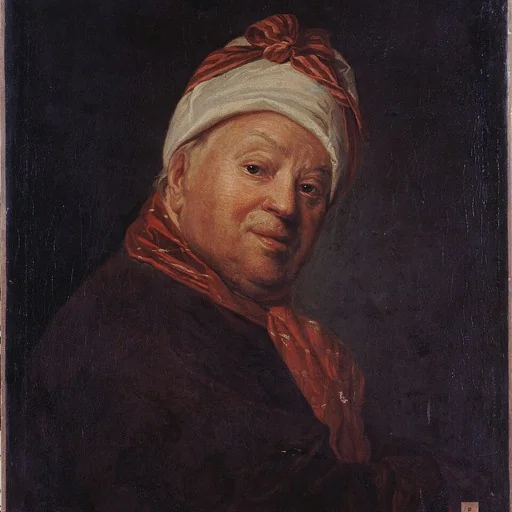
Étienne Jeaurat (9 February 1699 – 14 December 1789) was a French painter, above all remembered for his lively street scenes.

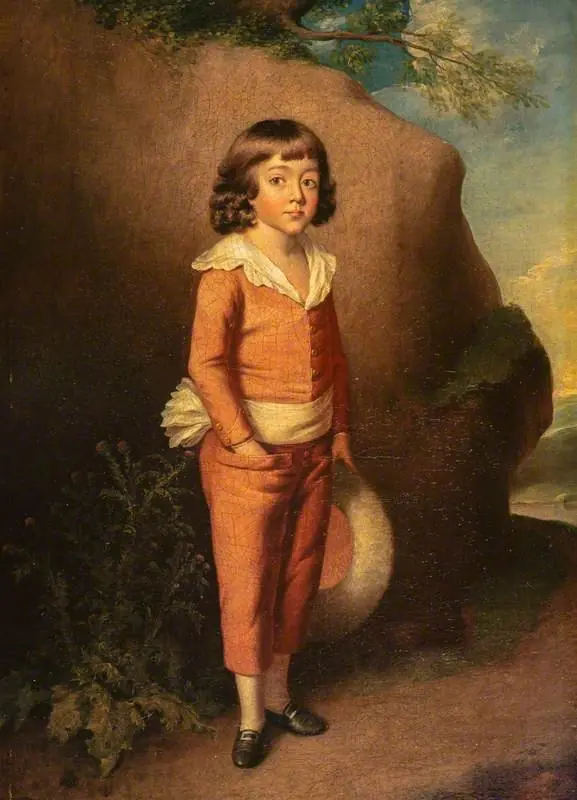 Stephen Henry Hough (1776 - after 1828)
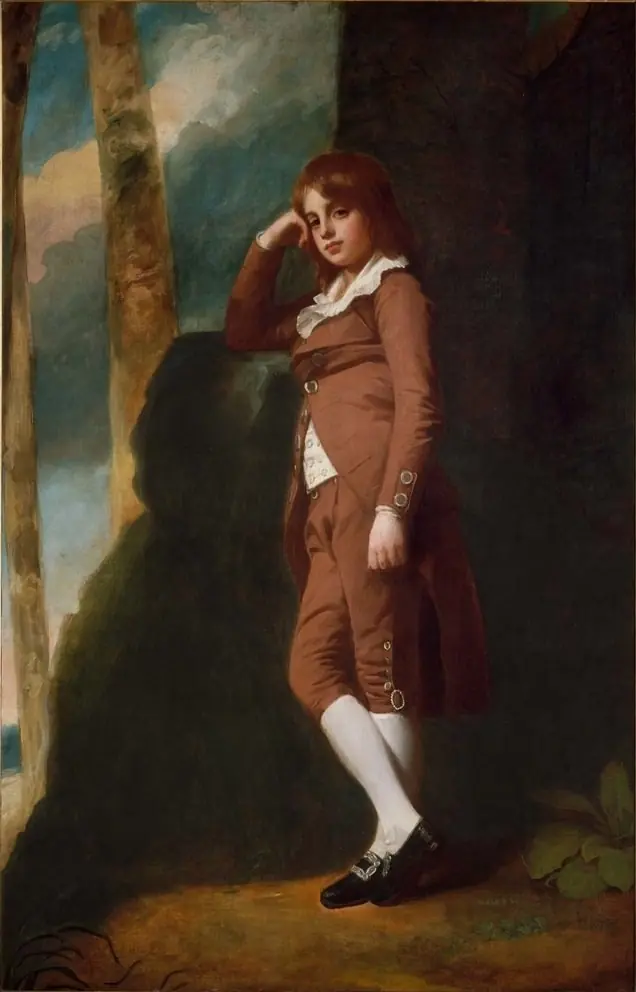 John Bensley Thornhill (1773–1841) as a Boy
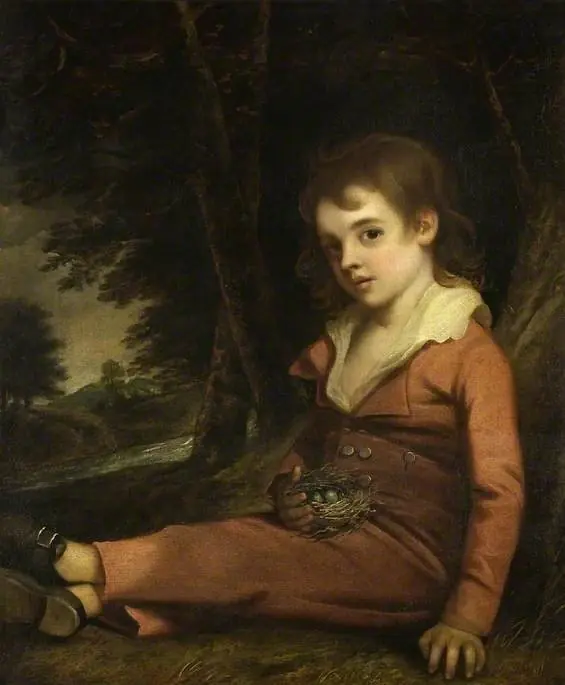 Boy with a bird's nest
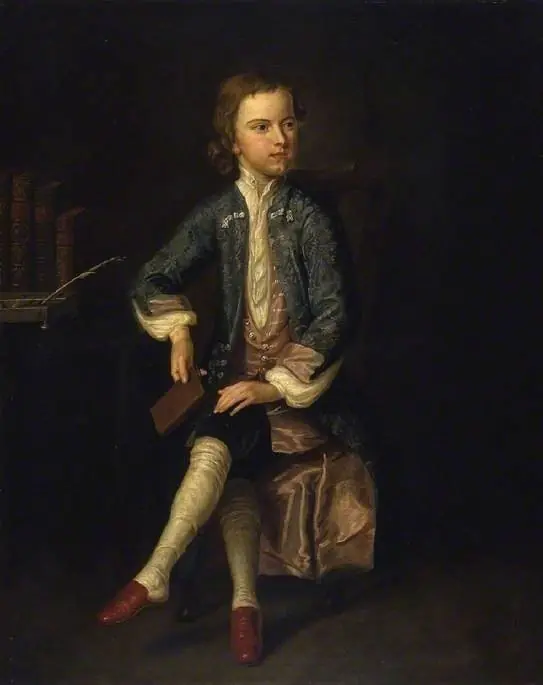 Thomas Gray
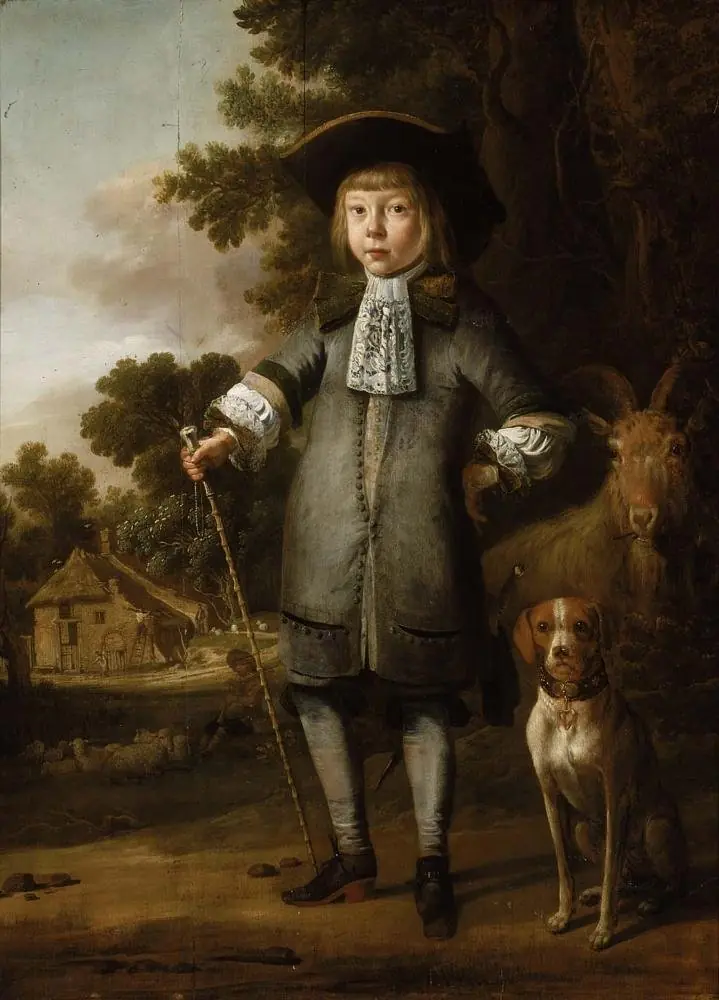 Portrait of a Boy
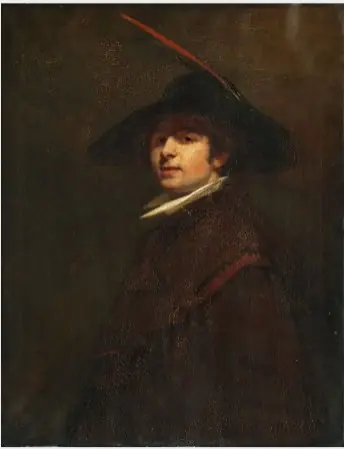 'The Masquerader' (A Self-Portrait)
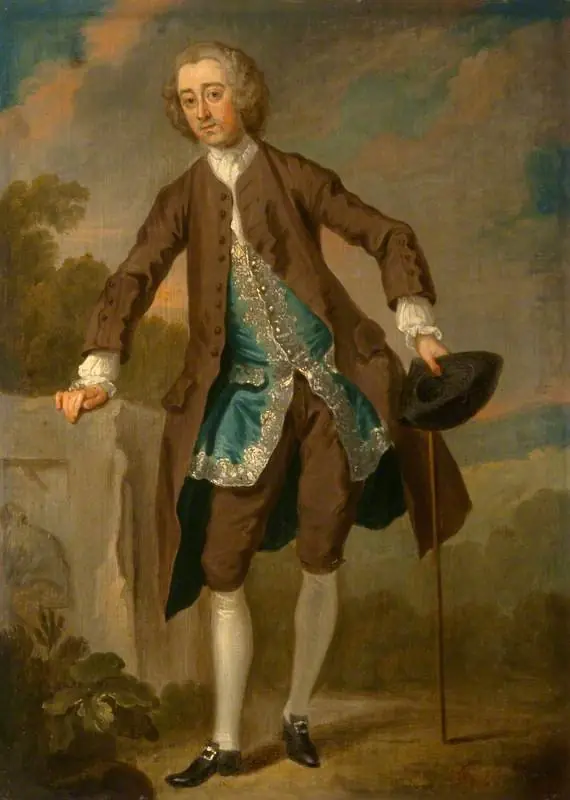 Gustavus Hamilton, 2nd Viscount Boyne (1710 - 1746)
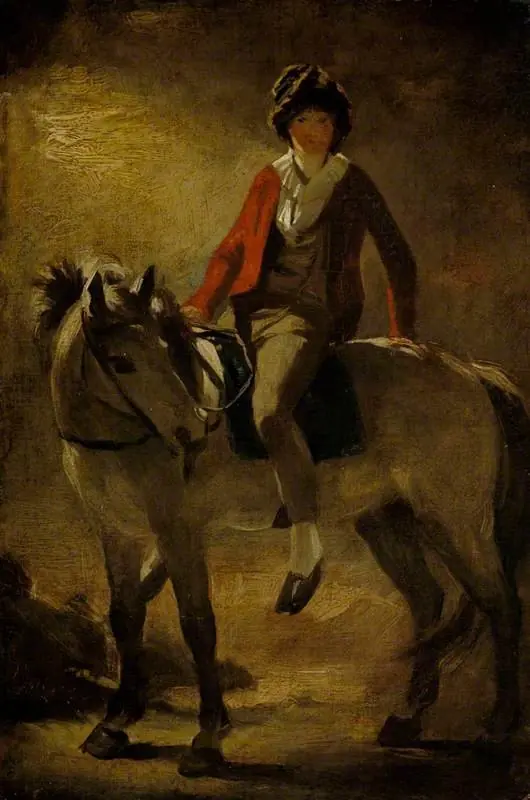 Henry Raeburn (1784 - 1863) on a Grey Pony
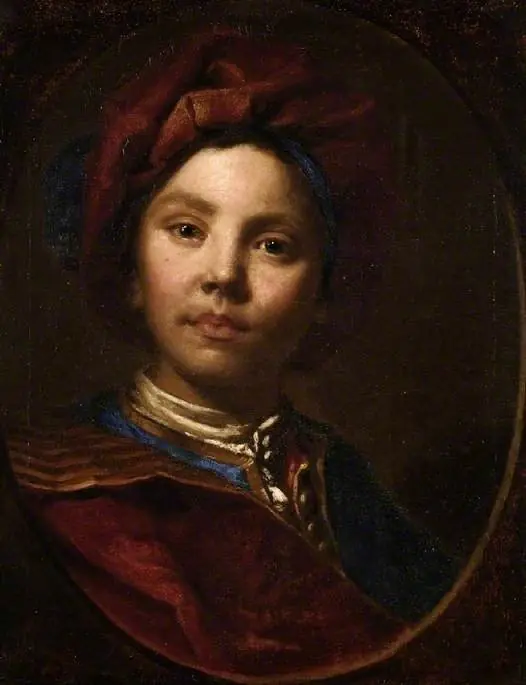 Boy in red
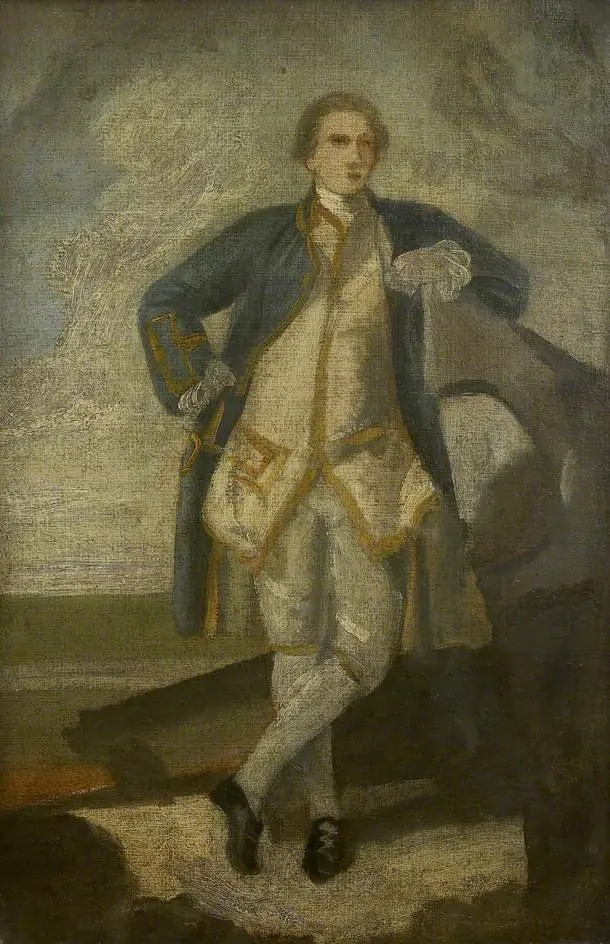 Sketch for a Portrait of Captain Philemon Pownall, RN
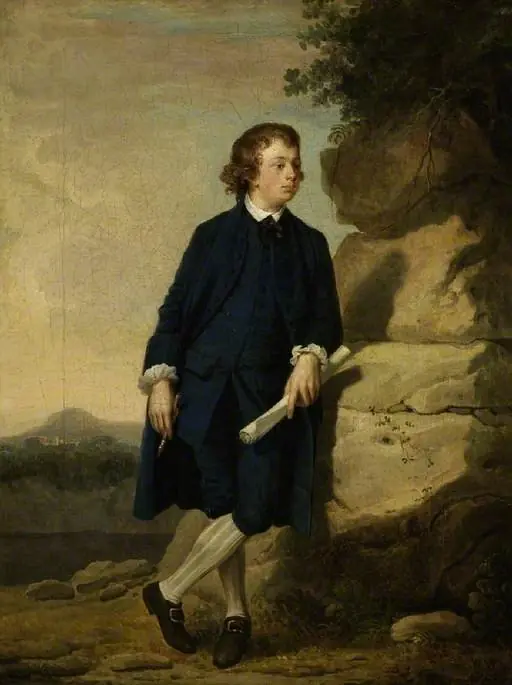 A young draughtsman (1767)