Artwork
Respiratory system
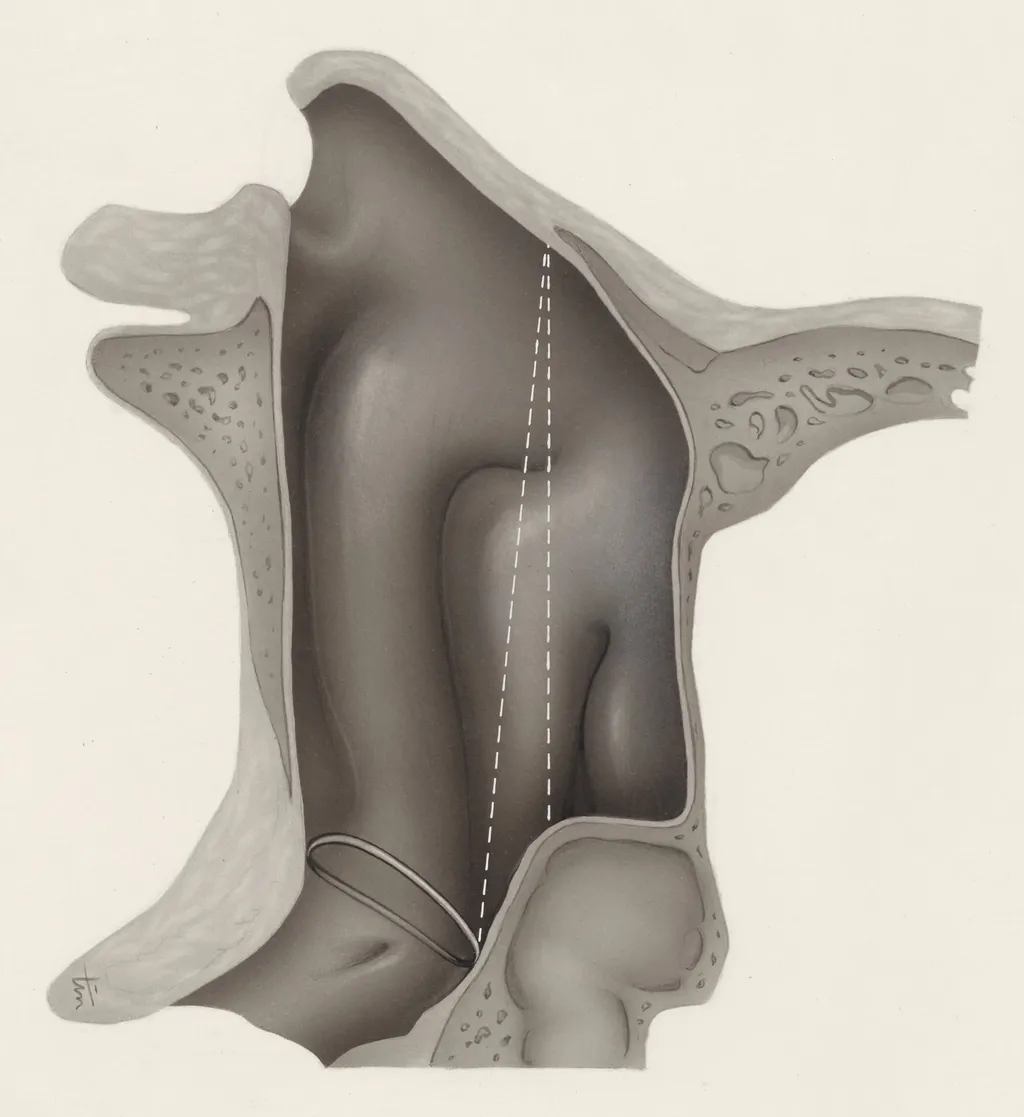
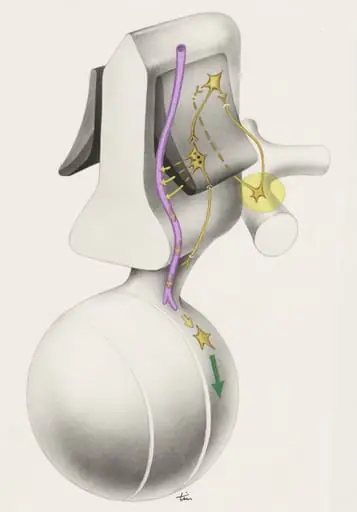
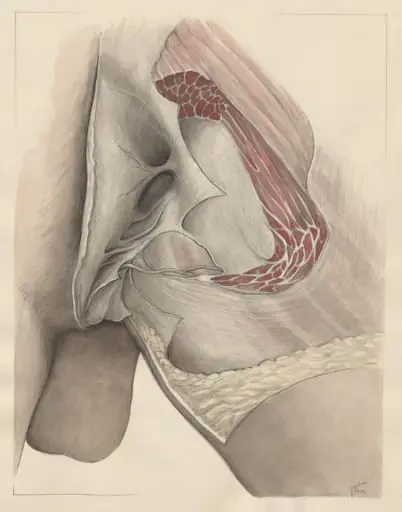
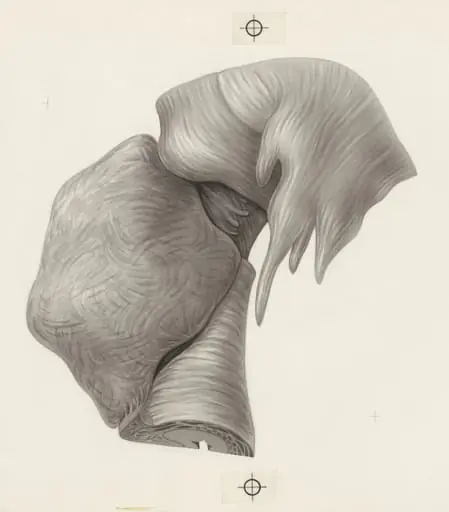
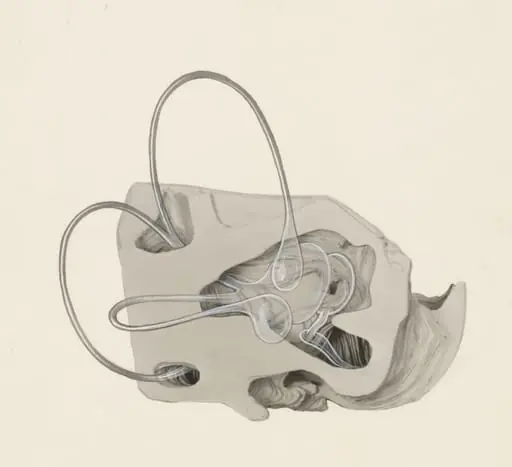
Respiratory system is an unspecified work on paper by J Tinkelenberg. It dates from 1970 and is held in the collection of the Leiden University Libraries.
About this work
Overview
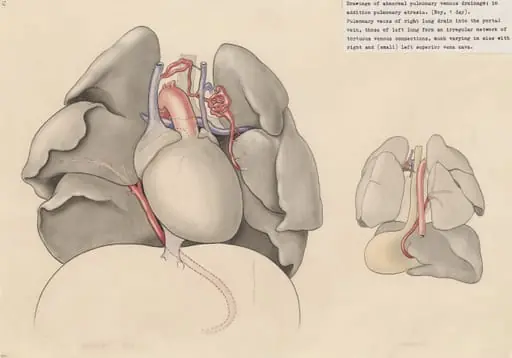
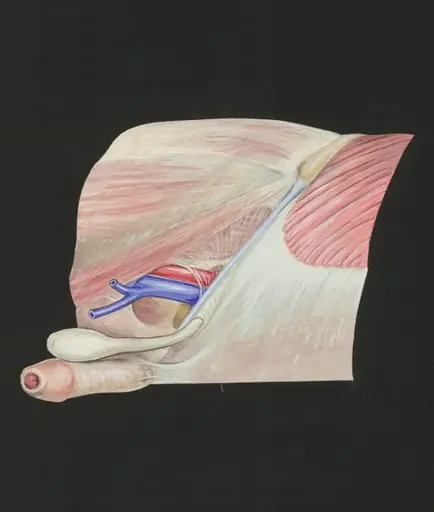
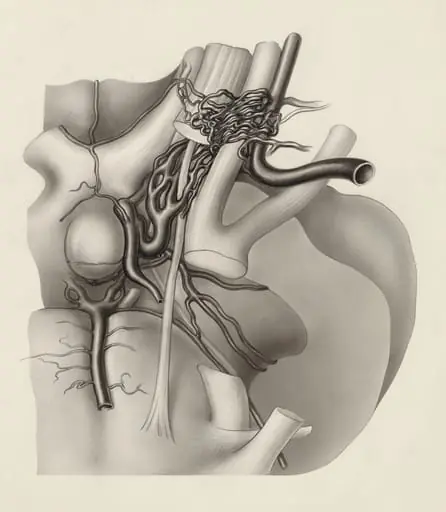
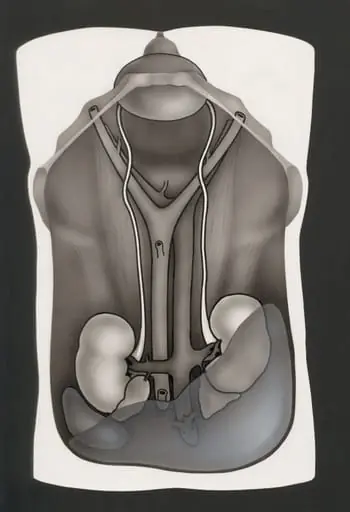
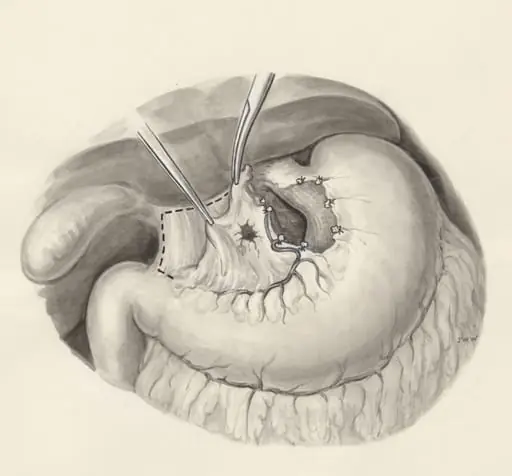
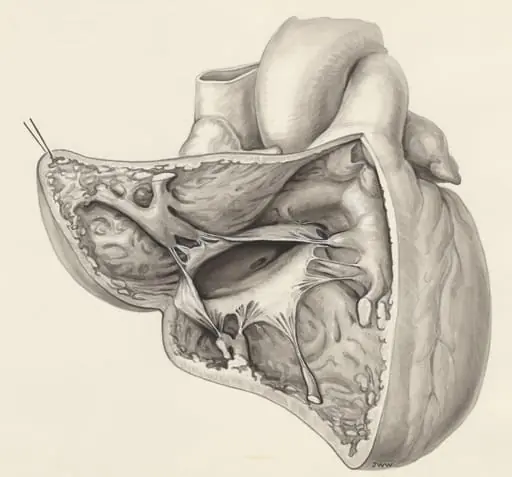
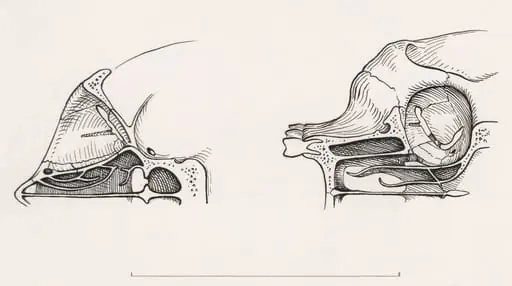
A watercolor illustration depicts the human respiratory system with delicate precision. Grey washes establish the form of the lungs and bronchial branches, while white gouache highlights finer airway structures. The medium’s transparency lends a fragile, ethereal quality, distinguishing it from clinical anatomical drawings.
Subject & Meaning
The image focuses on the branching network of airways within the lungs, emphasizing their intricate, tree-like architecture. It conveys the physiological function of gas exchange not through labels or color coding, but through subtle tonal variation and fine linework, inviting contemplation of the body’s internal complexity.
Technique & Style
The artist employed layered watercolor techniques: a soft grey wash for volume and shadow, then precise white gouache strokes to define the smallest bronchioles. This combination creates contrast without harshness, mimicking the way light interacts with moist, porous tissue. The hand-rendered lines suggest observational accuracy over idealized form.
History & Provenance
The work is associated with the Museum of Ethnography, suggesting it may have been produced for educational or anthropological purposes. Its style aligns with 19th-century scientific illustration traditions, where anatomical accuracy was pursued through manual rendering rather than photographic reproduction.
Context
Created during a period when anatomical knowledge was expanding through direct observation, this piece reflects a shift toward visual documentation in medical education. Unlike printed textbooks, its handmade quality allowed for nuanced rendering of soft tissue, bridging art and science in pre-photographic scholarship.
Legacy
The illustration endures as an example of pre-modern medical visualization, valued for its tactile sensitivity to biological form. Its quiet aesthetic distinguishes it from later, more standardized diagrams, preserving a human hand’s role in interpreting the body’s inner landscape.
Artist & collection
Artist
This artist carved and painted the hidden systems we carry inside. Their sculptures trace the bend and flow of joints and veins in delicate wire or clay, while watercolors map the first threads of life in an embryo.…