Artwork
Nerves and other tissue of the neck and/or head
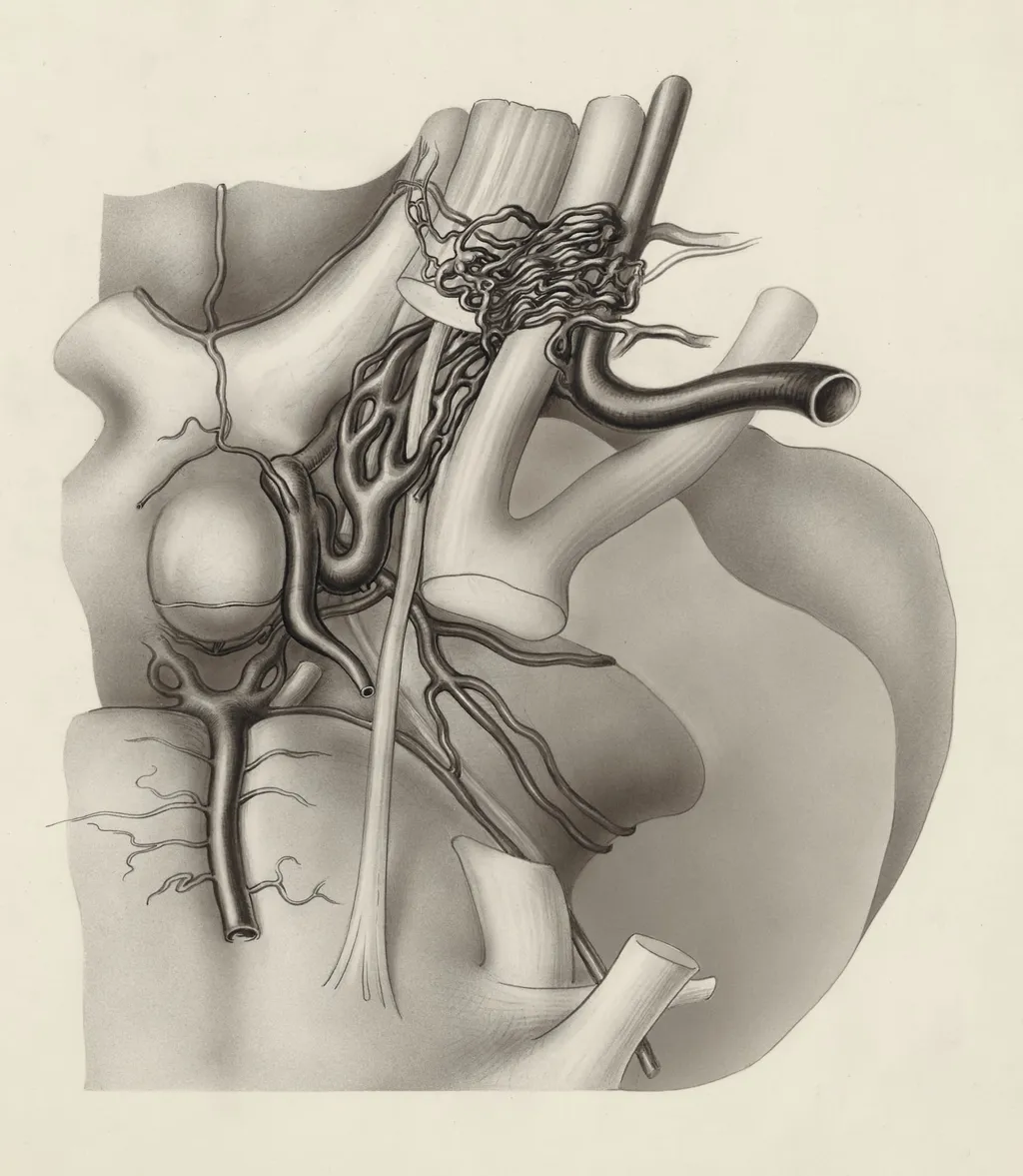
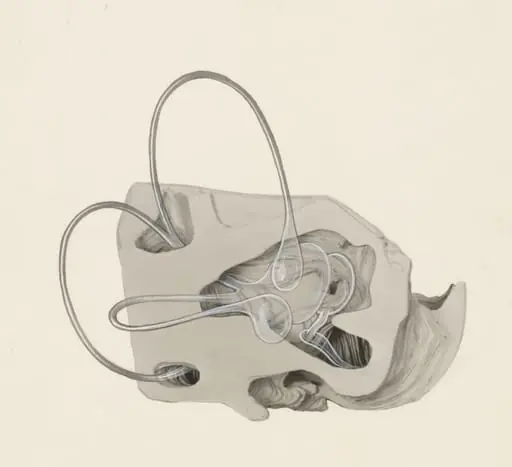
Nerves and other tissue of the neck and/or head is a drawing by J Tinkelenberg. It dates from 1963 and is held in the collection of the Leiden University Libraries. Created in 1963 by J.
About this work
Overview
The image reflects a scientific approach to visualizing human anatomy, typical of mid-20th-century medical illustration.
Created in 1963 by J. Tinkelenberg, this anatomical drawing depicts the complex network of nerves and soft tissues in the neck and head. Executed in ink on paper, the work is part of the Museum of Ethnography’s collection. Its purpose appears to be educational, capturing structural detail with precision rather than artistic expression. The image reflects a scientific approach to visualizing human anatomy, typical of mid-20th-century medical illustration.
Subject & Meaning
The drawing focuses on the intricate arrangement of cranial and cervical nerves, blood vessels, and connective tissues. It does not idealize or simplify; instead, it presents a layered, almost chaotic realism that mirrors the biological complexity of the region. The absence of skin or external features emphasizes internal structure, suggesting its use as a reference for medical training or research rather than public display.
Technique & Style
The artist employs cross-hatching extensively to model form and suggest depth. Fine, intersecting lines build up gradients of tone, defining the contours of nerves and the density of surrounding tissue. The precision of each stroke indicates careful observation and deliberate mark-making. The style is restrained, avoiding ornamentation, and prioritizes clarity and legibility over aesthetic flourish.
History & Provenance
The work was produced in 1963 and entered the collection of the Museum of Ethnography shortly thereafter. Its presence in an ethnographic institution, rather than a medical museum, suggests it may have been collected as part of a broader interest in visual representations of the human body across cultures or disciplines. No further documentation of its commission or original use has been publicly recorded.
Context
In the early 1960s, anatomical illustration remained a vital tool in medical education, especially before widespread photographic documentation. Tinkelenberg’s drawing aligns with a tradition of hand-drawn scientific imagery that valued manual skill and interpretive accuracy. Its inclusion in an ethnographic context may reflect a growing interest in how different societies visualize and understand the body.
Legacy
While not widely published or exhibited, the drawing endures as a quiet example of mid-century medical illustration. It contributes to the historical record of how anatomical knowledge was visually transmitted before digital imaging. Its preservation in an ethnographic museum underscores the interdisciplinary value of such works, bridging science and cultural representation.
Artist & collection
Artist
This artist carved and painted the hidden systems we carry inside. Their sculptures trace the bend and flow of joints and veins in delicate wire or clay, while watercolors map the first threads of life in an embryo.…
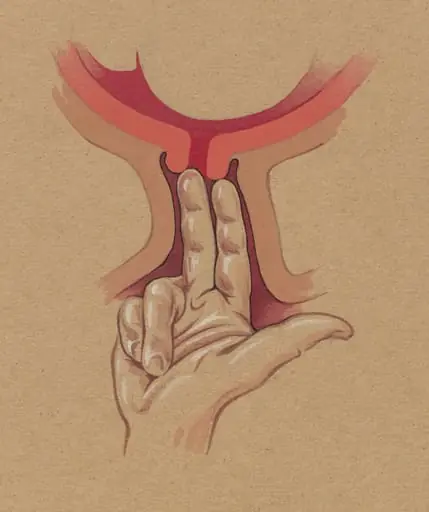
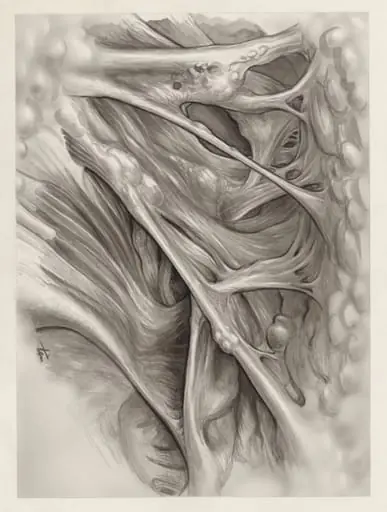 Muscular tissue of the hand or fingers
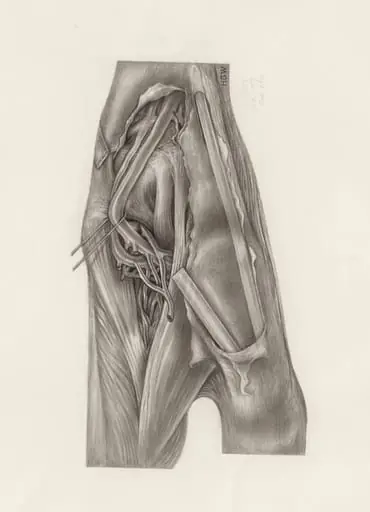 Muscular tissue of the upper extremities
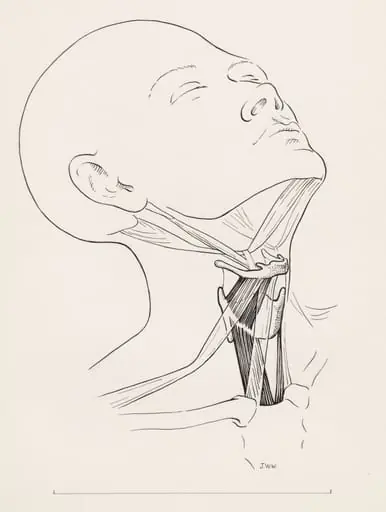 Muscular tissue of the human neck
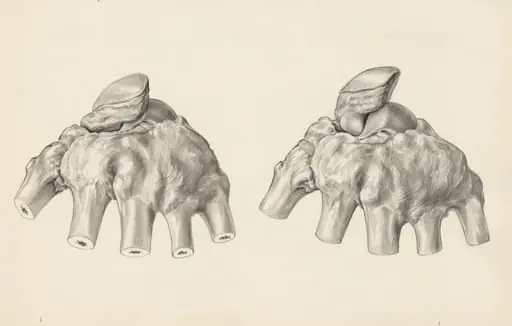 Musculoskeletal system of the hand
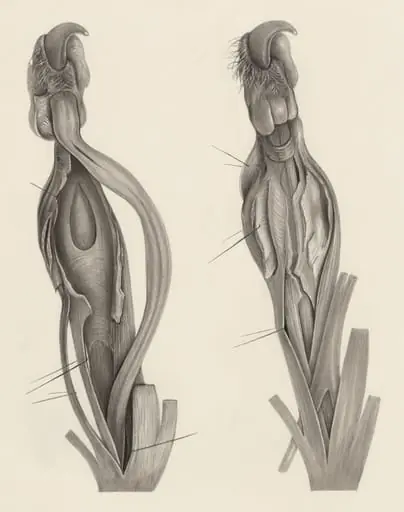 Muscular tissue of an animal paw
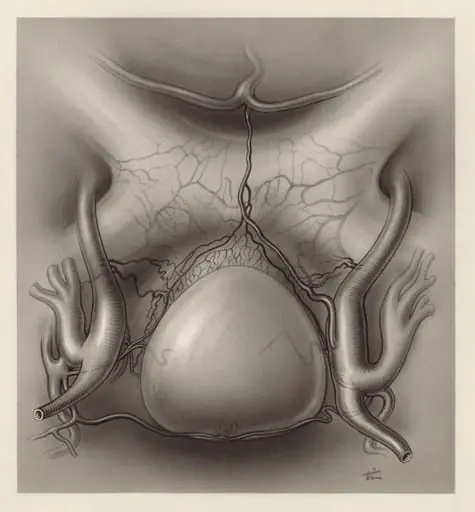 Circulatory system of the throat
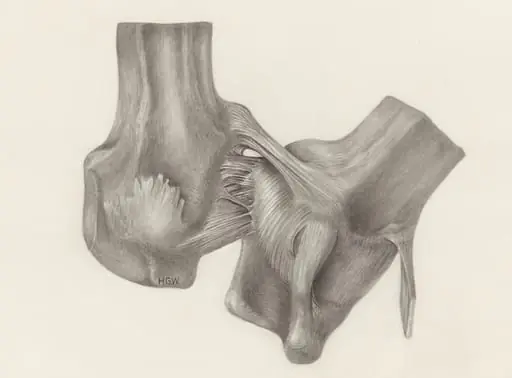 Muscular tissue of a mammal's upper extremities
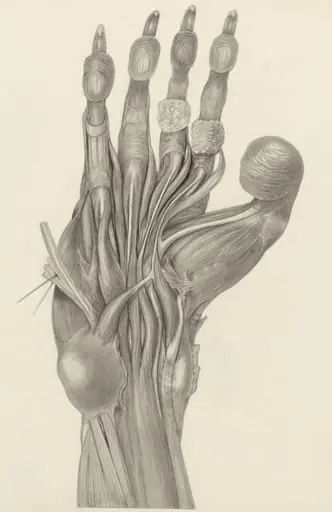 Muscular tissue of the claw of a mammal
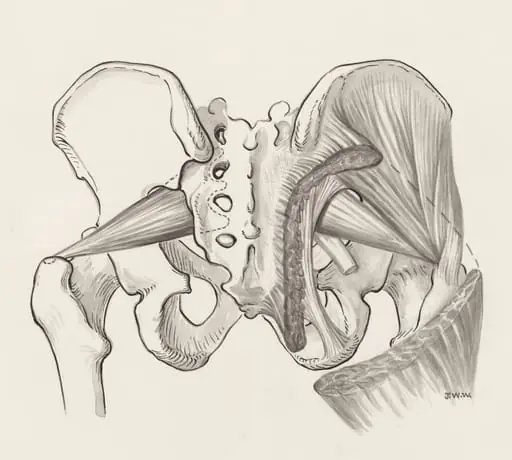 Muscular tissue of the pelvis
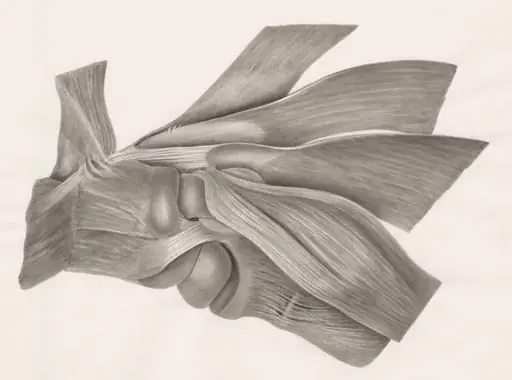 Muscular tissue