Artwork
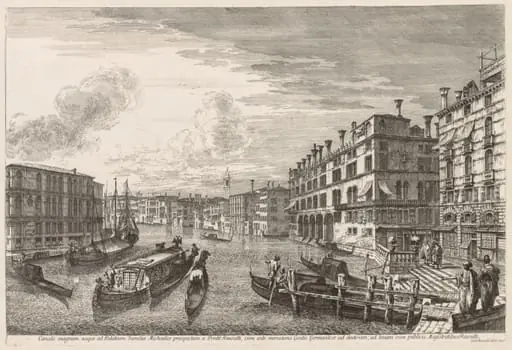
The Grand Canal Looking Toward the Salute and the Dogana
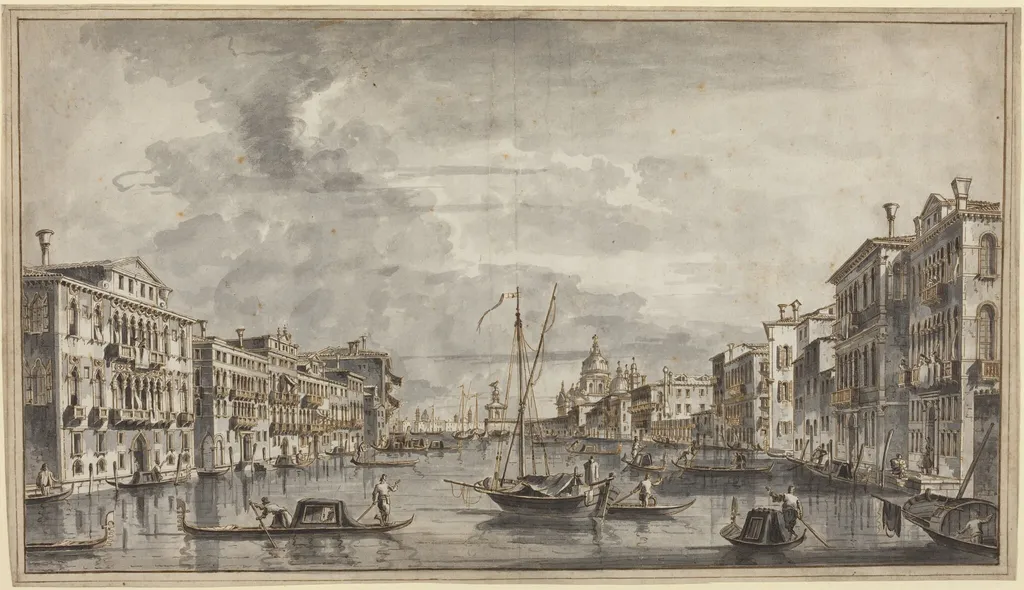
The Grand Canal Looking Toward the Salute and the Dogana is an ink drawing by the Romanticist artist Francesco Tironi. It dates from 1774 and is held in the collection of the National Gallery of Art.
About this work
Overview
The composition emphasizes horizontal lines and restrained movement, reflecting the calm rhythm of canal life in late 18th-century Venice.
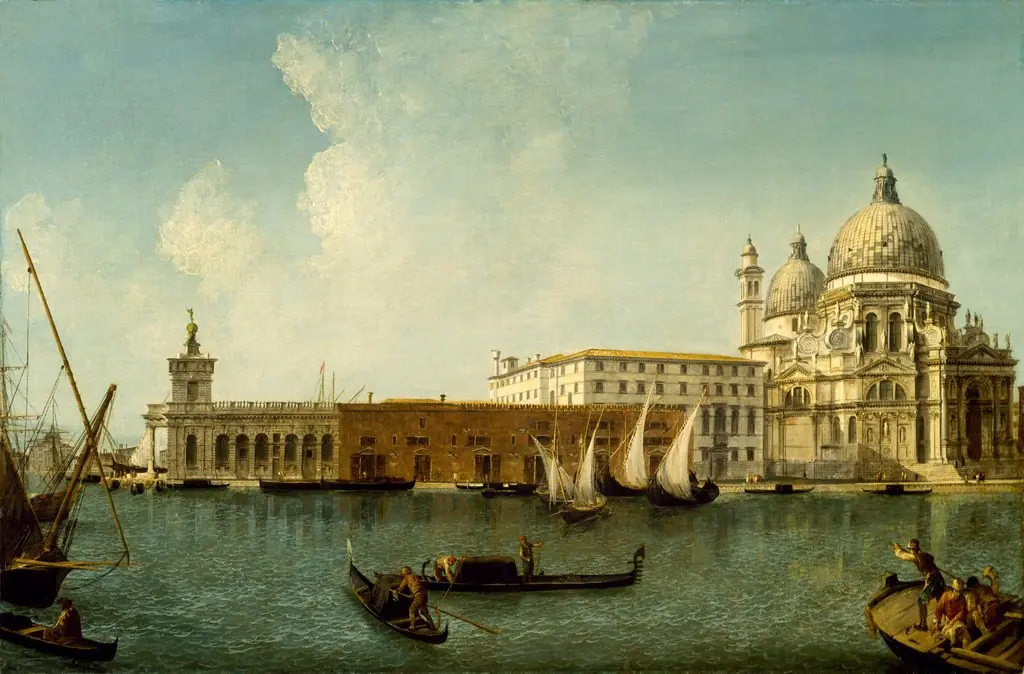
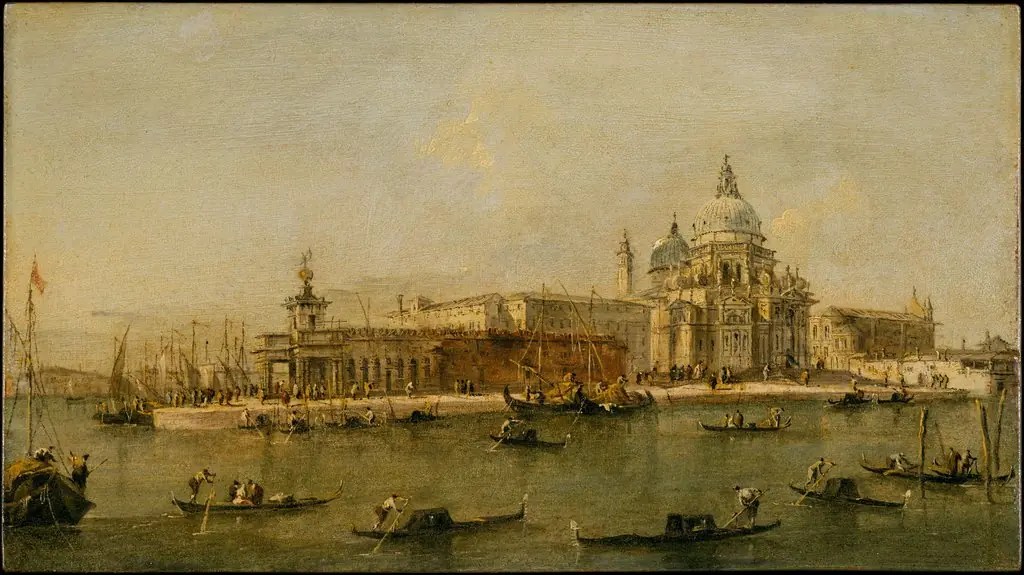
Created around 1774, this ink and wash drawing by Francesco Tironi captures a quiet stretch of Venice’s Grand Canal, viewed from near the Salute church and the Dogana da Mar. Executed on laid paper, the work uses subtle tonal gradations to convey depth and atmosphere. The composition emphasizes horizontal lines and restrained movement, reflecting the calm rhythm of canal life in late 18th-century Venice.
Subject & Meaning
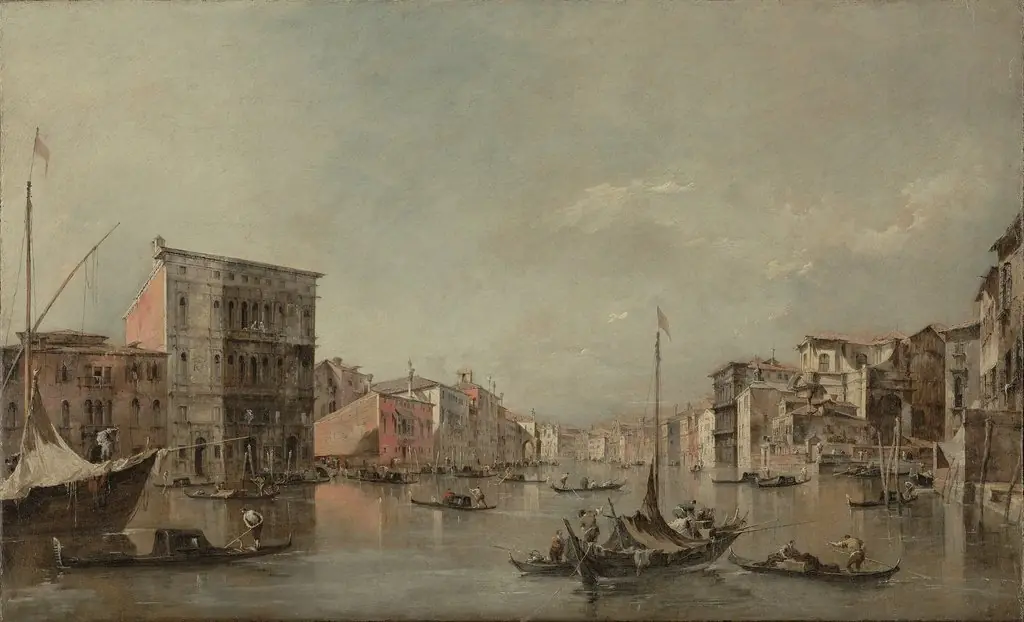
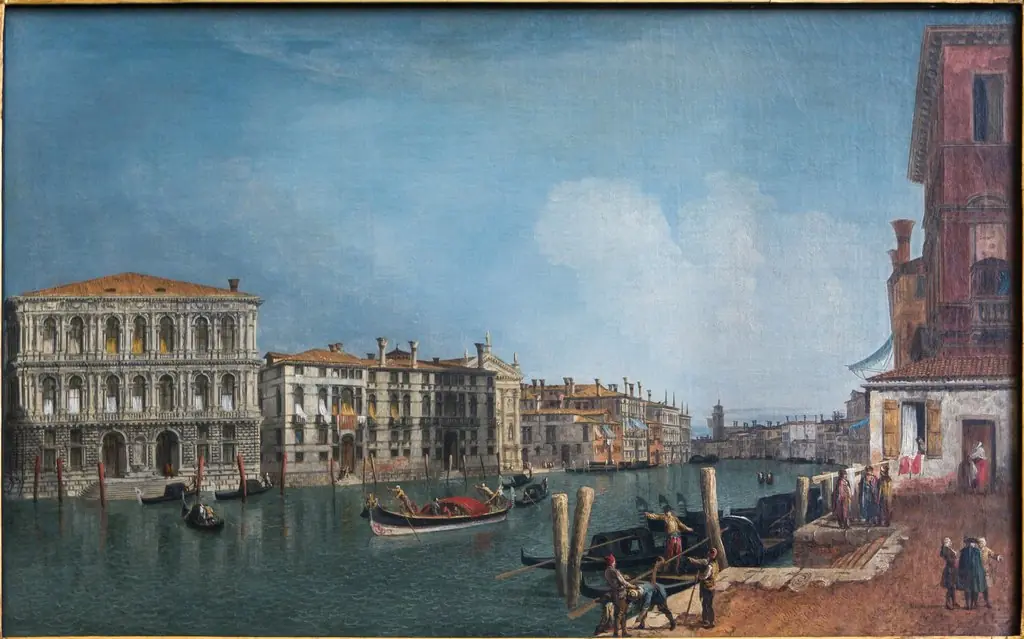
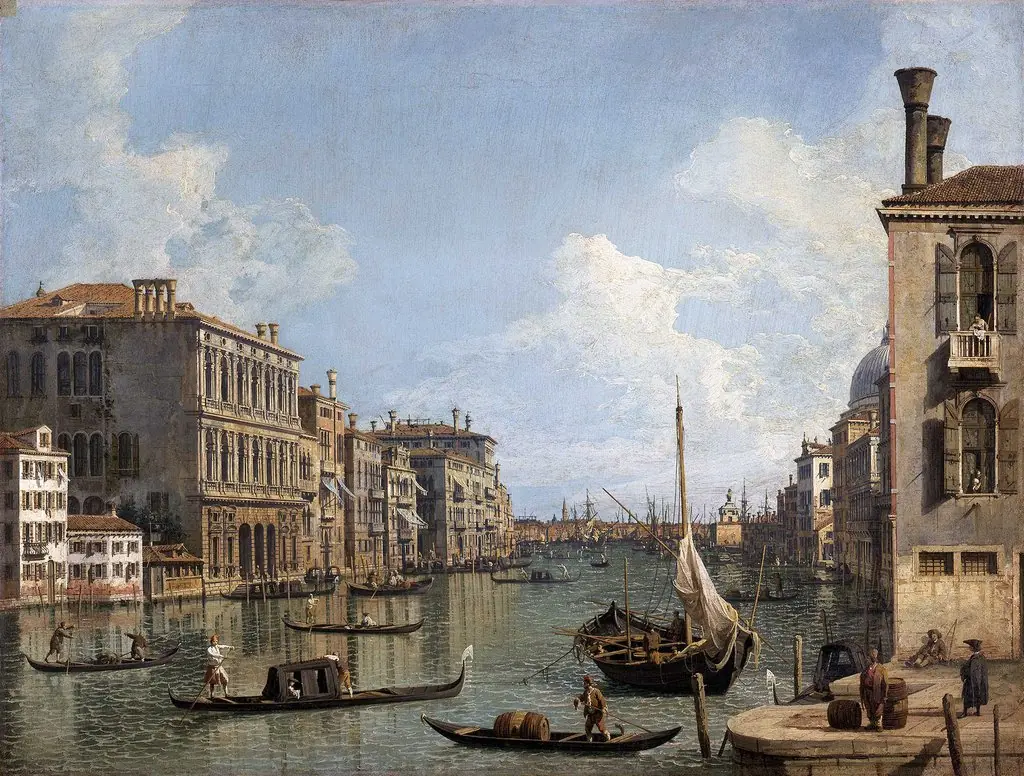
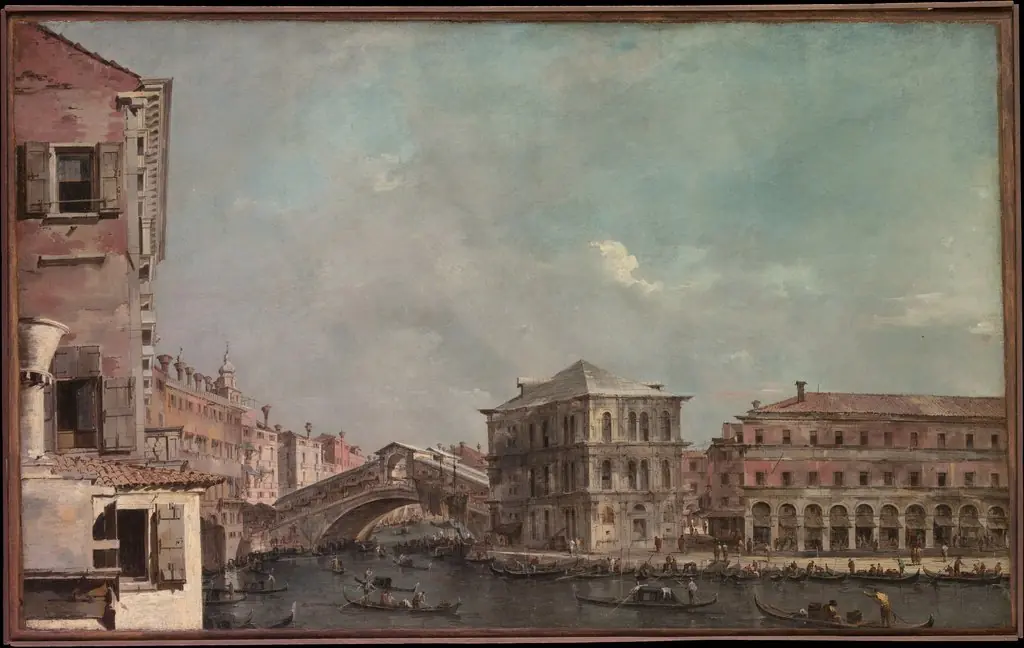
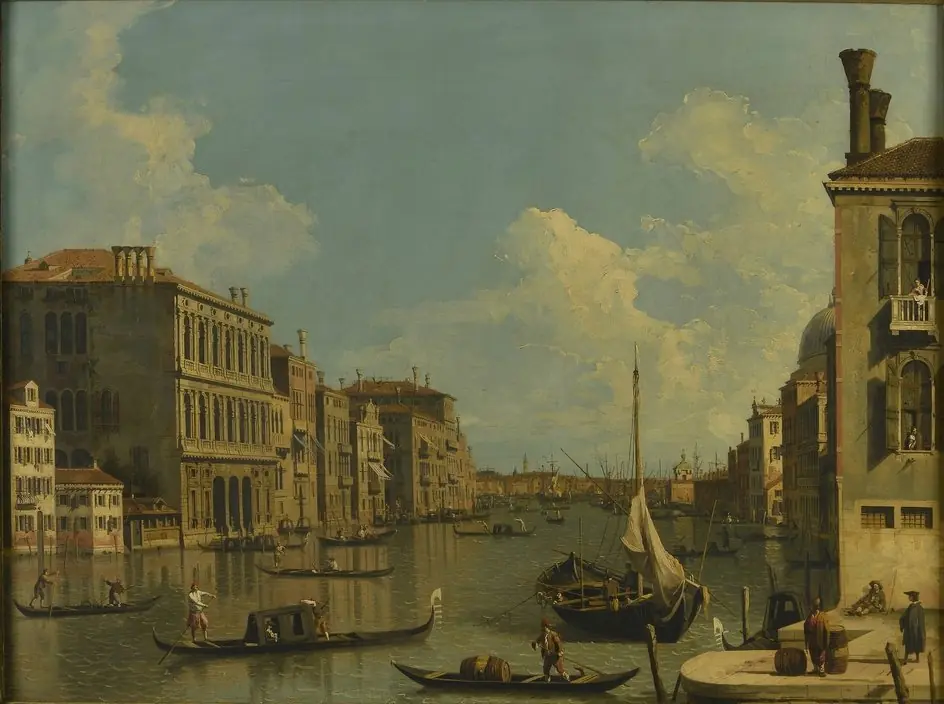
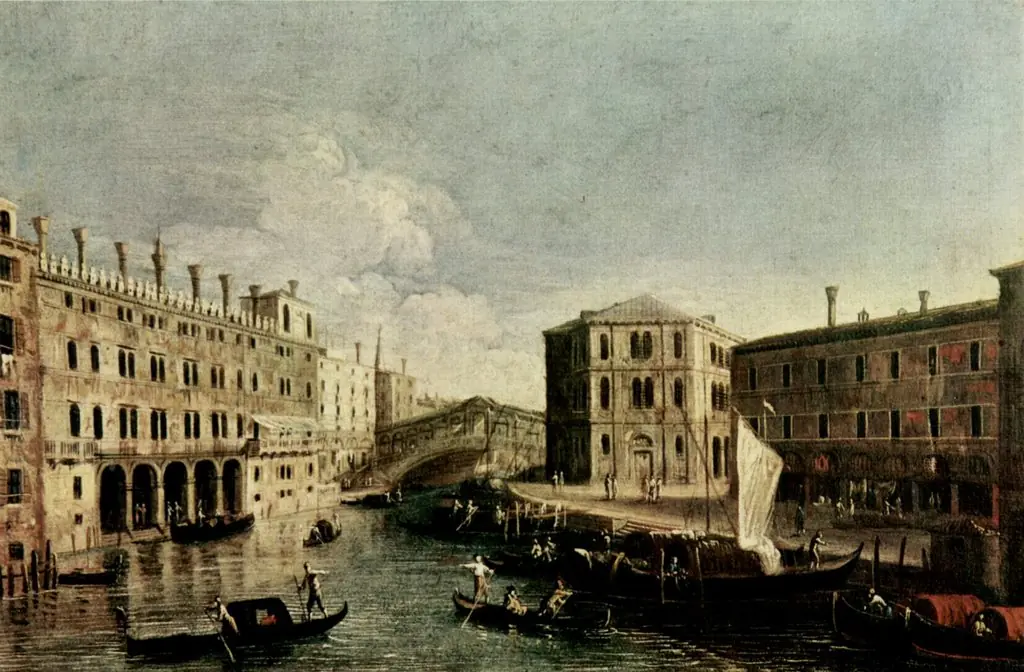
The scene depicts the canal as a working waterway, with gondolas and small boats propelled by long poles, their occupants engaged in daily tasks. The architecture—pale facades with arched windows, balconies, and a distant dome—anchors the view in Venice’s urban fabric. No grand events are shown; instead, the quietude suggests an ordinary, enduring rhythm of life, free from theatricality or spectacle.
Technique & Style
Tironi employed pen and brown ink with gray wash to model form and suggest atmospheric haze. Soft, layered washes create muted tones across buildings and water, while delicate cross-hatching defines shadows and texture without harsh lines. The paper’s texture subtly interacts with the ink, enhancing the sense of age and quiet decay. The effect is one of gentle realism, prioritizing mood over precise detail.
History & Provenance
The drawing is attributed to Francesco Tironi, an Italian artist active in Venice during the latter half of the 18th century. While little is documented about his life, his surviving works often depict Venetian views with a restrained, topographical precision. This piece likely originated as a study or personal record, later entering institutional collections through private acquisitions or bequests.
Context
In the 1770s, Venice’s economic prominence had waned, yet its visual identity remained a subject of quiet fascination. Artists like Tironi documented the city’s architecture and waterways not as monuments, but as lived environments. This drawing aligns with a broader trend of observational drawing among Venetian artists, who favored understated scenes over the grandeur of earlier vedute traditions.
Legacy
Tironi’s work contributes to a lesser-known but persistent strand of Venetian drawing that valued observation over spectacle. Though not widely exhibited during his lifetime, such drawings now serve as valuable records of urban texture and daily life in a city undergoing quiet transformation. His approach influenced later topographical artists who sought authenticity in everyday views.
Artist & collection