Artwork
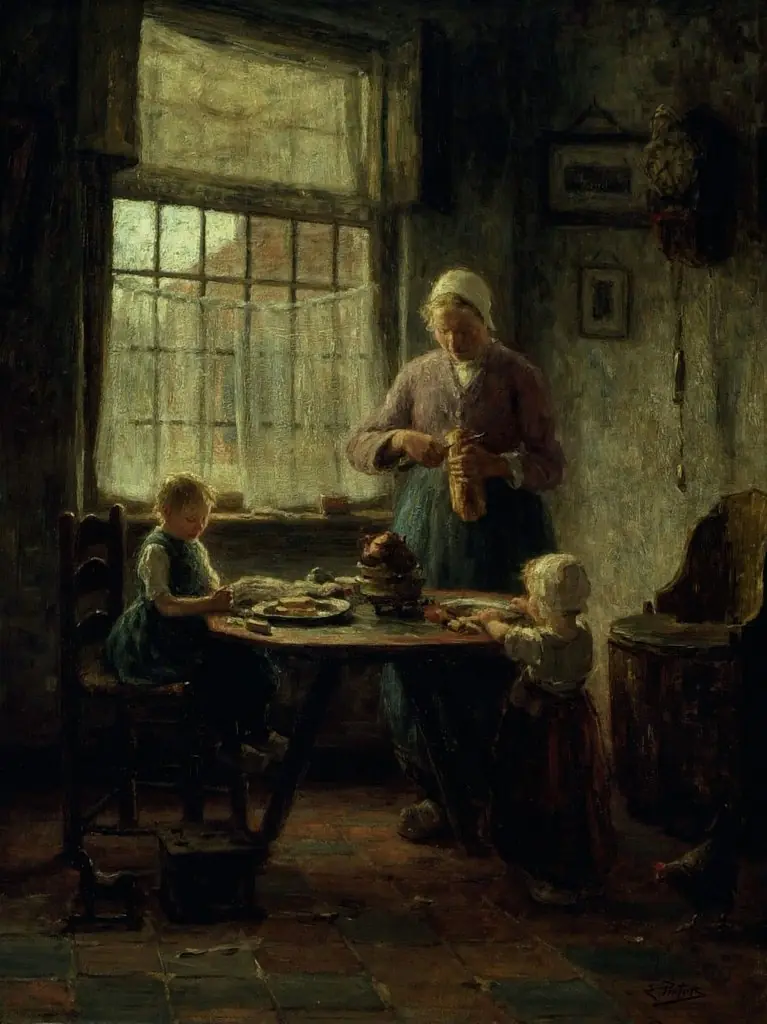
Poor Woman's Home
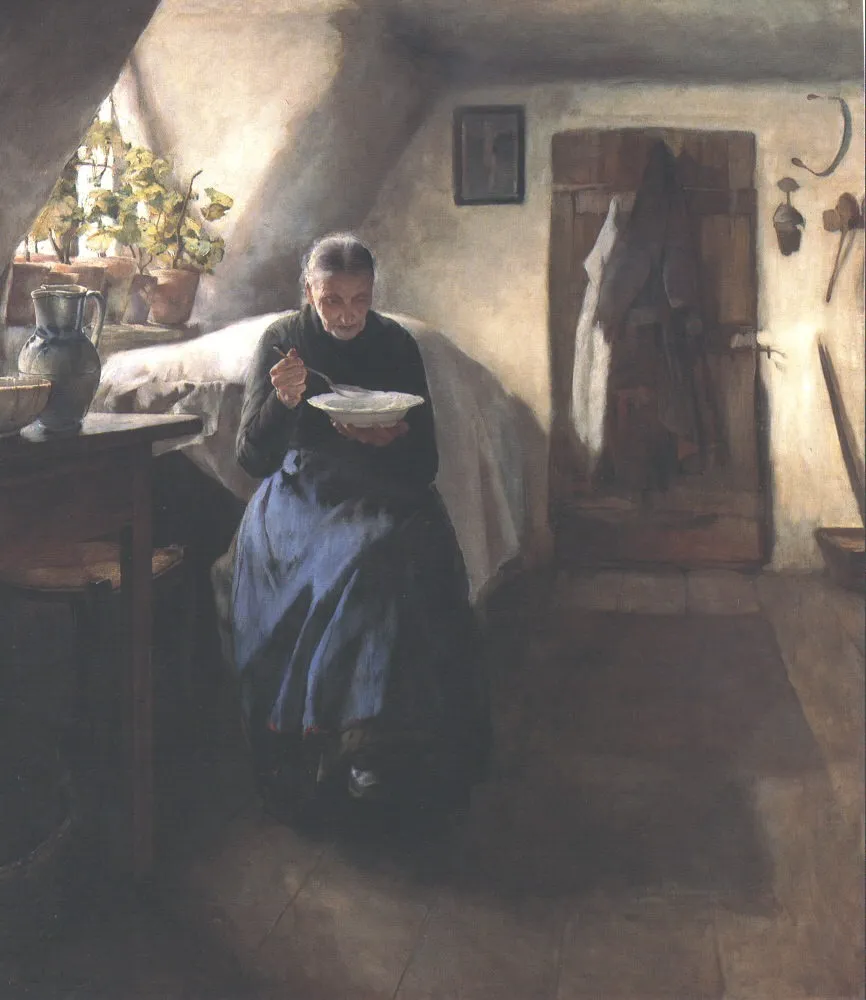
Poor Woman's Home is an oil painting by the Post-Impressionist artist Tivadar Zemplényi. It dates from 1898 and is held in the collection of the Hungarian National Gallery.
About this work
Overview
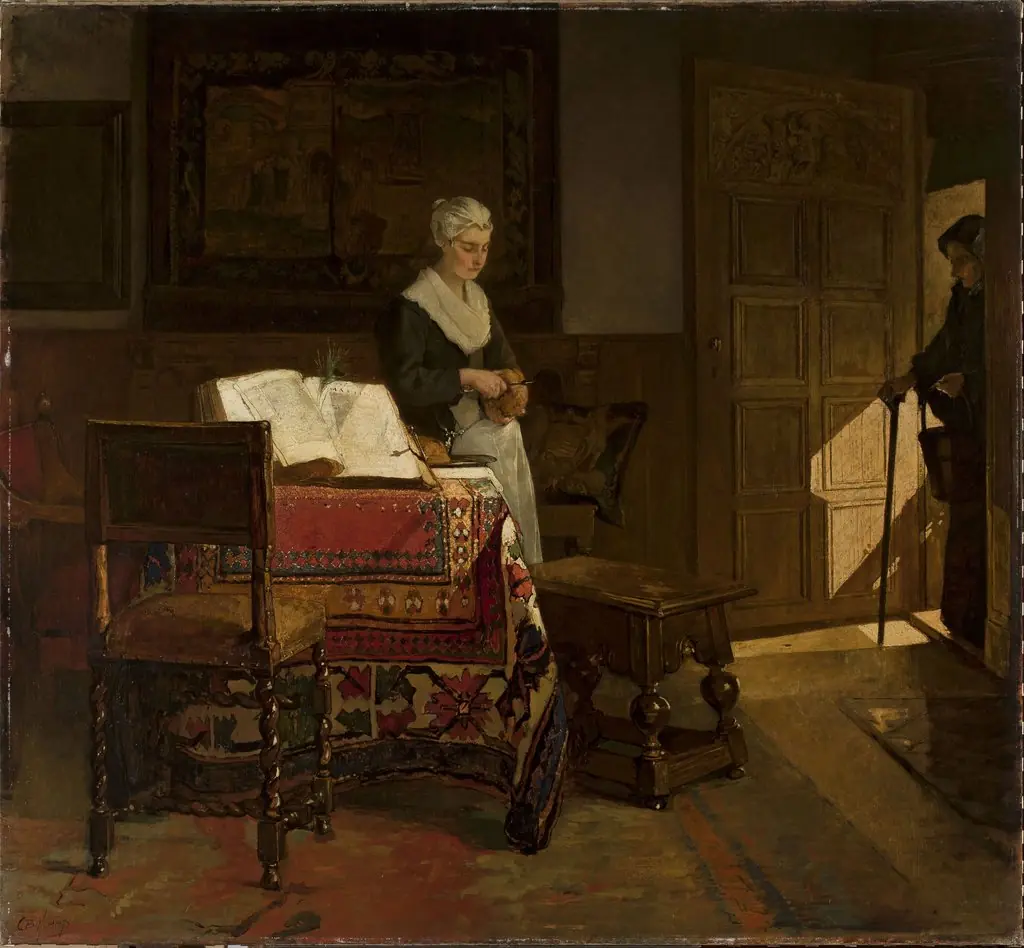
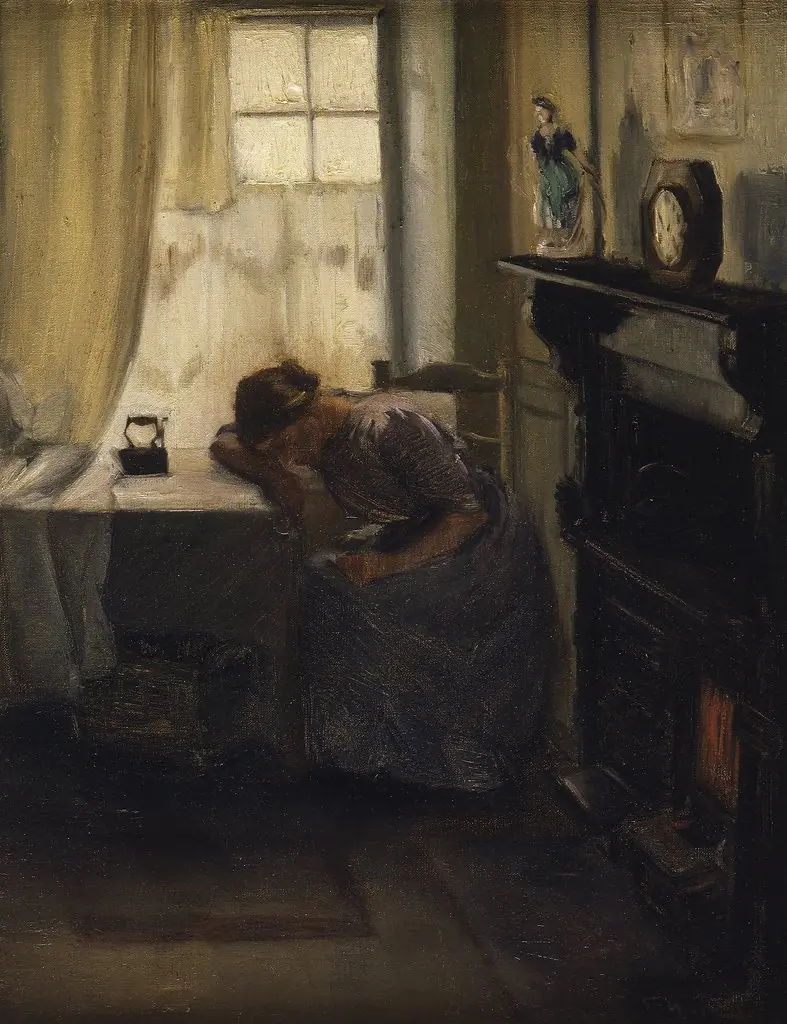
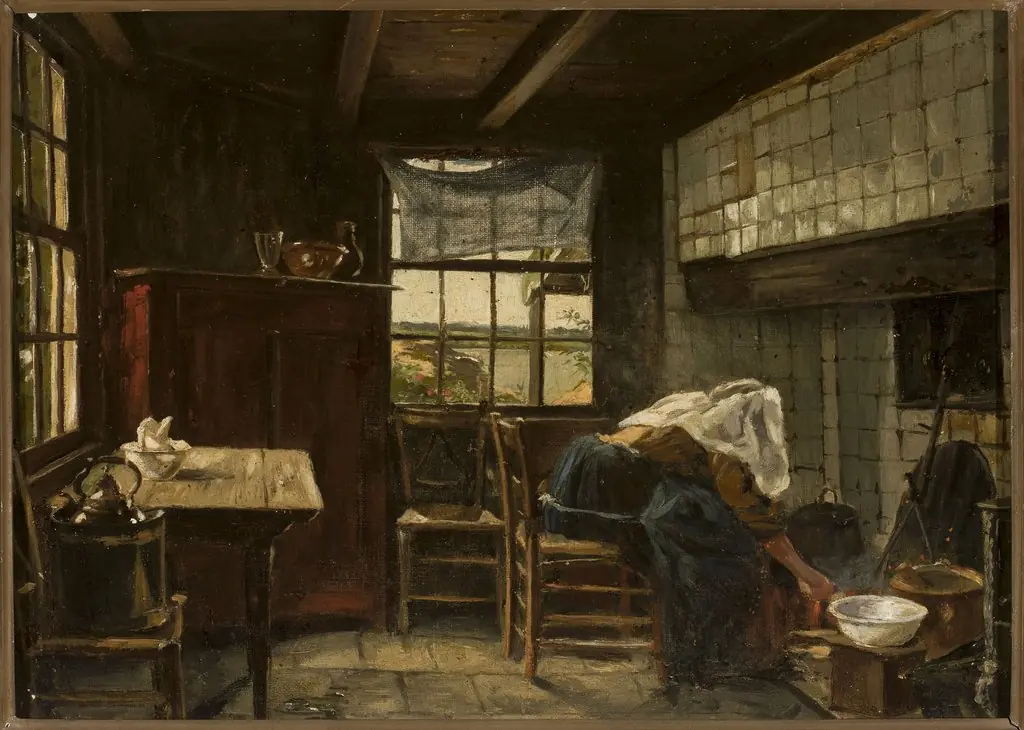
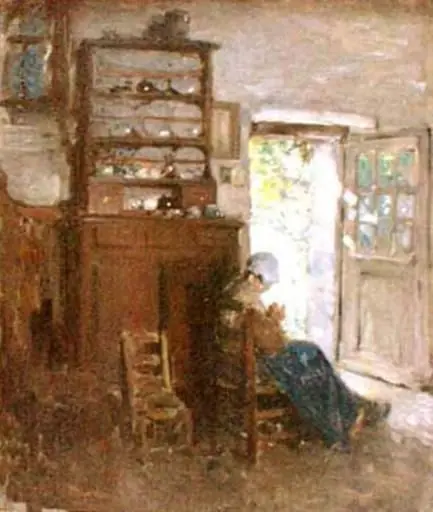
Poor Woman's Home is an 1898 oil painting by Hungarian artist Tivadar Zemplényi, characterized by a realistic and post-impressionist approach. The work captures a serene, intimate interior scene of humble domesticity.
Subject & Meaning
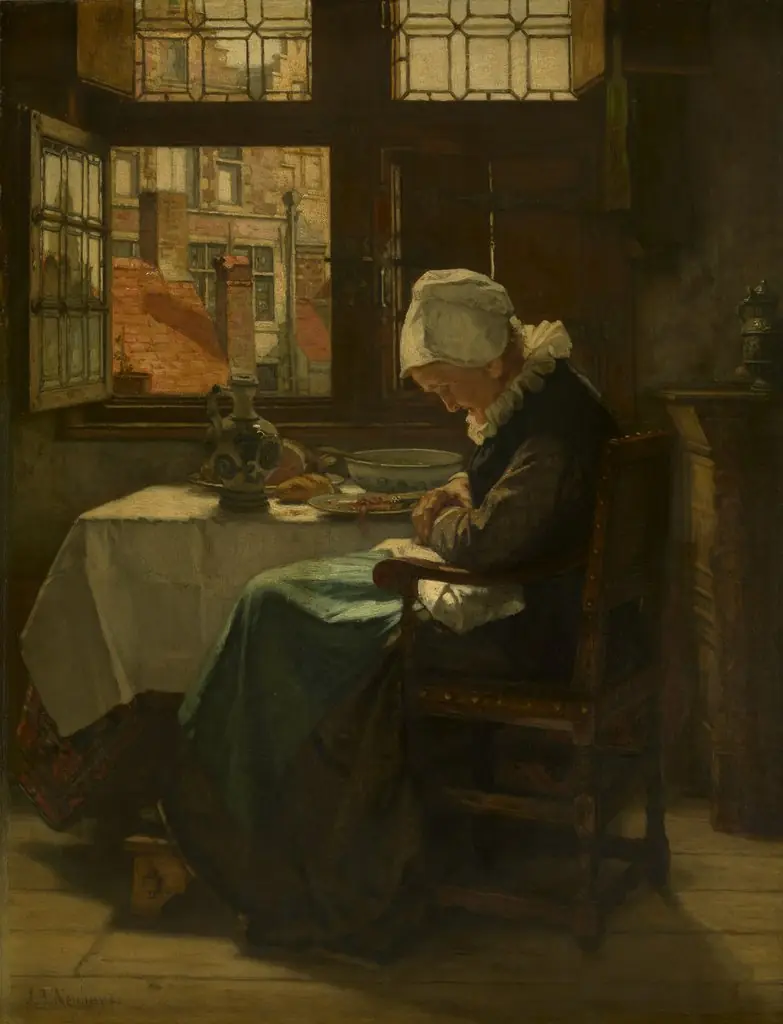
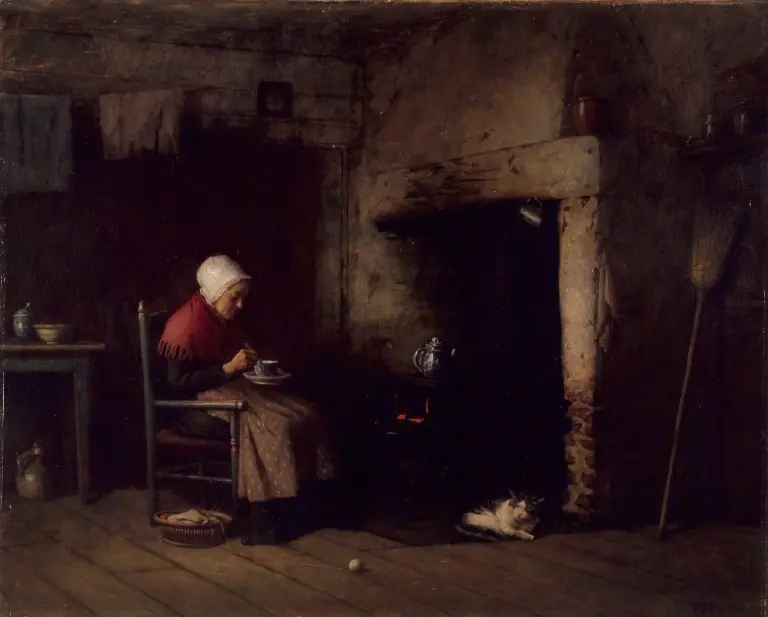
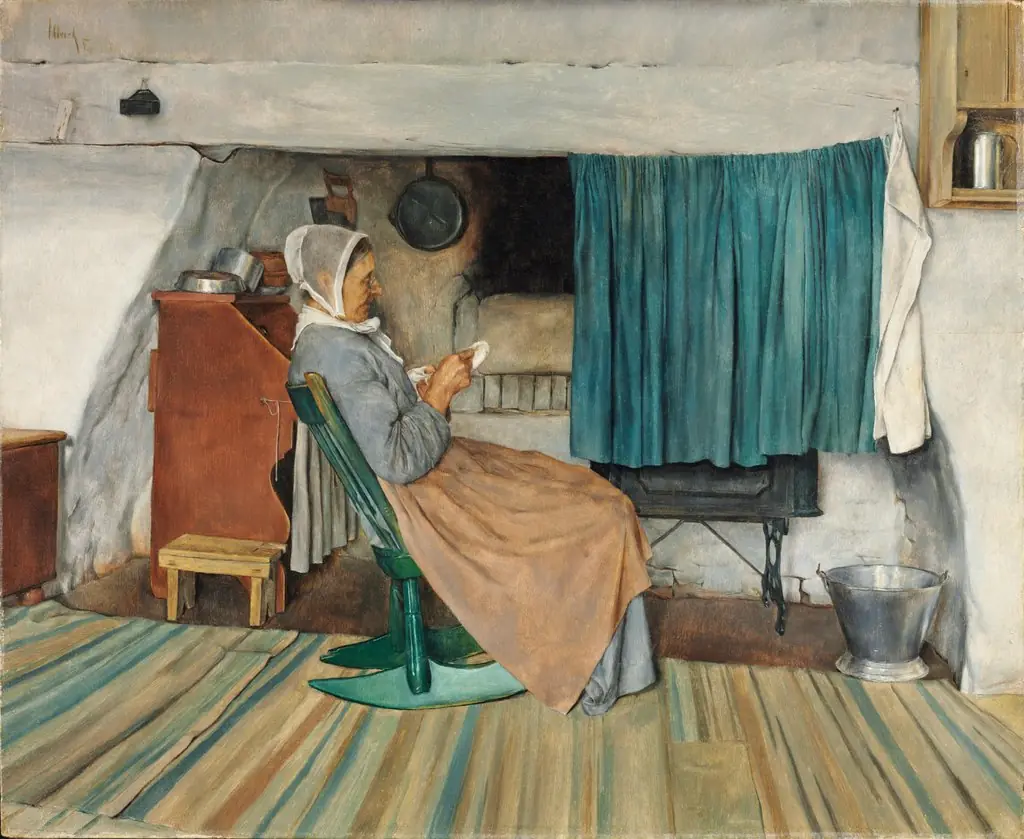
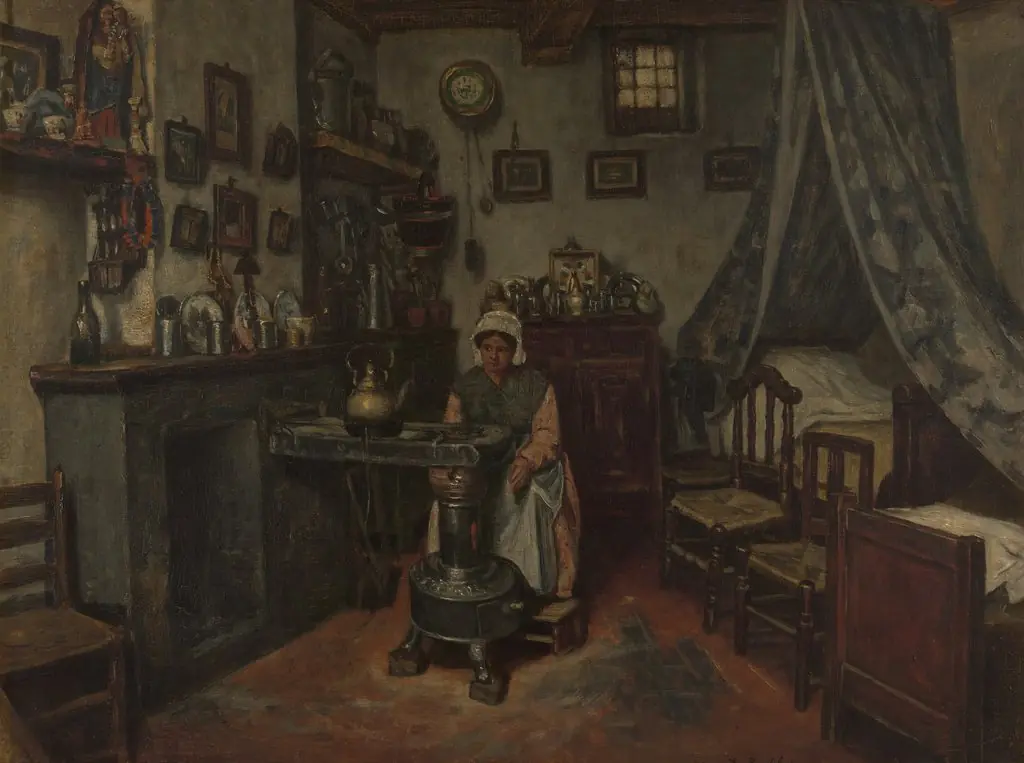
The painting portrays an elderly woman, absorbed in her meal, conveying a sense of quiet contemplation and simplicity. Her serious expression and the modest surroundings underscore the everyday, unassuming life of the subject.
Technique & Style
Zemplényi employs muted colors and soft, natural lighting, entering through a small window, to create warmth and intimacy. The piece exemplifies his use of chiaroscuro, contrasting light and dark to enhance the emotional depth of the scene.
History & Provenance
Exhibited internationally at notable events including the 1900 Exposition Universelle, multiple Venice Biennales (1901, 1905, 1909), and awarded a medal at the 1904 St. Louis World's Fair, the painting is now part of the Hungarian National Gallery's collection.
Artist & collection
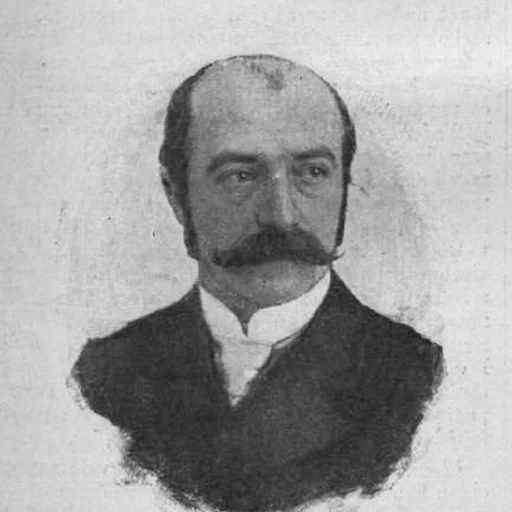
Artist
Tivadar Zemplényi (1864– 1917) was a Hungarian painter, noted for his realism. A medalist at the 1904 St. Louis World's Fair, he also exhibited at the 1900 Exposition Universelle, as well as the Venice Biennales of 1901, 1905, and 1909.