Artwork
Untitled
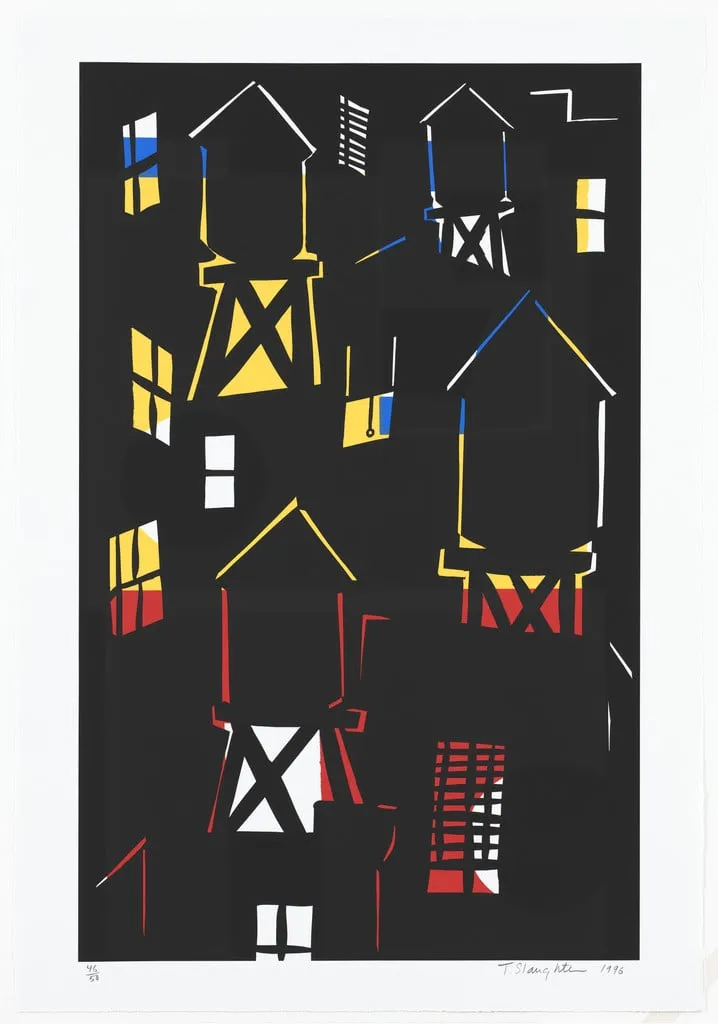
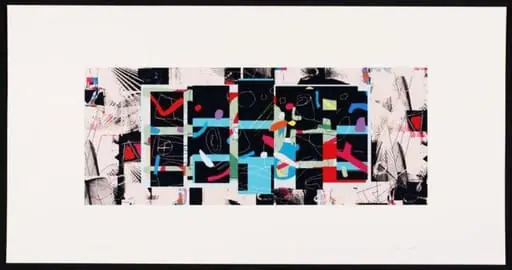
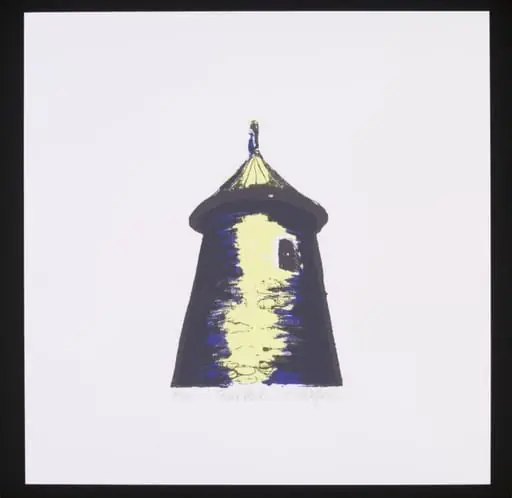
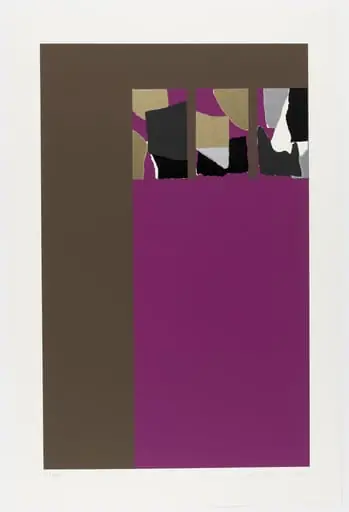
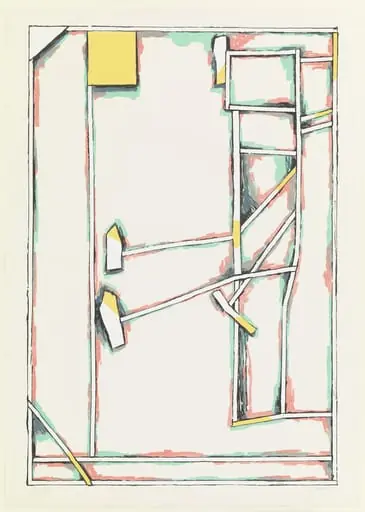
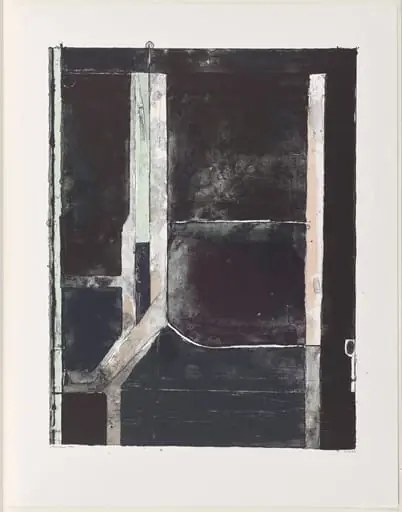
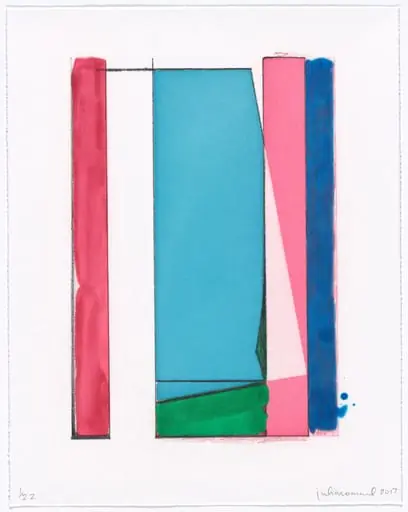
Untitled is an ink print by Tom Slaughter. It dates from 1996 and is held in the collection of the Museum of Modern Art.
About this work
Overview
It features a stark black field populated by simplified geometric forms in vivid hues—yellow, red, and white.
Created in 1996, this screenprint by Tom Slaughter is part of The Museum of Modern Art’s collection. It features a stark black field populated by simplified geometric forms in vivid hues—yellow, red, and white. The composition avoids realism, favoring abstraction through sharp contrasts and flat planes of color. The technique of screenprinting enabled precise, saturated layers, reinforcing the work’s graphic intensity.
Subject & Meaning
The print suggests stylized windmills and architectural fragments, but these elements are reduced to essential shapes without narrative detail. Their arrangement feels rhythmic rather than representational, evoking industrial or rural motifs without anchoring them to a specific place or time. The ambiguity invites interpretation without prescribing it, aligning with Slaughter’s interest in visual symbols stripped of literal context.
Technique & Style
Screenprinting allowed Slaughter to apply bold, opaque colors with clean edges, creating strong visual separation between the dark ground and luminous forms. The absence of shading or texture emphasizes flatness, a hallmark of his graphic approach. Shapes are constructed from angular blocks and straight lines, reflecting a design sensibility rooted in modernist abstraction and commercial print traditions.
History & Provenance
The work entered The Museum of Modern Art’s collection shortly after its creation, reflecting institutional interest in contemporary printmaking of the 1990s. Slaughter’s practice during this period focused on reductive imagery and repetitive motifs, often exploring the intersection of signage, architecture, and memory. This piece remains one of several screenprints from his output that the museum holds in its permanent holdings.
Context
Emerging in the 1990s, Slaughter’s work responded to a broader revival of graphic design in fine art, influenced by minimalism and pop aesthetics. His use of industrial motifs and commercial printing methods aligned with artists examining the visual language of everyday environments. Unlike narrative-driven prints of earlier decades, his work prioritized formal structure over storytelling.
Legacy
Slaughter’s prints from this era contributed to a renewed appreciation for screenprinting as a medium for conceptual clarity. His reduction of forms to elemental shapes influenced later artists working in abstraction and graphic design. Though not widely exhibited, his work remains referenced in discussions of post-minimalist printmaking and the visual economy of symbols.
Artist & collection