Artwork
Coquelin the Elder (Coquelin aine)
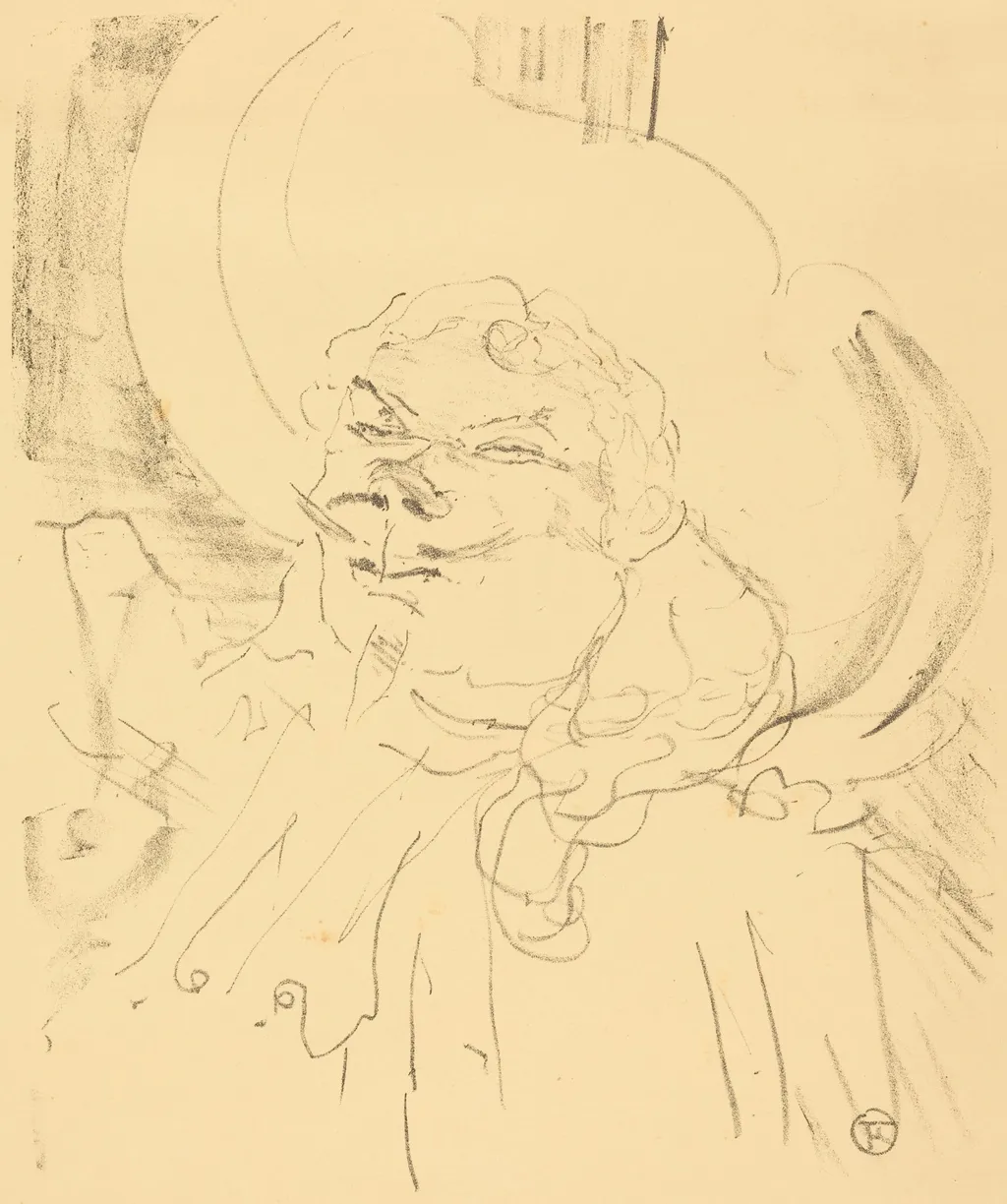
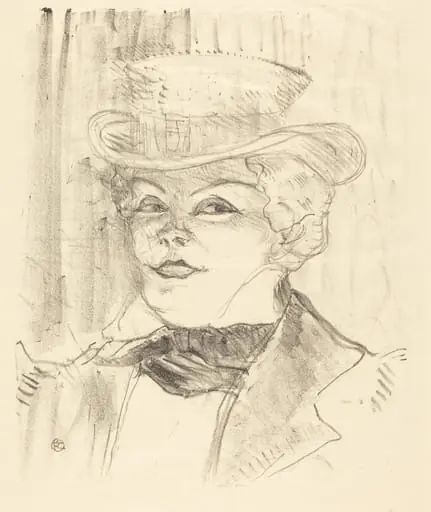
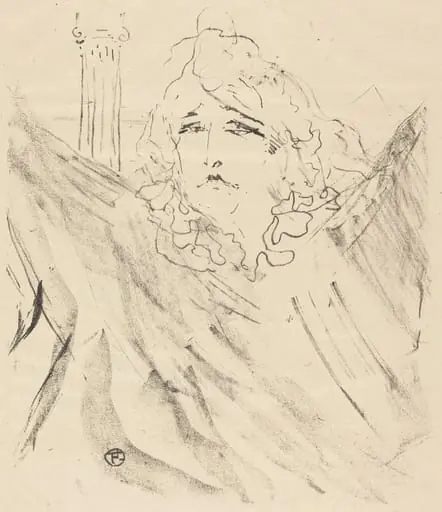
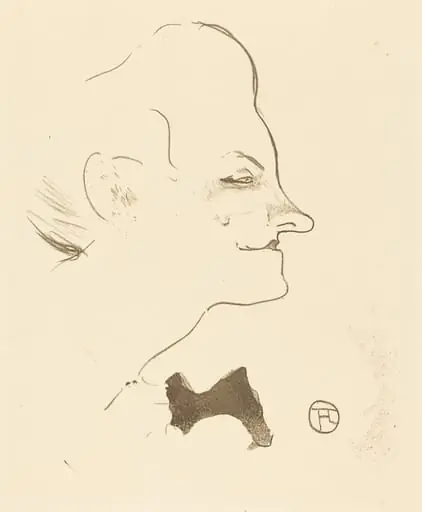
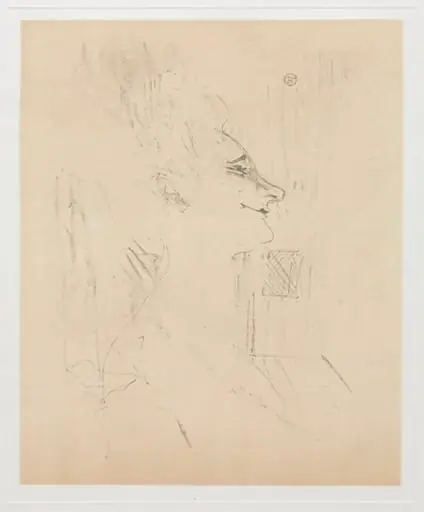
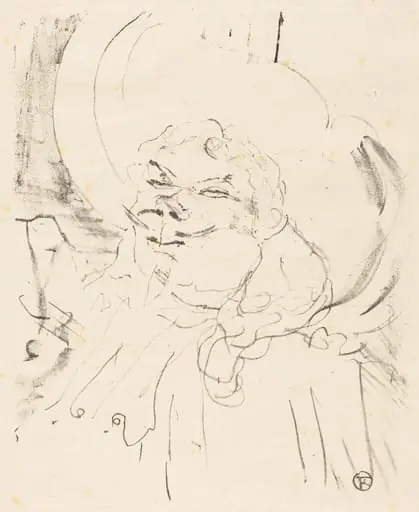
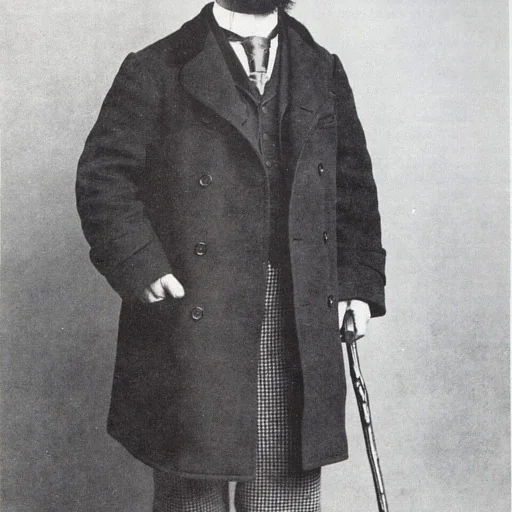
Coquelin the Elder (Coquelin aine) is an ink print by the Impressionist artist Henri de Toulouse-Lautrec. It dates from 1896 and is held in the collection of the National Gallery of Art.
About this work
Overview
Coquelin the Elder (Coquelin aîné) is a 1896 lithograph in black by Henri de Toulouse-Lautrec, portraying a seated figure in characteristic loose, expressive lines against a largely empty background.
Subject & Meaning
The subject is likely a figure from Parisian theatrical or social circles, reflecting Toulouse-Lautrec's fascination with the city's nightlife and performance communities.
Technique & Style
Executed in simple, quick black lines on a light background, the work embodies a sketchy, rapid style reminiscent of contemporary theater posters, emphasizing immediacy and spontaneity.
History & Provenance
Created in 1896 by Toulouse-Lautrec, an artist of French aristocratic birth whose physical challenges influenced his artistic focus on Paris's vibrant cultural scenes.
Context
Emerging from late 19th-century Paris, the piece is contextualized by the era's theatrical and social landscapes, as well as the prevalence of lithography in poster art.
Own this work as a print
Artist & collection
Artist
Comte Henri Marie Raymond de Toulouse-Lautrec-Montfa (24 November 1864 – 9 September 1901), known as Toulouse-Lautrec (French: ), was a French painter, printmaker, draughtsman, caricaturist, and illustrator.