Artwork
Ida Heath at the Bar (Ida Heath au bar)
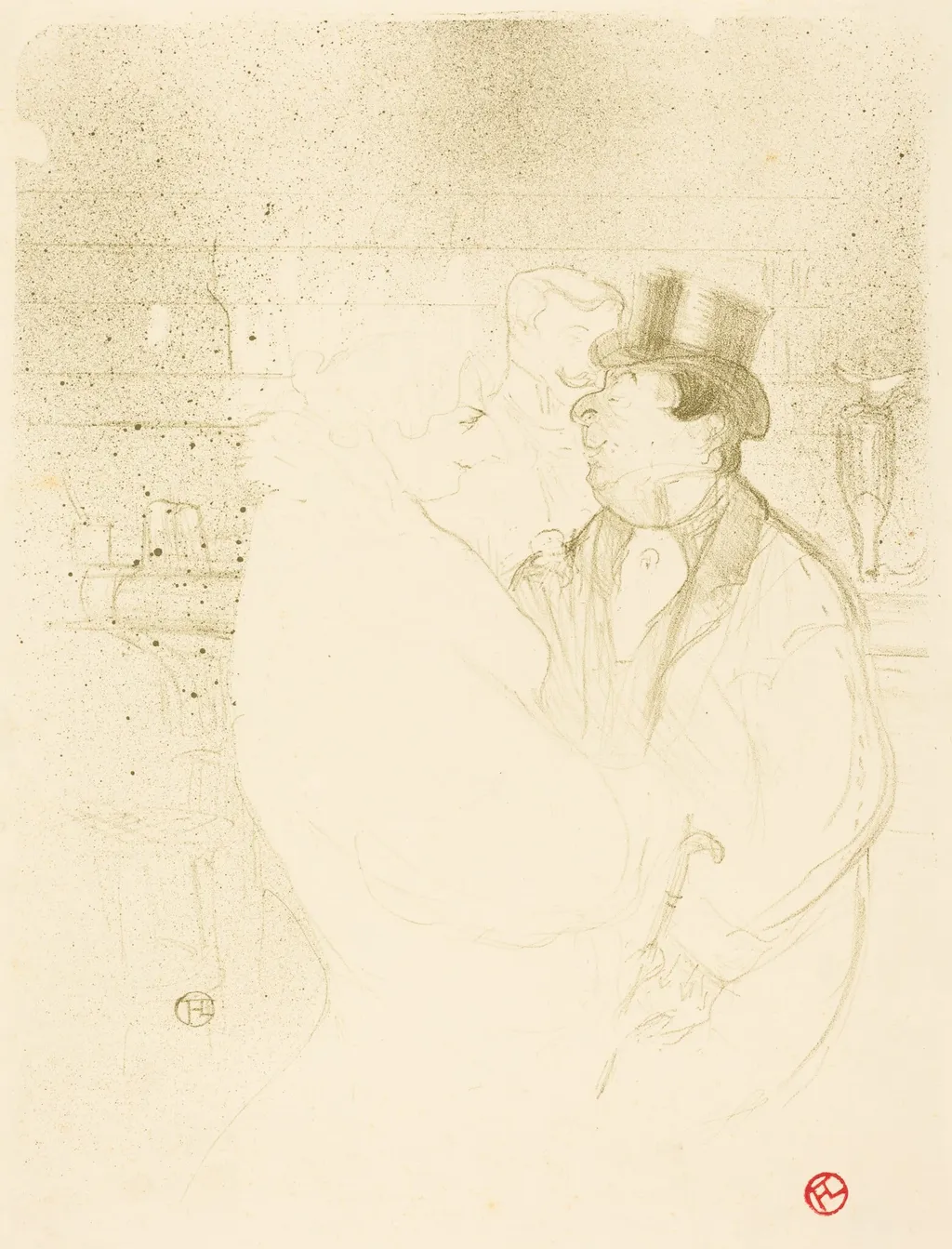
Ida Heath at the Bar (Ida Heath au bar) is an ink print by the Impressionist artist Henri de Toulouse-Lautrec. It dates from 1894 and is held in the collection of the National Gallery of Art.
About this work
Overview
Created in 1894, *Ida Heath at the Bar* is a lithograph in olive green on velin paper by Henri de Toulouse-Lautrec. It portrays a woman named Ida Heath, a regular at Parisian cafés, seated at a counter. The work belongs to a series of prints capturing the quiet moments of nightlife figures, distinguishing itself through restrained color and intimate composition rather than overt spectacle.
Subject & Meaning
Ida Heath, a British expatriate and frequent patron of Montmartre’s bars, is depicted in a moment of stillness. Her turned head and resting hand suggest introspection rather than performance. Unlike Toulouse-Lautrec’s more theatrical subjects, this image emphasizes solitude within a public space, reflecting the quiet resilience of individuals navigating urban social life without spectacle.
Technique & Style
Toulouse-Lautrec employed lithography to achieve subtle tonal gradations in olive green, enhancing the work’s atmospheric depth.
Toulouse-Lautrec employed lithography to achieve subtle tonal gradations in olive green, enhancing the work’s atmospheric depth. The ink’s texture on velin paper lends a soft, tactile quality, while simplified contours and minimal background detail focus attention on the figure’s posture and expression. His technique prioritizes emotional nuance over detail, aligning with his broader interest in psychological presence.
History & Provenance
The print was produced during Toulouse-Lautrec’s most active period in Montmartre, when he regularly documented the patrons of cabarets and cafés. Ida Heath was known to him personally, and this portrait was likely made from direct observation. The work remained in private collections in France and Britain before entering institutional holdings in the 20th century.
Context
In 1890s Paris, lithography became a favored medium for artists seeking to reproduce images quickly and affordably. Toulouse-Lautrec used it to document the shifting social dynamics of the city’s entertainment districts. His focus on ordinary patrons—rather than performers—offered a counterpoint to the era’s idealized depictions of urban life, revealing its quieter, more solitary realities.
Legacy
This print exemplifies Toulouse-Lautrec’s shift from caricature to psychological portraiture. While less famous than his cabaret scenes, works like *Ida Heath at the Bar* influenced later realist printmakers by demonstrating how limited palettes and sparse composition could convey complex inner states. It remains a quiet testament to his ability to find dignity in unremarkable moments.
Artist & collection
Artist
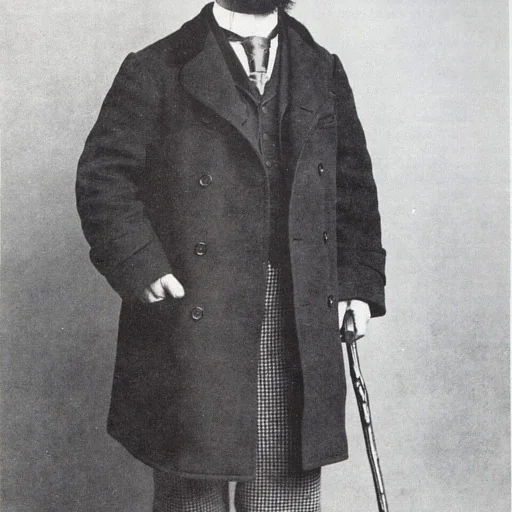
Comte Henri Marie Raymond de Toulouse-Lautrec-Montfa (24 November 1864 – 9 September 1901), known as Toulouse-Lautrec (French: ), was a French painter, printmaker, draughtsman, caricaturist, and illustrator.

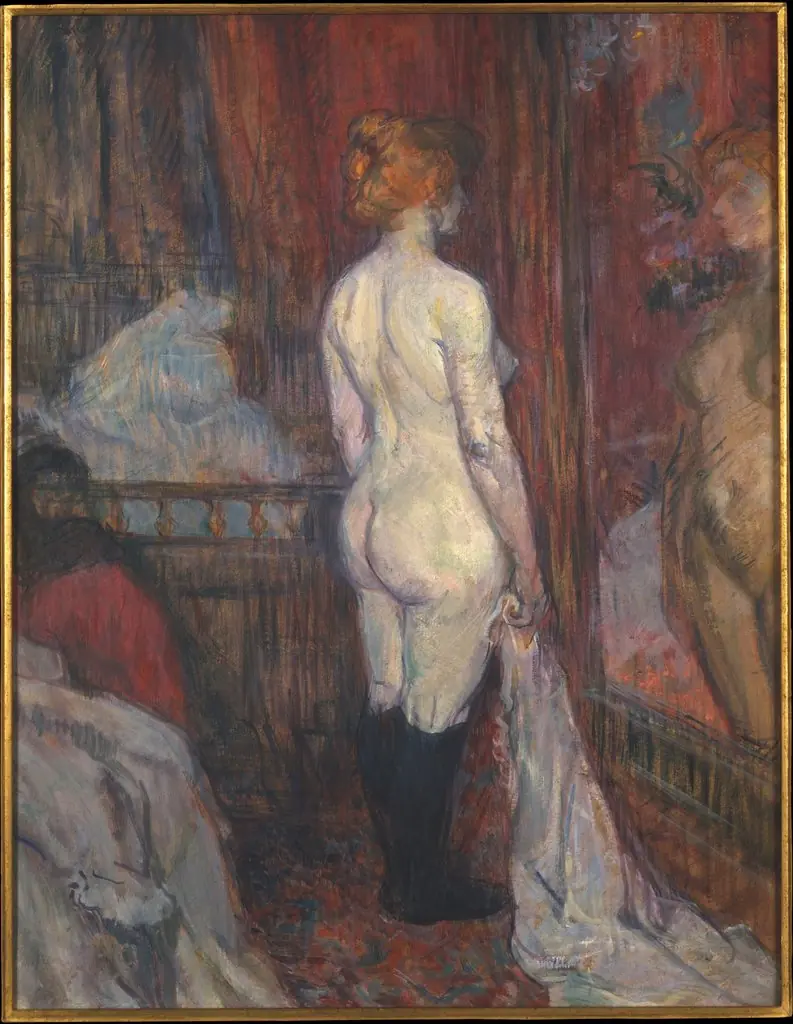
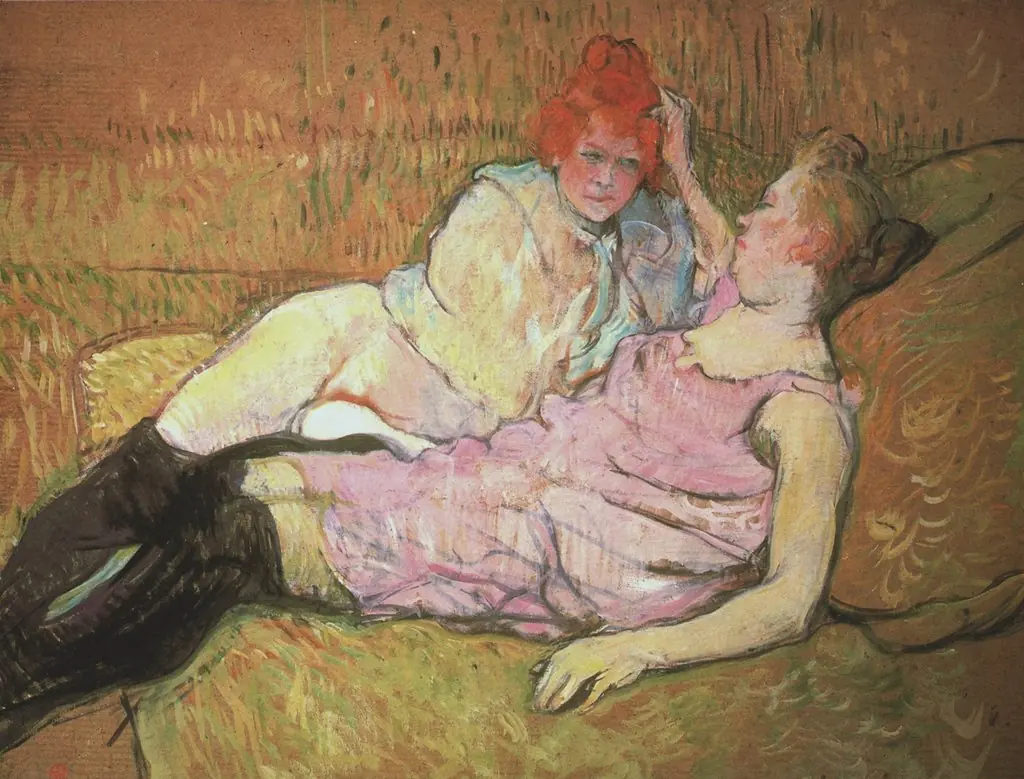
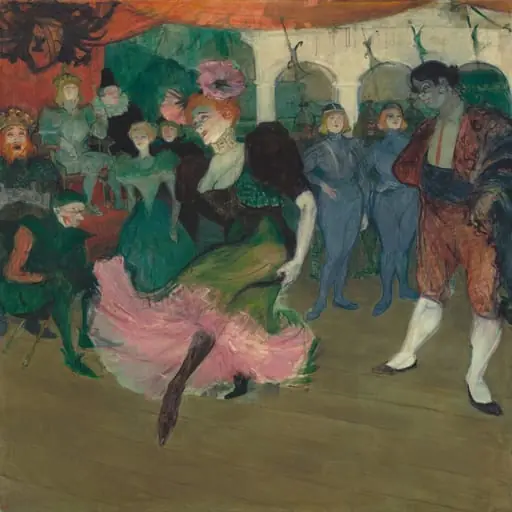
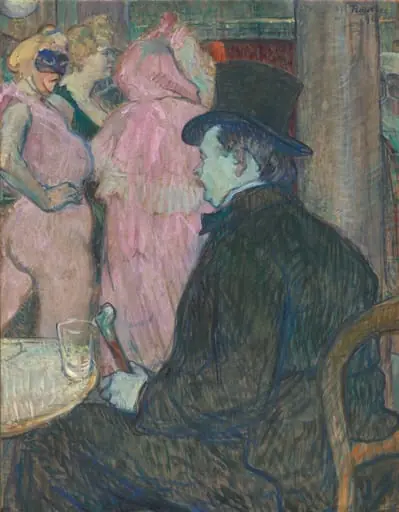
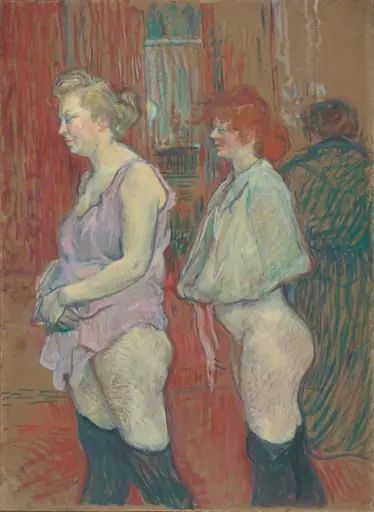
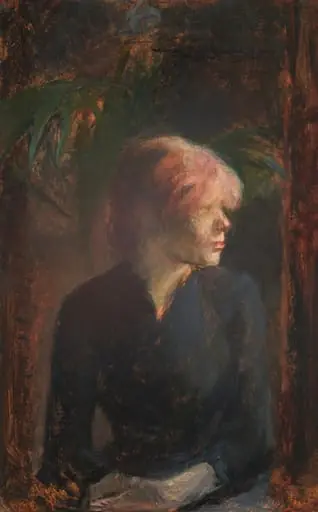
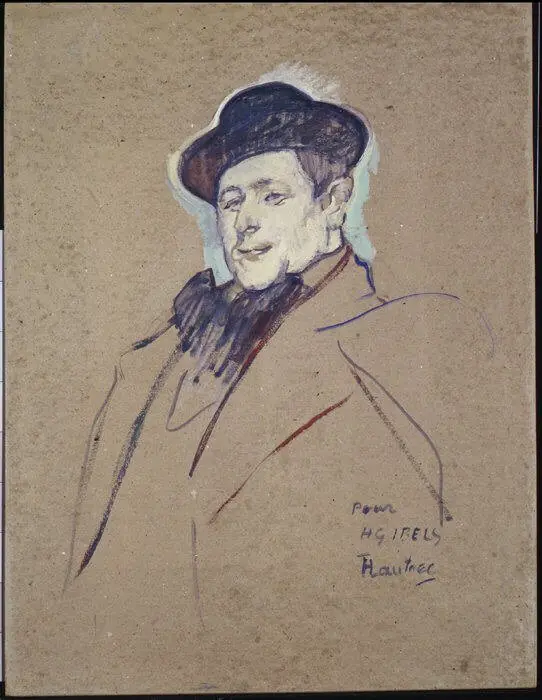
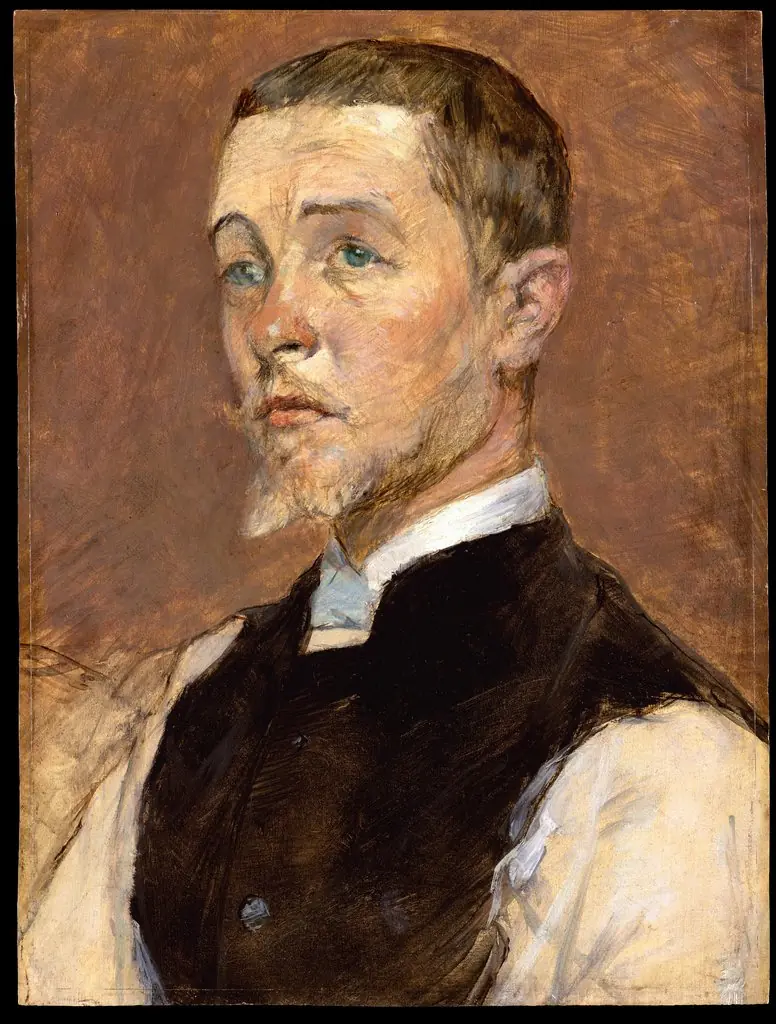
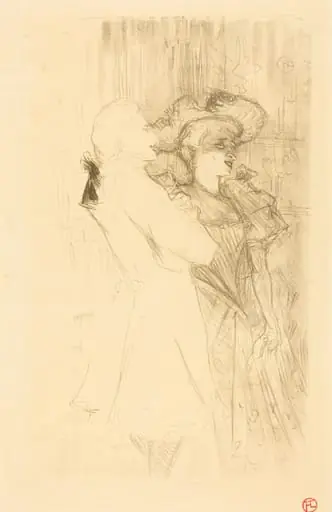 Lender and Auguez in "La chanson de fortunio" (Lender et Auguez dans "La chanson de fortunio")
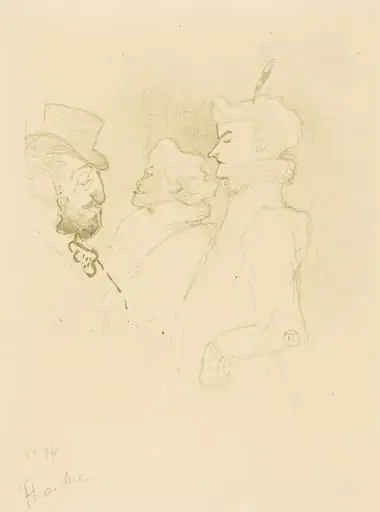 Why Not?...Once Is Not a Habit (Pourquoi pas?...Une fois n'est pas coutume)
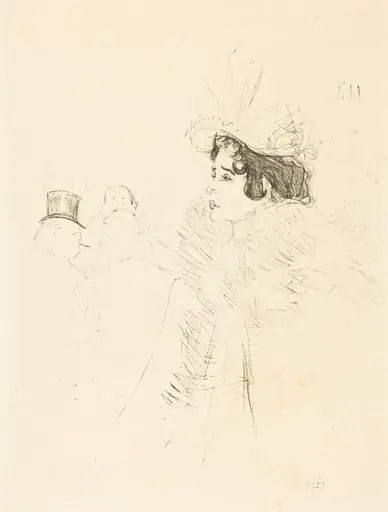 Miss May Belfort in the Irish and American Bar, rue Royale (Miss Belfort Belfort au Irish and American Bar, Rue Royale)
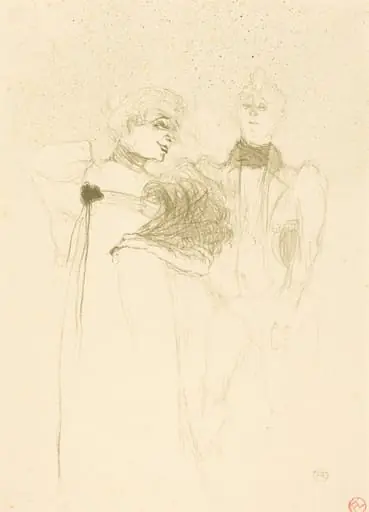 Mlle. Lender in "Madame Satan" (Mlle. Lender dans "Madame Satan")
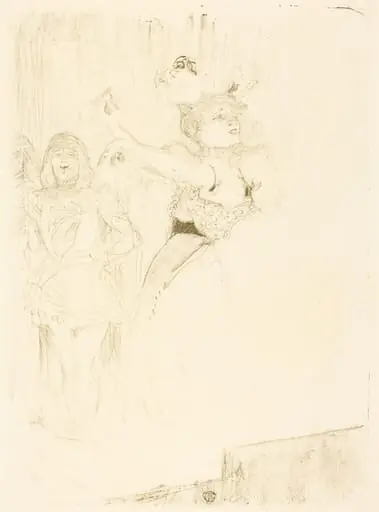 Lender Dancing the Bolero in "Chilperic" (Lender dansant le pas du boléro dans "Chilpéric")
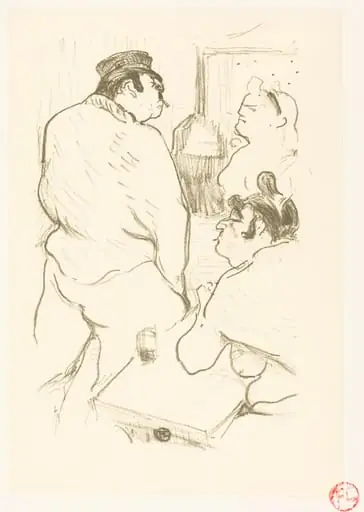 Terror of Grenelle (La terreur de Grenelle)
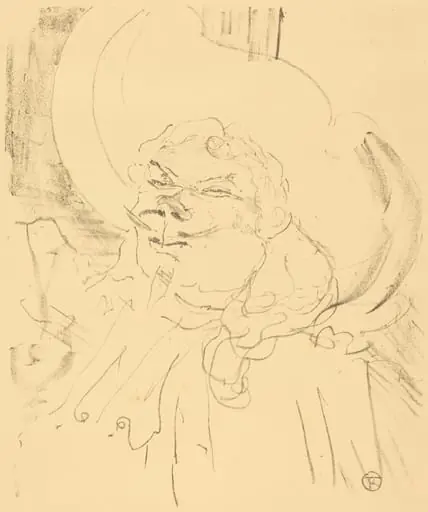 Coquelin the Elder (Coquelin aine)
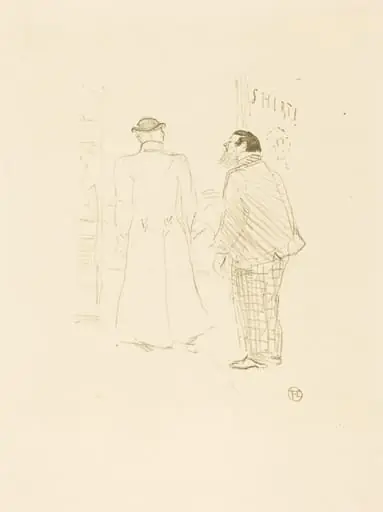 The First Vendor of Jourdan and Brown (Le premier vendeur de Jourdan et Brown)
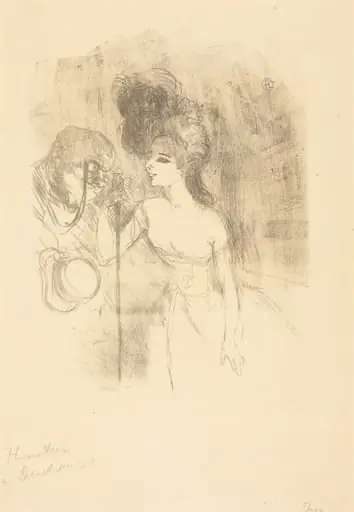 Anna Held and Baldy (Anna Held et Baldy)
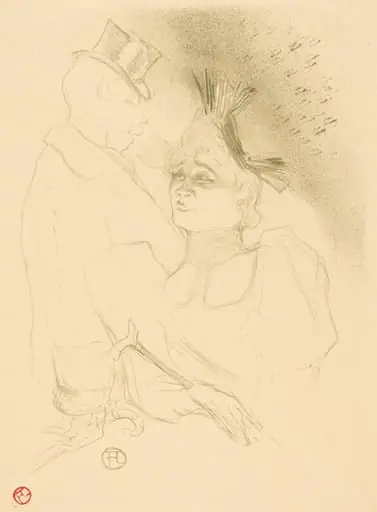 Mlle. Lender and Baron (Mlle. Lender et Baron)