Artwork
Wisdom (Sagesse)
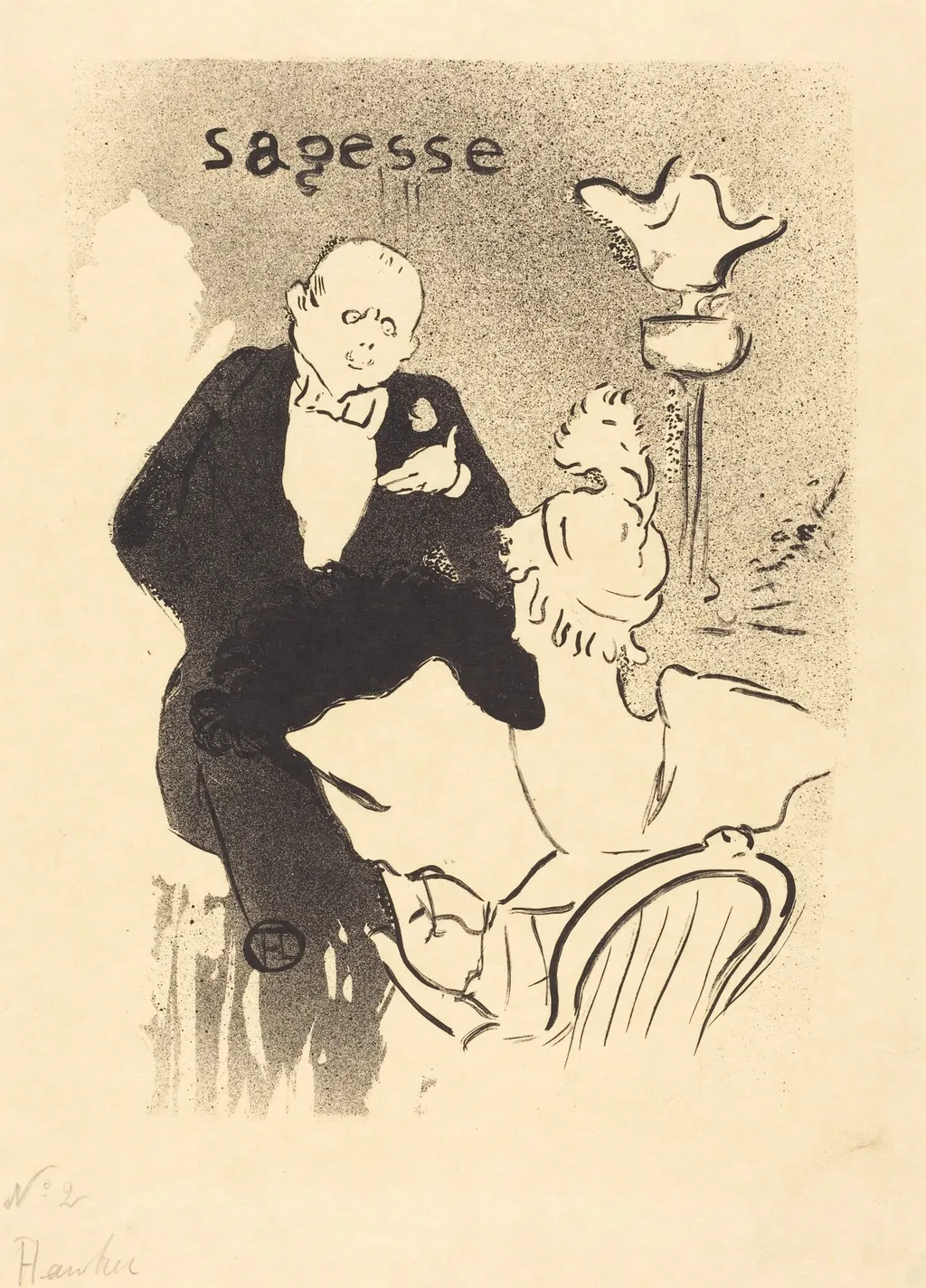
Wisdom (Sagesse) is an ink print by the Impressionist artist Henri de Toulouse-Lautrec. It dates from 1893 and is held in the collection of the National Gallery of Art.
About this work
Overview
Created in 1893, *Wisdom (Sagesse)* is a black lithograph on Japanese paper by Henri de Toulouse-Lautrec. The work belongs to his broader output in printmaking, where he explored themes of urban life through simplified forms and expressive line work. Unlike his more famous posters, this piece is intimate and unadorned, reflecting his interest in quiet, observational moments rather than spectacle.
Subject & Meaning
The image depicts a formally dressed man holding a child, with a lamp bearing a perched bird and a guitar at his feet.
The image depicts a formally dressed man holding a child, with a lamp bearing a perched bird and a guitar at his feet. The inscription 'Sagesse' suggests a contemplative transfer of knowledge or tradition. The man’s stern expression and refined attire contrast with the informal objects around him, implying a tension between societal roles and personal or cultural inheritance, possibly referencing the passage of art or memory across generations.
Technique & Style
Toulouse-Lautrec employed lithography to achieve fluid, spontaneous lines characteristic of his sketch-like aesthetic. The use of Japanese paper enhanced the delicacy of the ink, allowing subtle tonal variations. His loose, economical strokes convey movement and emotion without detail, prioritizing atmosphere over realism. This approach reflects his training in drawing and his affinity for capturing fleeting, authentic moments.
History & Provenance
Produced during a period when Toulouse-Lautrec was deeply engaged with printmaking, *Wisdom* was likely part of a private or limited circulation, not intended for mass display. It emerged from his studio practice rather than commercial commissions, and its survival reflects its value to collectors interested in his lesser-known, introspective works. No public exhibition history is widely documented prior to the 20th century.
Context
In the 1890s, Toulouse-Lautrec moved between Montmartre’s nightlife and quieter domestic scenes. While known for depictions of performers and sex workers, this piece reveals his interest in quieter, symbolic narratives. The inclusion of a bird and guitar may allude to artistic legacy or poetic tradition, aligning with Symbolist currents in French art that favored metaphor over literal representation.
Legacy
Though less prominent than his posters, *Wisdom* exemplifies Toulouse-Lautrec’s ability to infuse everyday scenes with psychological depth. His lithographic technique influenced later generations of printmakers seeking expressive simplicity. The work remains a quiet testament to his capacity to find meaning in solitude and gesture, beyond the glitter of Parisian entertainment.
Artist & collection
Artist
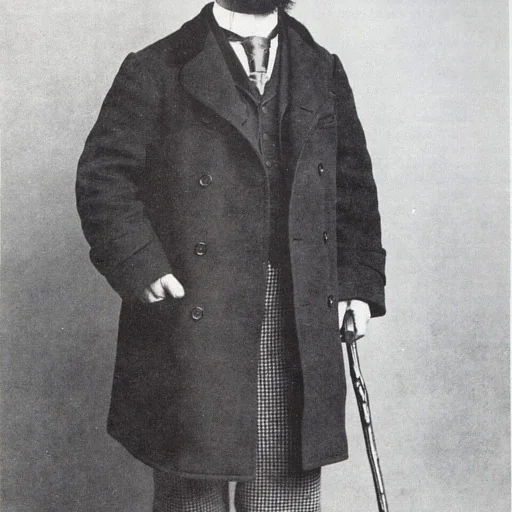
Comte Henri Marie Raymond de Toulouse-Lautrec-Montfa (24 November 1864 – 9 September 1901), known as Toulouse-Lautrec (French: ), was a French painter, printmaker, draughtsman, caricaturist, and illustrator.

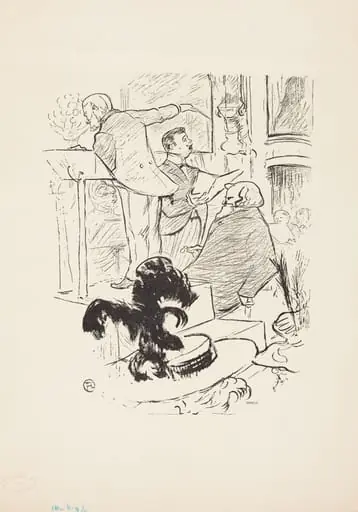 Les grands concerts de l'opera
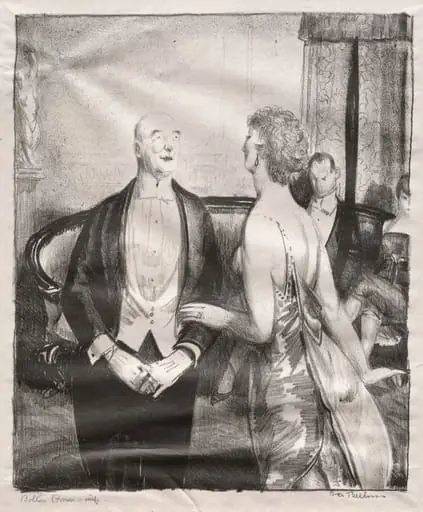 The Parlor Critic
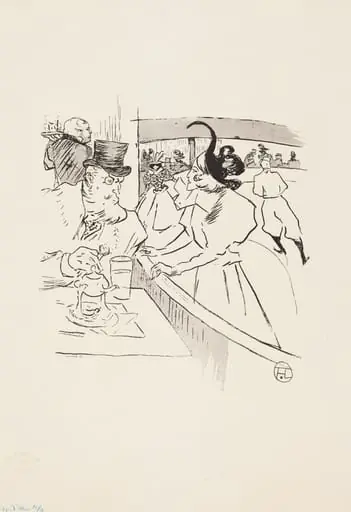 In the Skating Professional Beauty
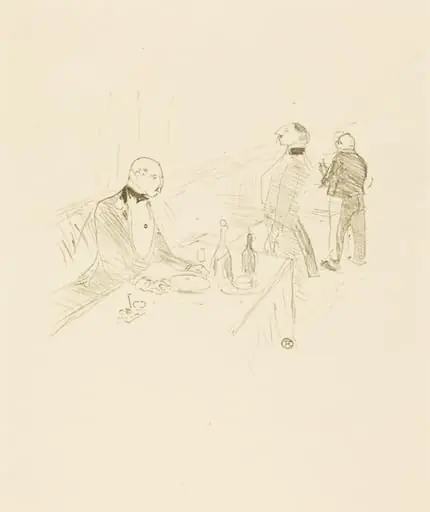 At The House of Gold (A la maison d'or)
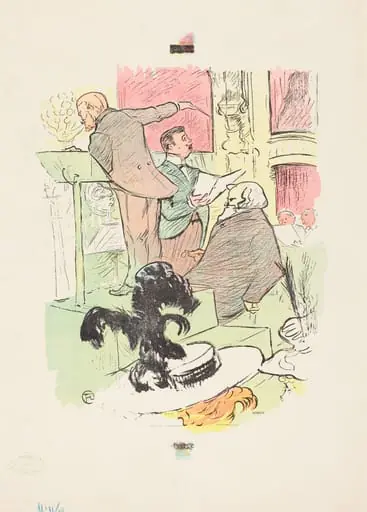 Les grands concerts de l'opera
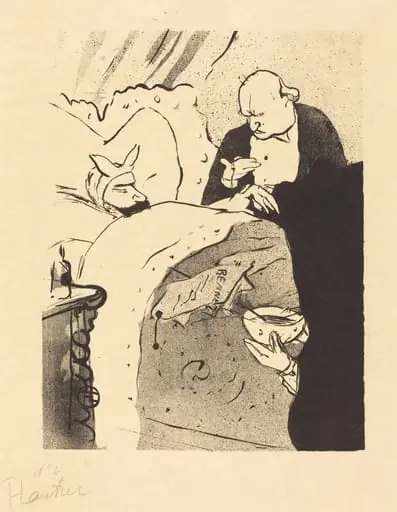 Sick Carnot! (Carnot malade!)
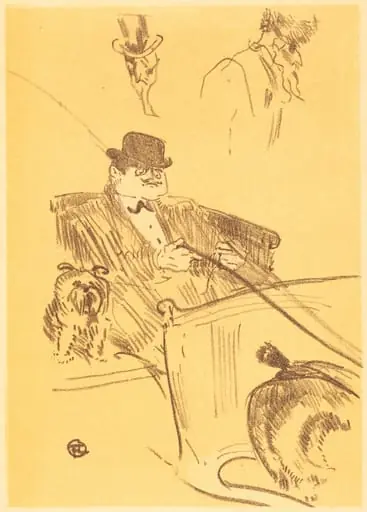 Cover for "La tribu d'Isodore" (Couverture pour "La tribu d'Isodore")
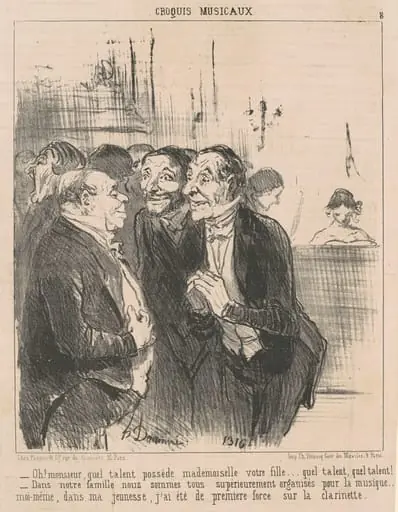 Oh! Monsieur, quel talent possède ...
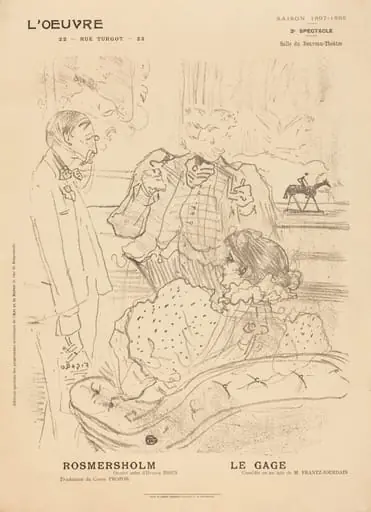 Rosmersholm; Le Gage
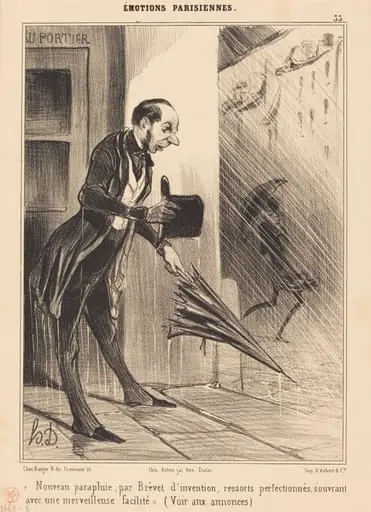 Nouveau parapluie, par Brevet...