Artwork
The Parlor Critic
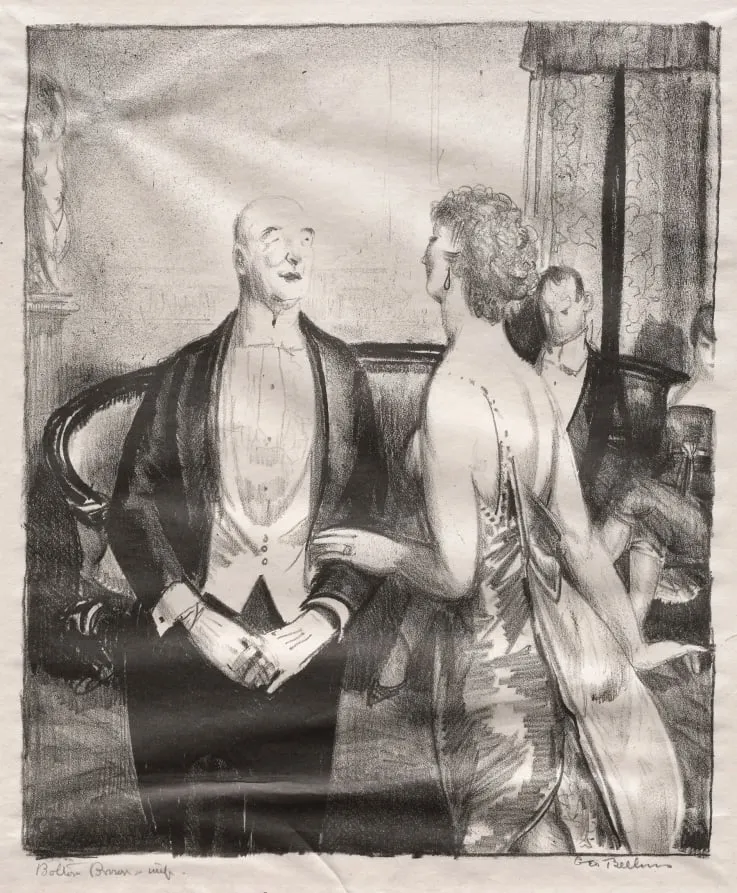
The Parlor Critic is a print by George Bellows. It dates from 1921 and is held in the collection of the Cleveland Museum of Art.
About this work
Overview
Created in 1921 by American realist George Bellows, *The Parlor Critic* is a print held by the Cleveland Museum of Art. The work exemplifies Bellows’ interest in ordinary, contemporary scenes, rendered with a straightforward, unembellished approach that captures a moment of quiet domestic observation.
Subject & Meaning
The image centers on a solitary man seated in an elaborately furnished parlor. Though surrounded by decorative objects, his facial expression conveys a muted disapproval or ennui, suggesting a critical stance toward the surrounding setting and perhaps the social pretensions it represents. The focus on his demeanor invites viewers to consider the tension between appearance and interior judgment.
Technique & Style
Bellows employs a restrained palette and clear modeling of light and shadow, echoing chiaroscuro principles to give the figure a three‑dimensional presence against the flatter background. The print’s line work and tonal contrasts reinforce the realist intent, emphasizing the tangible textures of the interior while keeping the composition direct and unidealized.
History & Provenance
After its completion in the early 1920s, the print entered the collection of the Cleveland Museum of Art, where it remains on view. Its acquisition reflects the museum’s broader effort to document American realism and Bellows’ role in portraying urban and domestic life during the post‑World War I period.
Artist & collection
Artist
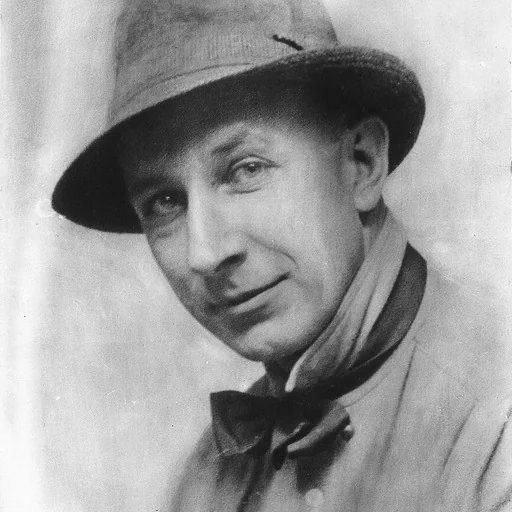
George Wesley Bellows (August 12 or August 19, 1882 – January 8, 1925) was an American realist painter, known for his bold depictions of urban life in New York City.

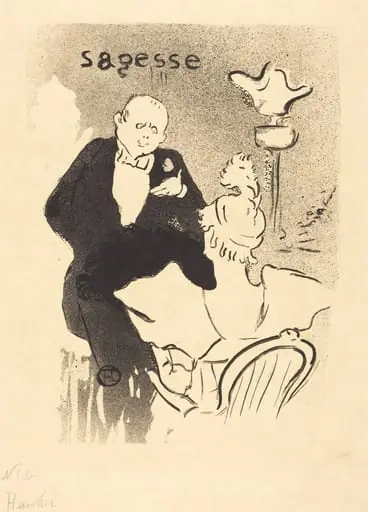 Wisdom (Sagesse)
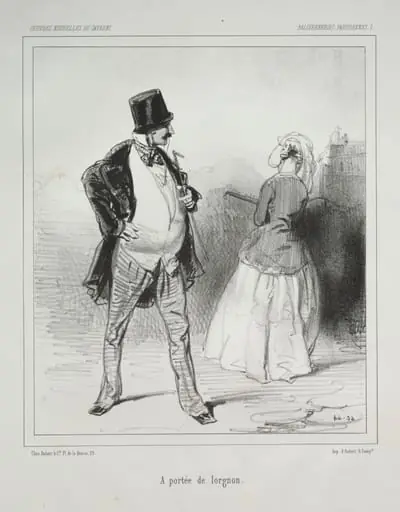 A portée de lorgnon
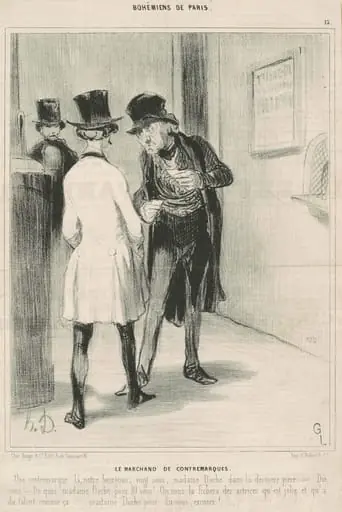 Le marchand de contremarques
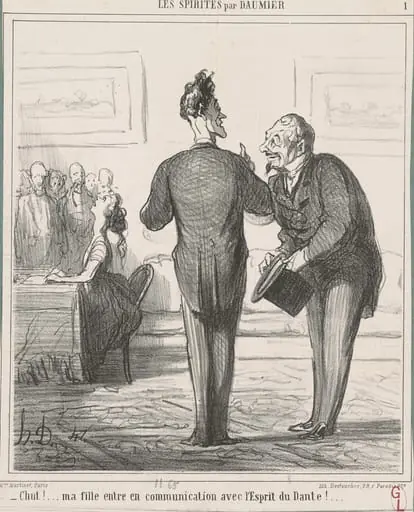 Chut ... ! Ma fille est en communication ...
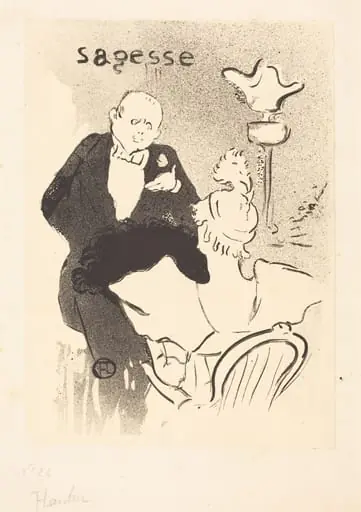 Wisdom (Sagesse)
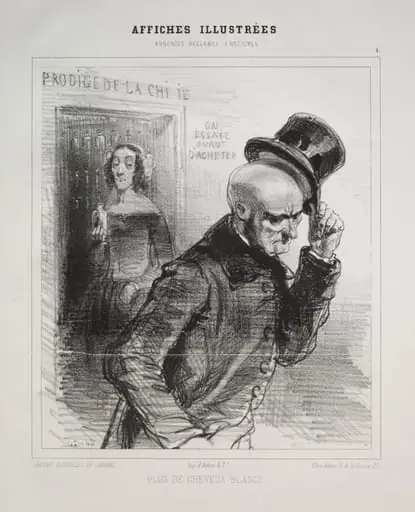 Affliches Illustrées
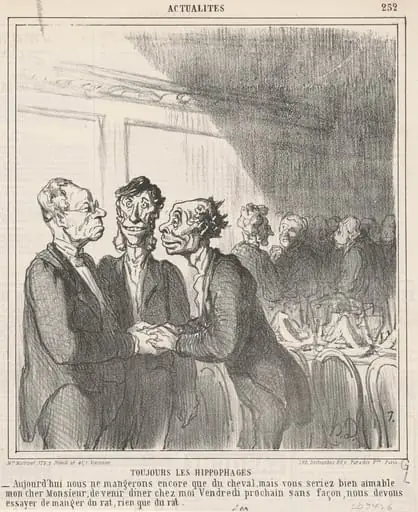 Toujours les Hippophages
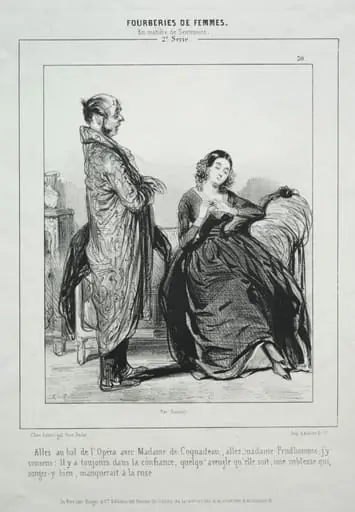 Fourberies de Femmes En Matière de Sentiment
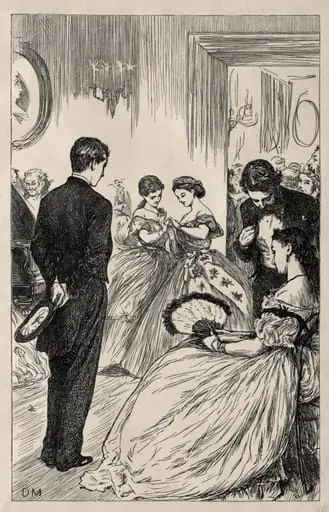 Coelebs in Search of a Mulready Envelope
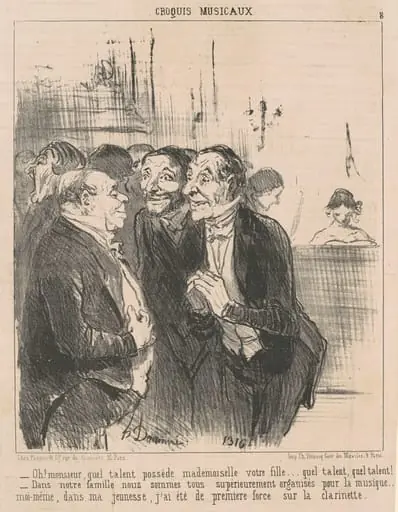 Oh! Monsieur, quel talent possède ...
 Je me dis en moi-même
 Gentils Hommes Bourgeois