Artwork
Dwellings beneath Folded Hills
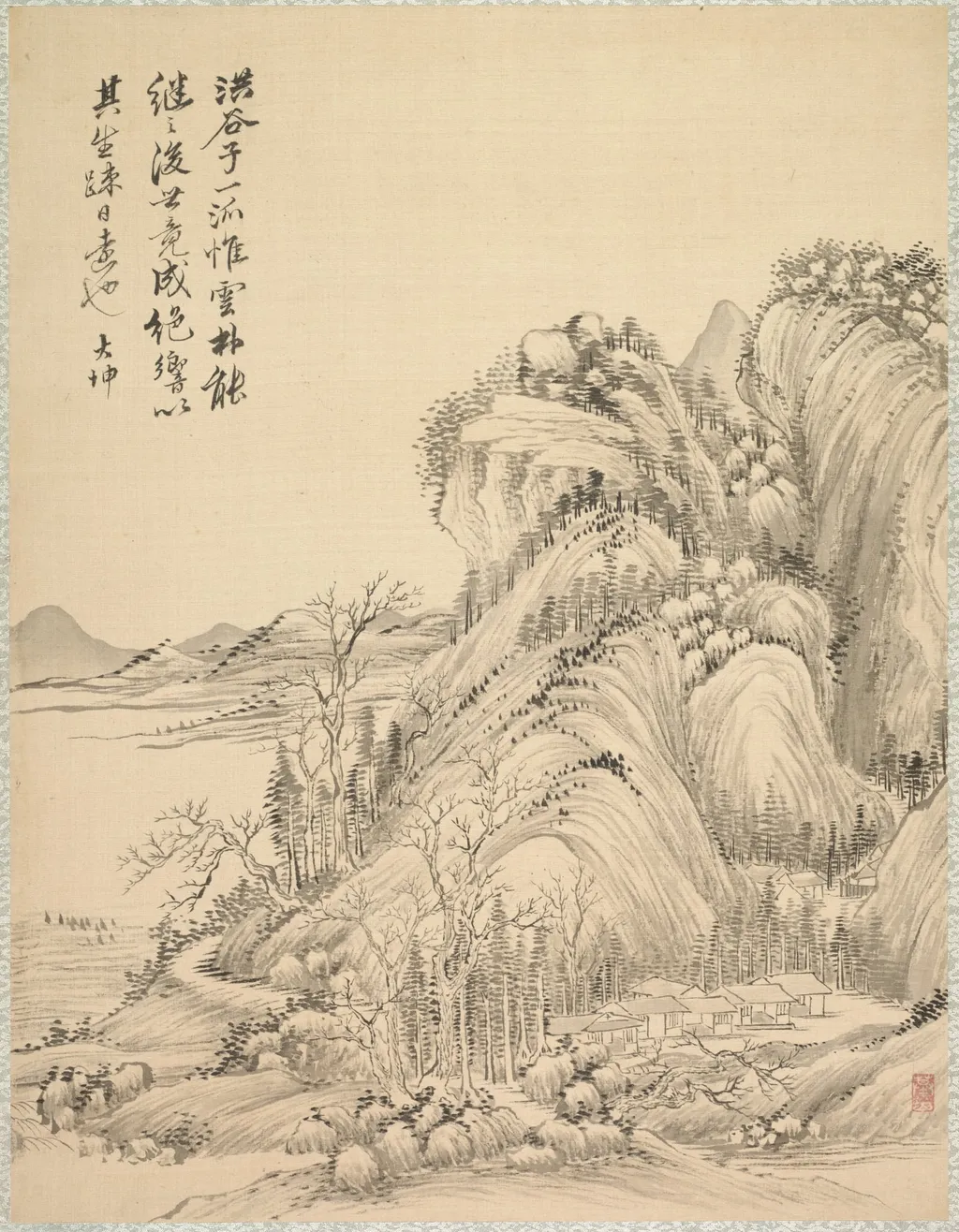
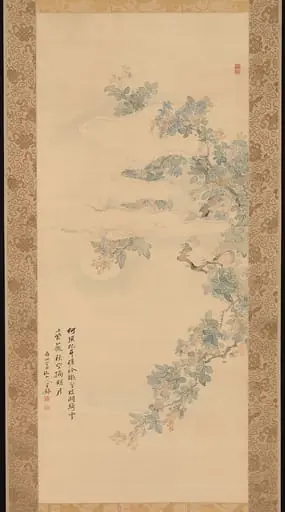
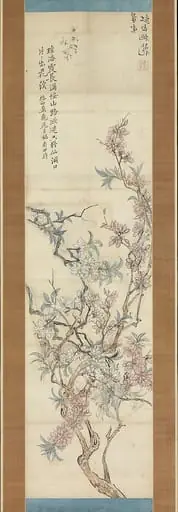
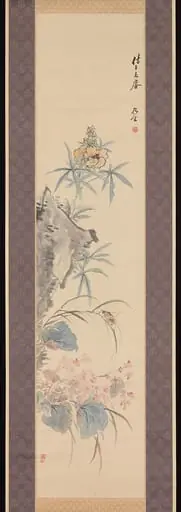
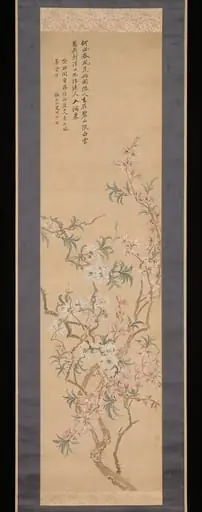
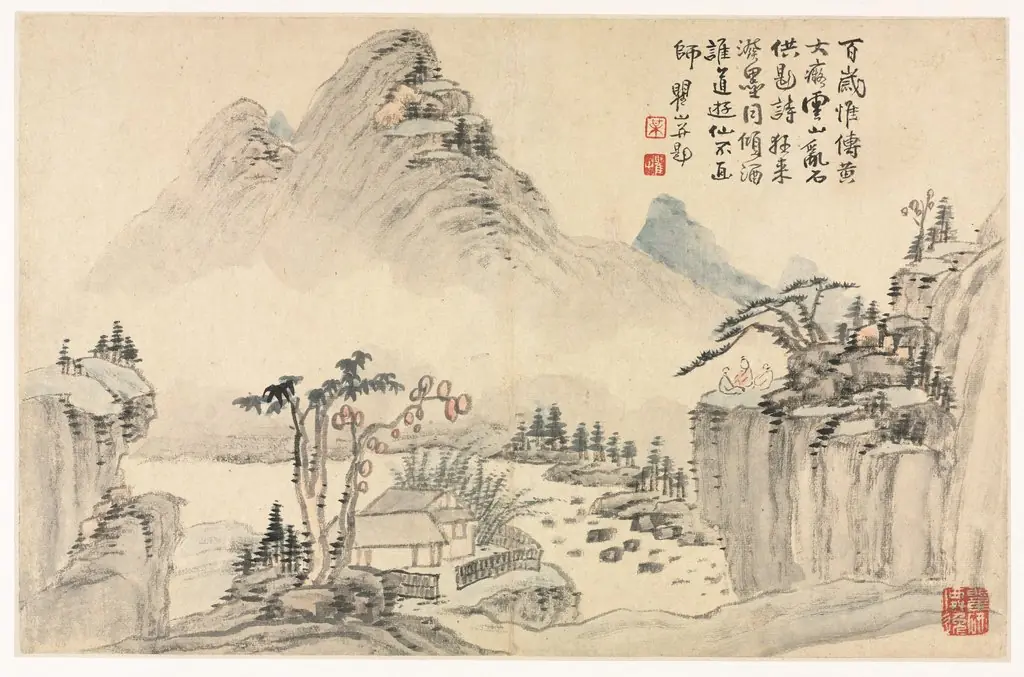
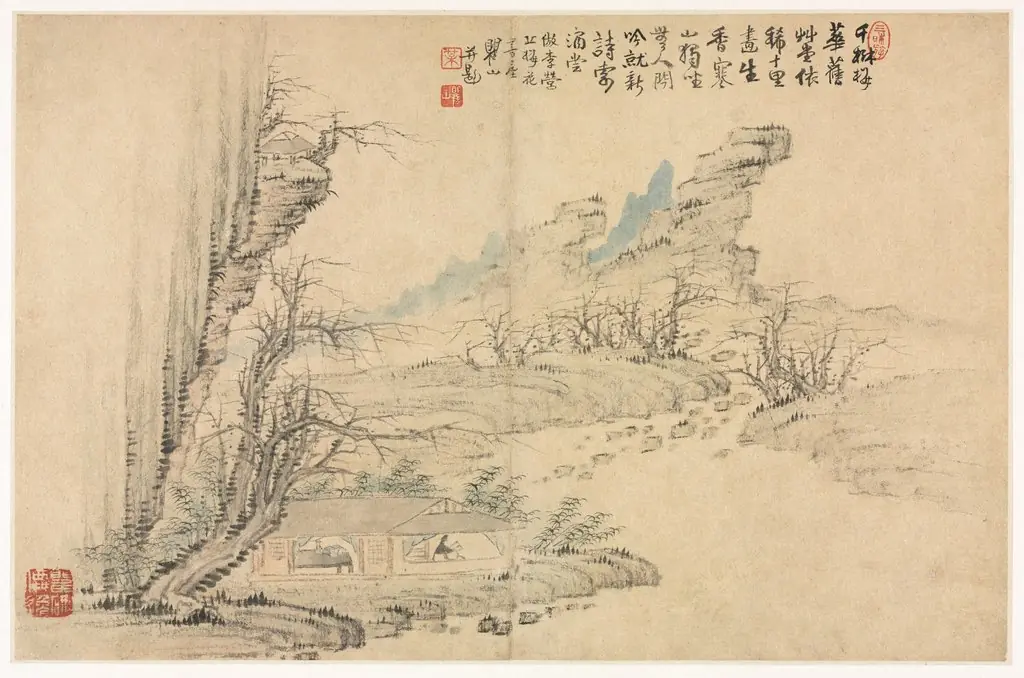
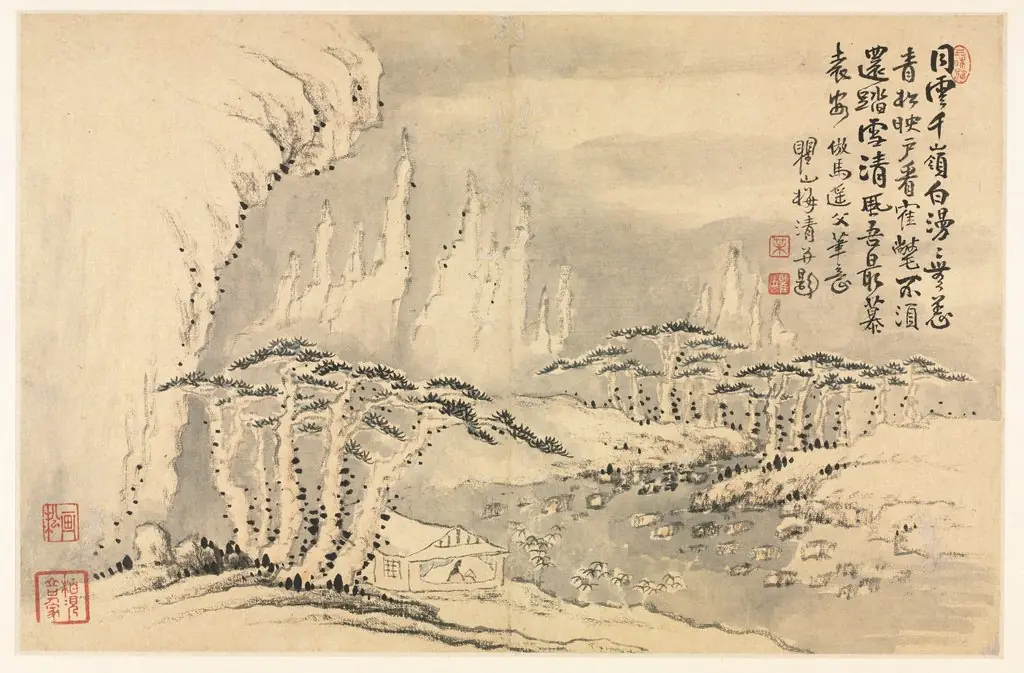
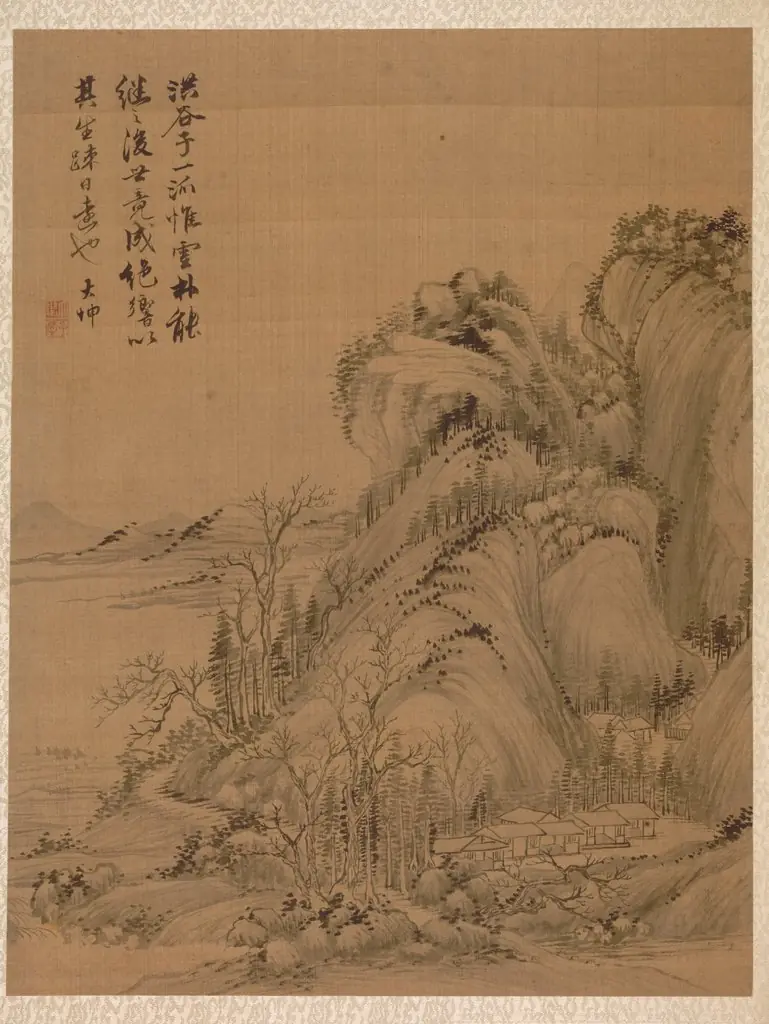
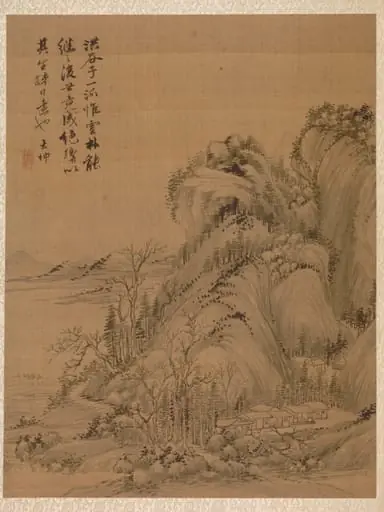
Dwellings beneath Folded Hills is a work on paper by the Romanticist artist Tsubaki Chinzan. It dates from 1847 and is held in the collection of the Cleveland Museum of Art.
About this work
Chinzan didn’t invent this scene—he copied it from a Chinese painter named Zhai Dakun, right down to the calligraphy.
You see tiny houses tucked under soft, rolling hills that look like crumpled paper. The ink is so light the paper almost shows through.
Chinzan didn’t invent this scene—he copied it from a Chinese painter named Zhai Dakun, right down to the calligraphy. It’s like learning handwriting by tracing someone else’s letters.
If you want to see more of this quiet, traced world, look up *japan, edo period (1615–1868)*.
Overview
Dwellings beneath Folded Hills is a hand-painted album by Japanese artist Tsubaki Chinzan, created during the Edo period. It contains a series of landscape drawings inspired by the work of Chinese painter Zhai Dakun. Chinzan did not compose original scenes but meticulously reproduced Zhai’s compositions, including their accompanying calligraphic inscriptions, as part of a broader practice of studying classical models through replication.
Subject & Meaning
The album depicts quiet, secluded dwellings nestled beneath gently undulating hills, rendered with minimal detail and a restrained palette. These scenes evoke solitude and harmony with nature, themes common in literati painting traditions. The absence of dramatic elements suggests contemplation rather than narrative, aligning with the scholarly ideal of quiet reverence for inherited artistic forms.
Technique & Style
Chinzan employed diluted ink washes to create translucent, atmospheric effects, allowing the paper’s texture to subtly show through. His brushwork is delicate and precise, mirroring Zhai Dakun’s approach. The compositions emphasize soft contours and sparse elements, avoiding bold outlines or strong contrasts. This technique reflects the literati preference for understated expression over decorative flourish.
History & Provenance
The album was produced in early 19th-century Japan, during a period when Japanese artists actively engaged with Chinese literati painting traditions. Chinzan’s copies of Zhai Dakun’s works were likely made from prints or original paintings accessible through cultural exchange between China and Japan. The album’s survival suggests it was valued as a study object rather than a commercial product.
Context
During the Edo period, Japanese artists often studied Chinese painting through imported albums and texts. Zhai Dakun’s style, rooted in Ming and Qing literati traditions, was admired for its restraint and scholarly tone. Chinzan’s replication of his works reflects a pedagogical approach common among Japanese painters seeking legitimacy through adherence to established Chinese models.
Legacy
The album stands as an example of how artistic knowledge was transmitted across cultures through careful emulation. Rather than signaling lack of originality, Chinzan’s copies demonstrate a disciplined engagement with tradition. Such works contributed to the development of Japanese ink painting by preserving and adapting Chinese aesthetic principles within a local context.
Own this work as a print
Artist & collection

Artist
Tsubaki Chinzan, originally Tasuku was a Japanese painter in the nanga style. His other art names include Hekiin Sambō, Kyūan (休庵), Shikyūan (四休庵) and Takukadō (琢華堂).