Artwork
Study of Sunlight
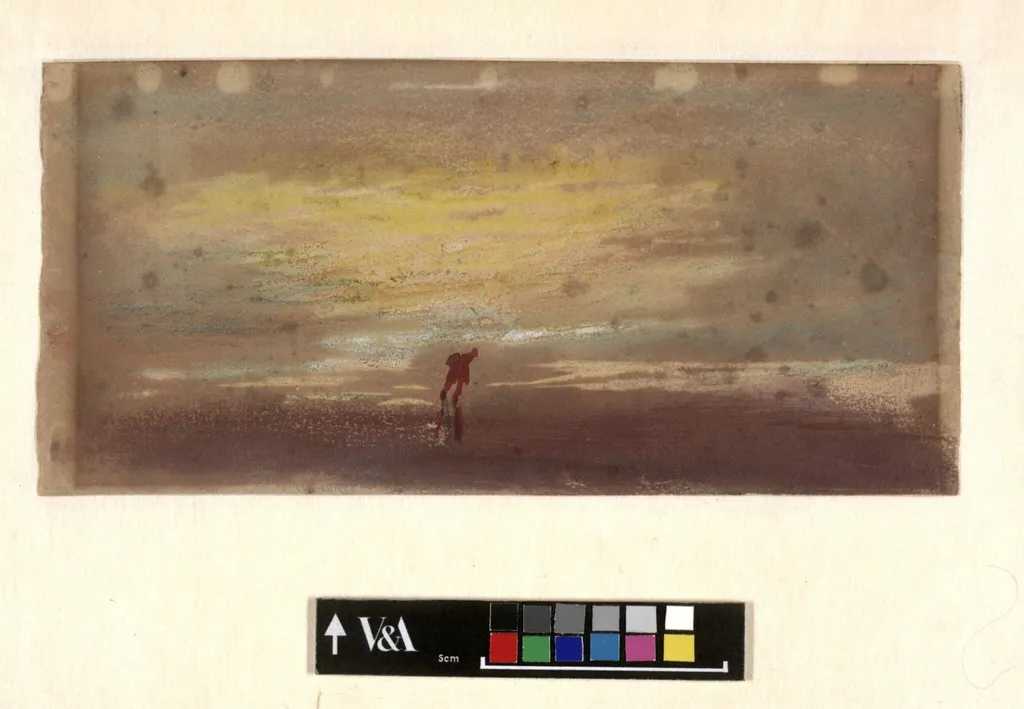
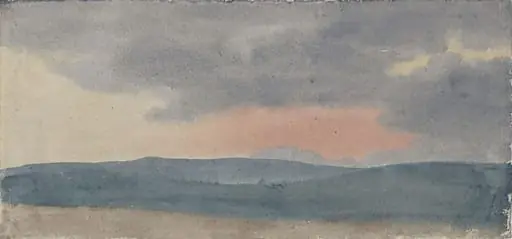
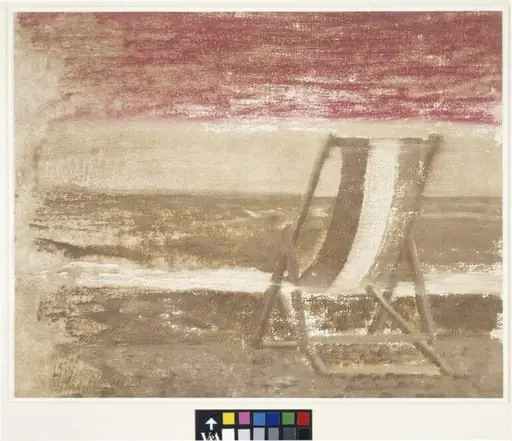
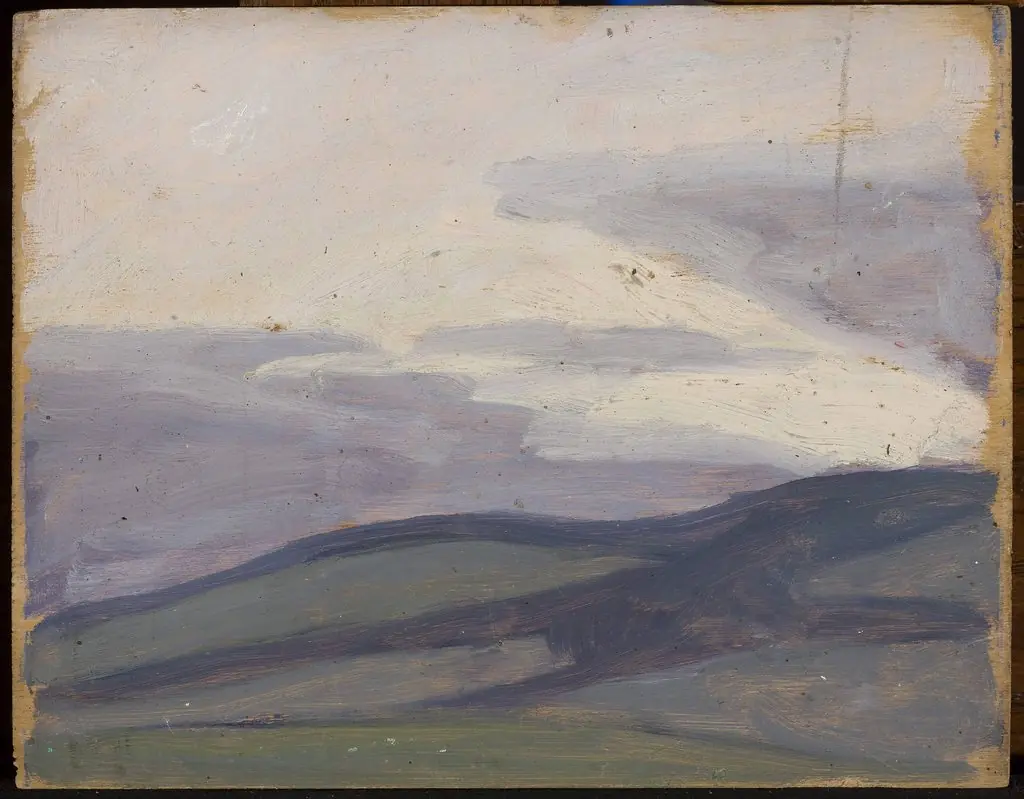
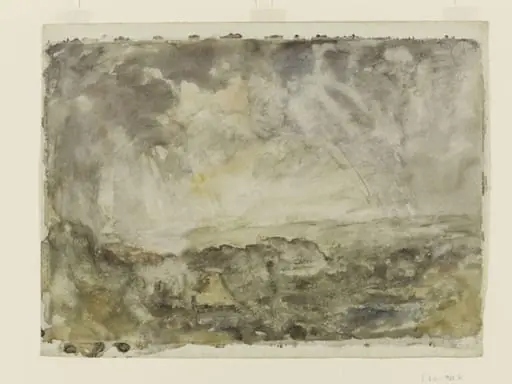
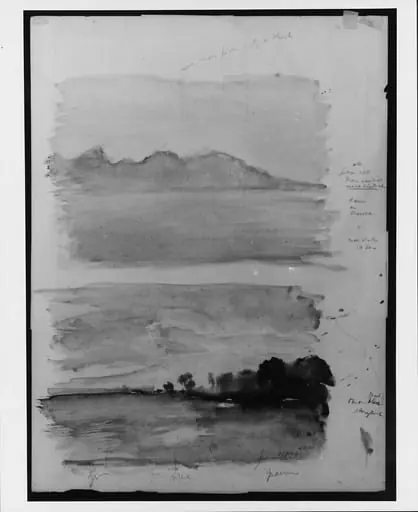
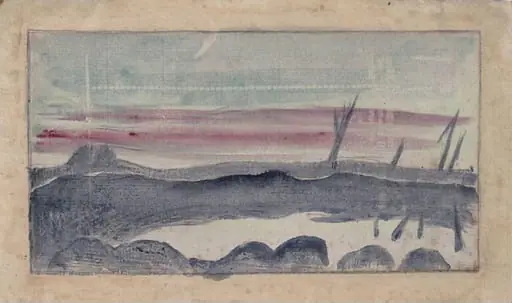
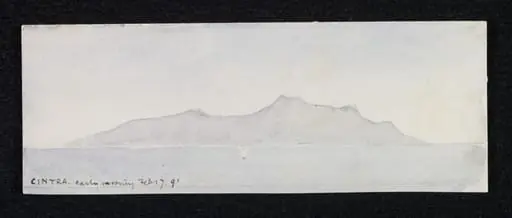
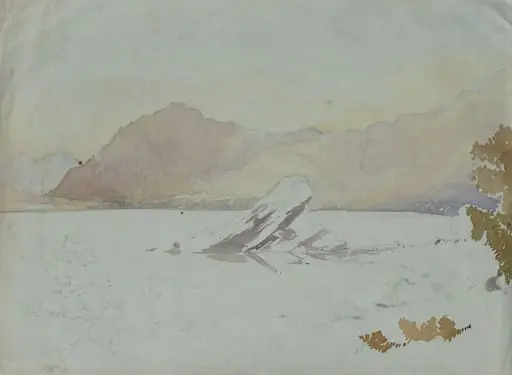
Study of Sunlight is a watercolor work on paper by the Romanticist artist Joseph Mallord William Turner. It dates from 1834 and is held in the collection of the Victoria and Albert Museum.
About this work
Overview
The medium’s transparency allows subtle gradations of colour to suggest the fading light, emphasizing atmosphere over detail.
Created in 1834, this watercolour by Joseph Mallord William Turner captures a quiet coastal moment at dusk. The composition is minimal: a single human form stands alone on a shore, framed by a vast sky. The medium’s transparency allows subtle gradations of colour to suggest the fading light, emphasizing atmosphere over detail. The work reflects Turner’s interest in natural phenomena and the emotional resonance of light.
Subject & Meaning
The solitary figure, rendered in silhouette, evokes contemplation and isolation. Positioned against the fading glow of sunset, the person becomes a quiet symbol rather than a specific individual. The absence of narrative detail invites interpretation—perhaps of human vulnerability before nature’s scale, or the transience of daylight. The focus remains on the interplay between figure and environment, not identity or action.
Technique & Style
Turner employed loose, fluid brushwork to suggest movement and luminosity. Watercolour’s inherent delicacy allowed him to layer pale yellows and blues, creating a sky that shifts from warm to cool as it descends. The horizon darkens subtly, while the figure’s back catches the last direct light, the brightest point in the composition. Wet-on-wet techniques blur edges, dissolving boundaries between land, sea, and sky.
History & Provenance
This watercolour was made during a period when Turner was increasingly focused on atmospheric effects and abstracted landscapes. It likely originated as a study for larger works or as an independent exploration of light. Its small scale suggests it was intended for private viewing rather than public exhibition. The work remained within Turner’s circle until entering institutional collections in the 20th century.
Context
In the 1830s, Turner was refining his approach to light and weather, moving away from topographical precision toward emotional expression through colour and form. This piece aligns with contemporary scientific interest in optics and atmospheric science, while also reflecting Romantic sensibilities toward nature’s sublime power. It stands apart from his more dramatic seascapes, offering instead a meditative stillness.
Legacy
This watercolour exemplifies Turner’s influence on later movements that prioritized perception over representation. Its emphasis on transient light and minimal form prefigures Impressionist concerns, though it remains rooted in the artist’s personal investigation of nature. The work continues to be studied for its technical economy and its quiet assertion of nature’s dominance over human presence.
Artist & collection
Artist
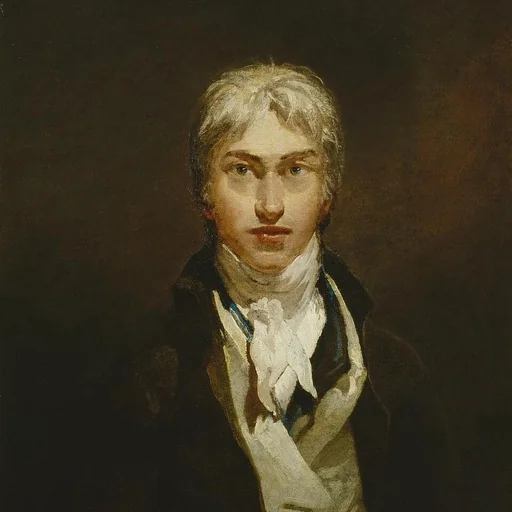
Joseph Mallord William Turner was born in 1775 at Maiden Lane, Covent Garden, where his father kept a barber and wig-making shop.