Artwork
Submontane landscape
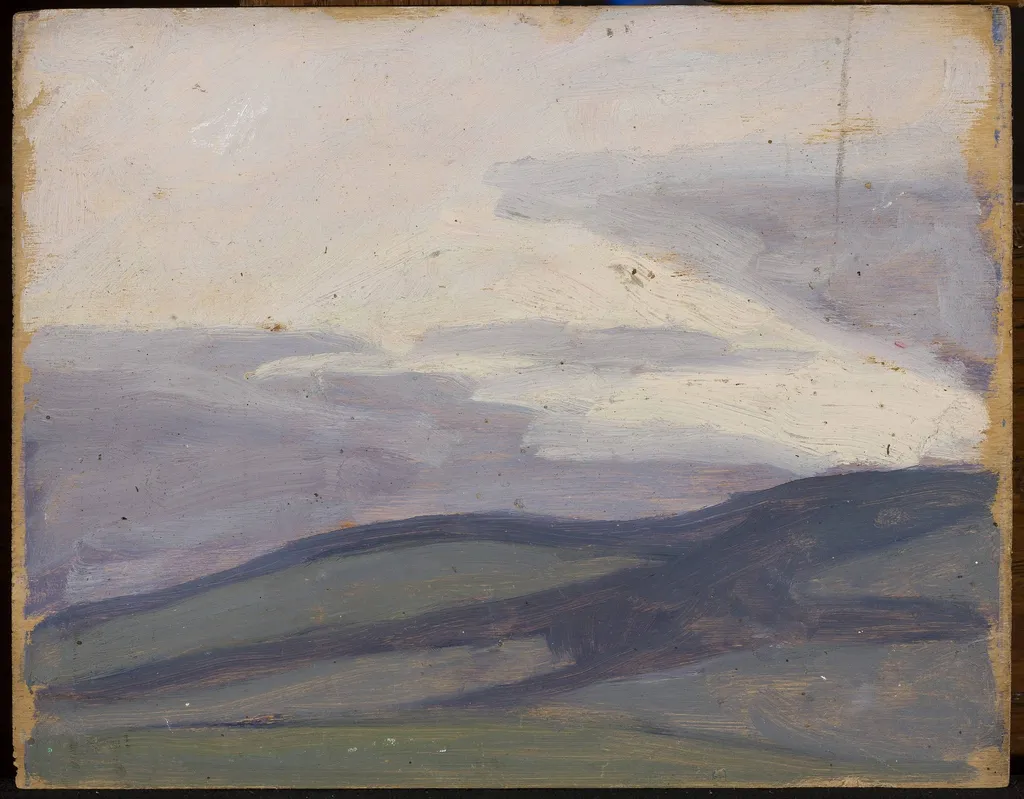
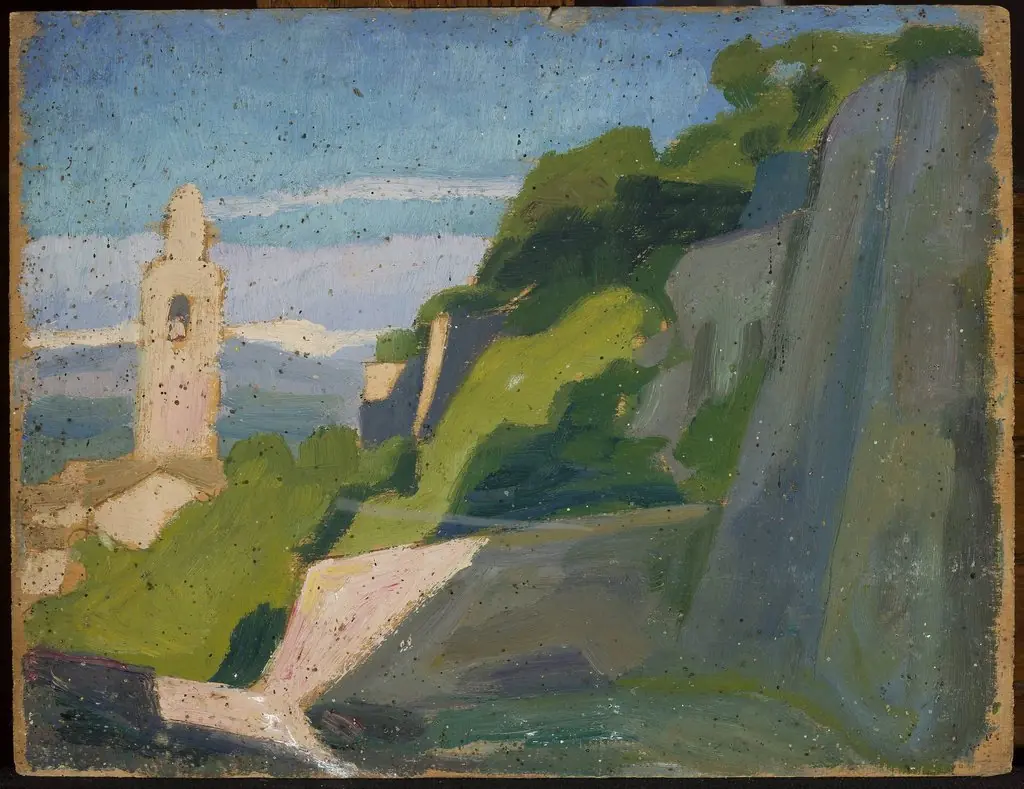
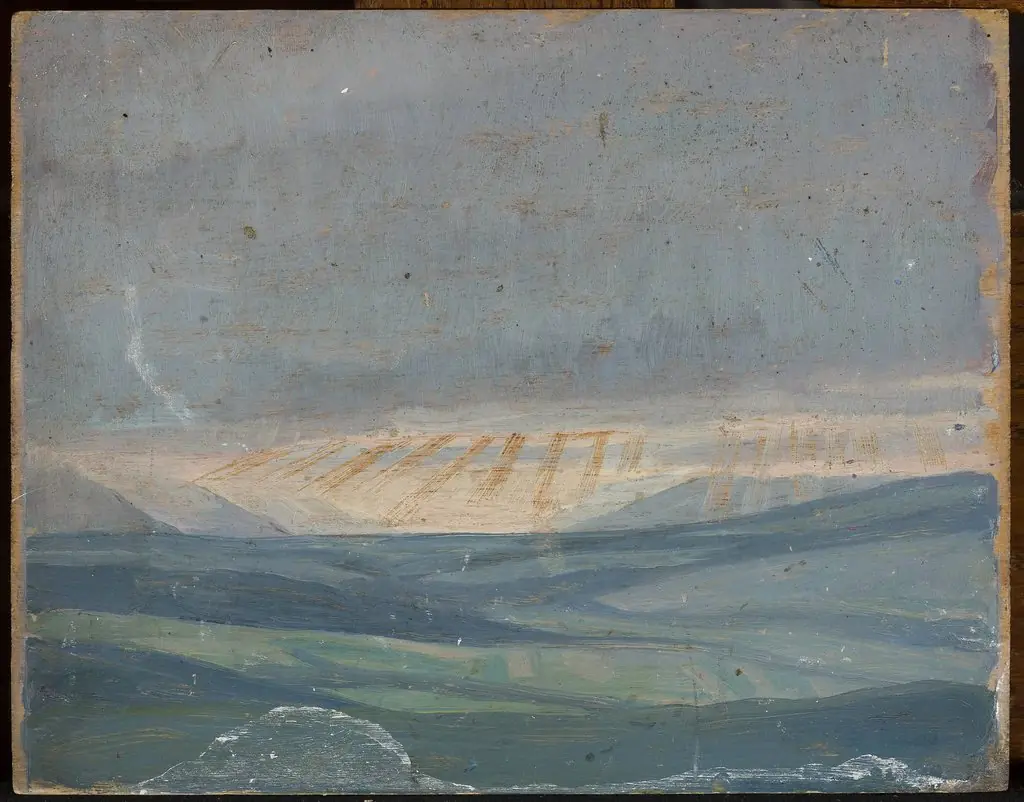
Submontane landscape is an oil painting by Jan Rembowski. It dates from 1911 and is held in the collection of the National Museum in Warsaw.
About this work
Overview
Submontane landscape is an oil painting created by Jan Rembowski around 1911. Characterized by visible brushstrokes and a textured appearance, the work captures a serene landscape of rolling hills and a cloudy sky, rendered in muted earth tones and grays.
Subject & Meaning
The painting depicts a peaceful landscape with rolling hills in shades of green and brown, set against a sky of gray and white clouds. This scene reflects Rembowski’s Symbolist approach, emphasizing mood and atmosphere over literal representation.
Technique & Style
Rembowski employed visible brushstrokes to achieve a textured look, aligning with early 20th-century Symbolist and Art Nouveau aesthetics. The palette’s restraint contributes to the work’s serene ambiance.
History & Provenance
Created circa 1911, Submontane landscape is part of the National Museum in Warsaw’s collection, highlighting Rembowski’s contribution to Poland’s early 20th-century Symbolist movement.
Context
Within the broader artistic landscape, Rembowski’s use of chiaroscuro (though not prominently featured in this piece) and emphasis on mood situates his work amidst European Symbolist explorations of the time.
Legacy
As a representative of Rembowski’s Symbolist output, Submontane landscape contributes to the understanding of early 20th-century Polish art’s engagement with international movements like Symbolism and Art Nouveau.
Artist & collection

Artist
Jan Rembowski (12 January 1879 in Warsaw – 26 January 1923 in Warsaw) was a Polish Symbolist painter, pastelist and sculptor. He was also associated with Art Nouveau.

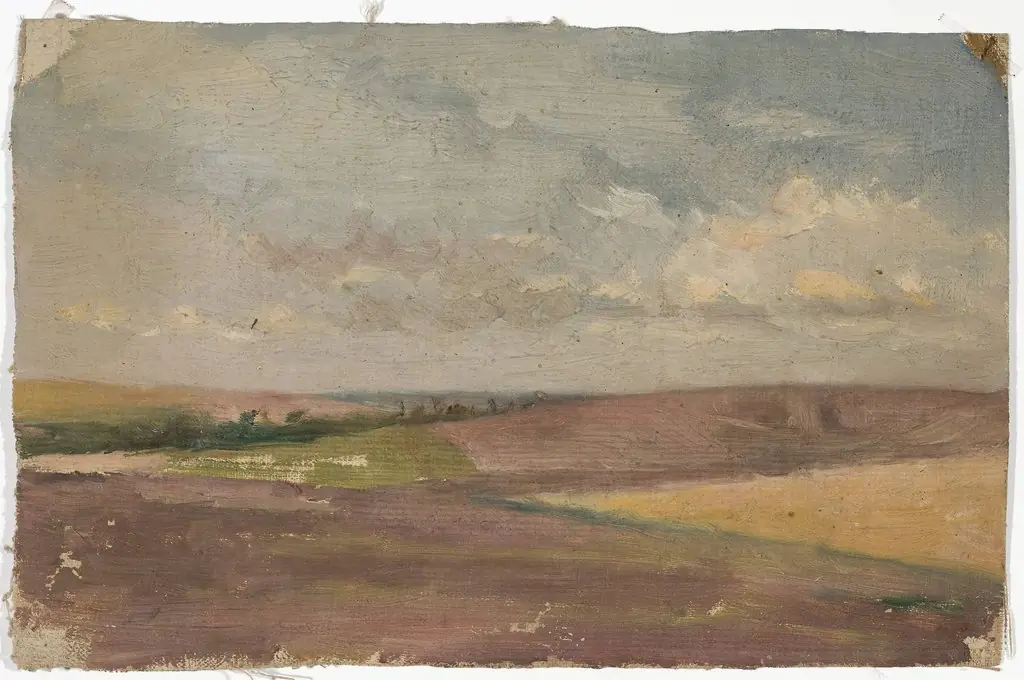 Polish landscape
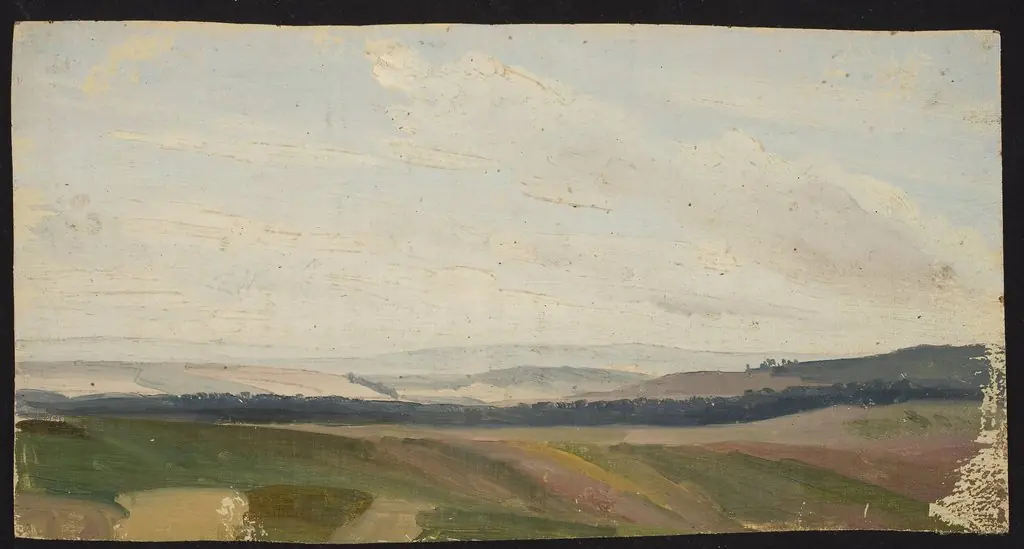 Lowland landscape, sketch
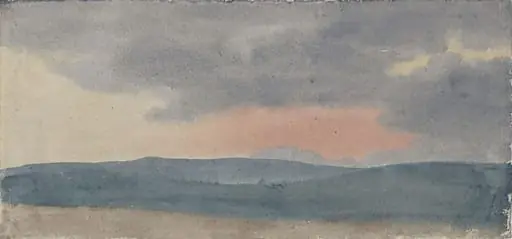 Landscape study
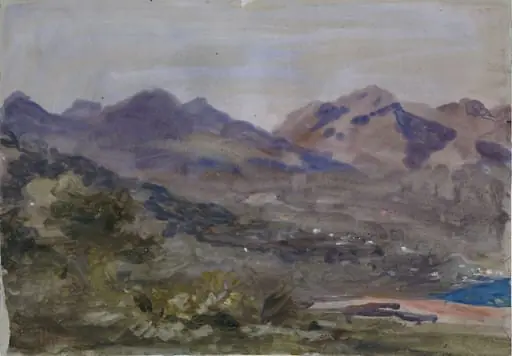 Above Mentone
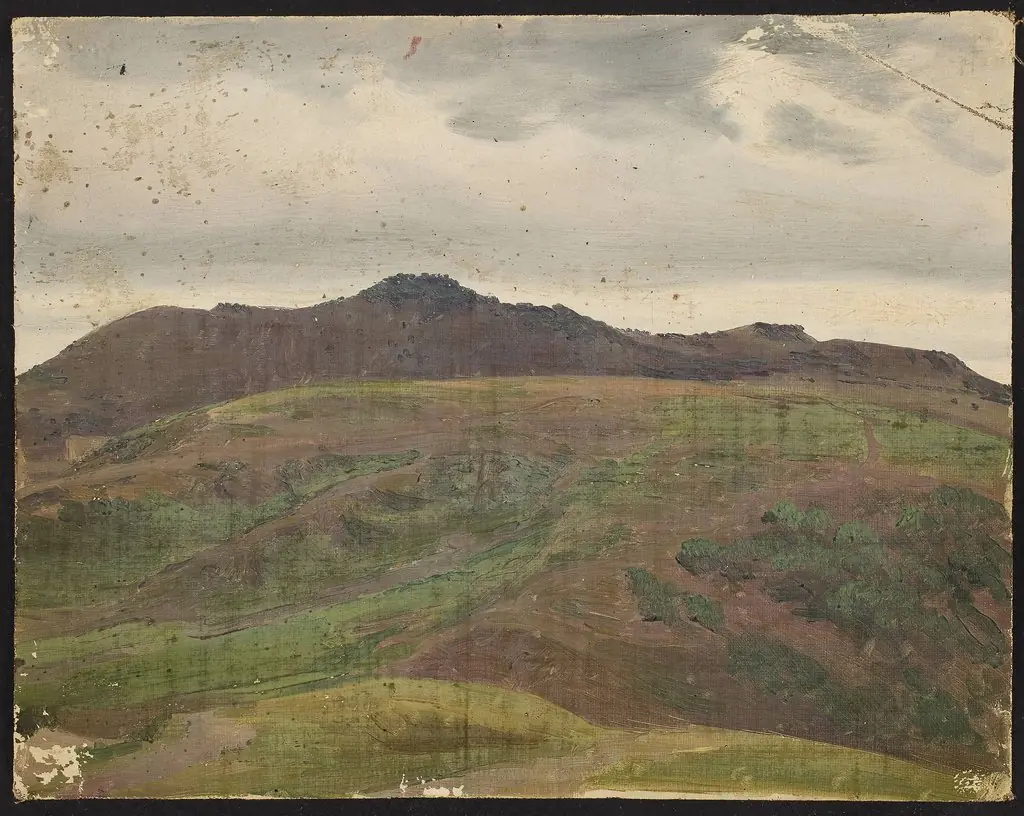 Landscape with a meadow and a range of hills, sketch
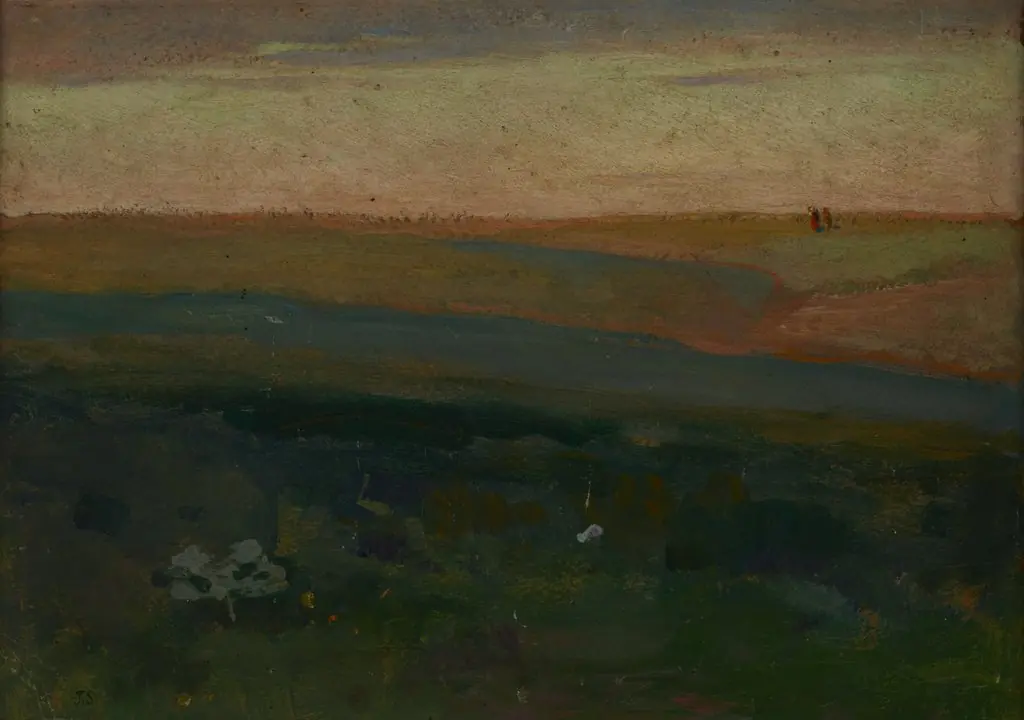 Green Steppe in the Ukraine
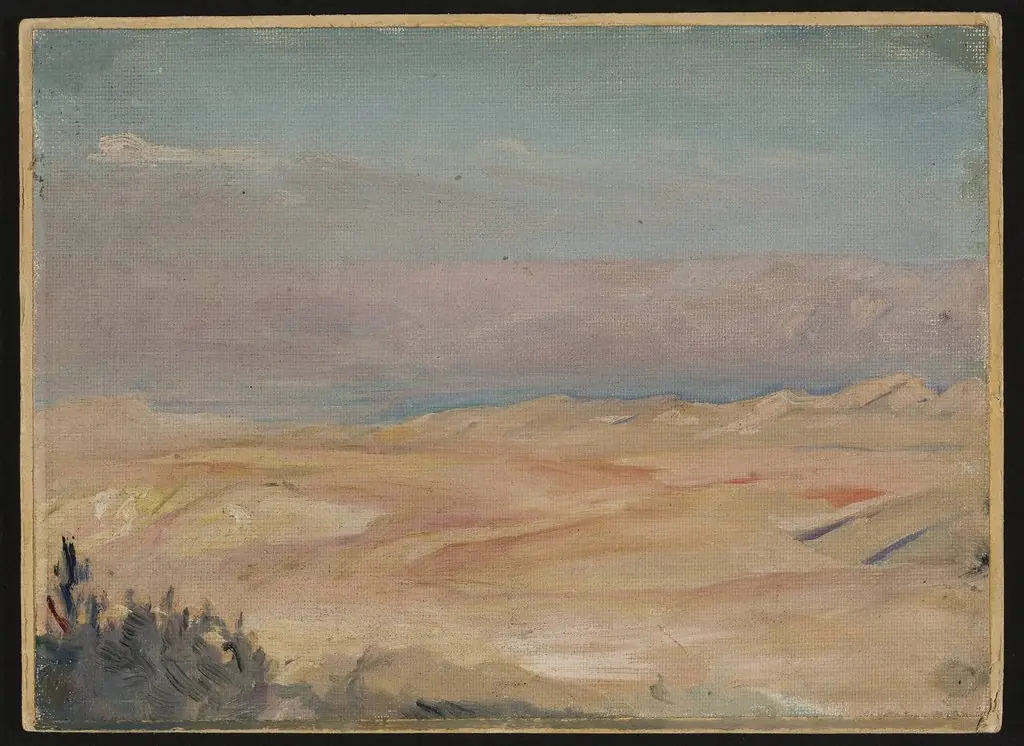 View from the Mount of Olives. From the journey to Palestine
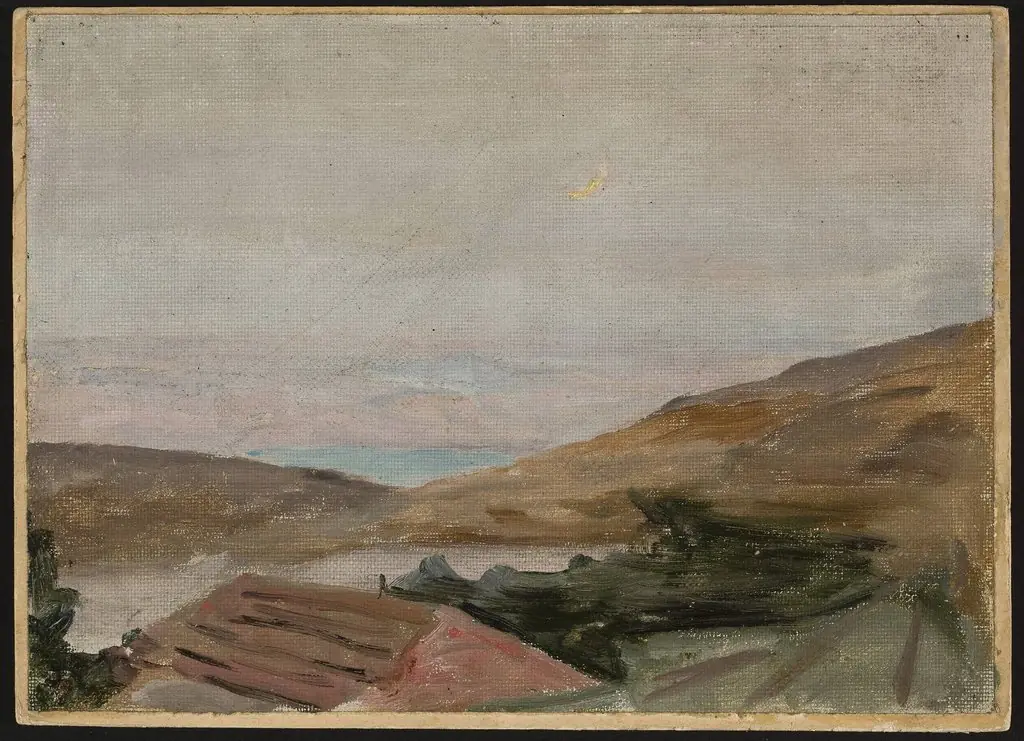 Tiberias. From the journey to Palestine
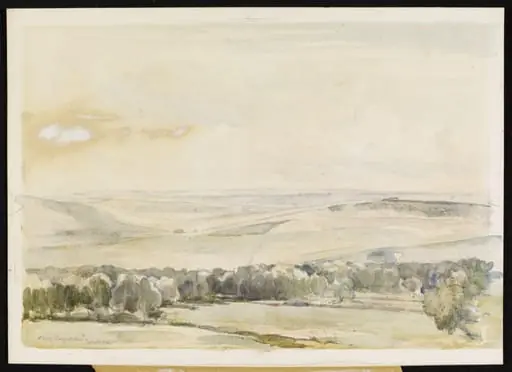 The Downs from Friston
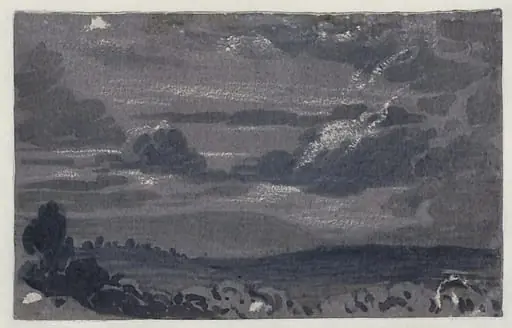 Study of a landscape with clouds