Artwork
唐(?) 佚名 佛畫八幅 散頁|Eight Buddhist Paintings
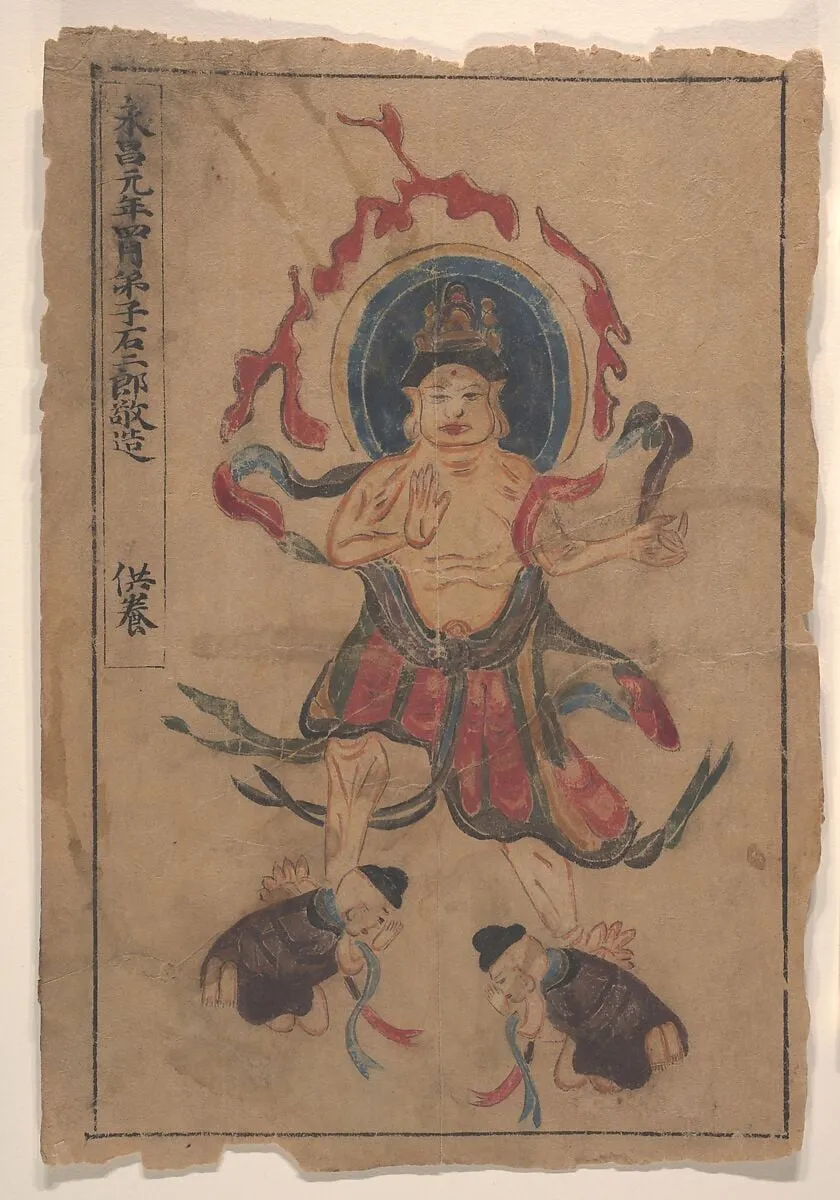
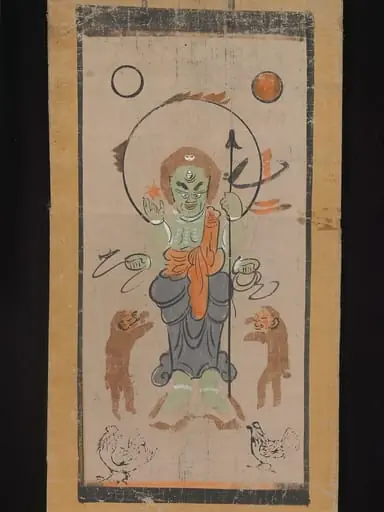
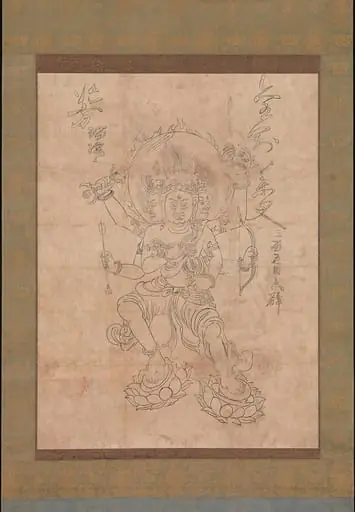
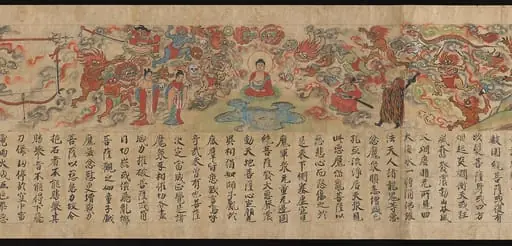
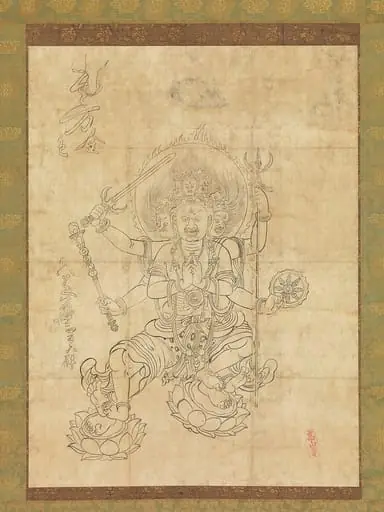
唐(?) 佚名 佛畫八幅 散頁|Eight Buddhist Paintings is an ink painting. It dates from 762 and is held in the collection of the Metropolitan Museum of Art. The work consists of eight separate paper leaves, each bearing an ink-and-color depiction of a Buddhist figure.
About this work
Overview
The work consists of eight separate paper leaves, each bearing an ink-and-color depiction of a Buddhist figure. The images present the subjects in modest robes, either seated or standing, rendered with a palette that was originally vivid but has since dulled with age. Though created in China, the leaves are now part of a collection in Mexico, having arrived there centuries ago.
Subject & Meaning
Each panel portrays a distinct Buddhist persona, likely drawn from canonical narratives or devotional contexts. The simplicity of the attire and posture suggests a focus on spiritual presence rather than elaborate iconography, inviting contemplation of the figures’ teachings and virtues.
Technique & Style
The artist employed traditional Chinese brushwork, combining ink outlines with washes of mineral and vegetable pigments. The compositions are compact, fitting the small format of the leaves, and the color application shows a restrained yet expressive handling characteristic of devotional painting in the late medieval period.
History & Provenance
The leaves were produced in China, though the precise date and workshop remain unidentified. They entered a Mexican collection at an early, undocumented point, likely through trade or missionary channels that moved Asian artworks to the Americas during the colonial era.
Context
These paintings belong to a broader tradition of portable Buddhist imagery used for personal devotion or teaching. Their format as separate leaves rather than a continuous scroll reflects a practical approach for travel or individual display, aligning with the itinerant religious practices of the time.
Legacy
Now housed outside their culture of origin, the eight paintings serve as a tangible link between East Asian religious art and the global circulation of objects in the early modern period, illustrating how devotional media crossed continents and continue to inform cross‑cultural scholarship.
Artist & collection

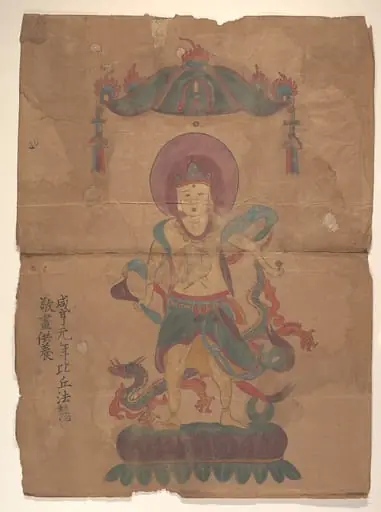 唐 法慧等 菩薩像二幅|Two Buddhist Paintings
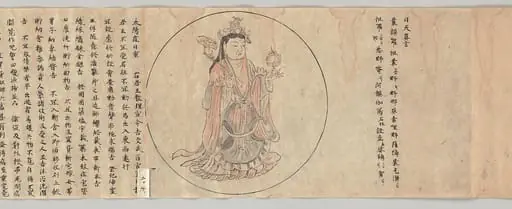 宗観筆 九曜秘暦図像 |Iconographic Drawings of the Secrets of the Nine Luminaries
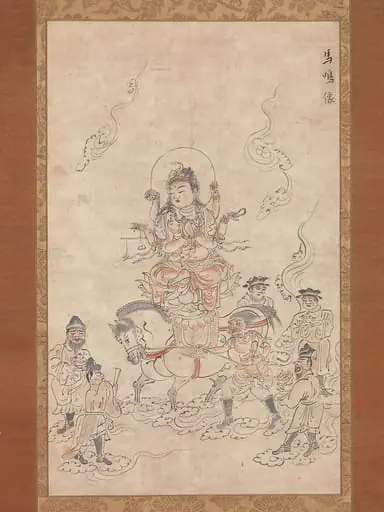 馬鳴菩薩図像|Iconographic Drawing of the Bodhisattva Memyō (Ashvaghosha)
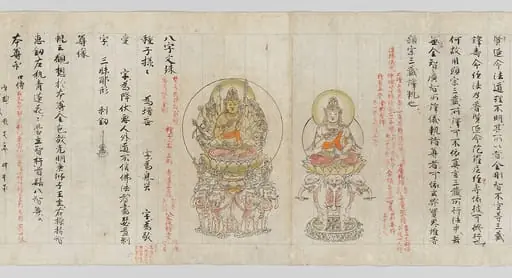 真言諸尊図像抄|Scroll from the Compendium of Iconographic Drawings (Zuzōshō)
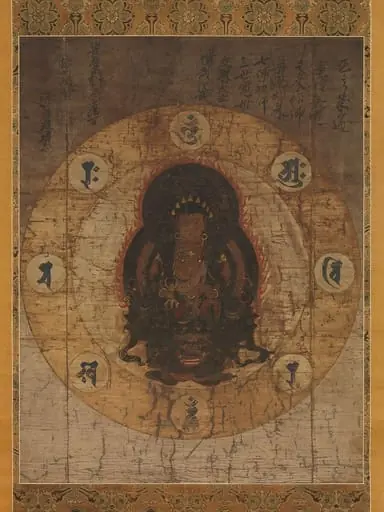 八字文殊菩薩像|Monju Bosatsu with Eight Sacred Sanskrit Syllables
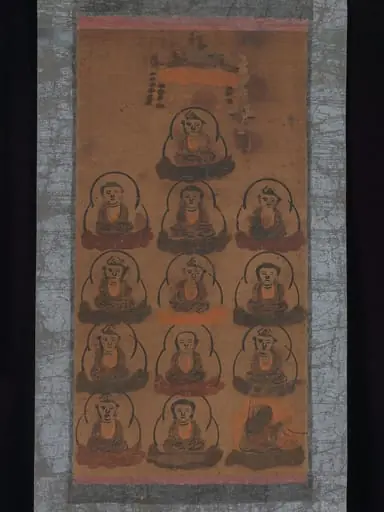 十三仏図大津絵|Ōtsu-e of Thirteen Buddhist Deities
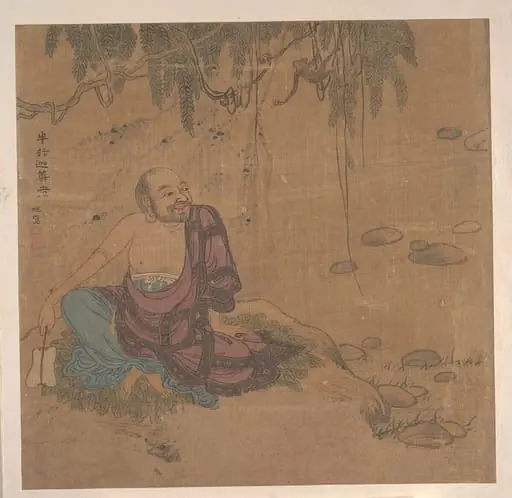 明 宋旭 羅漢圖 冊|Ten Paintings of Luohans