Artwork
明/清 佚名 賣花郎 冊頁|Flower Vendor
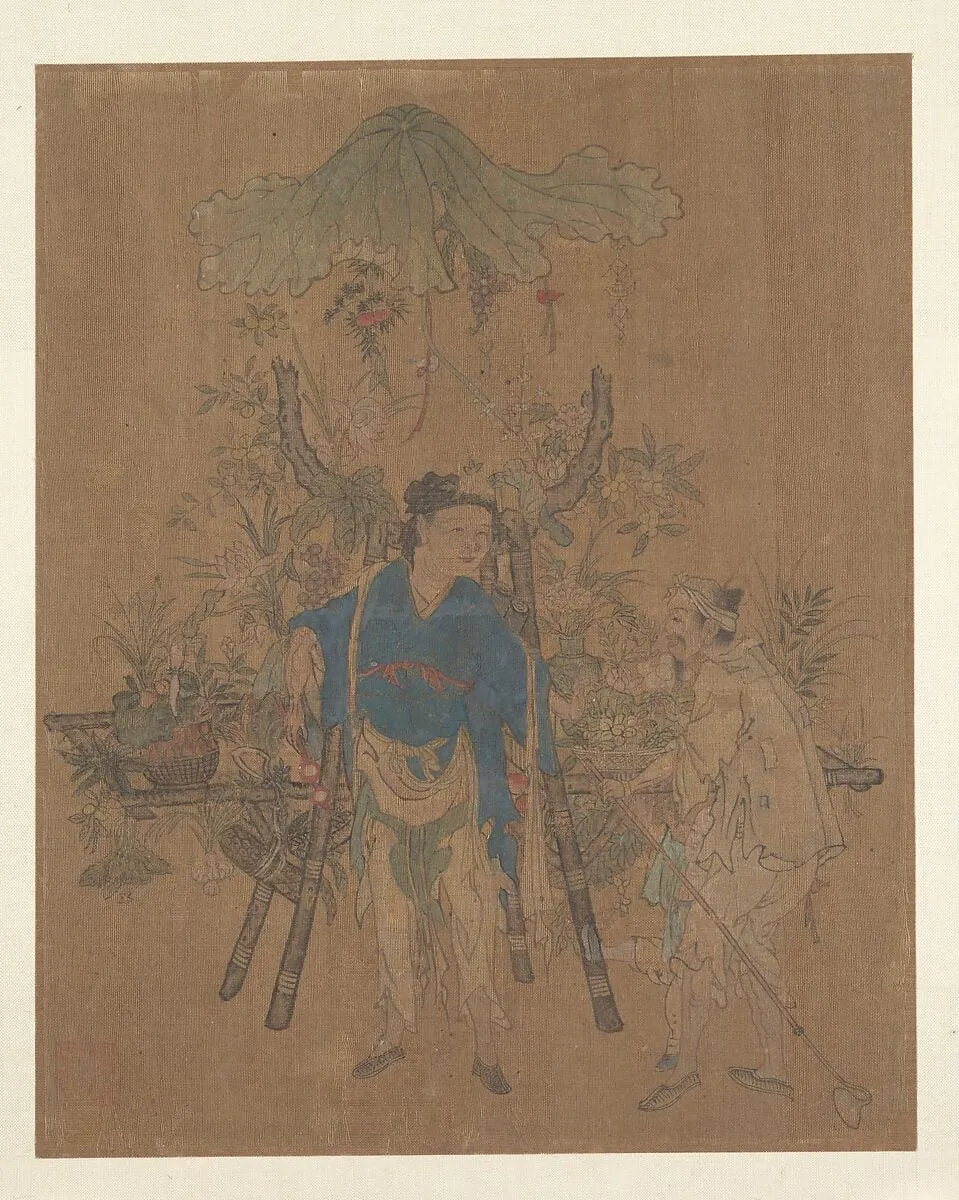
明/清 佚名 賣花郎 冊頁|Flower Vendor is an ink painting. It dates from 1639 and is held in the collection of the Metropolitan Museum of Art. This album leaf, executed in ink and color on silk, depicts a solitary figure engaged in the trade of flowers.
About this work
Overview
This album leaf, executed in ink and color on silk, depicts a solitary figure engaged in the trade of flowers. The composition is confined to a modest interior space, where the vendor, dressed in traditional attire, stands beside an arrangement of vividly rendered blossoms. The work exemplifies the delicate brushwork and subtle palette typical of Chinese album painting.
Subject & Meaning
The central figure is a flower seller, his gentle expression and carefully detailed costume suggesting a respectful portrayal of everyday labor. The inclusion of assorted, brightly colored flowers underscores the commercial and aesthetic value of horticulture in the period, while the serene setting conveys a calm, orderly atmosphere associated with market transactions.
Technique & Style
The overall style aligns with the literati tradition of album painting, emphasizing elegance and refined observation.
Rendered on silk, the piece combines fine ink lines with washes of mineral and vegetable pigments. The artist employs precise, controlled strokes to delineate the figure’s garments and the intricate patterns of the fabric, while the blossoms are treated with layered coloration that gives them a three‑dimensional presence. The overall style aligns with the literati tradition of album painting, emphasizing elegance and refined observation.
History & Provenance
Attributed to an anonymous hand from the Ming or early Qing dynasty, the leaf forms part of a larger album format common in Chinese court and scholarly circles. The work entered the collection of the Metropolitan Museum of Art, where it is catalogued among other silk paintings that illustrate the evolution of genre scenes in pre‑modern China.
Artist & collection

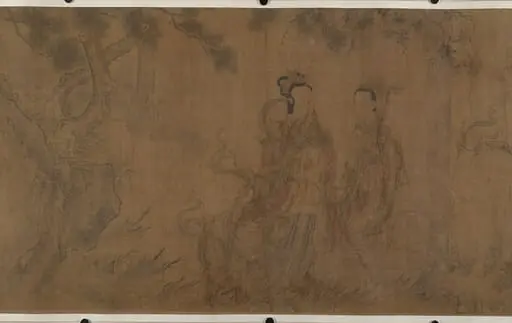 元? 佚名 仿李公麟 屈原九歌圖 卷|The Nine Songs: Illustrations to the poems of Qu Yuan (343–277 B.C.)
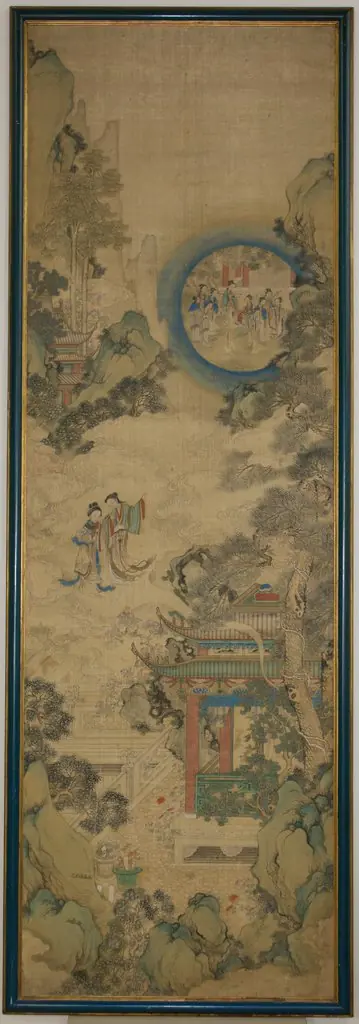 Three scenes from festivals of the twelve months
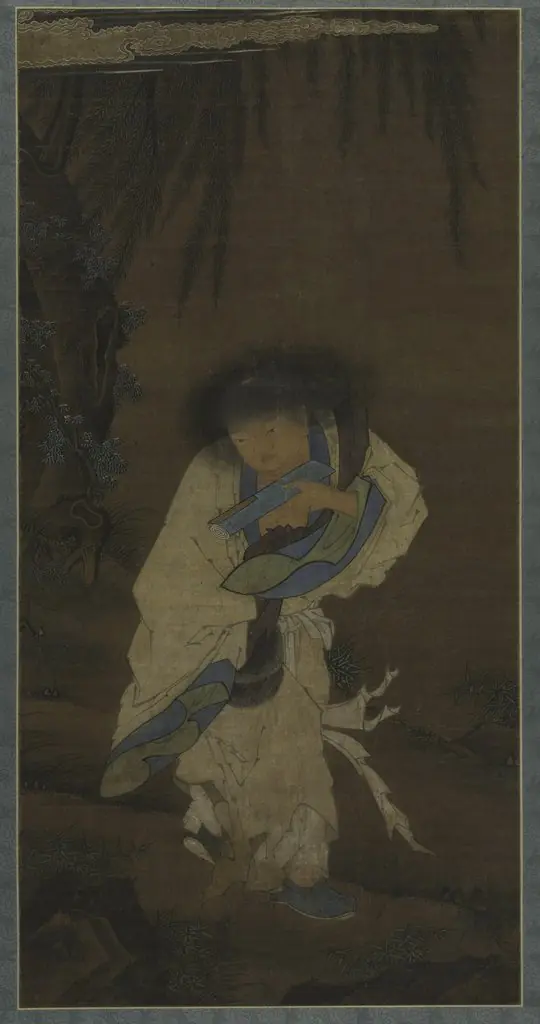 Poet and Recluse Hanshan
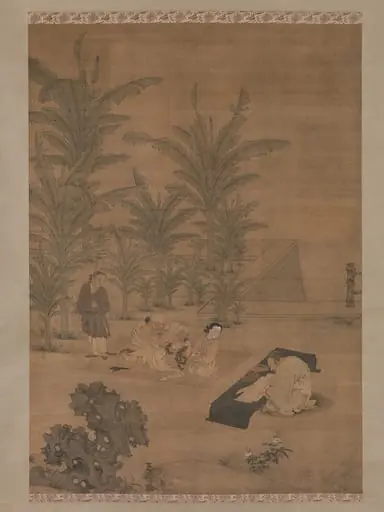 明 杜堇 伏生授經圖 軸|The Scholar Fu Sheng Transmitting the Book of Documents
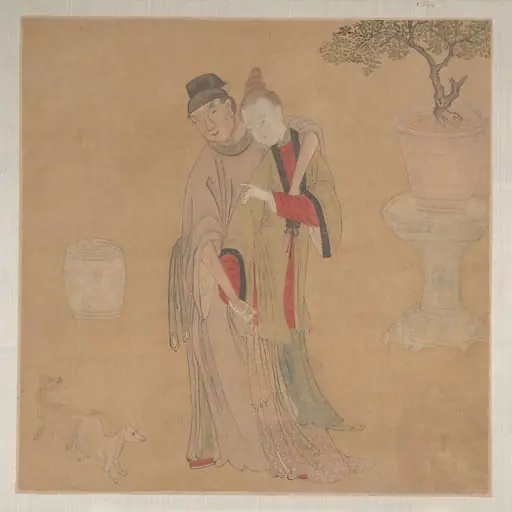 清 佚名 傳勾龍爽 番酋四歡八樂圖 冊頁|Tartar Officer with Blonde Lady
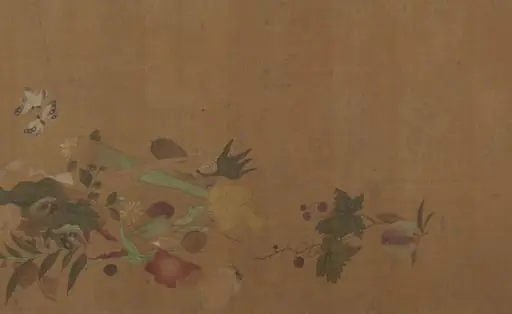 清 佚名 傳錢選 花果草蟲圖 卷|Flowers and Insects
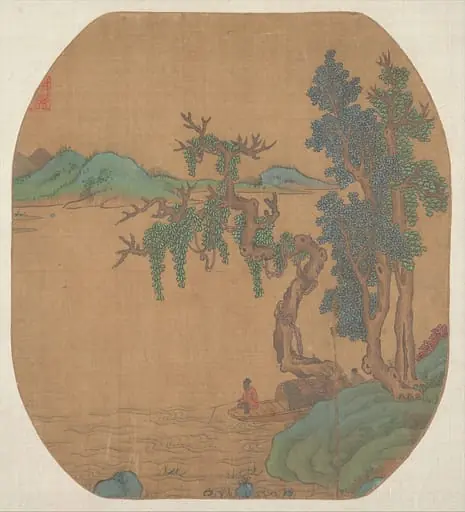 Untitled