Artwork
南宋 佚名 猿鹿圖 冊頁|Gibbons and Deer
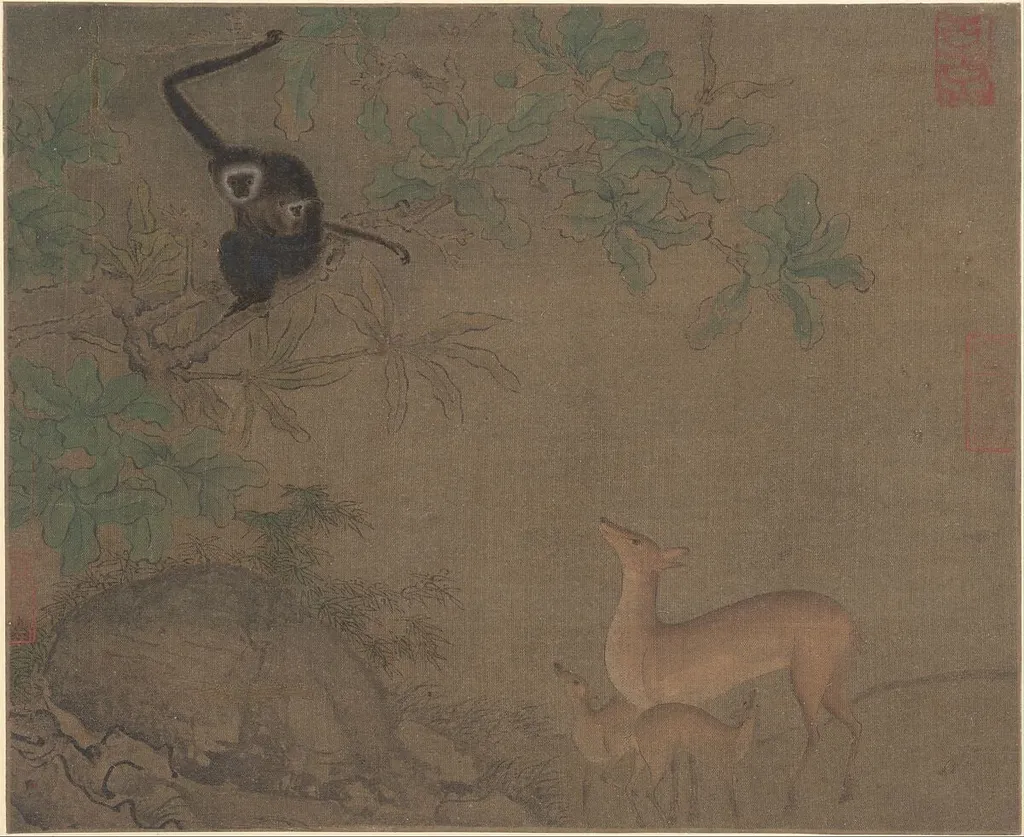
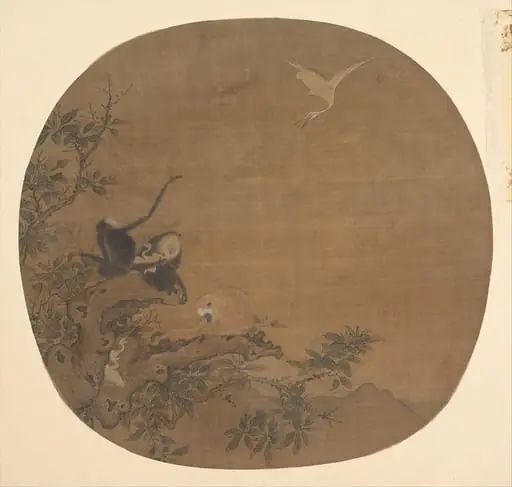
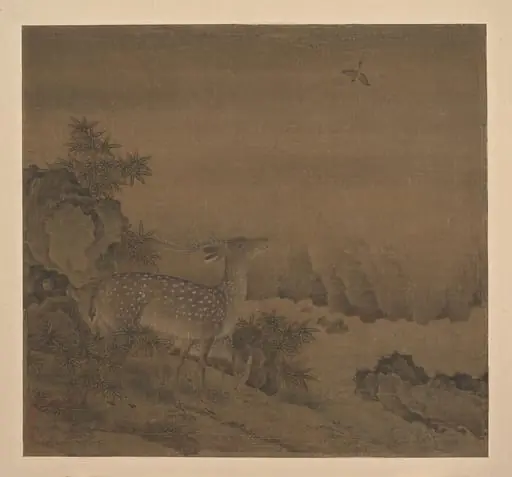
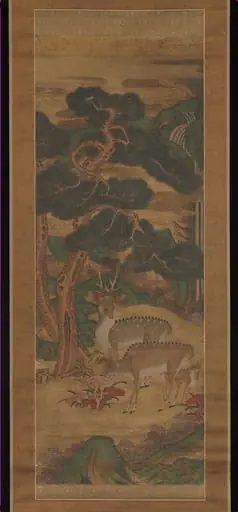
南宋 佚名 猿鹿圖 冊頁|Gibbons and Deer is an ink painting. It dates from 1239 and is held in the collection of the Metropolitan Museum of Art. This Southern Song album leaf, attributed to an unknown hand, presents a tranquil scene of gibbons and deer rendered on silk.
About this work
Overview
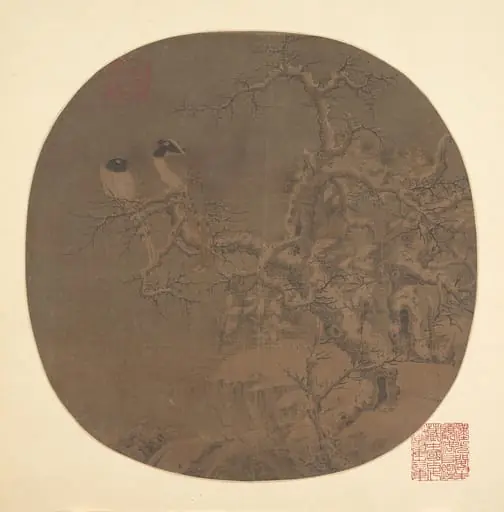
This Southern Song album leaf, attributed to an unknown hand, presents a tranquil scene of gibbons and deer rendered on silk. Executed with ink and subtle colour washes, the work exemplifies the refined aesthetic of courtly painting in the 13th‑14th centuries, where natural subjects were portrayed with restrained elegance.
Subject & Meaning
The composition juxtaposes two emblematic animals: agile gibbons, symbols of wit and freedom, and gentle deer, often associated with longevity and grace. Their placement within a serene landscape suggests a harmonious coexistence, reflecting contemporary Daoist ideals of balance between humanity, nature, and the spiritual realm.
Technique & Style
The artist employs fine, flowing brushstrokes to delineate the gibbons’ limbs and the deer's form, while muted pigments provide a soft atmospheric backdrop. The use of ink on silk allows for delicate line work and a luminous surface, enhancing the sense of quiet movement and spatial depth without heavy detailing.
History & Provenance
Created during the Southern Song dynasty (1127–1279), the piece survives as an album leaf, a format commonly used for personal collections and scholarly exchange. Its anonymity is typical of many courtly works of the period, where the focus was on the collective aesthetic rather than individual authorship.
Artist & collection