Artwork
清 佚名 大勢至菩薩像 軸|Mahasthamaprapta Bodhisattva
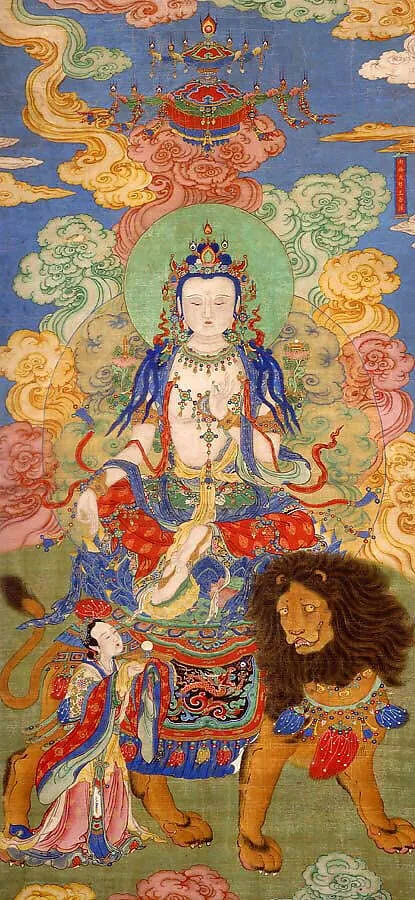
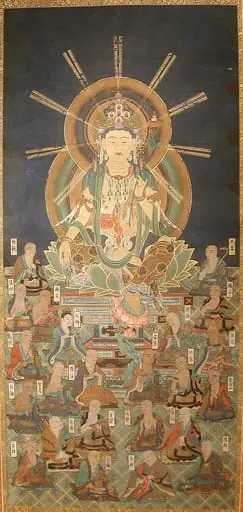
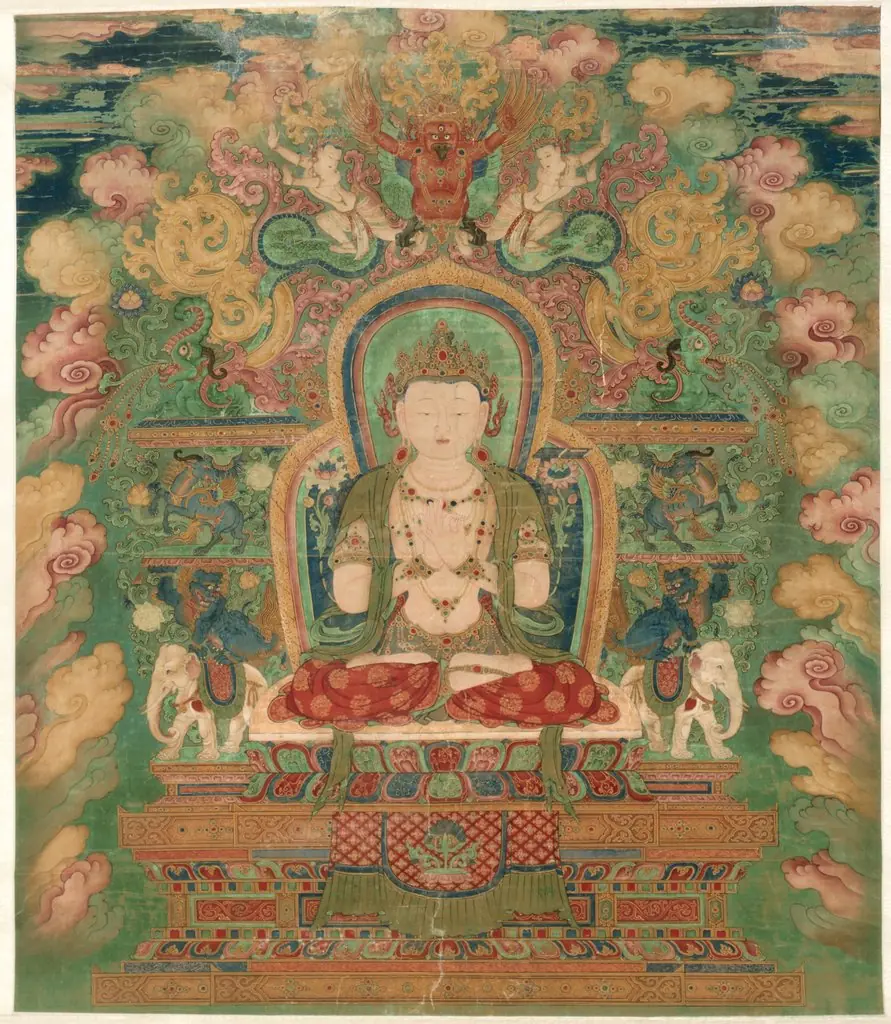
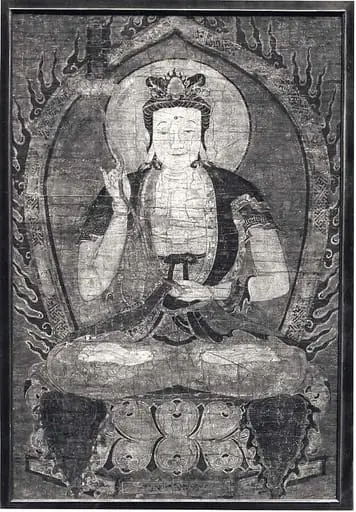
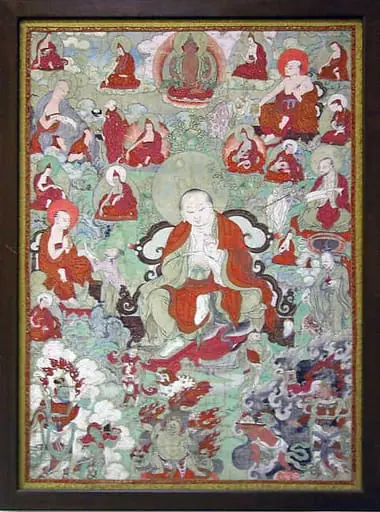
清 佚名 大勢至菩薩像 軸|Mahasthamaprapta Bodhisattva is an ink painting. It dates from 1700 and is held in the collection of the Metropolitan Museum of Art. This anonymous Qing dynasty painting depicts Mahasthamaprapta Bodhisattva, a significant figure in Buddhist tradition.
About this work
Overview
Rendered with ink and color on silk as a hanging scroll, the artwork presents the bodhisattva in a characteristic state of tranquility.
This anonymous Qing dynasty painting depicts Mahasthamaprapta Bodhisattva, a significant figure in Buddhist tradition. Rendered with ink and color on silk as a hanging scroll, the artwork presents the bodhisattva in a characteristic state of tranquility. The composition features the central figure encircled by lions, a common motif in religious iconography, contributing to the overall delicate and intricate visual design.
Subject & Meaning
The central figure is Mahasthamaprapta, a bodhisattva revered in Buddhism, particularly within Pure Land traditions. This spiritual being is presented with a calm and serene demeanor, a typical representation emphasizing inner peace and compassion. The surrounding lions often symbolize strength, protection, and the Buddha's teachings, reinforcing the bodhisattva's power and benevolent influence within the sacred narrative.
Technique & Style
Executed as a hanging scroll, the painting utilizes ink and color applied to silk. This traditional East Asian medium allows for a refined aesthetic, where the pigments absorb into the fibers, creating subtle gradations and a soft visual texture. The delicate application of color and precise brushwork contribute to an intricate design, characteristic of devotional Buddhist art from the period.
Context
Created during China's Qing dynasty by an unknown artist, this painting exemplifies the enduring tradition of Buddhist art. The stylistic approach, employing ink and color on silk for religious imagery, aligns with broader artistic practices of the era. Similar works can be found in major collections, such as The Metropolitan Museum of Art, offering further insight into the historical and aesthetic currents that shaped such devotional pieces.
Artist & collection