Artwork
羅漢図|Rakan
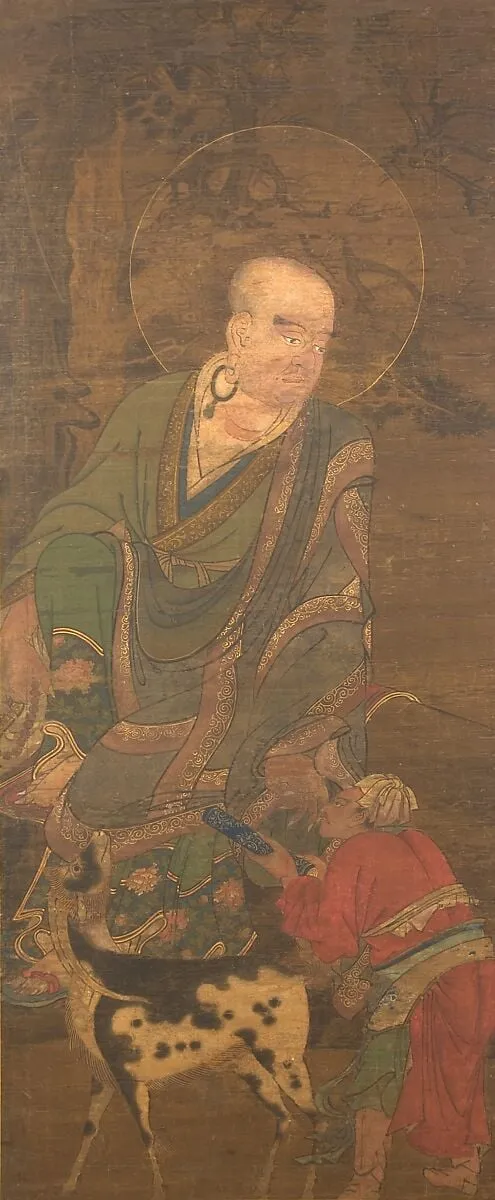
羅漢図|Rakan is an ink painting. It dates from 1486 and is held in the collection of the Metropolitan Museum of Art. This artwork, titled Rakan (羅漢図), is presented as a hanging scroll, meticulously crafted using ink, color, gold, and cut gold on silk.
About this work
Overview
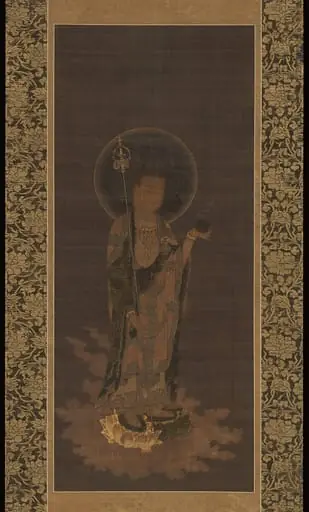
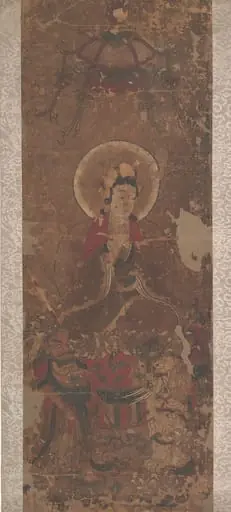
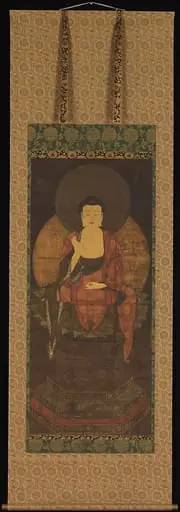
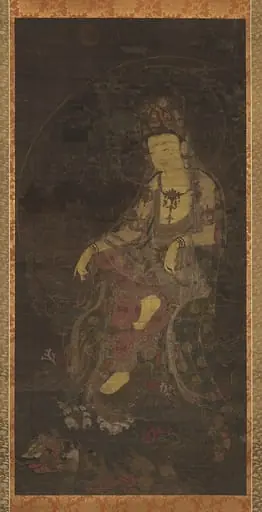
This artwork, titled Rakan (羅漢図), is presented as a hanging scroll, meticulously crafted using ink, color, gold, and cut gold on silk. The painting depicts a scene populated by human figures and various animals. Its distinctive use of precious materials, particularly the gold elements, contributes significantly to the visual richness and intricate layering evident throughout the composition.
Subject & Meaning
The title "Rakan" refers to arhats, who are enlightened disciples of the Buddha, frequently featured in East Asian Buddhist art.
The title "Rakan" refers to arhats, who are enlightened disciples of the Buddha, frequently featured in East Asian Buddhist art. This specific painting illustrates men and animals within a setting identified as Japanese. Such depictions typically convey narratives or embody characteristics associated with these revered figures, although the precise story or symbolic meaning of this particular scene is not detailed.
Technique & Style
The artist employed a sophisticated blend of materials to realize this hanging scroll. Ink and color establish the primary imagery, while the strategic application of gold and cut gold (kirikane) on silk significantly elevates the work. This integration of metallic elements is a hallmark of the piece, lending a notable sense of depth and opulence to the overall aesthetic.
Artist & collection