Artwork
Untitled
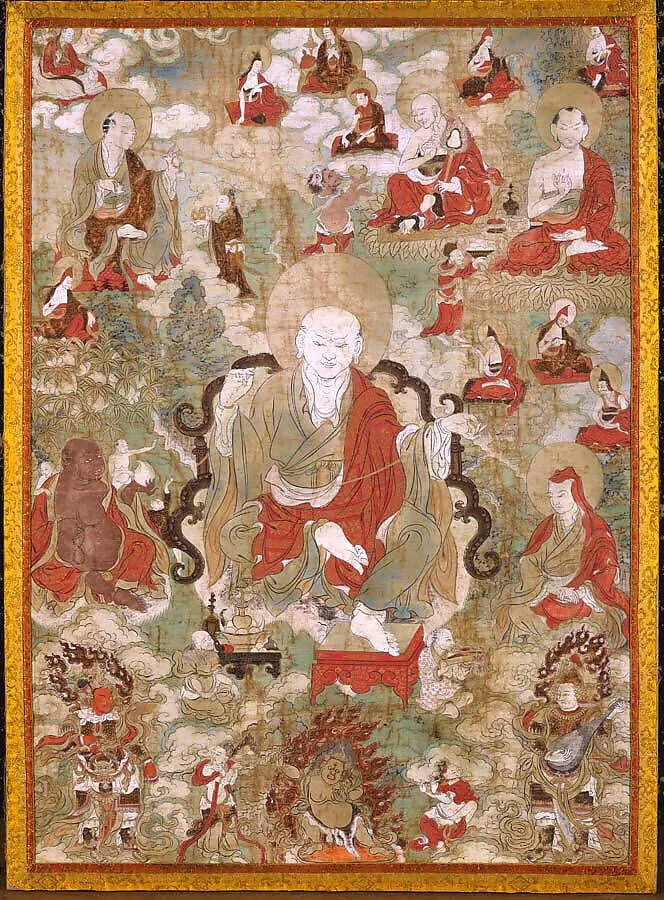
Untitled is a watercolor painting. It dates from 1506 and is held in the collection of the Metropolitan Museum of Art. The work is the side panel of a three‑part painted ensemble, executed in watercolor on linen and framed as a single unit.
About this work
Overview
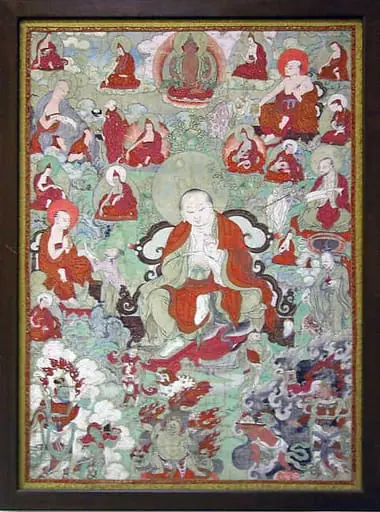
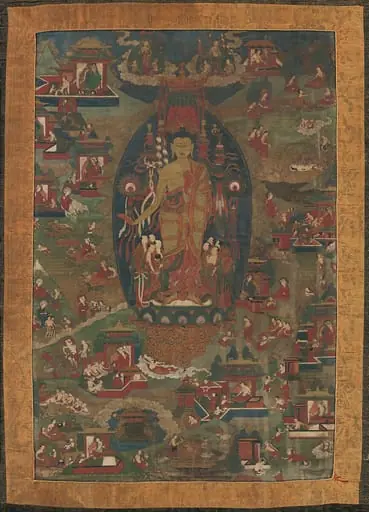
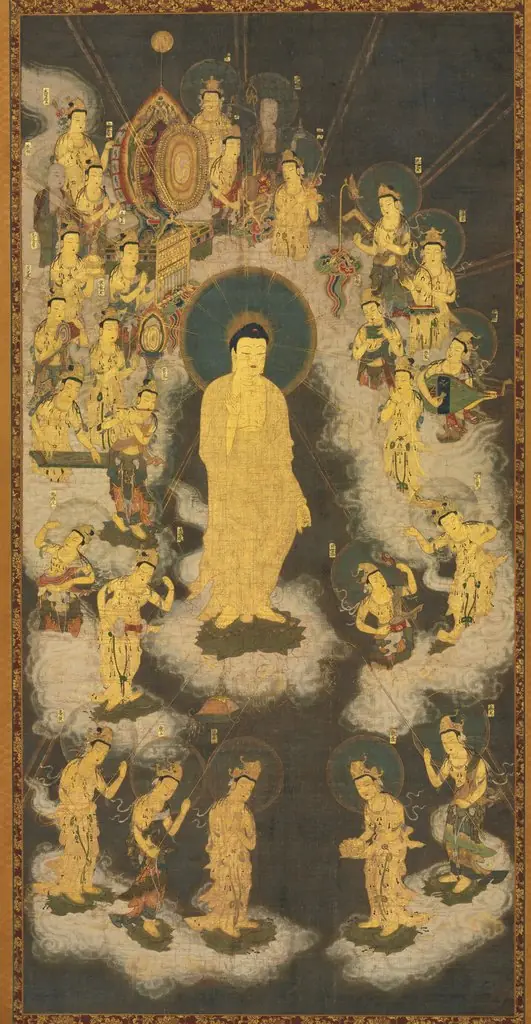
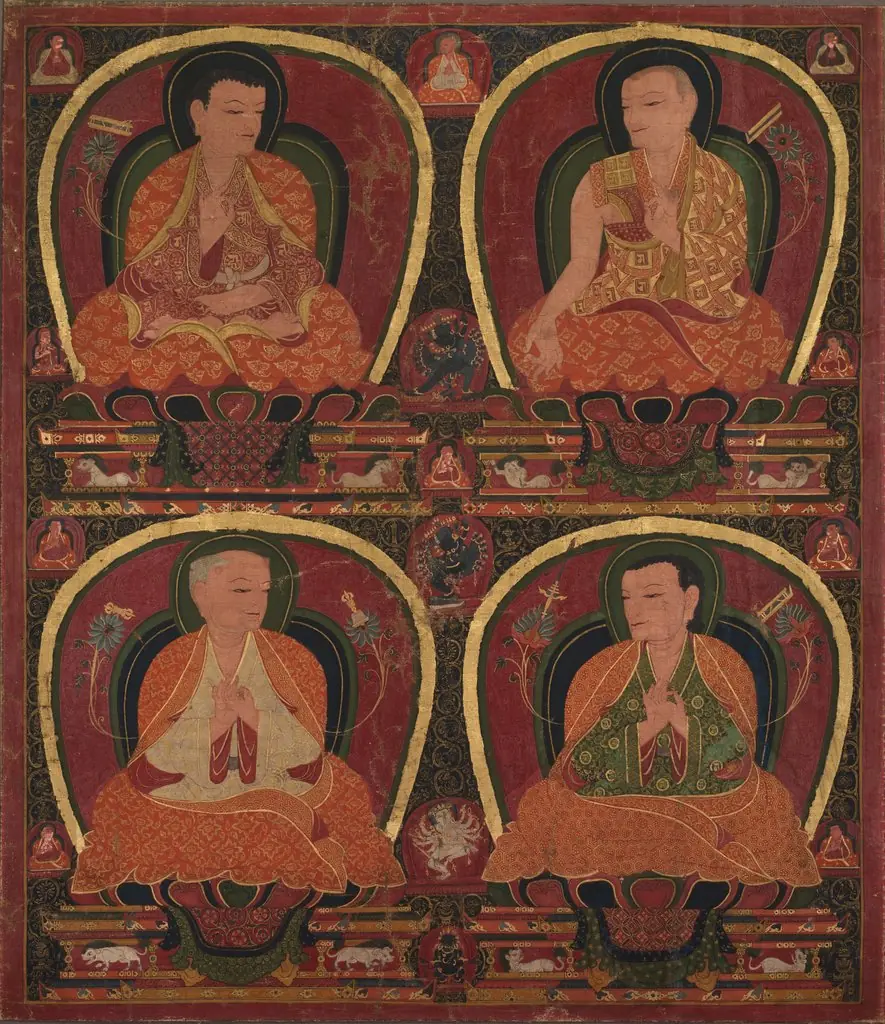
The work is the side panel of a three‑part painted ensemble, executed in watercolor on linen and framed as a single unit. It depicts a group of male figures engaged in a narrative linked to Buddhist tradition, set against a visual language that references Chinese motifs. The panel functions as part of a larger triptych, each section contributing to a cohesive thematic whole.
Subject & Meaning
The scene portrays men participating in a Buddhist episode, likely drawn from a sutra or hagiographic account. Their gestures and arrangement suggest a ritual or teaching moment, while the inclusion of Chinese stylistic cues points to an attempt to locate the story within an East Asian cultural framework.
Technique & Style
Rendered in watercolor, the artist exploits the translucency of the medium to model figures and textiles on a linen support. Fine brushwork delineates intricate garments and accessories, creating a layered visual texture that balances delicate washes with precise line work, a method uncommon in medieval European painting.
History & Provenance
The panel belongs to a medieval triptych whose origins remain uncertain, but its cross‑cultural subject matter indicates a period of heightened exchange between Europe and Asia, possibly linked to trade routes or missionary activity. The work has survived as a side component, suggesting it was valued as part of a devotional set.
Context
During the medieval era, artistic representations of Buddhist themes were rare in Western art. This piece reflects a unique synthesis of religious narrative and Chinese visual elements, highlighting the broader currents of cultural contact that began to emerge through commerce and diplomatic missions.
Artist & collection