Artwork
Charles I
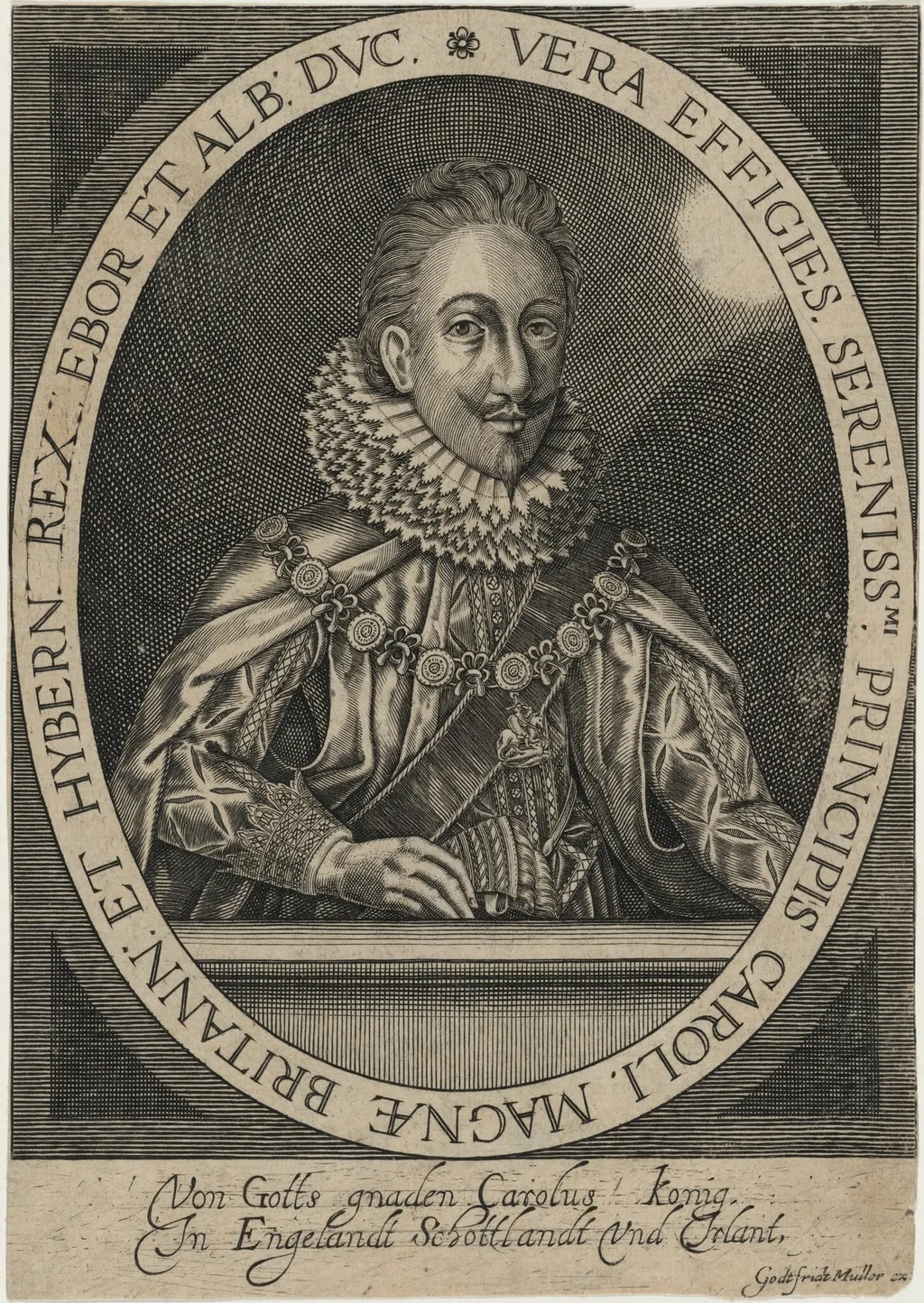
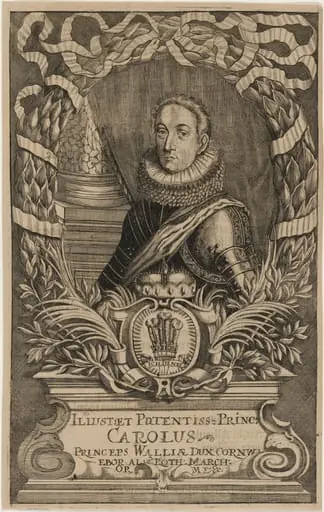
Charles I is an ink print by the Romanticist artist Unknown 19th Century. It dates from 1850 and is held in the collection of the National Gallery of Art.
About this work
Overview
The plain background focuses attention on the figure, typical of 17th-century print portraiture designed for widespread distribution.
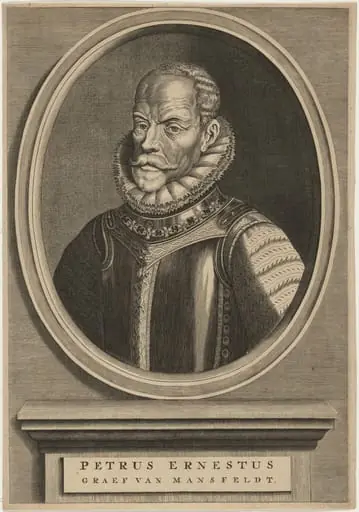
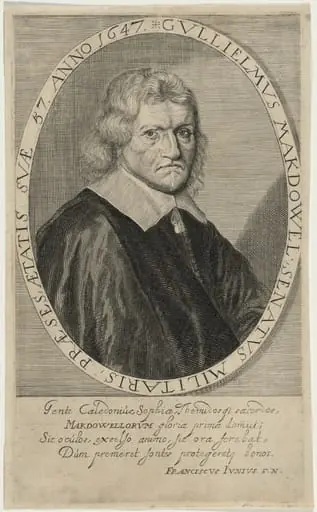
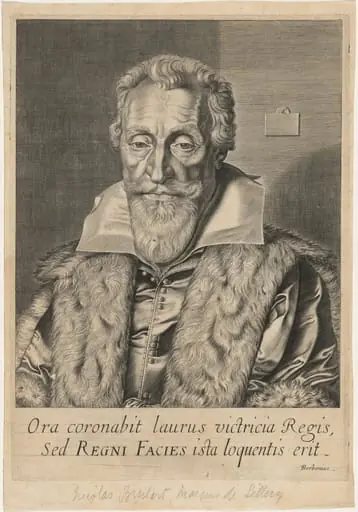
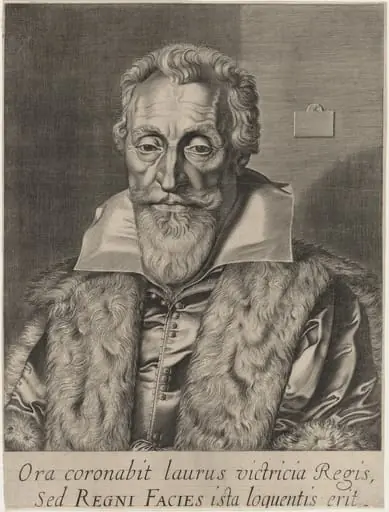
This black-and-white engraving depicts Charles I, king of England, Scotland, and Ireland, in formal attire. Rendered in fine linear detail, the portrait emphasizes his solemn expression and elaborate ruffled collar. A border of Latin inscriptions encircles the image, identifying his royal titles and dominions. The plain background focuses attention on the figure, typical of 17th-century print portraiture designed for widespread distribution.
Subject & Meaning
Charles I is portrayed not as a warrior or statesman, but as a sovereign defined by lineage and authority. The scroll in his left hand suggests legal or divine right, reinforcing his legitimacy. The Latin legend surrounding the image functions as a formal proclamation, asserting his rule over three kingdoms. The restrained composition avoids ornamentation, conveying dignity through austerity rather than grandeur.
Technique & Style
Executed in engraving, the portrait relies on incised lines on a metal plate to create tonal variation through cross-hatching and fine stippling. The absence of color emphasizes texture and form, particularly in the lace of the collar and the contours of the face. The style reflects Dutch and Flemish influences common in British printmaking of the period, prioritizing precision over expressive brushwork.
History & Provenance
Created during Charles I’s reign, likely in the 1630s, this print was produced to circulate his image among elites and officials. Engravings like this were often commissioned by royal supporters or sold by print dealers to affirm loyalty. Its survival suggests it was preserved in private collections or institutional archives, possibly as a political artifact following the king’s execution in 1649.
Context
In early 17th-century Britain, engraved portraits served as tools of political messaging, especially when painting was inaccessible to most. With rising tensions between crown and Parliament, such images reinforced royal authority visually. The use of Latin, a language of scholarship and diplomacy, aligned the king with classical tradition and continental monarchies, distancing him from populist sentiment.
Legacy
This engraving represents a standard mode of royal representation before the rise of photography. It contributed to the visual vocabulary of monarchy in Britain, influencing later portraiture in print. Though not widely known today, such works remain important for understanding how power was communicated through reproducible imagery in the pre-modern era.
Artist & collection

Artist