Artwork
Josuah Sylvester, Poet
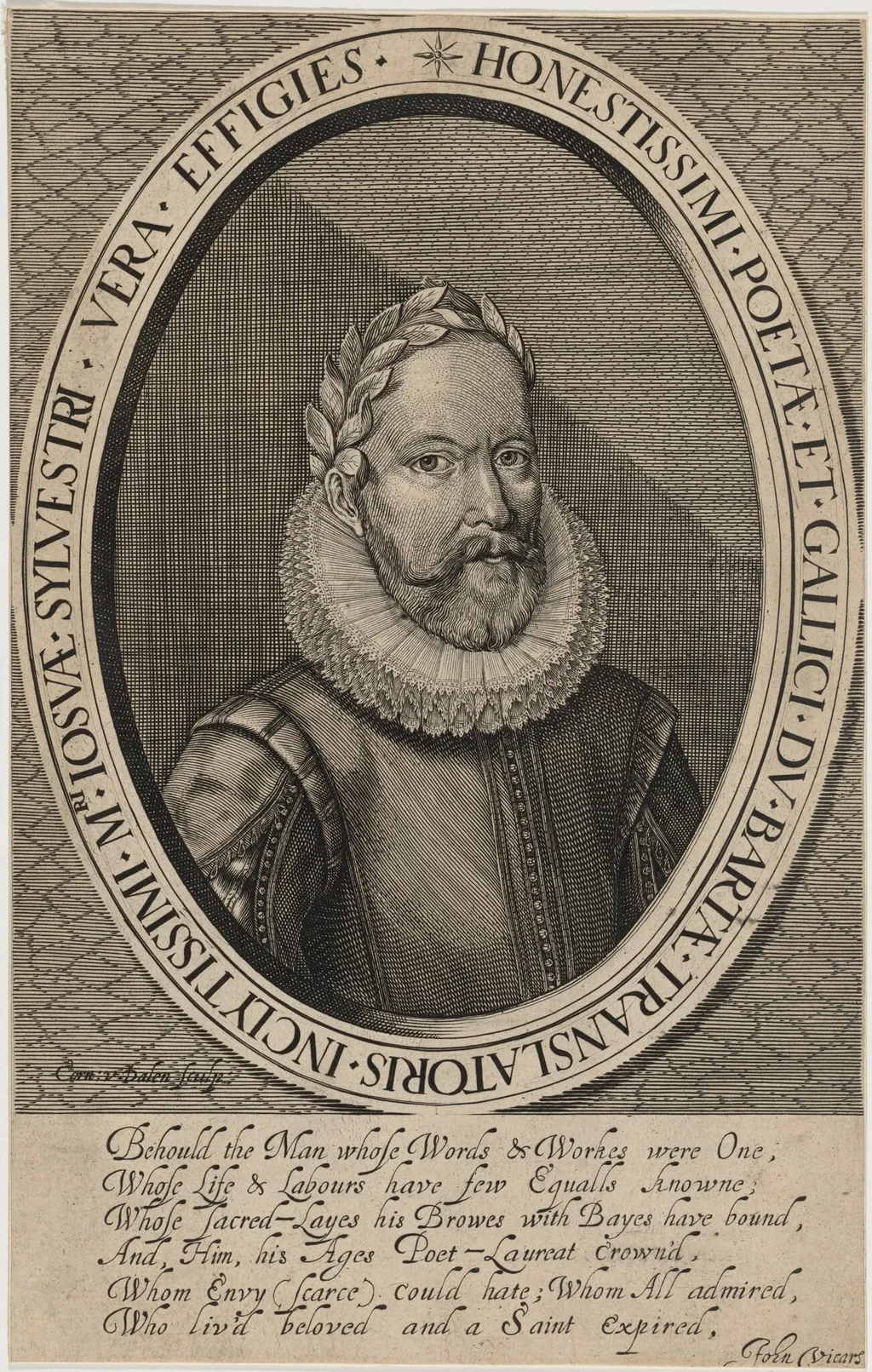
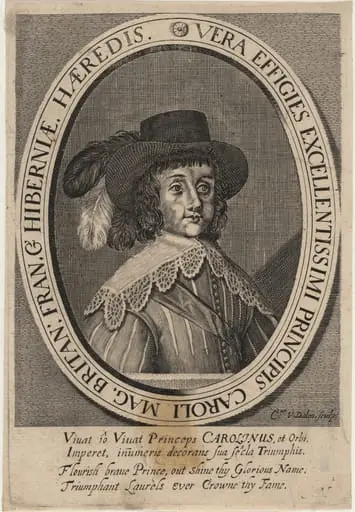
Josuah Sylvester, Poet is an ink print by the Baroque artist Cornelis van Dalen I. It dates from 1634 and is held in the collection of the National Gallery of Art.
About this work
Overview
An engraving from 1634 by Cornelis van Dalen I, this portrait depicts the English poet Josuah Sylvester. Rendered in monochrome, the image presents a formal, oval-framed likeness with meticulous line work characteristic of early 17th-century printmaking. The background is unadorned, drawing focus to the subject’s facial features and the ornate Latin inscription that encircles the composition.
Subject & Meaning
Josuah Sylvester, known for his translations of Du Bartas’s religious poetry, is portrayed with solemn dignity. His thick beard, ruffled collar, and neck chain suggest scholarly status and personal piety. The surrounding Latin text extols his literary contributions, framing him not merely as a writer but as a moral and intellectual figure whose words carried spiritual weight in his era.
Technique & Style
The portrait employs fine, controlled engraving lines to model form and texture, particularly in the beard and fabric folds.
The portrait employs fine, controlled engraving lines to model form and texture, particularly in the beard and fabric folds. Shading is achieved through cross-hatching rather than tone, typical of copperplate engraving. The decorative border of Latin script, rendered in elegant type, reflects the period’s fusion of textual and visual honor, emphasizing the subject’s literary legacy through both image and inscription.
History & Provenance
Created in 1634, the engraving likely served as a frontispiece or commemorative print for Sylvester’s published works. It was produced in the Netherlands by Cornelis van Dalen I, a printmaker active in Leiden. The work’s survival in institutional collections suggests early scholarly interest in Sylvester’s translations, though its original circulation remains poorly documented.
Context
In the early 1600s, engraved portraits of poets and scholars were common in printed books, functioning as both identification and tribute. Sylvester’s image aligns with a broader European tradition of honoring literary figures through visual portraiture, especially those associated with religious or moral verse. The Latin inscription reflects the continued prestige of classical languages in scholarly circles.
Legacy
Though Sylvester’s literary reputation has faded, this engraving remains a tangible artifact of early modern print culture. It exemplifies how visual art and text collaborated to construct intellectual identity. The work is now preserved in library and museum collections, valued more for its historical craftsmanship than for its subject’s enduring fame.
Artist & collection

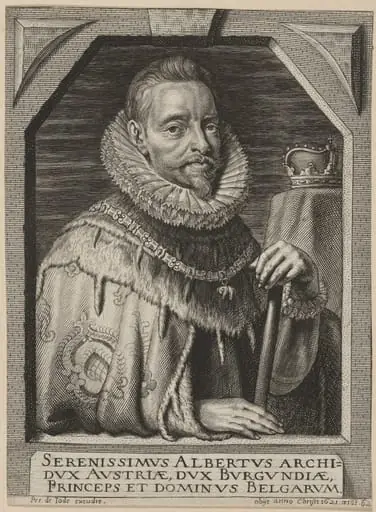 Albert VII, Archduke of Austria
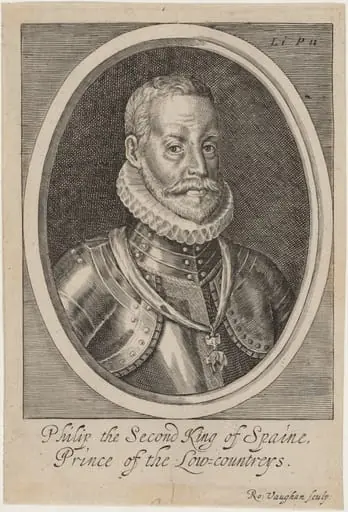 Philip II, King of Spain
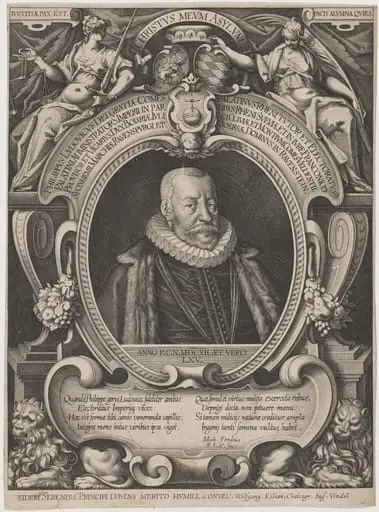 Philip Louis, Count Palatine
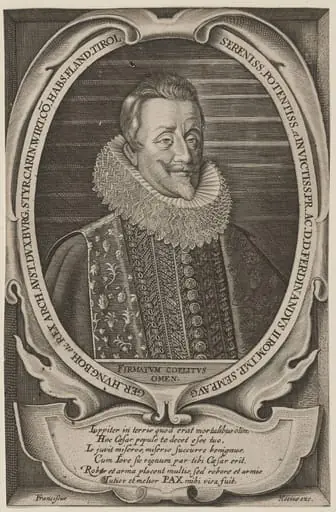 Ferdinand II, Roman Emperor
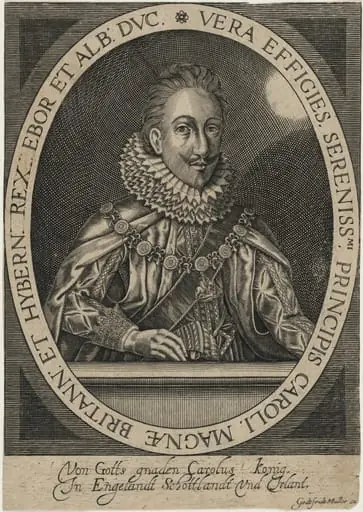 Charles I
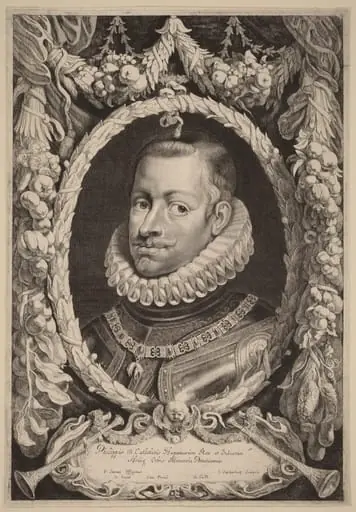 Philip III, King of Spain
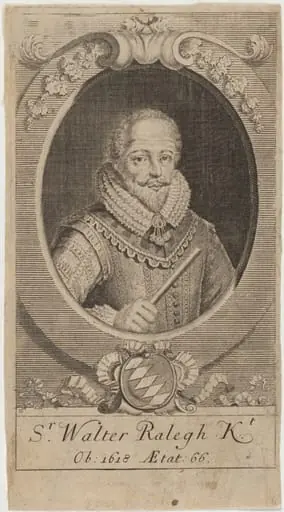 Sir Walter Raleigh
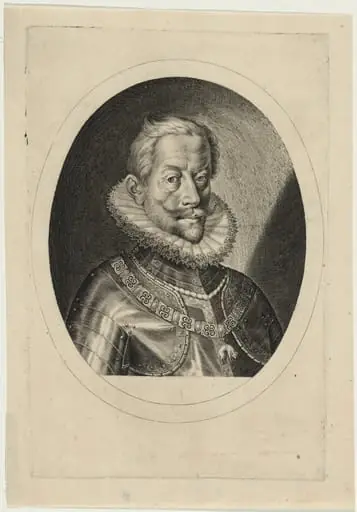 Emmanuel Philibert, Duke of Savoy, Prince of Piedmont
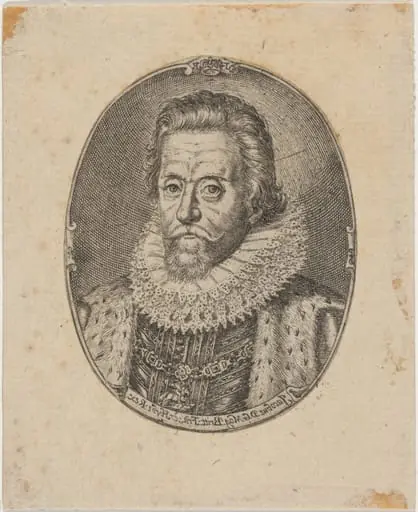 James I, King of England
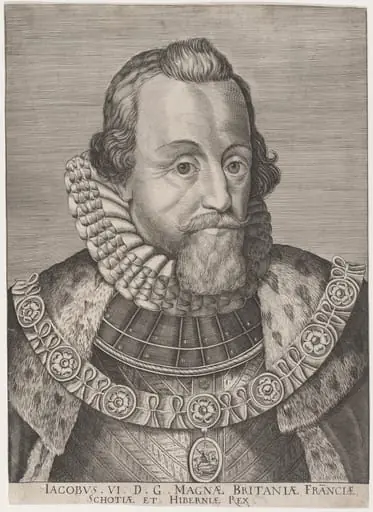 James I
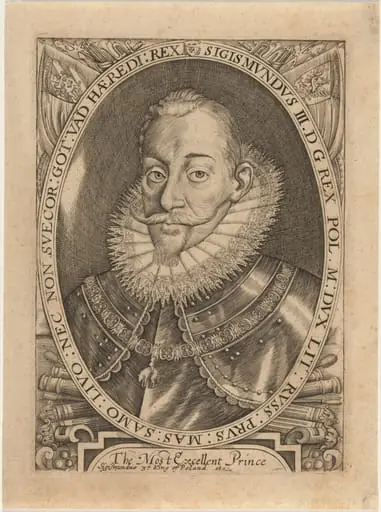 Sigismund III, King of Poland and Sweden
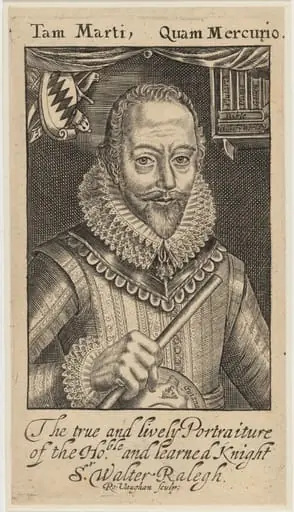 Sir Walter Raleigh