Artwork
James Ussher, Archbishop of Armagh
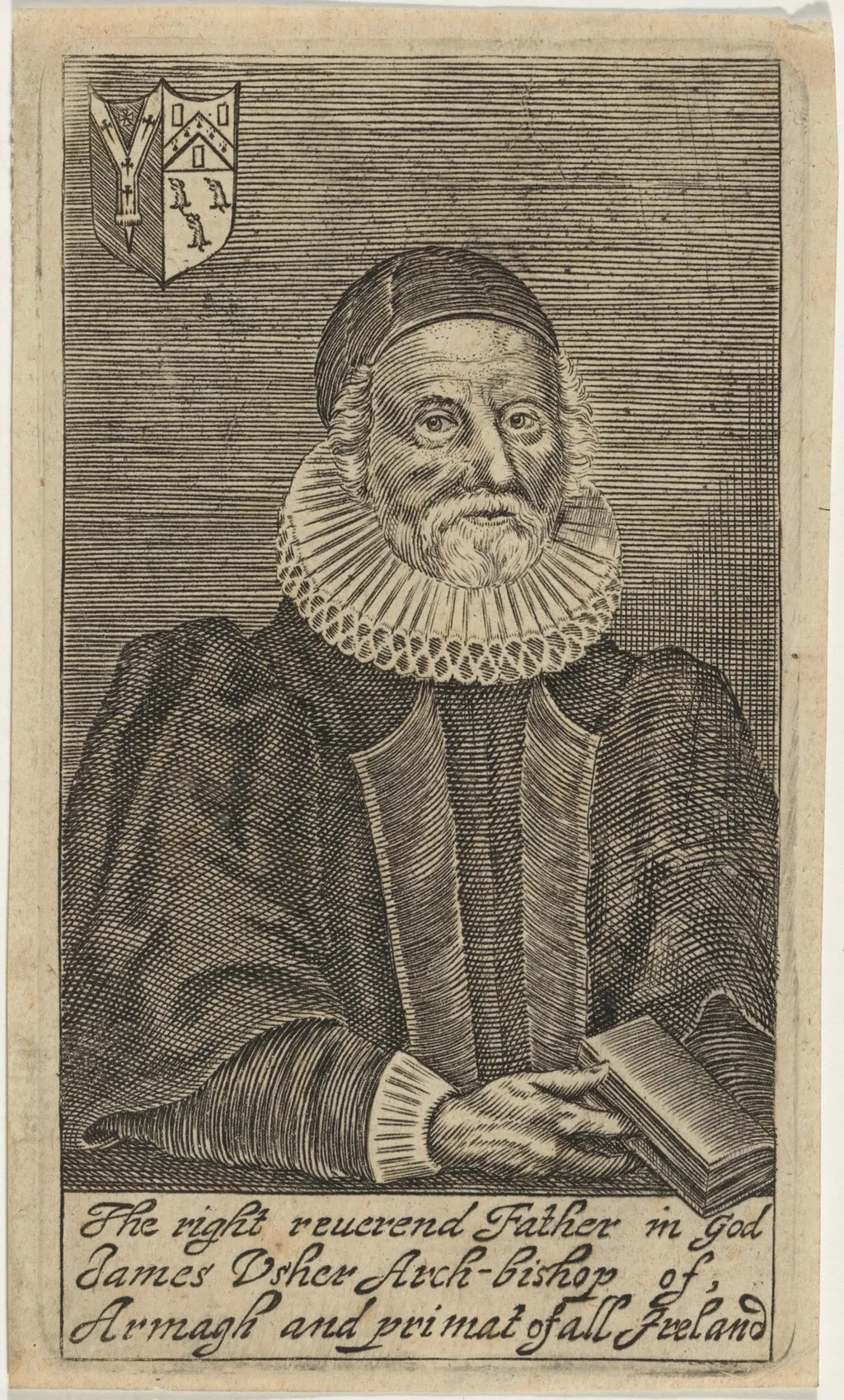
James Ussher, Archbishop of Armagh is an ink print by the Romanticist artist Unknown 19th Century. It dates from 1850 and is held in the collection of the National Gallery of Art.
About this work
Overview
The background features a subtle, textured pattern that avoids distraction, focusing attention on the figure’s composed demeanor and scholarly presence.
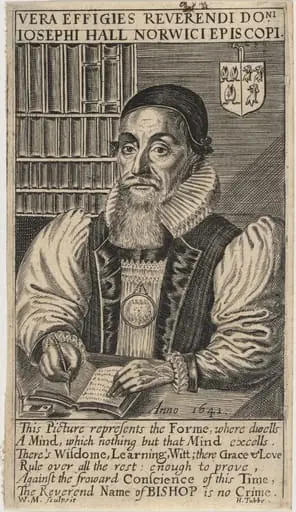
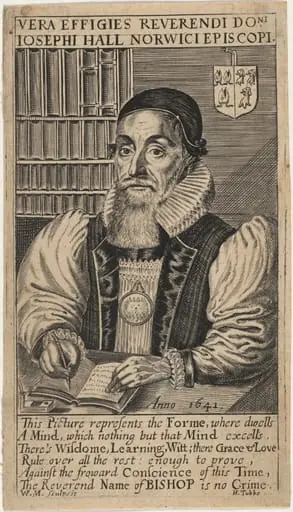
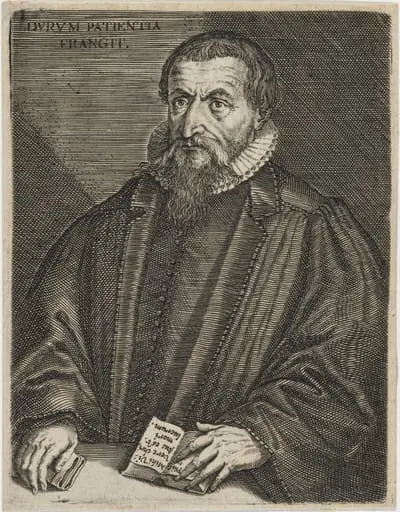
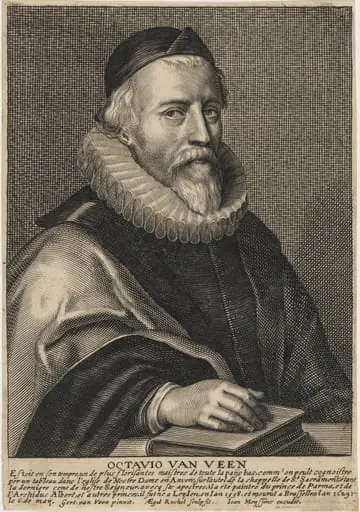
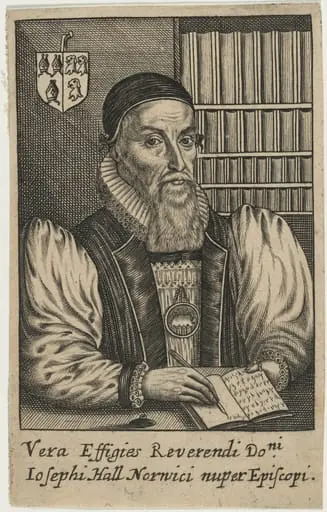
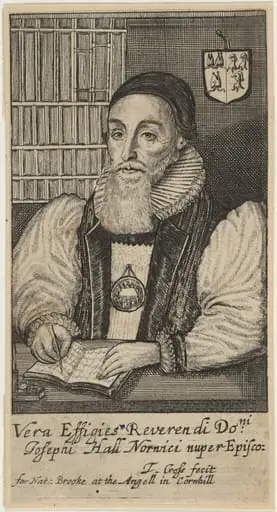
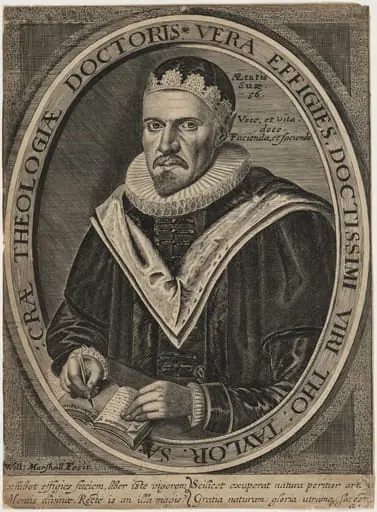
This engraving depicts James Ussher, Archbishop of Armagh, rendered in fine linear detail typical of 17th-century portraiture. The subject is shown in formal ecclesiastical dress, with a long white beard, ruffled collar, and dark robe, holding a book with both hands. The background features a subtle, textured pattern that avoids distraction, focusing attention on the figure’s composed demeanor and scholarly presence.
Subject & Meaning
Ussher, a prominent theologian and scholar, is portrayed not as a ceremonial figure but as a man of learning. The book he holds likely symbolizes his theological writings, particularly his chronology of biblical history. His steady gaze and clasped hands convey quiet authority and intellectual seriousness, reflecting his role as a leading churchman in early modern Ireland.
Technique & Style
The engraving employs precise cross-hatching and fine line work to render textures in fabric, hair, and the book’s binding. The contrast between the light ruffles and dark robe enhances three-dimensionality. While the style is detailed and realistic, it lacks the dramatic lighting or emotional intensity associated with later Romanticism, instead aligning with the restrained tradition of Protestant portraiture.
History & Provenance
Created during Ussher’s lifetime or shortly after his death in 1656, the engraving likely served to disseminate his image among clergy and scholars. Such prints were commonly used for commemorative or educational purposes in Protestant circles. Its survival suggests it was valued within ecclesiastical or academic collections, possibly in Ireland or England.
Context
In mid-17th-century Britain and Ireland, portraiture of religious leaders emphasized piety and scholarship over grandeur. Ussher’s image was part of a broader trend where clergy were depicted as learned men, reflecting the Reformation’s emphasis on scripture and individual study. Engravings like this circulated among educated audiences, reinforcing institutional authority through visual representation.
Legacy
Though not a work of Romanticism, the engraving endures as a visual record of one of the most influential churchmen of his era. Its clarity and dignity contributed to Ussher’s lasting iconography in theological history. Reproductions of this image appeared in later biographies and ecclesiastical histories, anchoring his public persona for centuries.
Artist & collection

Artist