Artwork
Octavio van Veen
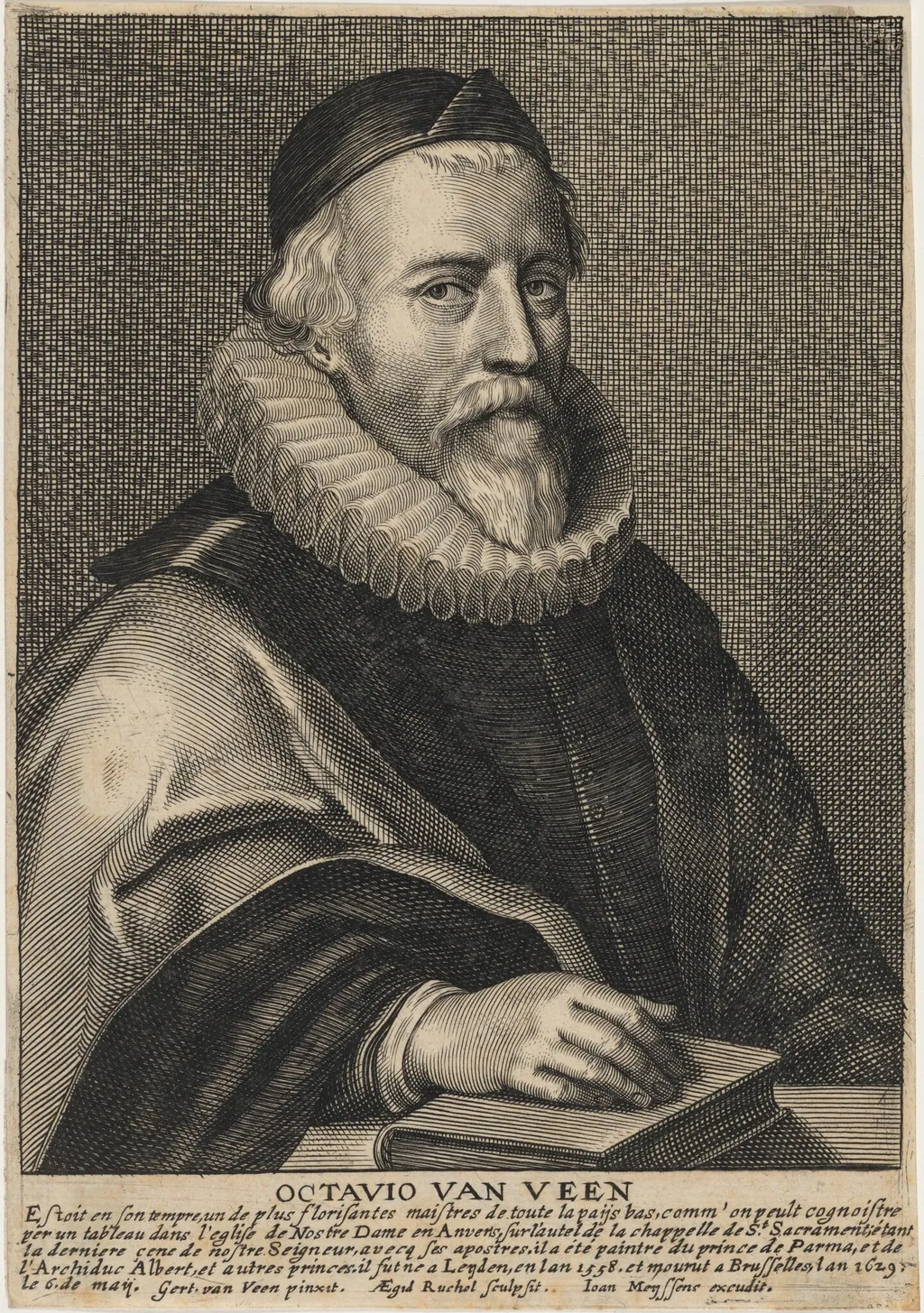
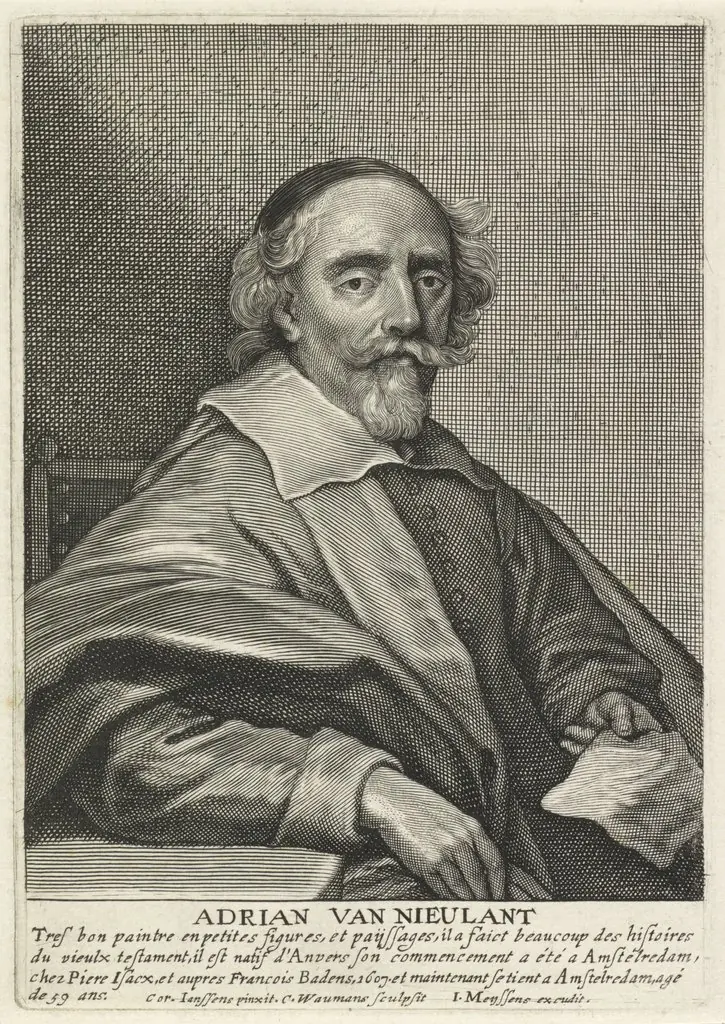
Octavio van Veen is an ink print by the Baroque artist Joannes Meyssens. It dates from 1641 and is held in the collection of the National Gallery of Art.
About this work
Overview
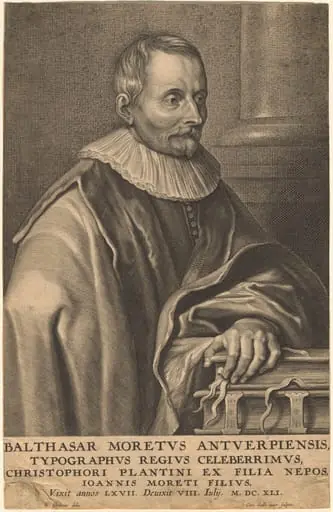
Rendered in monochrome, the portrait captures van Veen in formal attire, with meticulous line work defining his features and clothing.
This 1641 engraving by Joannes Meyssens depicts Octavio van Veen, a Flemish artist and printmaker. Rendered in monochrome, the portrait captures van Veen in formal attire, with meticulous line work defining his features and clothing. The medium is intaglio printing, not painting, and the image relies entirely on inked lines to convey form and depth. The composition is restrained, focusing attention on the subject’s expression and posture.
Subject & Meaning
Octavio van Veen is portrayed as a learned man, his hand resting on his chest and holding a folded document, suggesting scholarly or professional identity. His long white beard and high-collared robe align with 17th-century conventions of dignity and authority. The folded paper may imply correspondence, artistic commission, or intellectual engagement, reinforcing his status as a figure of cultural significance within his circle.
Technique & Style
Meyssens employed fine cross-hatching to model volume and texture, particularly in the beard, collar, and hands. Parallel lines intersect at varying angles to simulate shadow and surface variation without tone or wash. The precision of the lines reflects the engraver’s control and the printmaking tradition of Northern Europe, where detail and clarity were prized over expressive brushwork.
History & Provenance
Created in 1641, the engraving likely served as a portrait for publication or private circulation among artists and patrons. Joannes Meyssens, active in Antwerp, specialized in reproductive prints of contemporary figures. The work’s survival suggests it was valued as a record of van Veen’s likeness, though its early ownership and exhibition history remain undocumented in public records.
Context
In mid-17th-century Antwerp, engraving was a key medium for disseminating images of artists and intellectuals. Van Veen, a painter and printmaker himself, was part of a network where visual identity was carefully curated. Meyssens’s portrait aligns with a broader trend of artist-portraits in print, serving both commemorative and professional functions within the artistic community.
Legacy
The engraving endures as a historical document of van Veen’s appearance and the technical standards of Flemish printmaking. While not widely reproduced today, it remains a reference for scholars studying artist portraiture and the role of prints in early modern identity formation. Its preservation highlights the importance of engraving in sustaining the visual legacy of lesser-known cultural figures.
Artist & collection