Artwork
John King, Bishop of London
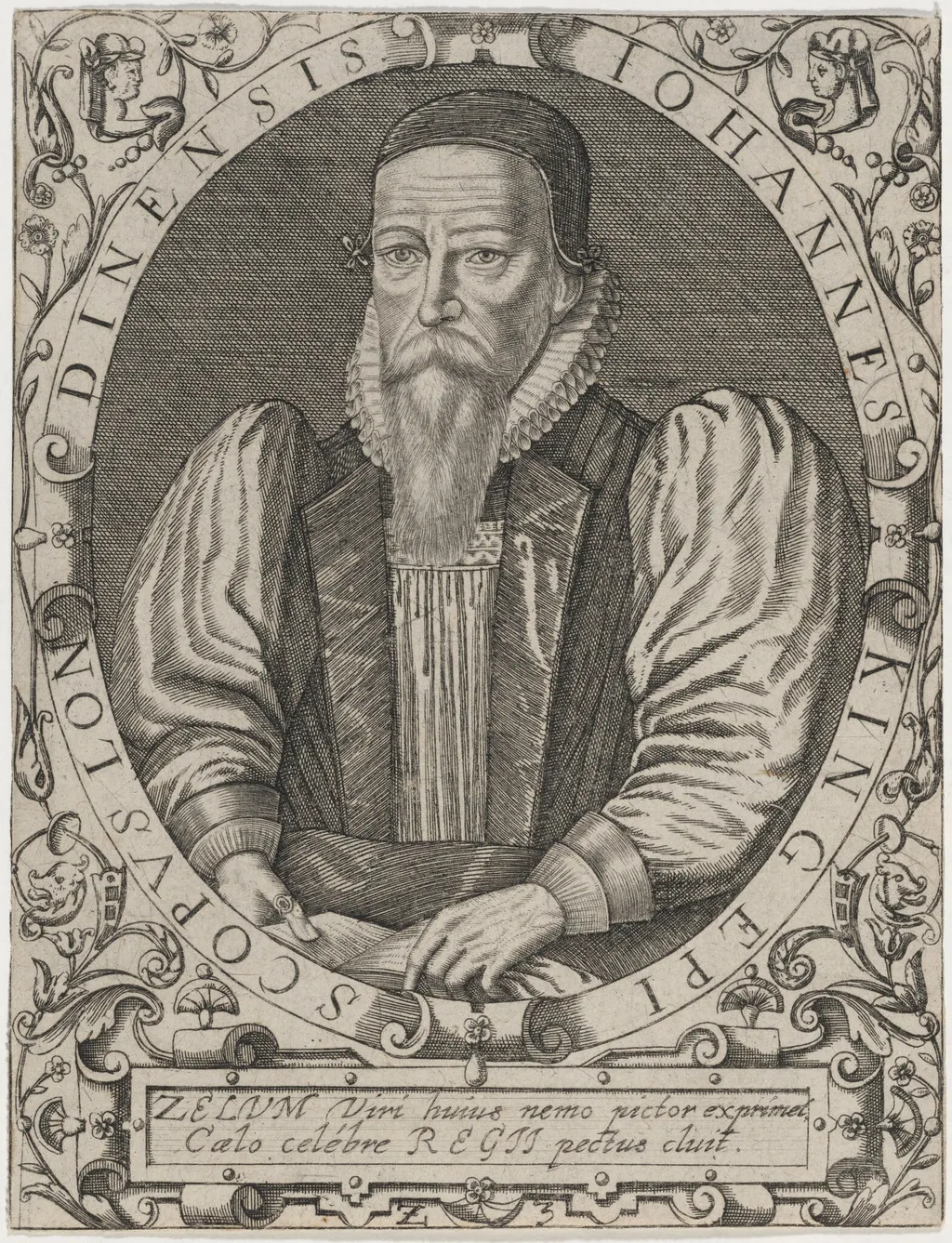
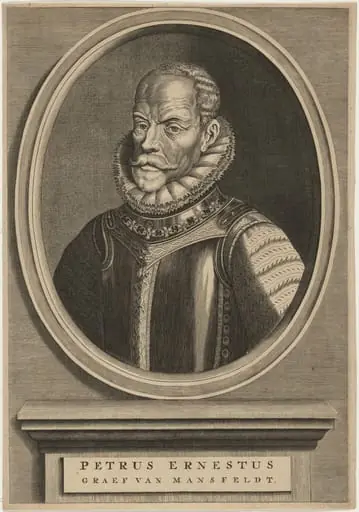
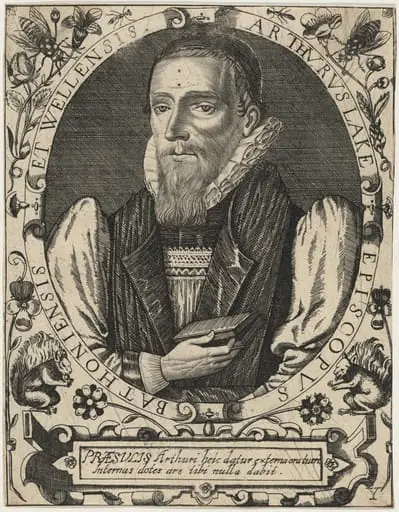
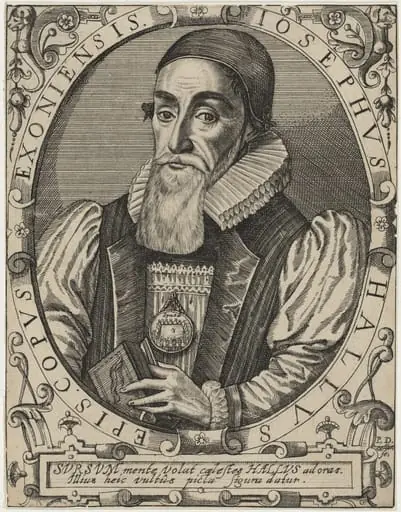
John King, Bishop of London is an ink print by the Baroque artist Unknown 19th Century. It dates from 1650 and is held in the collection of the National Gallery of Art.
About this work
Overview
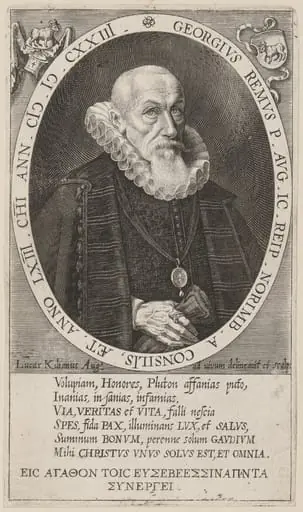
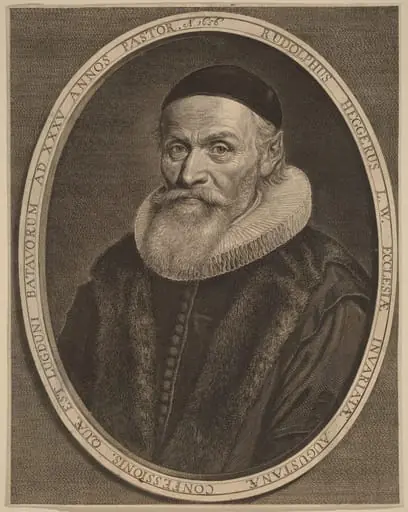
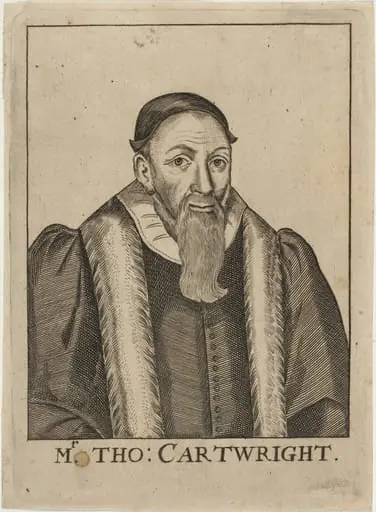
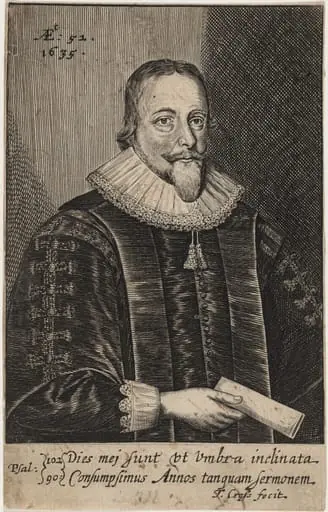
The portrait is enclosed within an ornate oval border decorated with botanical motifs, typical of early 17th-century printmaking.
This engraving depicts John King, Bishop of London, rendered in fine detail on paper. The portrait is enclosed within an ornate oval border decorated with botanical motifs, typical of early 17th-century printmaking. The dark background isolates the figure, emphasizing his facial features and clerical attire. The work reflects the precision and formal composition common in engraved portraiture of the period, intended for distribution among religious and elite circles.
Subject & Meaning
John King served as Bishop of London from 1611 until his death in 1621. The portrait presents him with a long white beard and mustache, conventional markers of authority and piety in early modern clergy. His attire—dark vest over a white shirt with full sleeves—aligns with Anglican ecclesiastical dress of the Jacobean era. The image functions as a visual affirmation of his ecclesiastical role, reinforcing his status within the Church of England.
Technique & Style
The engraving employs fine, controlled lines to render texture in fabric, hair, and skin, demonstrating the artist’s mastery of the burin tool. The oval frame, adorned with stylized leaves and flowers, draws from Renaissance and early Baroque decorative traditions. The contrast between the illuminated face and the dark background enhances three-dimensionality, a technique common in portraiture meant for private contemplation or institutional display.
History & Provenance
Created during King’s episcopacy, the engraving likely served as a commemorative or devotional image, possibly distributed to cathedral chapters or patrons. Its survival suggests it was preserved within ecclesiastical or aristocratic collections. The illegible text within the frame may have included his name, title, or a biblical inscription, common in such prints to affirm legitimacy and spiritual authority.
Context
This portrait emerged during a period when the Church of England sought to solidify its identity after the Reformation. Engravings of bishops like King were tools of visual propaganda, reinforcing hierarchy and orthodoxy. The style aligns with broader European trends in printed portraiture, where clerical figures were depicted with dignity and restraint, contrasting with the flamboyance of secular nobility.
Legacy
Though not widely reproduced today, this engraving contributes to the visual record of early Stuart clergy. It exemplifies how print media extended the reach of ecclesiastical authority beyond the pulpit. As a surviving artifact of Jacobean print culture, it offers insight into the intersection of religion, identity, and artistic production in early modern England.
Artist & collection

Artist