Artwork
Robert Aylett
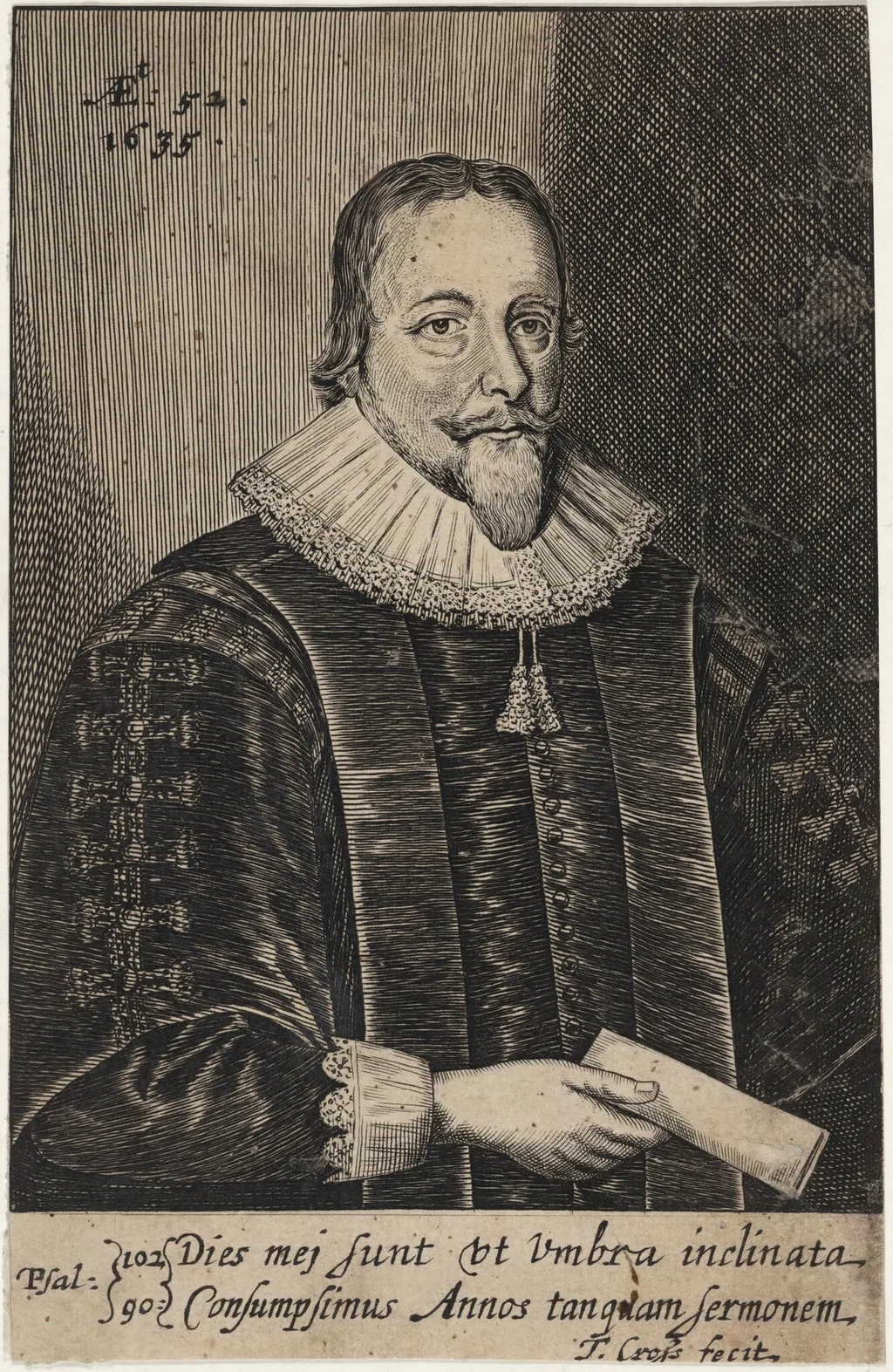
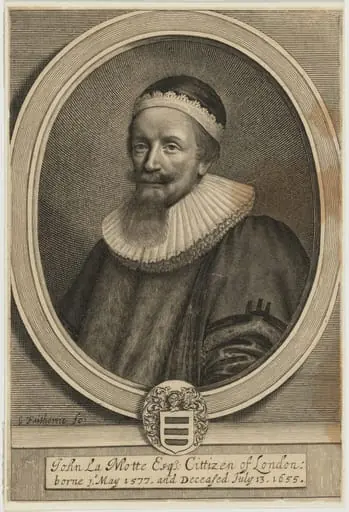
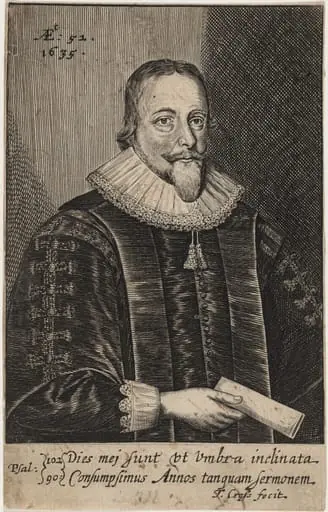
Robert Aylett is an ink print by the Baroque artist Thomas Cross. It dates from 1654 and is held in the collection of the National Gallery of Art.
About this work
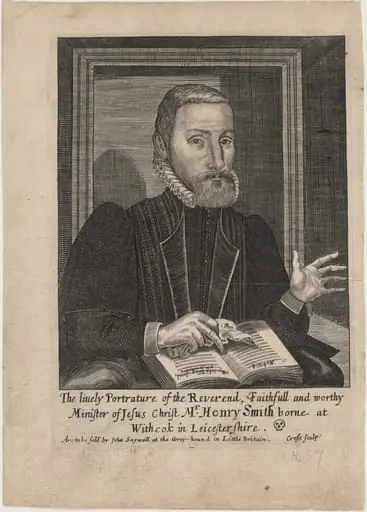
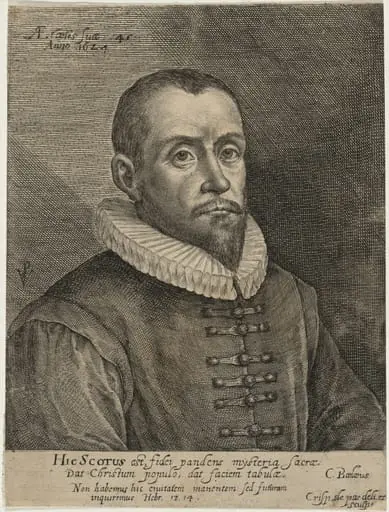
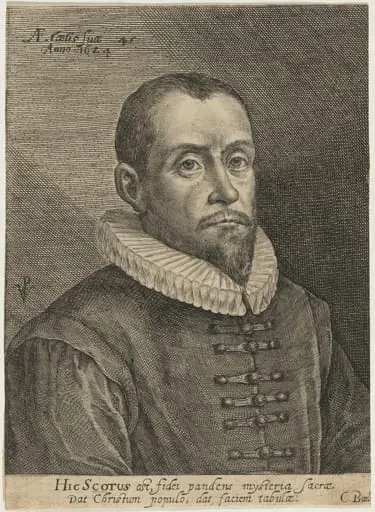
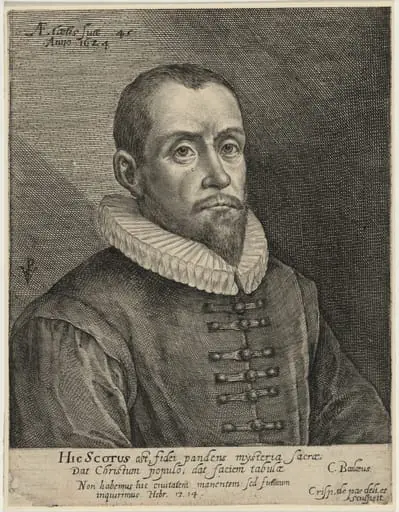
The level of detail in the painting, particularly in the man's face and clothing, indicates that it is a portrait intended to capture the subject's likeness.
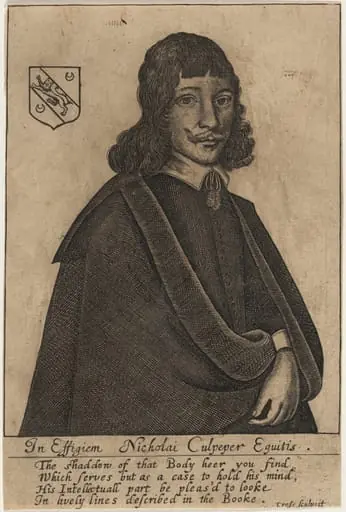
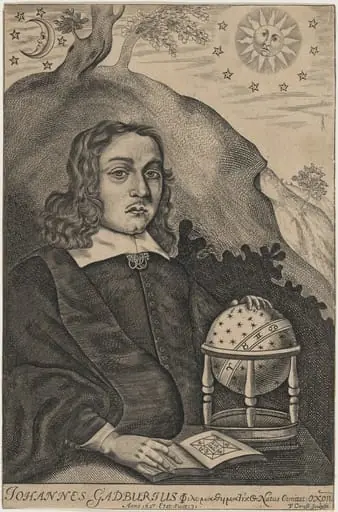
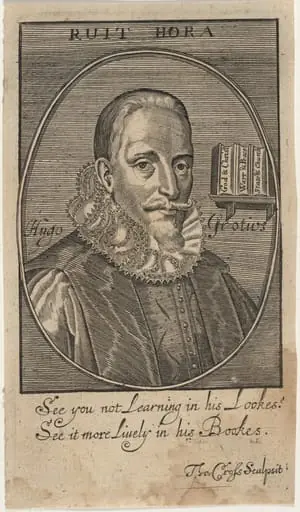
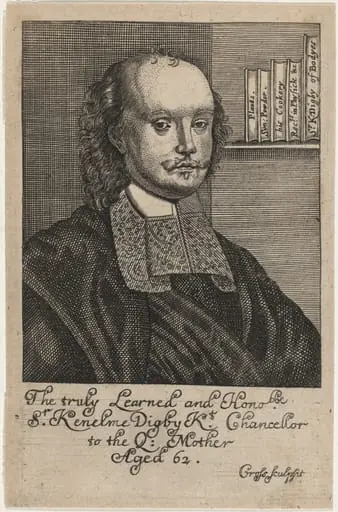
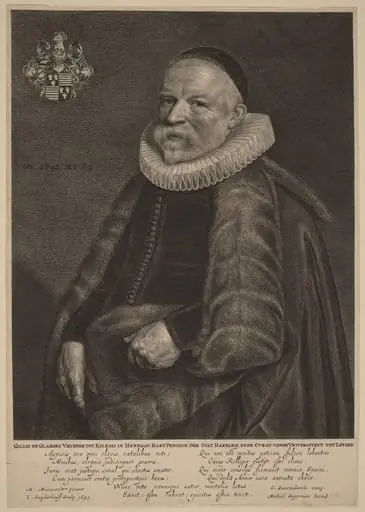
The painting depicts a man with a serious expression, wearing a dark robe with a white ruffled collar and cuffs. He has a long beard and mustache, and his hair is parted in the middle. The background of the painting is divided into two sections, with a lighter color on the left and a darker color on the right.
The man's attire and hairstyle suggest that the painting is from the 17th century. The level of detail in the painting, particularly in the man's face and clothing, indicates that it is a portrait intended to capture the subject's likeness.
The use of contrasting colors in the background adds depth and visual interest to the painting. The artist's attention to detail and use of chiaroscuro create a sense of volume and texture, drawing the viewer's eye to the subject. To learn more about the artist's technique, look up "engraving".
Overview
This 1654 engraving by Thomas Cross portrays Robert Aylett, a figure of modest historical note. Executed in fine line work on paper, the print belongs to the tradition of posthumous or commemorative portraiture common in mid-17th-century England. Its monochrome palette and precise detailing reflect the technical priorities of engraving as a medium for disseminating likenesses among literate elites.
Subject & Meaning
Robert Aylett is depicted with solemnity, his long beard, parted hair, and high ruffled collar signaling adherence to conservative Anglican norms of the era. The absence of symbols of office or wealth suggests a private, rather than public, commemoration. The portrait emphasizes dignity and introspection, aligning with Puritan-influenced ideals of modesty and moral gravity prevalent among professional and clerical classes at the time.
Technique & Style
Cross employed fine, controlled engraving lines to render texture in fabric, hair, and skin. The contrast between light and shadow on the face and collar demonstrates an understanding of chiaroscuro, adapted to the limitations of black ink on white paper. The background’s tonal division—light left, dark right—creates spatial ambiguity while directing focus to the figure’s centered, frontal gaze.
History & Provenance
The print was produced shortly after Aylett’s death, likely for family or professional circles. No record of its original commission survives, but its survival in institutional collections indicates early preservation by antiquarians. It was never widely circulated, suggesting limited distribution, possibly as a keepsake or memorial item rather than a public image.
Context
In 1654, England was under Commonwealth rule, and traditional portraiture had shifted away from royalist grandeur toward restrained, introspective representations. Engravings like this one filled a niche for those who could not afford painted portraits but still sought to preserve personal or familial identity through durable, reproducible images.
Legacy
Though not widely known today, the engraving remains a quiet example of how personal identity was visually sustained during a period of political and religious upheaval. It contributes to the broader understanding of non-royal portraiture in early modern England, illustrating how ordinary individuals were memorialized through the disciplined craft of printmaking.
Artist & collection