Artwork
Portrait of Man in Oval
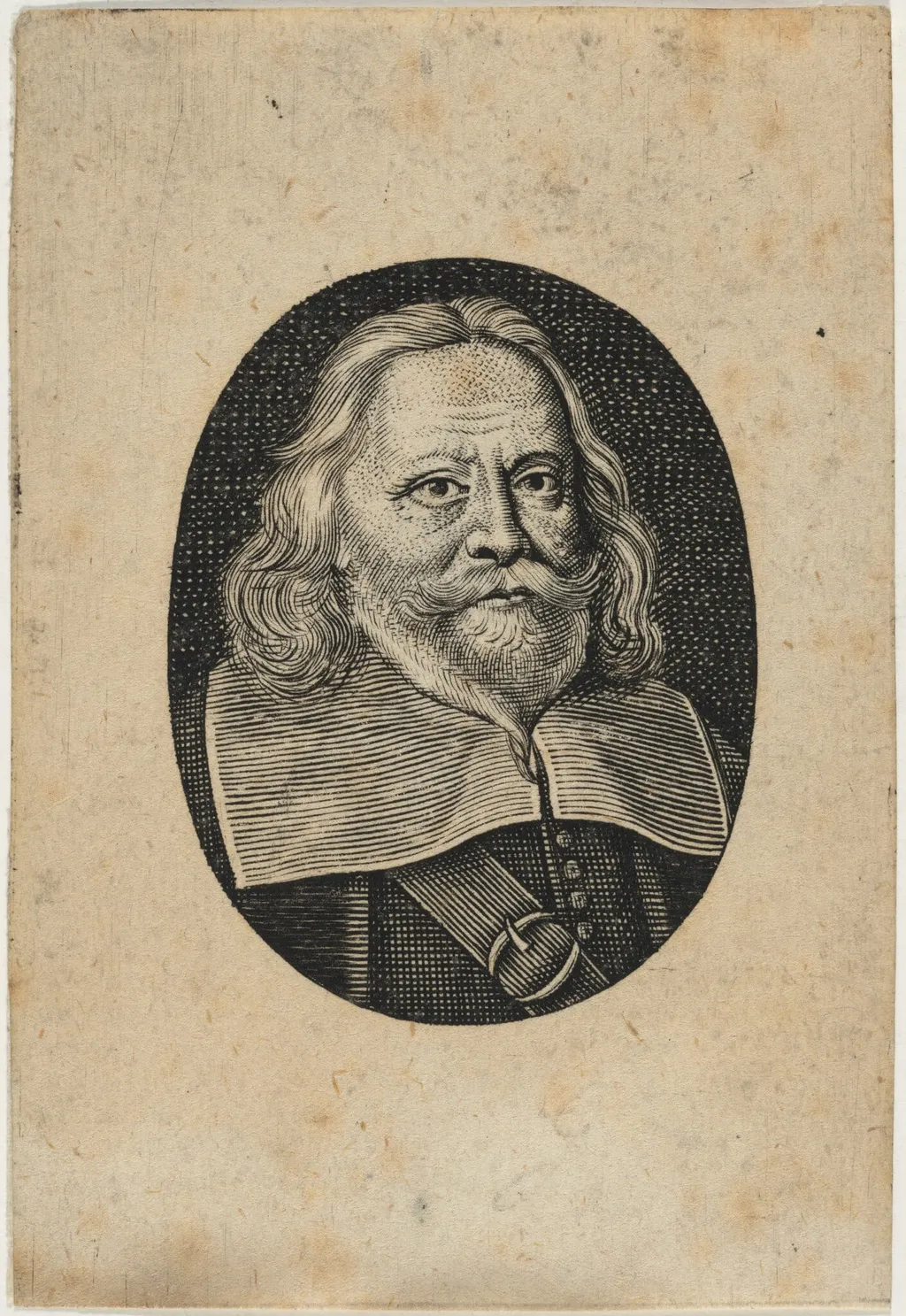
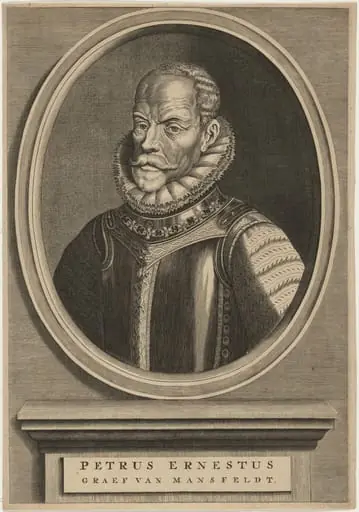
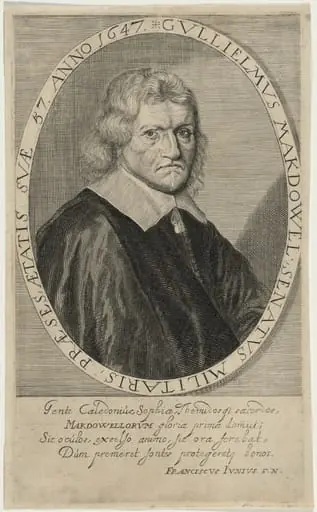
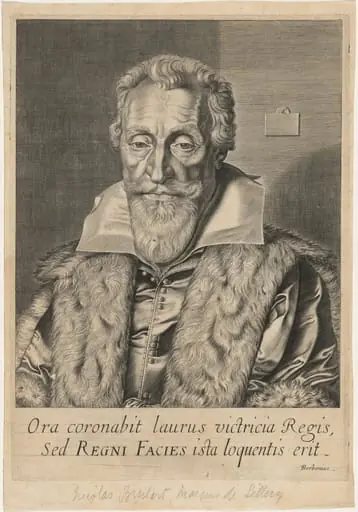
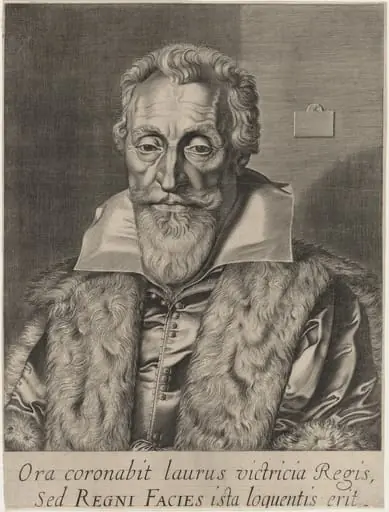
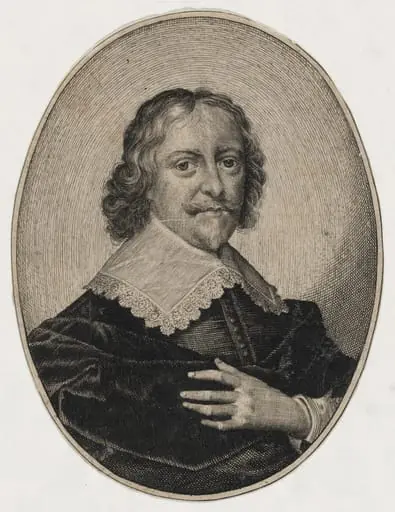
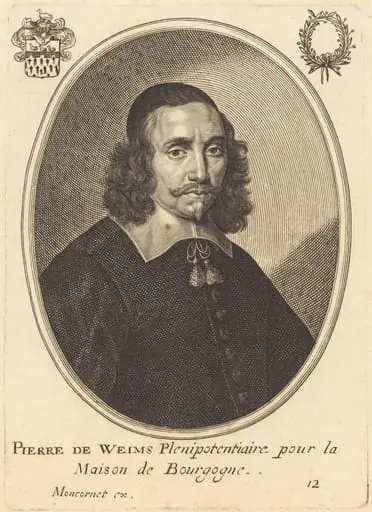
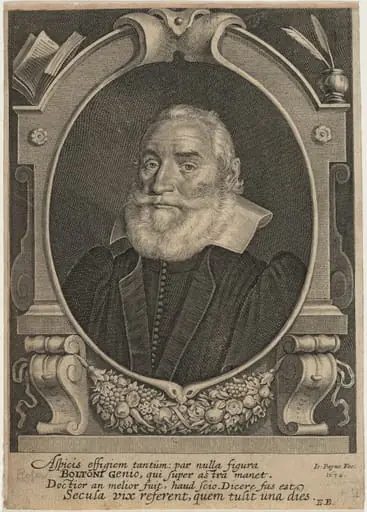
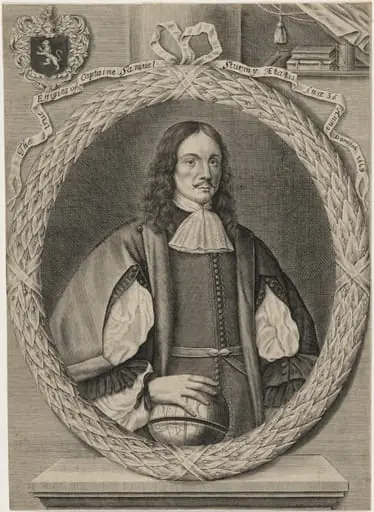
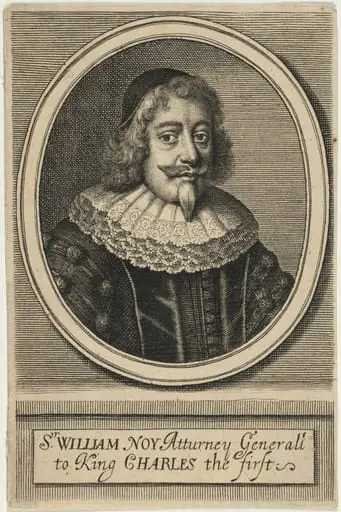
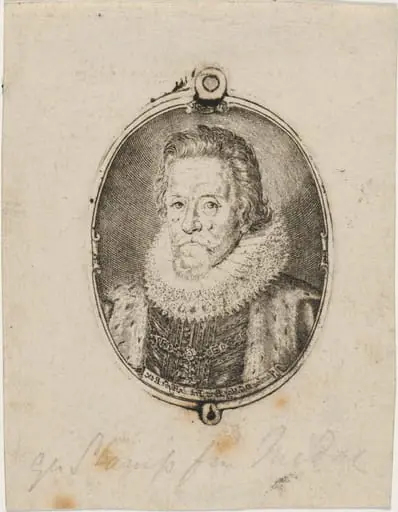
Portrait of Man in Oval is an ink print by the Romanticist artist Unknown 19th Century. It dates from 1850 and is held in the collection of the National Gallery of Art. This black-and-white engraving depicts a man’s face within a rounded frame, rendered entirely through fine linear marks.
About this work
Overview
The composition eliminates background detail, directing attention to the subject’s stern gaze and meticulously rendered features.
This black-and-white engraving depicts a man’s face within a rounded frame, rendered entirely through fine linear marks. The composition eliminates background detail, directing attention to the subject’s stern gaze and meticulously rendered features. The technique relies on cross-hatching—layered, intersecting lines—to model form and texture without tone or color, characteristic of early printmaking traditions.
Subject & Meaning
The subject is a man with curled hair and a full beard, dressed in a high, patterned collar indicative of late Renaissance or early Baroque fashion. His expression is solemn and direct, suggesting a portrait intended to convey dignity, authority, or social standing. The absence of adornment or context implies a focus on individual identity rather than narrative or status symbols.
Technique & Style
The artist employed fine, precise cross-hatching to build volume and texture across the face and collar. By varying the density and direction of intersecting lines, subtle gradations of light and shadow are achieved, giving the image a sculptural quality. The method demands patience and control, reflecting the technical rigor of hand-engraved prints before the advent of mechanical reproduction.
History & Provenance
Though the artist’s identity is unrecorded, the style and technique align with Northern European printmakers of the 16th or early 17th century. Engravings like this were often produced as standalone portraits or reproductive works for private collections. Their small scale and detail suggest they were meant for intimate viewing, circulated among educated elites who valued craftsmanship over mass appeal.
Context
During this period, engraved portraits served as affordable alternatives to painted likenesses, especially among merchants and professionals. The oval format was a conventional frame for personal portraits, echoing earlier medallion traditions. The emphasis on facial detail and textual clothing reflected contemporary ideals of individuality and refined taste in a time of growing literacy and print culture.
Legacy
This engraving exemplifies the enduring influence of line-based portraiture in pre-industrial Europe. Its reliance on hand-carved marks rather than tonal shading influenced later printmakers and even early photographic portraiture, which sought similar clarity and psychological presence. Such works remain valuable for understanding how identity was visually constructed before the age of photography.
Artist & collection

Artist