Artwork
Pierre de Weims
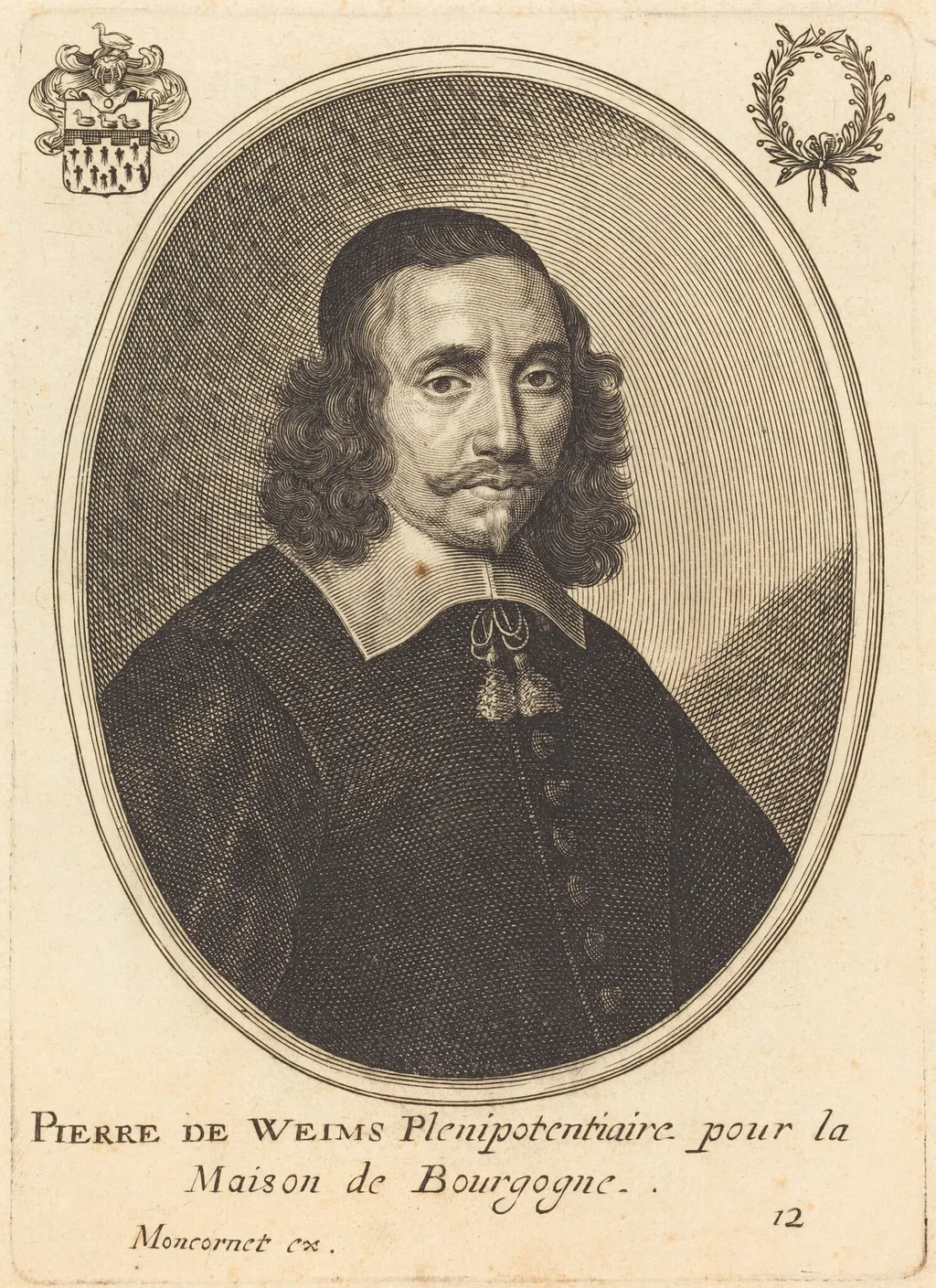
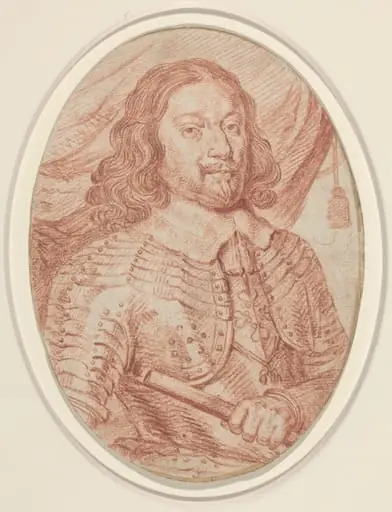
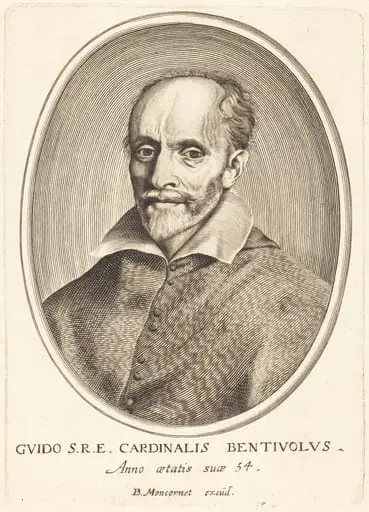
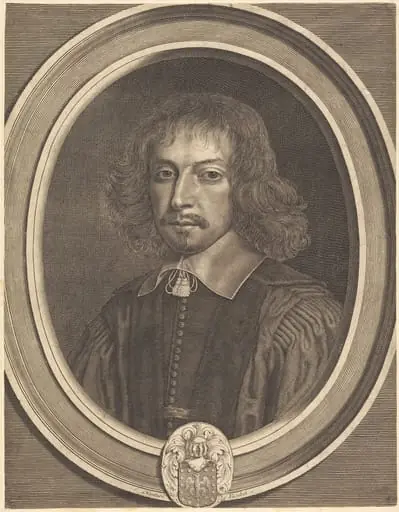
Pierre de Weims is an ink print by the Baroque artist Balthasar Moncornet. It dates from 1634 and is held in the collection of the National Gallery of Art.
About this work
Overview
The image is framed within an oval border, a common convention for portrait prints of the period, and bears no additional inscription beyond the subject’s name.
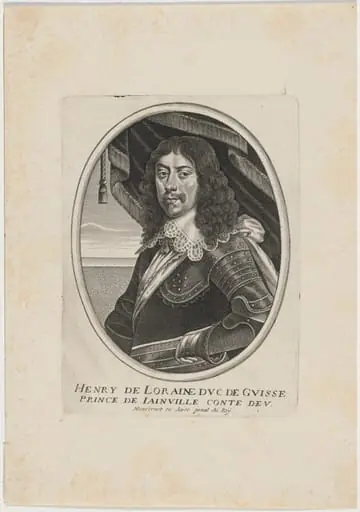
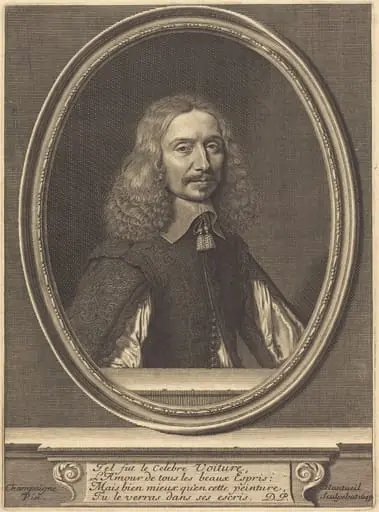
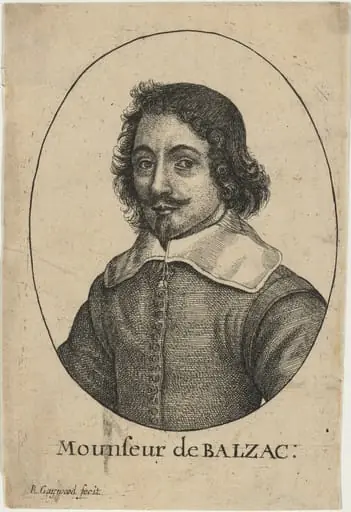
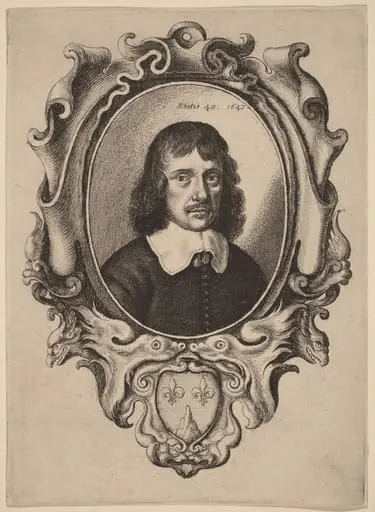
This 1634 engraving by Balthasar Moncornet depicts a man identified as Pierre de Weims, one of approximately 45 portrait prints he produced of notable contemporaries. Executed in black ink on laid paper, the work reflects Moncornet’s practice of documenting public figures through detailed etched lines. The image is framed within an oval border, a common convention for portrait prints of the period, and bears no additional inscription beyond the subject’s name.
Subject & Meaning
The figure is rendered with a solemn demeanor, his gaze direct and composed. He wears a dark, high-collared garment adorned with a small cross at the chest, suggesting possible religious or civic affiliation. His curled hair and mustache reflect early 17th-century male fashion, while the absence of titles or symbols leaves his exact identity ambiguous. The portrait functions primarily as a visual record rather than a statement of status or achievement.
Technique & Style
Moncornet employed fine, controlled engraving lines to model form and texture, using cross-hatching to suggest the weight of fabric and the contours of the face. The smooth gradations of tone, achieved through meticulous plate work, convey depth without color. The oval composition focuses attention on the head and shoulders, isolating the subject against a plain background to emphasize his likeness.
History & Provenance
Balthasar Moncornet, active in Rouen and later Paris, produced this print during a period when portrait engravings served as accessible records of influential individuals. Though the work is labeled as depicting Pierre de Weims, no corroborating historical record confirms this identity, suggesting the name may be an error or misattribution. The print survives in institutional collections as part of Moncornet’s broader portfolio of engraved portraits.
Context
In the early 1600s, engraved portraits circulated among educated elites as both personal mementos and markers of cultural capital. Moncornet’s practice aligned with a broader European trend of documenting public figures through print, often commissioned by publishers or collected by private patrons. His work contributed to the visual archive of the period, bridging painting and print culture in France.
Legacy
Moncornet’s portrait engravings, including this one, remain valuable for their technical precision and historical documentation. Though not widely known today, they offer insight into the methods and aesthetics of 17th-century printmaking. The image of Pierre de Weims, regardless of the subject’s verified identity, stands as an example of how portraiture functioned as a medium of social memory in early modern Europe.
Artist & collection
Artist
Balthasar Moncornet (1600, Rouen – 1668, Paris) was a French painter, engraver, and tapissier revered for his depictions of around 45 different prominent figures of the 17th century.