Artwork
Album of Daoist and Buddhist Themes: Search the Mountain: Leaf 46
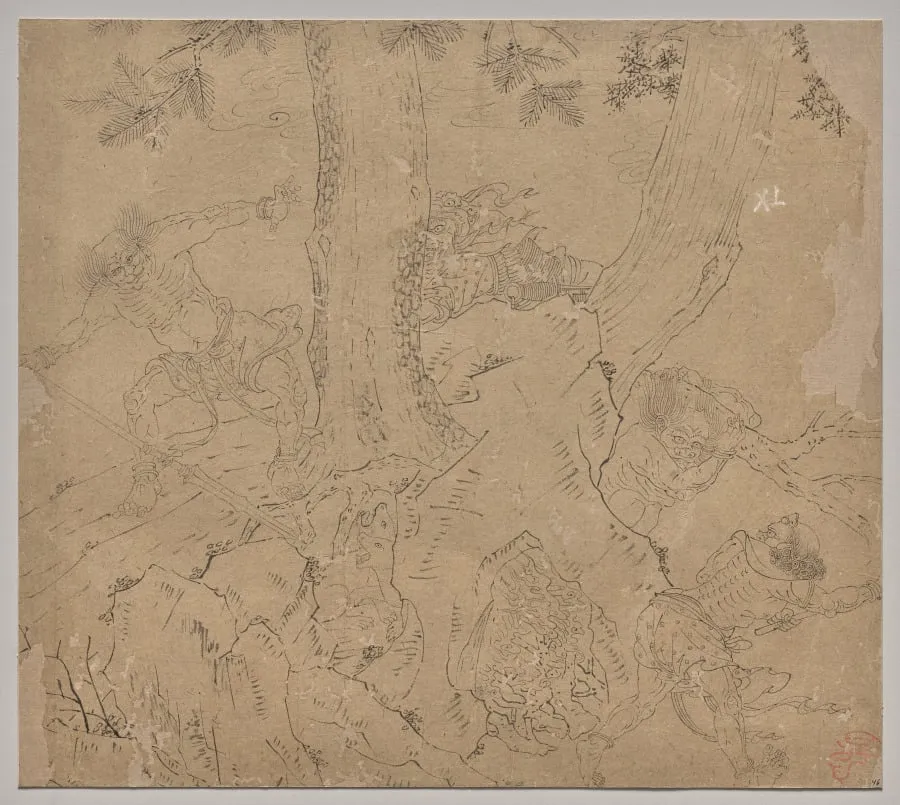
Album of Daoist and Buddhist Themes: Search the Mountain: Leaf 46 is an unspecified painting by the Ming dynasty painting artist Unknown. It dates from 1204 and is held in the collection of the Cleveland Museum of Art. This leaf is one of many in a 13th-century Chinese album titled 'Clearing the Mountains,' created during the Southern Song dynasty.
About this work
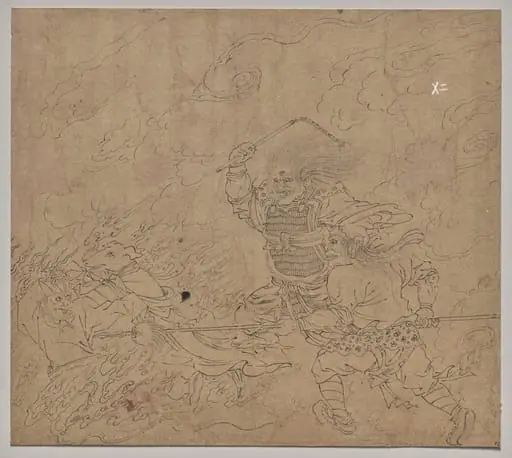
You see a small ink drawing on paper: a soldier pokes his spear into a dark hole where two wolves hide.
You see a small ink drawing on paper: a soldier pokes his spear into a dark hole where two wolves hide. Nearby, three more soldiers stand—two search the trees, one hauls a giant log.
This is one page from a 1200s Chinese album called *Clearing the Mountains*. The artist didn’t sign it, so we don’t know who made it. The scene feels quiet but tense, like a story paused mid-action.
To see more works like this, look up southern song dynasty (1127-1279).
Overview
This leaf is one of many in a 13th-century Chinese album titled 'Clearing the Mountains,' created during the Southern Song dynasty. Executed in ink on paper, it presents a quiet yet charged moment from a larger narrative. The artist remains anonymous, as was common in album paintings of the period. The work belongs to a series that blends Daoist and Buddhist themes with scenes of human labor and natural wilderness.
Subject & Meaning
A soldier probes a hollow with his spear, where two wolves lie concealed. Nearby, two others scan the rocky terrain, while a third carries a massive log, suggesting preparation or obstruction. The scene evokes vigilance and quiet tension, possibly symbolizing the struggle between human will and hidden forces of nature or spirit. The ambiguity of the moment invites contemplation rather than resolution.
Technique & Style
Rendered in fine ink lines and subtle washes, the composition emphasizes restraint and spatial depth. The soldiers and animals are delicately outlined, with minimal detail, allowing the viewer’s imagination to fill the gaps. The use of negative space around the figures enhances the sense of isolation and stillness, characteristic of Southern Song ink painting traditions that favored suggestion over elaboration.
History & Provenance
The album was likely compiled for private contemplation among scholar-officials or monastic circles. Though unsigned, its style aligns with Southern Song court or academy-trained artists. Its survival as a single leaf suggests it was once part of a larger, possibly dispersed collection. No definitive record of its early ownership exists, but its format and subject matter reflect elite cultural tastes of 13th-century China.
Context
Created during a time when the Southern Song court was culturally vibrant yet politically vulnerable, such albums often merged spiritual themes with everyday labor. Scenes of mountain clearing may have alluded to inner purification or the removal of spiritual obstacles. The blending of Daoist and Buddhist imagery with martial activity reflects a syncretic worldview common among literati of the period.
Legacy
This work exemplifies the Southern Song preference for intimate, narrative-driven ink paintings that prioritize mood over spectacle. Though little known outside specialist circles, it influenced later album painting traditions in East Asia. Its understated power and open-ended storytelling continue to inform interpretations of Chinese ink art as a medium for quiet introspection.
Artist & collection

 Domestic Scene
 Giacomo and Cardinal Marco, investing Andrea, Abbot of San Zeno, with his Benefice
 The Nymph of Fontainebleau
 Portrait of a Woman
 Madonna and Child with Saints in the Enclosed Garden
 Venus and Minerva
 Family Group of Four on Sofa
 Wall painting from Room H of the Villa of P. Fannius Synistor at Boscoreale
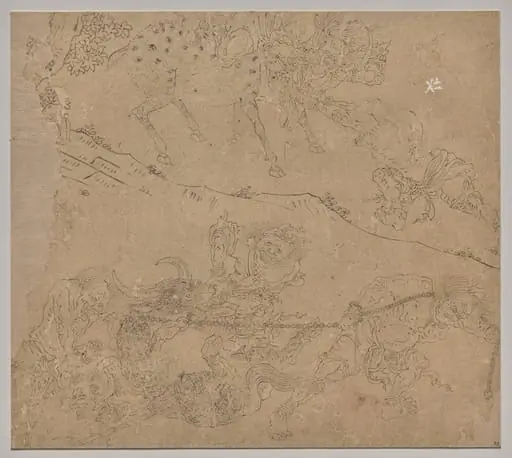 Album of Daoist and Buddhist Themes: Search the Mountain: Leaf 47
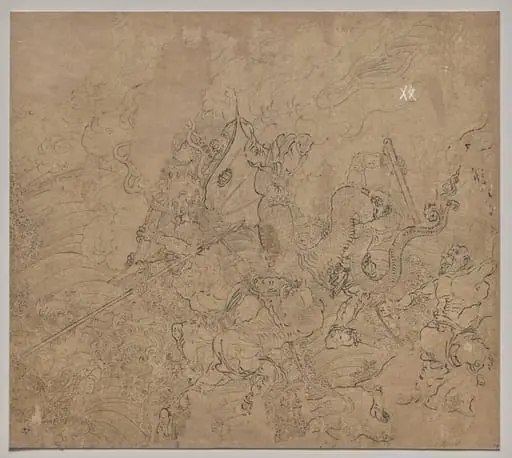 Album of Daoist and Buddhist Themes: Search the Mountain: Leaf 49
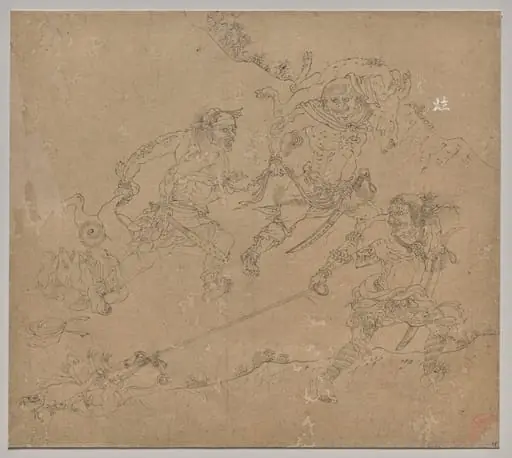 Album of Daoist and Buddhist Themes: Search the Mountain: Leaf 48
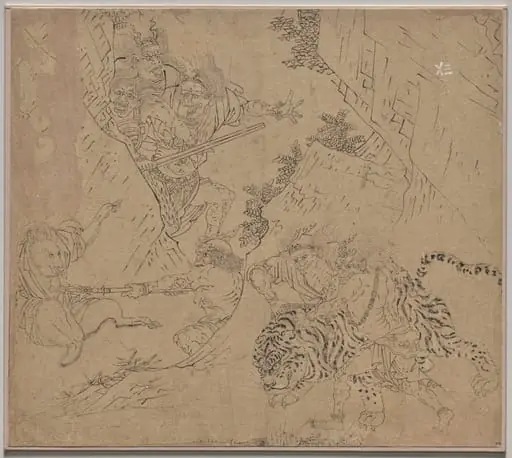 Album of Daoist and Buddhist Themes: Search the Mountain: Leaf 43
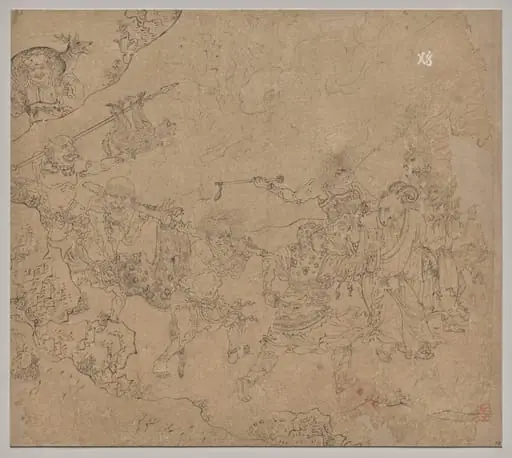 Album of Daoist and Buddhist Themes: Search the Mountain: Leaf 45
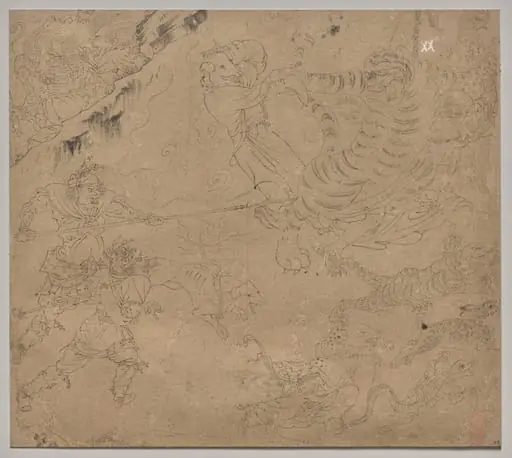 Album of Daoist and Buddhist Themes: Search the Mountain: Leaf 44
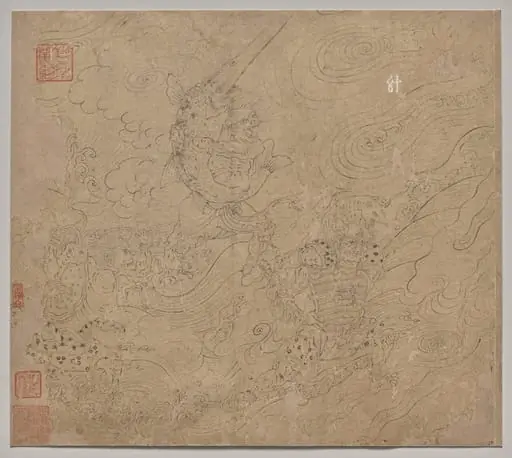 Album of Daoist and Buddhist Themes: Search the Mountain: Leaf 50
 Album of Daoist and Buddhist Themes: Search the Mountain: Leaf 42
 Album of Daoist and Buddhist Themes: Kings of Hells: Leaf 37