Artwork
Album of Daoist and Buddhist Themes: Search the Mountain: Leaf 45
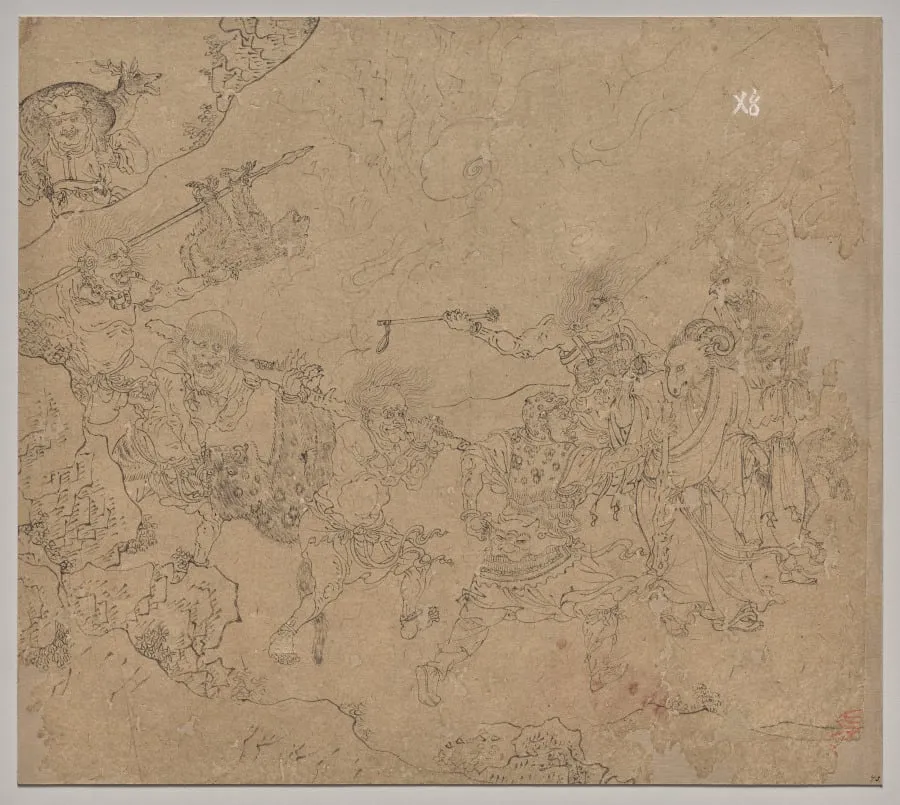
Album of Daoist and Buddhist Themes: Search the Mountain: Leaf 45 is an unspecified painting by the Ming dynasty painting artist Unknown. It dates from 1204 and is held in the collection of the Cleveland Museum of Art.
About this work
To see more of these small, precise drawings, look up *china, southern song dynasty (1127-1279)*.
You see a tiny ink painting of a god in armor swinging a sword at a demon in a rocky cave.
This leaf is one of fifty in a teaching album—like a medieval PowerPoint deck. Artists copied these scenes to learn how to paint gods, hell, and battles for temple walls. The brushwork is so light you can almost see the student’s hand shaking.
To see more of these small, precise drawings, look up *china, southern song dynasty (1127-1279)*.
Overview
The work belongs to a fifty‑leaf album illustrating Daoist and Buddhist subjects, produced during the Southern Song period in China (1127‑1279). Each leaf is a small ink painting intended as a teaching model for apprentices learning to depict divine figures, underworld scenes, and martial encounters for larger temple commissions.
Subject & Meaning
Leaves one through twenty‑six depict the Jade Emperor and the Daoist pantheon, while leaves twenty‑seven to forty‑zero portray the Buddhist Ten Kings of Hell overseeing punishments of the dead. The final section, titled “Clearing the Mountains,” shows divine soldiers—most likely led by the deity Erlang Shen—engaged in combat against hostile creatures, reflecting themes of order triumphing over chaos.
Technique & Style
The paintings are executed in fine ink on paper, employing a light, almost tentative brushstroke that reveals the hand of the learner. The compositions are compact, focusing on individual figures within confined spaces, such as a god in armor wielding a sword against a demon within a rocky grotto.
History & Provenance
The album was probably assembled by several master craftsmen who supplied the leaves as reference material for studio apprentices. The collaborative nature of its production suggests it functioned as a pedagogical tool rather than a finished decorative object, intended for copying in larger mural projects.
Context
During the Southern Song, religious art served both devotional and didactic purposes. Albums like this one provided a standardized visual vocabulary for artists tasked with illustrating complex mythological narratives on temple walls and scrolls, ensuring consistency across commissions.
Artist & collection

 Domestic Scene
 Giacomo and Cardinal Marco, investing Andrea, Abbot of San Zeno, with his Benefice
 The Nymph of Fontainebleau
 Portrait of a Woman
 Madonna and Child with Saints in the Enclosed Garden
 Venus and Minerva
 Family Group of Four on Sofa
 Wall painting from Room H of the Villa of P. Fannius Synistor at Boscoreale
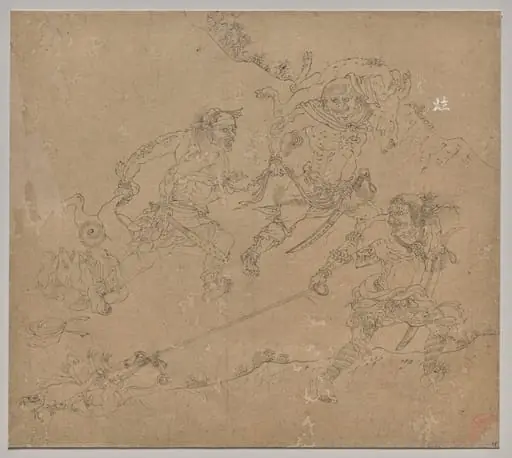 Album of Daoist and Buddhist Themes: Search the Mountain: Leaf 48
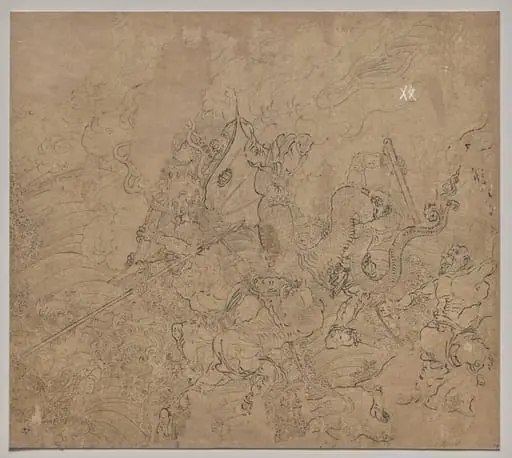 Album of Daoist and Buddhist Themes: Search the Mountain: Leaf 49
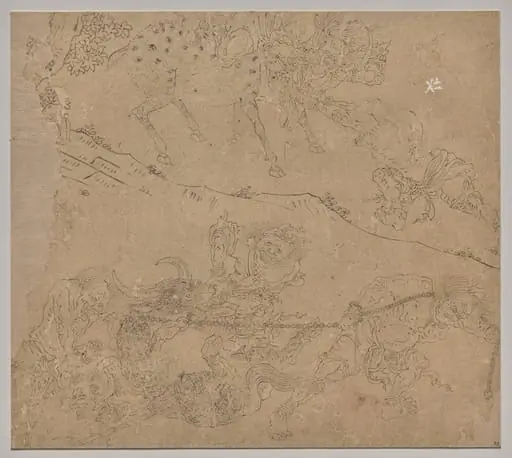 Album of Daoist and Buddhist Themes: Search the Mountain: Leaf 47
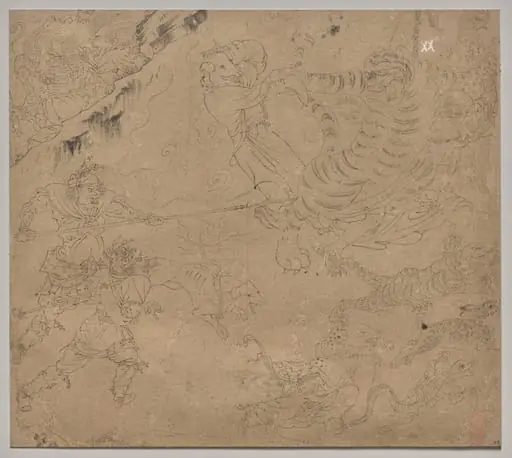 Album of Daoist and Buddhist Themes: Search the Mountain: Leaf 44
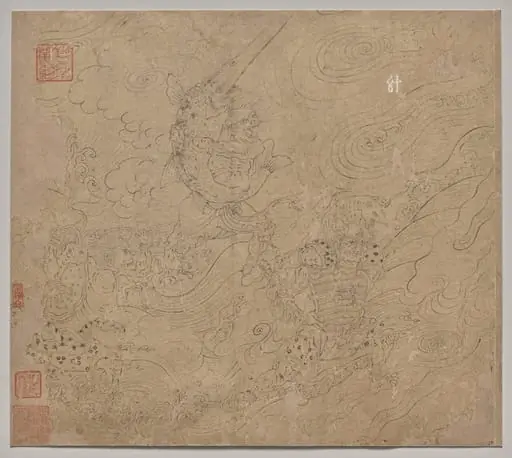 Album of Daoist and Buddhist Themes: Search the Mountain: Leaf 50
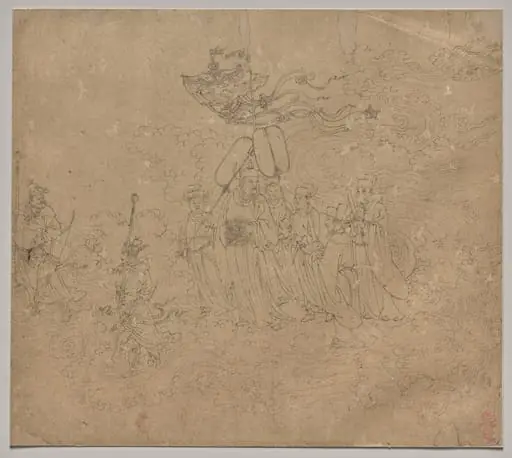 Album of Daoist and Buddhist Themes: Procession of Daoist Deities: Leaf 6
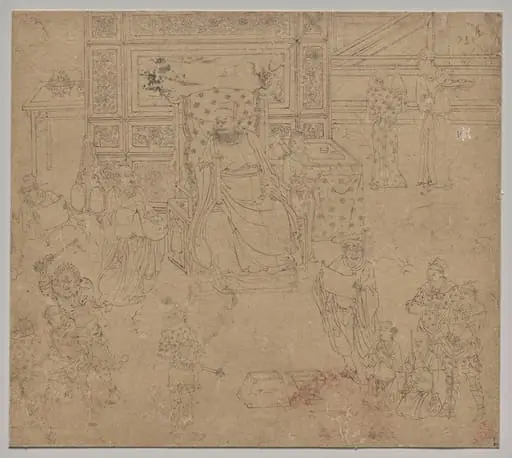 Album of Daoist and Buddhist Themes: Kings of Hells: Leaf 34
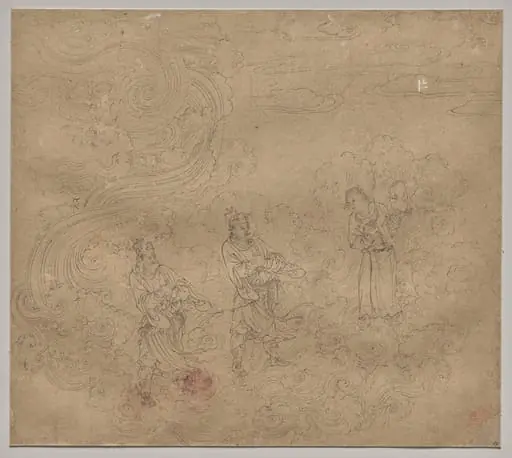 Album of Daoist and Buddhist Themes: Procession of Daoist Deities: Leaf 17
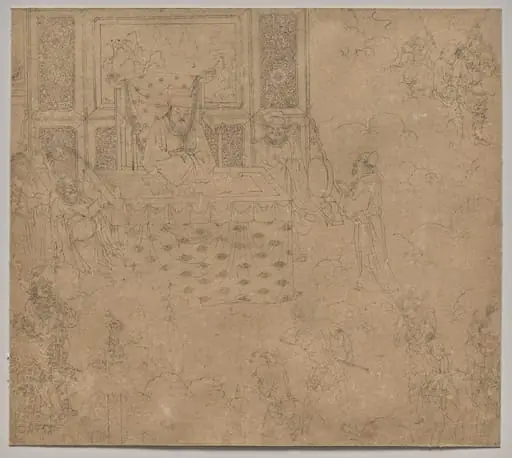 Album of Daoist and Buddhist Themes: Kings of Hells: Leaf 31