Artwork
Allert Boelisse (1523-59)
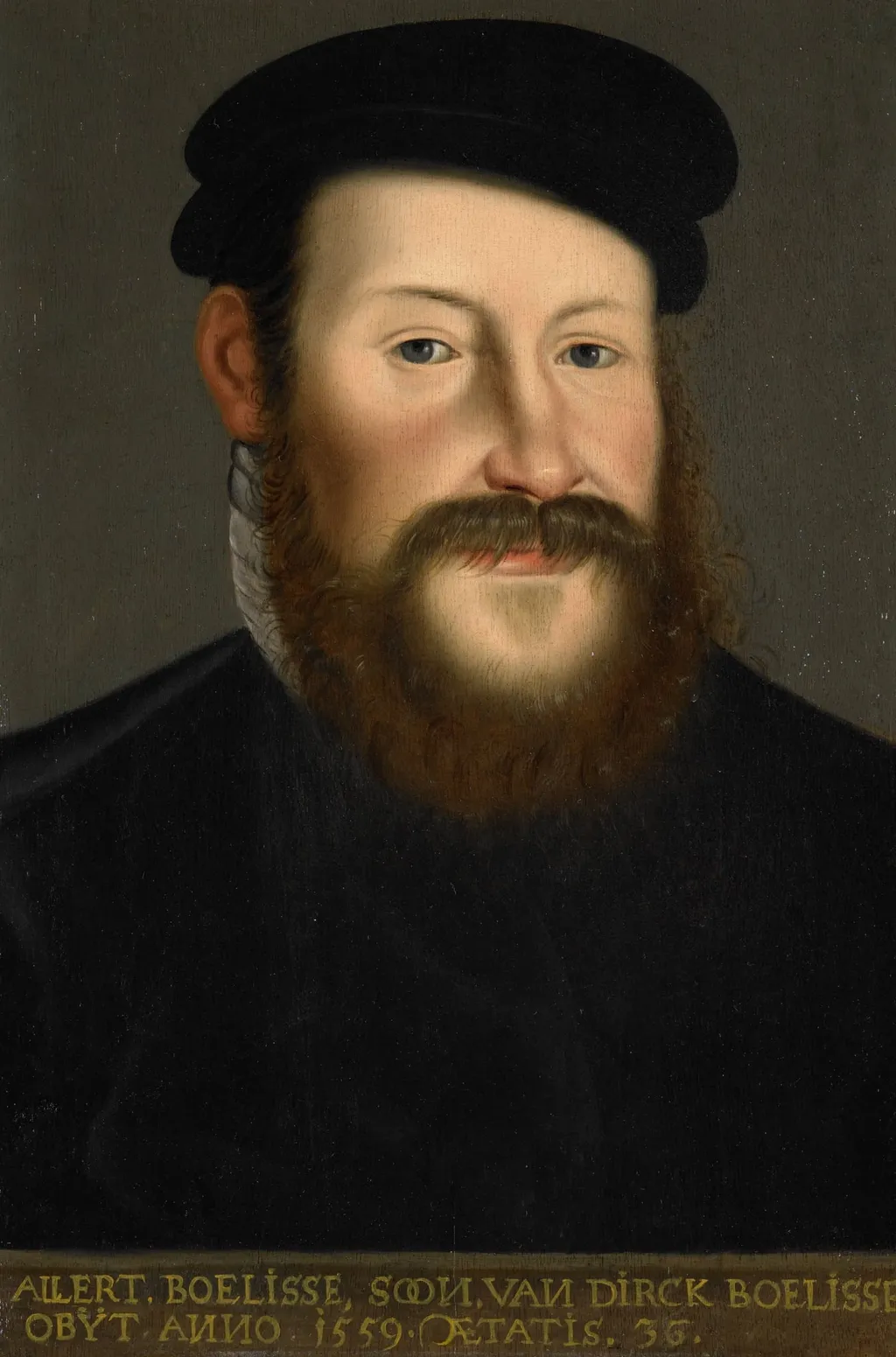
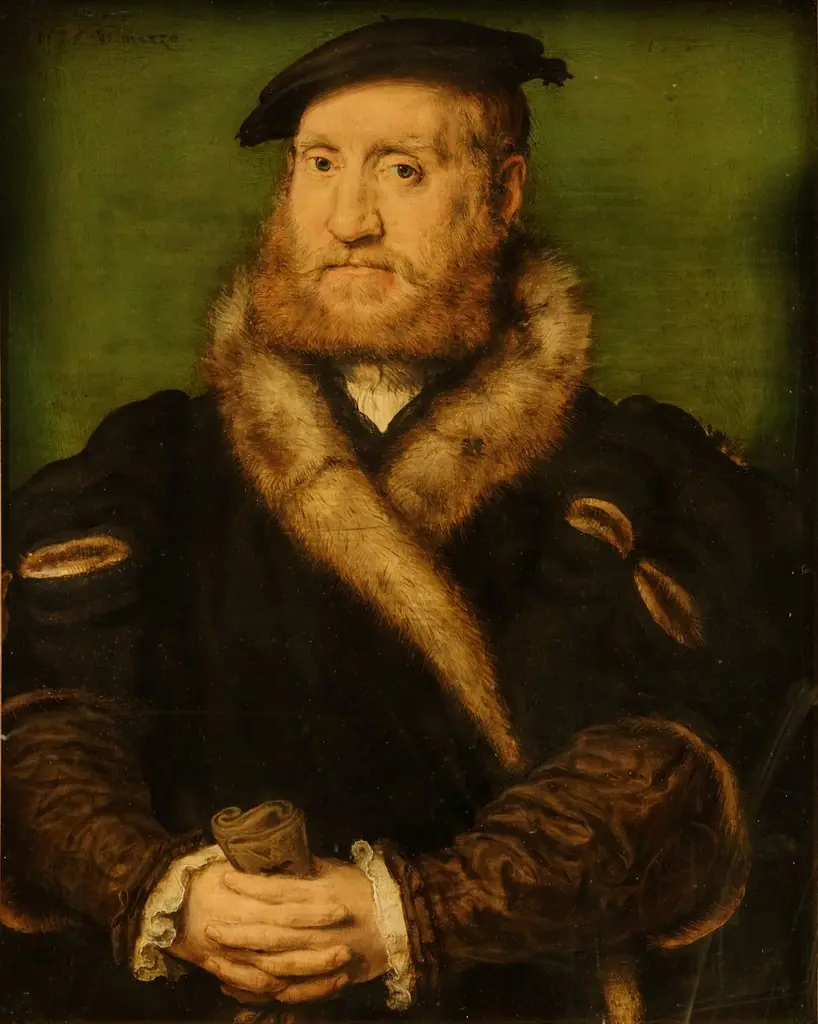
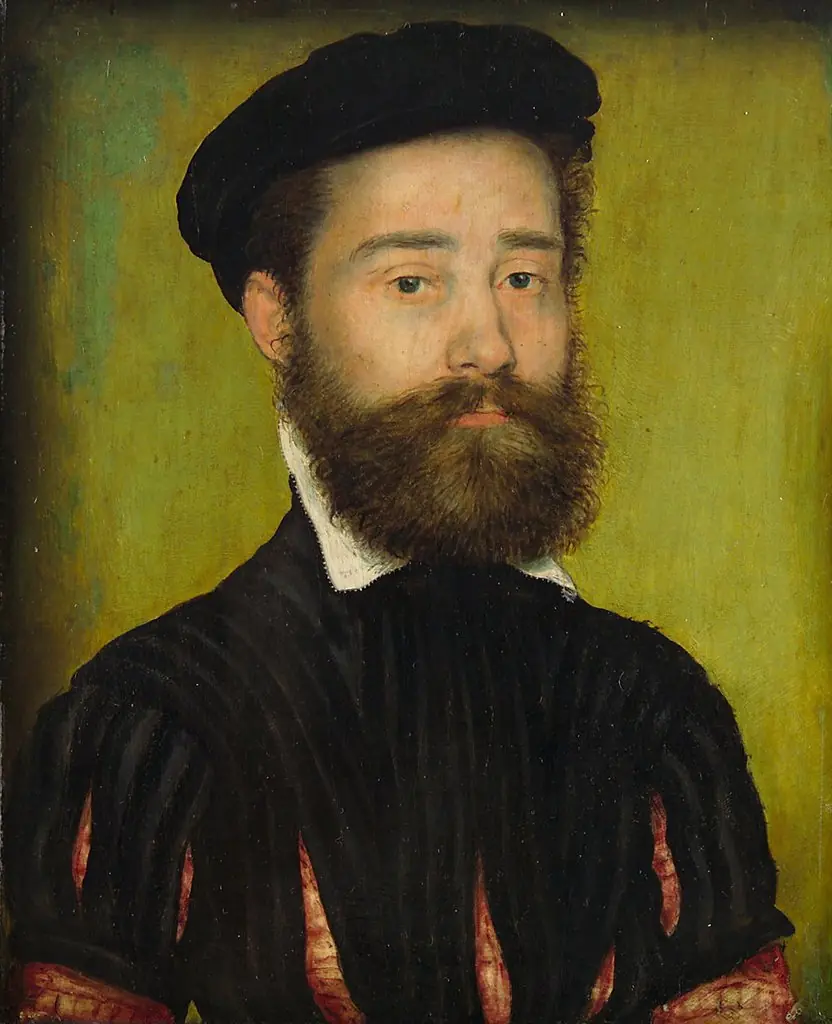
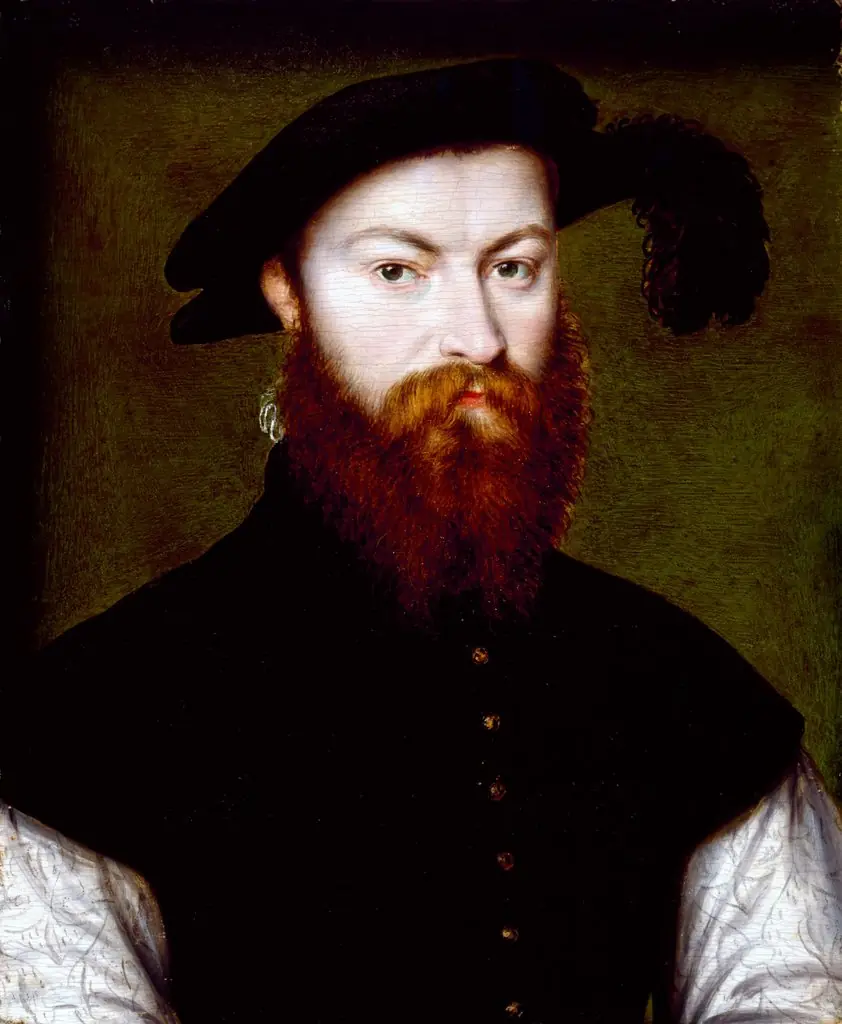
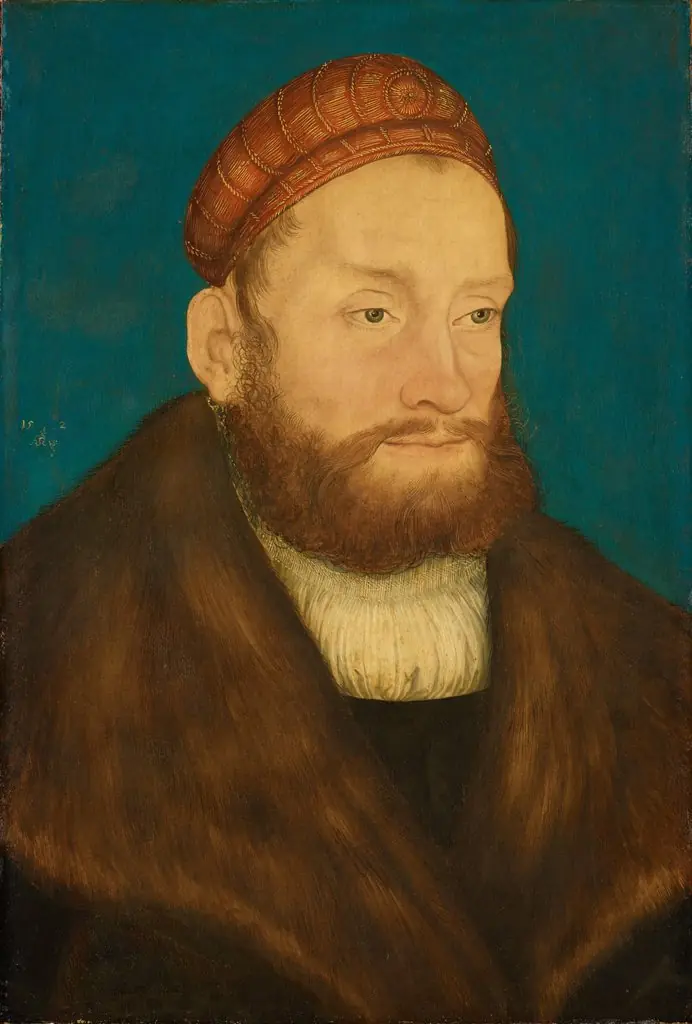
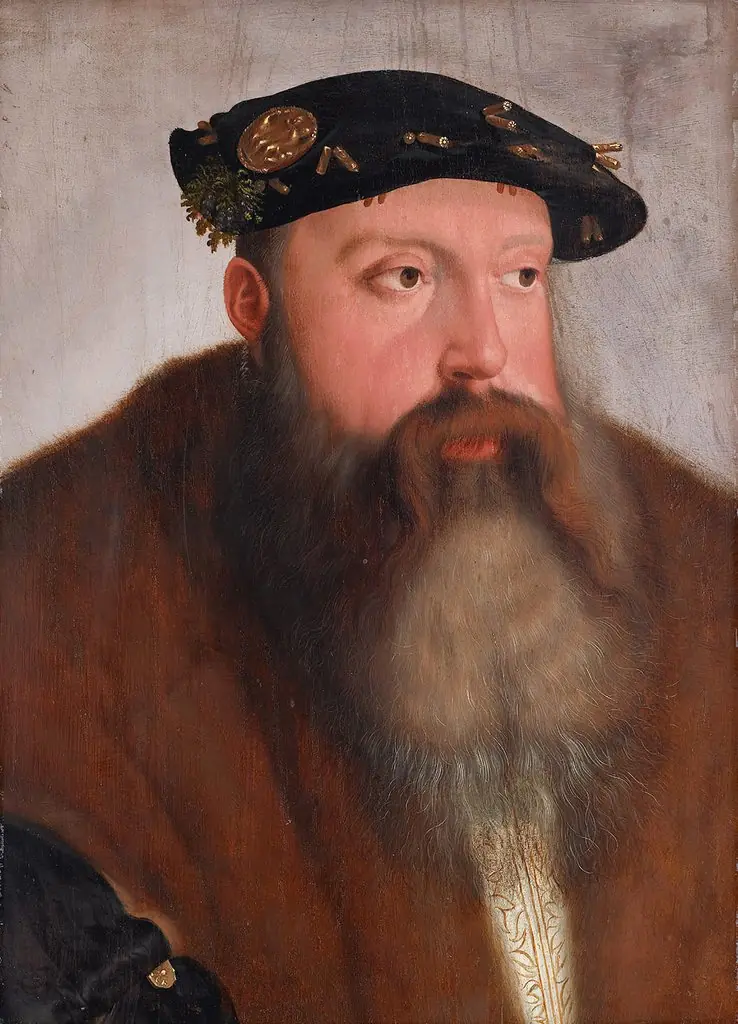
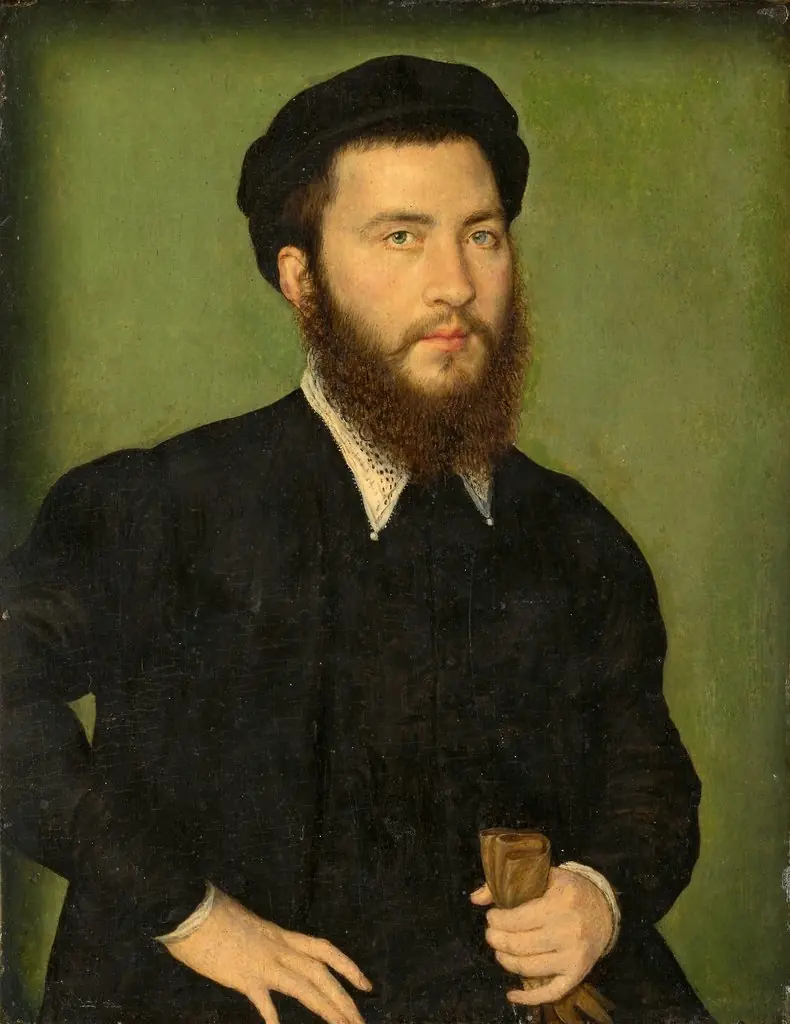
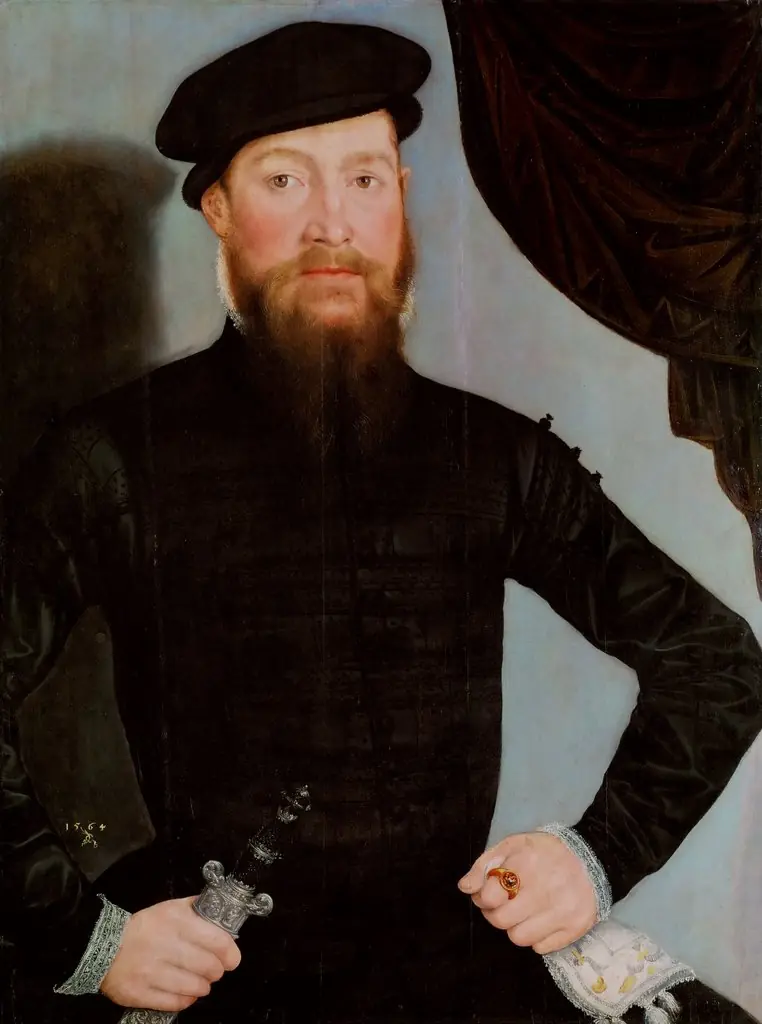
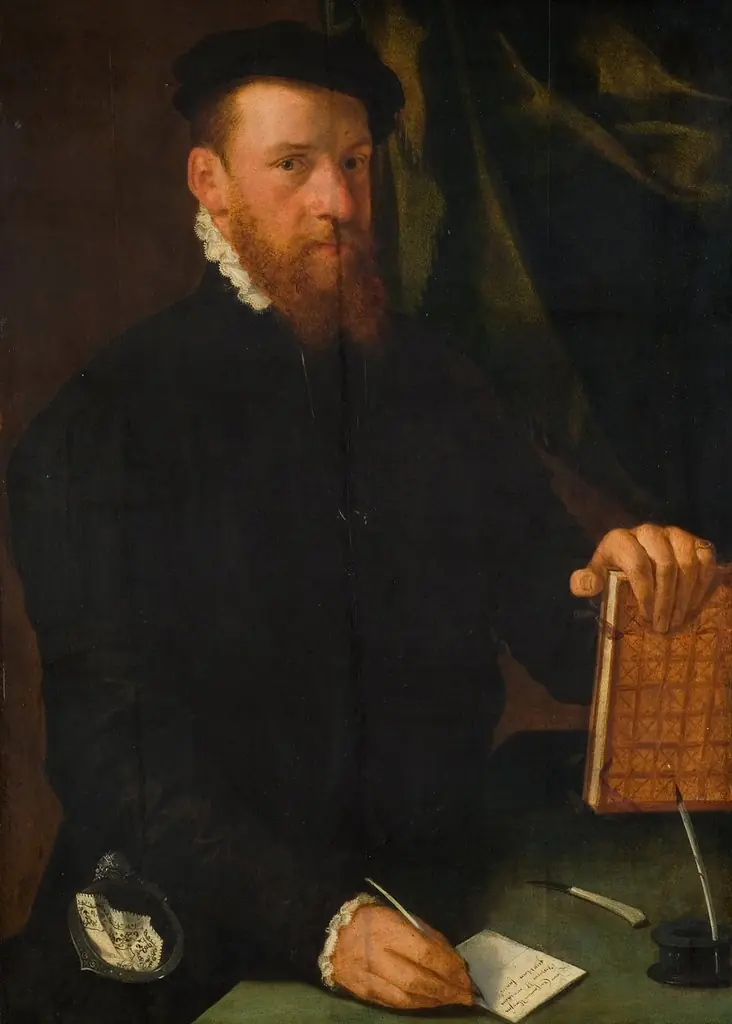
Allert Boelisse (1523-59) is an unspecified painting by the Northern Renaissance artist Unknown. It dates from 1550 and is held in the collection of the Rijksmuseum. This portrait depicts Allert Boelisse, a man born in 1523 and deceased in 1559, rendered as a bust facing the viewer.
About this work
Overview
It preserves the composition and key details of a lost earlier work, offering a window into 16th-century portraiture through a 17th-century lens.
This portrait depicts Allert Boelisse, a man born in 1523 and deceased in 1559, rendered as a bust facing the viewer. The painting is not an original from his lifetime but a later reproduction, likely created around 1620. It preserves the composition and key details of a lost earlier work, offering a window into 16th-century portraiture through a 17th-century lens. The artist’s fidelity to the source suggests a deliberate act of preservation rather than creative reinterpretation.
Subject & Meaning
Allert Boelisse is portrayed with solemn composure, his gaze direct and unyielding. His attire—black coat, flat cap, and crisp white ruff—signals civic status and Protestant modesty common among Dutch burghers of the period. The absence of adornment or symbolic objects emphasizes personal presence over social display. The stillness of his expression invites contemplation, as if the sitter remains suspended between life and memory.
Technique & Style
The painting employs precise brushwork to render facial features and fabric textures, yet the palette appears subdued, lacking the luminosity of contemporary originals. Colors seem muted, possibly due to aging or the copyist’s deliberate restraint. The flatness of tone and reduced contrast suggest either a fading original being replicated or a stylistic choice to evoke temporal distance, distinguishing this version from the vibrancy of its 1550s predecessor.
History & Provenance
The original portrait, dated circa 1550, has not survived. This version, made approximately seventy years later, was likely commissioned by descendants or collectors seeking to maintain a visual lineage. Its existence reflects a growing 17th-century interest in preserving the likenesses of earlier generations, particularly among urban families with ties to the Reformation. The artist remains unidentified, consistent with many workshop reproductions of the era.
Context
In early 17th-century Holland, portraiture was increasingly valued as a record of identity and family heritage. While grand historical or religious scenes dominated public art, private collections favored intimate likenesses of ancestors. This portrait fits within that trend—its quiet dignity aligns with the emerging bourgeois aesthetic, where personal legacy mattered as much as public achievement.
Legacy
As a copy of a lost original, this work serves as a material link to a vanished moment in Dutch visual culture. It exemplifies how portraiture functioned not merely as representation but as preservation. Today, it contributes to the historical record of individual identity in the Northern Netherlands, offering scholars insight into how memory was visually sustained across generations.
Artist & collection

 Domestic Scene
 Giacomo and Cardinal Marco, investing Andrea, Abbot of San Zeno, with his Benefice
 The Nymph of Fontainebleau
 Portrait of a Woman
 Madonna and Child with Saints in the Enclosed Garden
 Venus and Minerva
 Family Group of Four on Sofa
 Wall painting from Room H of the Villa of P. Fannius Synistor at Boscoreale