Artwork
Männliches Bildnis
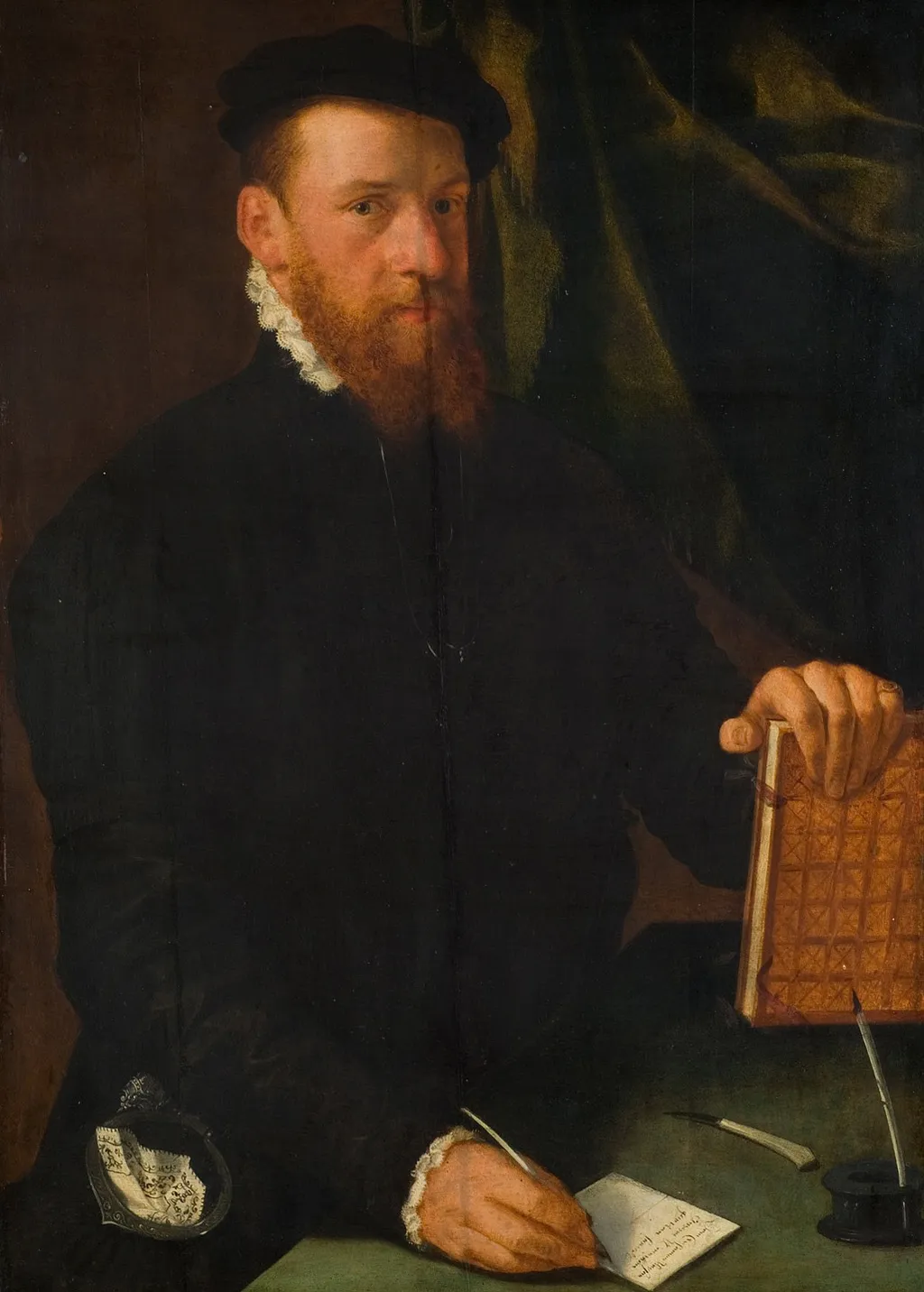
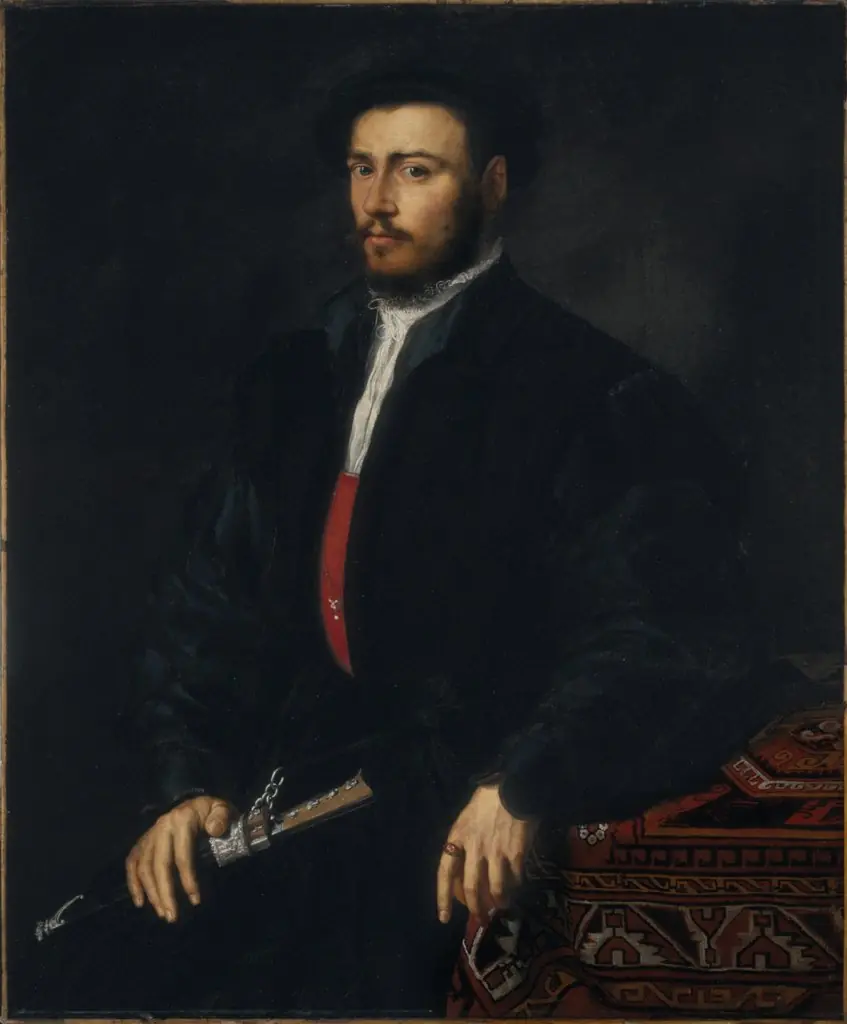
Männliches Bildnis is an unspecified painting by the Mannerist artist Unknown. It dates from 1559 and is held in the collection of the Kunsthistorisches Museum. This portrait depicts a bearded man seated at a desk, engaged in scholarly activity.
About this work
Overview
The composition is tightly focused, with minimal background detail and strong contrasts between light and shadow.
This portrait depicts a bearded man seated at a desk, engaged in scholarly activity. Dressed in a dark robe, he holds a book and quill, suggesting intellectual labor. The composition is tightly focused, with minimal background detail and strong contrasts between light and shadow. The subject’s expression is solemn, reinforcing a tone of quiet contemplation. The painting’s simplicity directs attention to the figure’s presence and demeanor.
Subject & Meaning
The man is portrayed as a scholar or intellectual, defined by his attire and tools: the open book, quill, and inkwell imply writing, study, or correspondence. His serious gaze and still posture convey introspection rather than action. The absence of decorative elements or symbolic objects suggests a preference for dignity over display. The portrait likely served to commemorate a learned individual, emphasizing thought and discipline over status or wealth.
Technique & Style
The artist employs chiaroscuro to model the face and hands with sharp contrasts between light and deep shadow, enhancing three-dimensionality. The dark robe and background recede, isolating the figure’s features in a narrow band of illumination. Brushwork is precise but unobtrusive, favoring clarity over texture. The desk and objects are rendered with restrained detail, ensuring the face remains the visual anchor. This approach reflects a Northern European tradition of psychological portraiture.
History & Provenance
The painting’s origin is not fully documented, but its style aligns with early 17th-century Northern European portraiture. It lacks inscriptions or known commission records, making the subject’s identity uncertain. The work likely belonged to a private collector or academic circle before entering its current collection. Its preservation suggests it was valued for its quiet intensity rather than its association with a famous figure.
Context
During the early 1600s, portraits of scholars and civic leaders often emphasized intellectual virtue through restrained composition and symbolic objects. This painting fits within a broader trend that favored psychological depth over grandeur. Unlike courtly portraits, it avoids heraldry or opulent settings, reflecting a cultural shift toward valuing private intellect and moral seriousness in an era of religious and political upheaval.
Legacy
The painting endures as an example of understated portraiture, where emotional resonance arises from subtlety rather than spectacle. Its use of chiaroscuro influenced later artists seeking to convey inner life through light and shadow. Though not widely exhibited, it remains a reference for studies of Northern European realism and the visual language of scholarly identity in the early modern period.
Artist & collection

 Domestic Scene
 Giacomo and Cardinal Marco, investing Andrea, Abbot of San Zeno, with his Benefice
 The Nymph of Fontainebleau
 Portrait of a Woman
 Madonna and Child with Saints in the Enclosed Garden
 Venus and Minerva
 Family Group of Four on Sofa
 Wall painting from Room H of the Villa of P. Fannius Synistor at Boscoreale
 Portrait of a Man in a Cape
 Bildnis eines Mannes
 Portrait of a Man
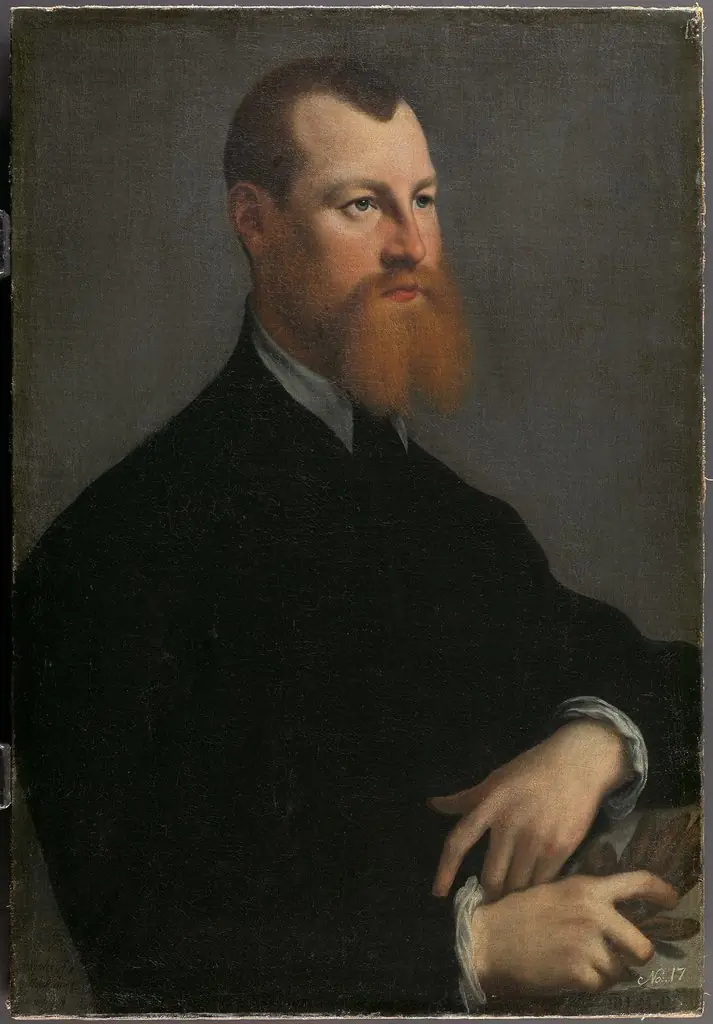 Portrait of Sigismund Augustus (1520-1572) with gloves
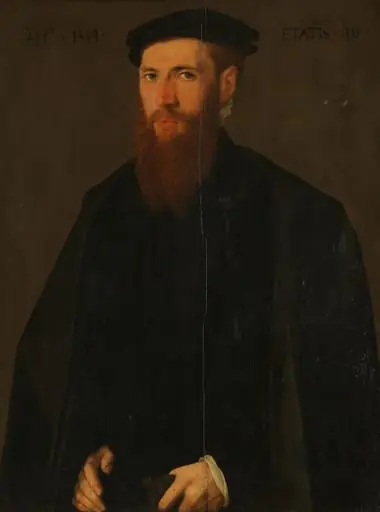 Portrait of Willem van Lokhorst (1514-64)
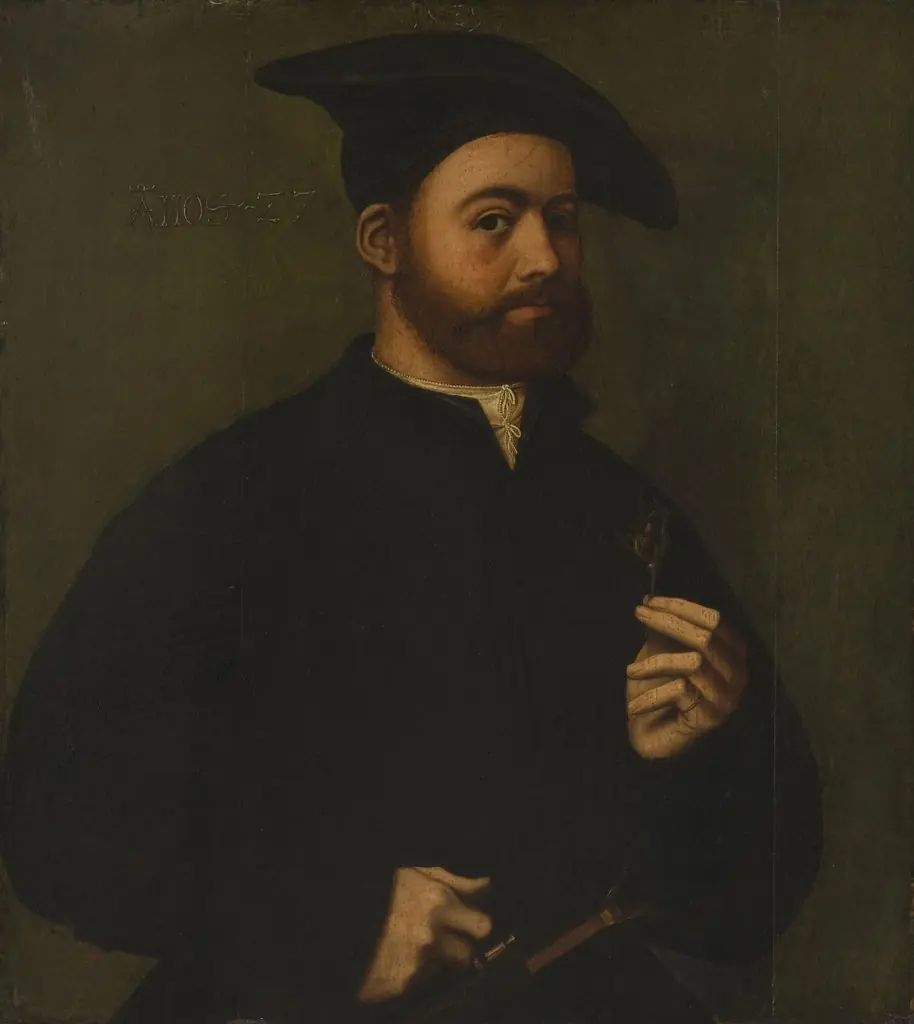 Portrait of a Man Holding a Rose
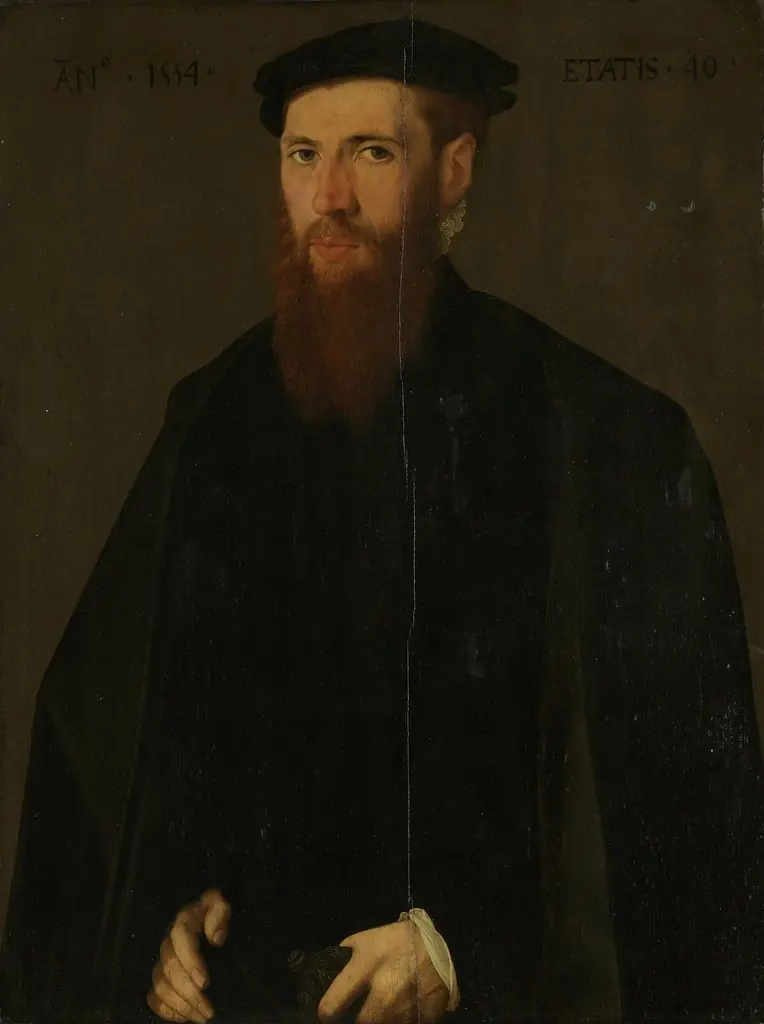 Portrait of Willem van Lokhorst (1514-64)
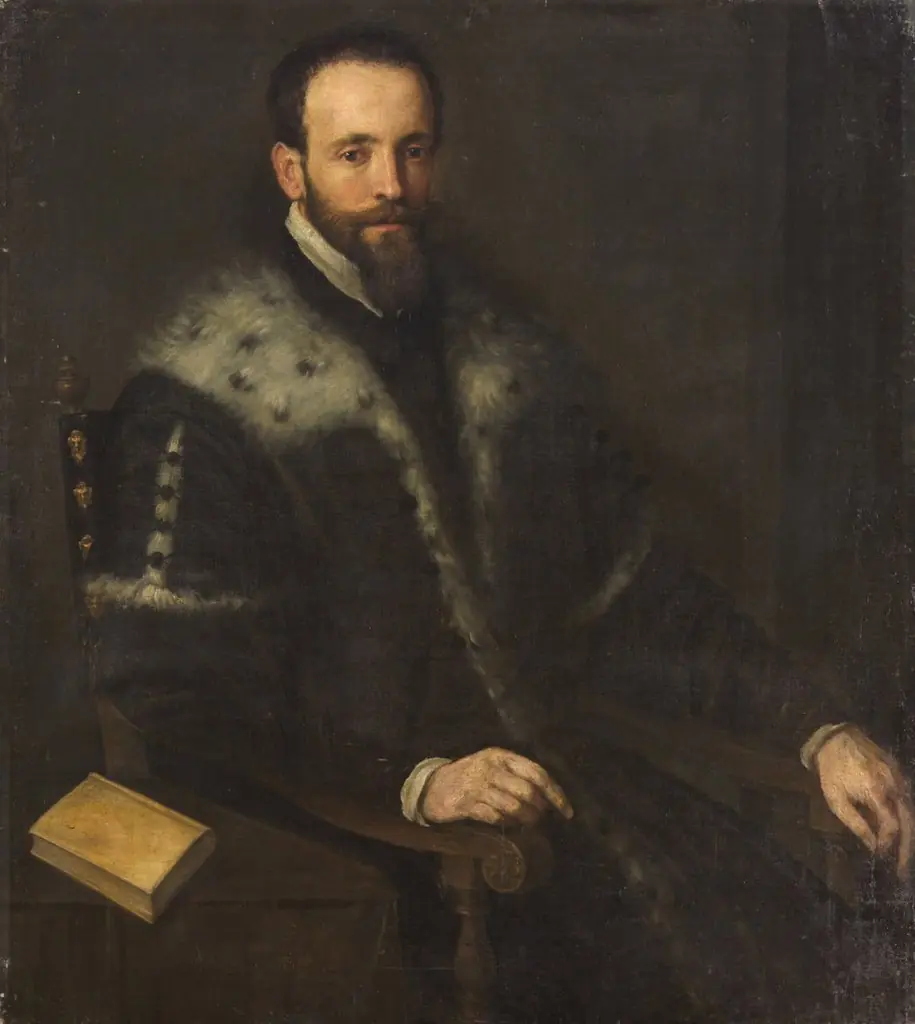 Bildnis eines Mannes im Lehnstuhl
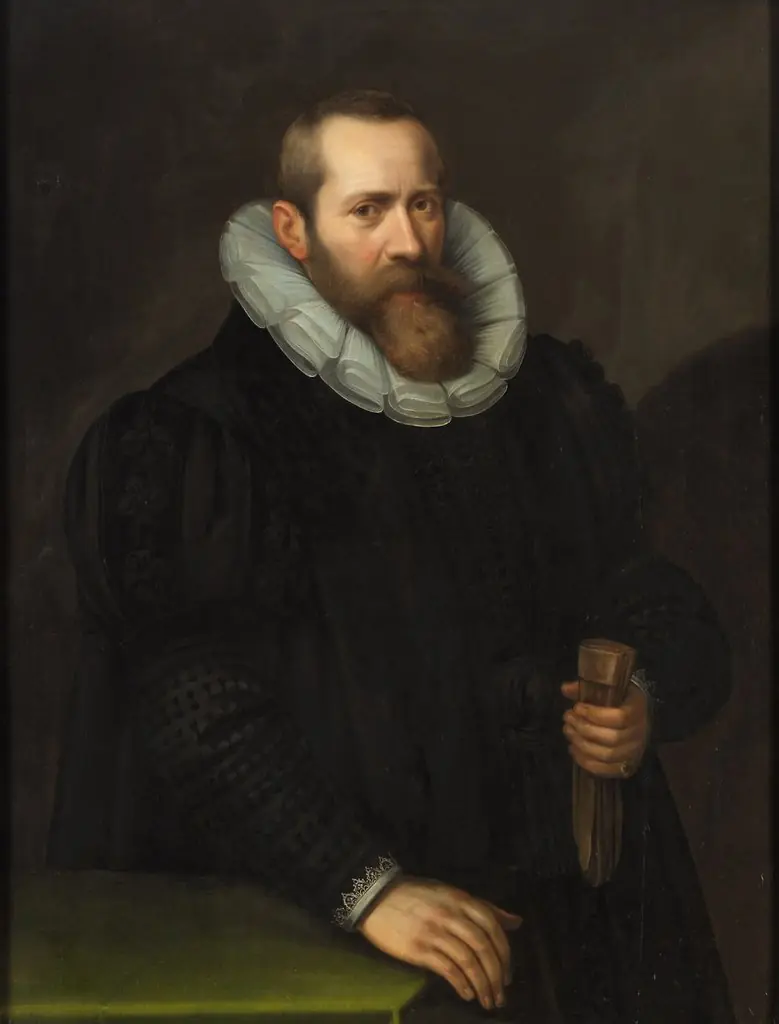 Portrait of a man
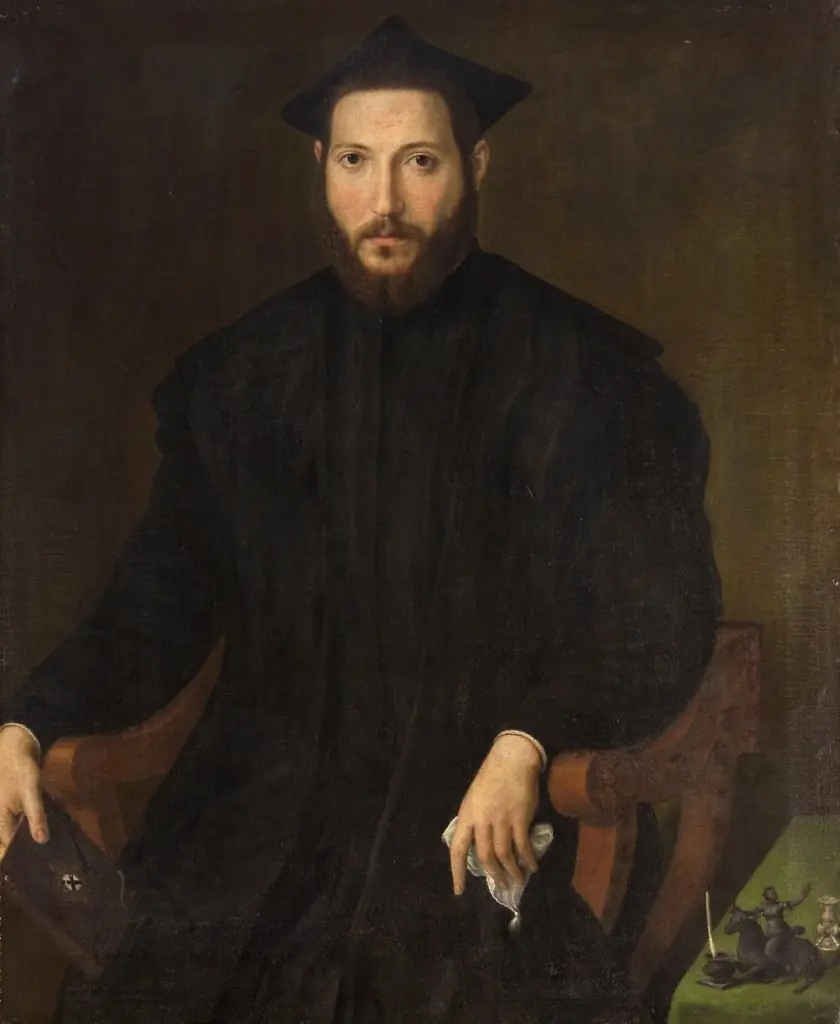 Bildnis eines Geistlichen
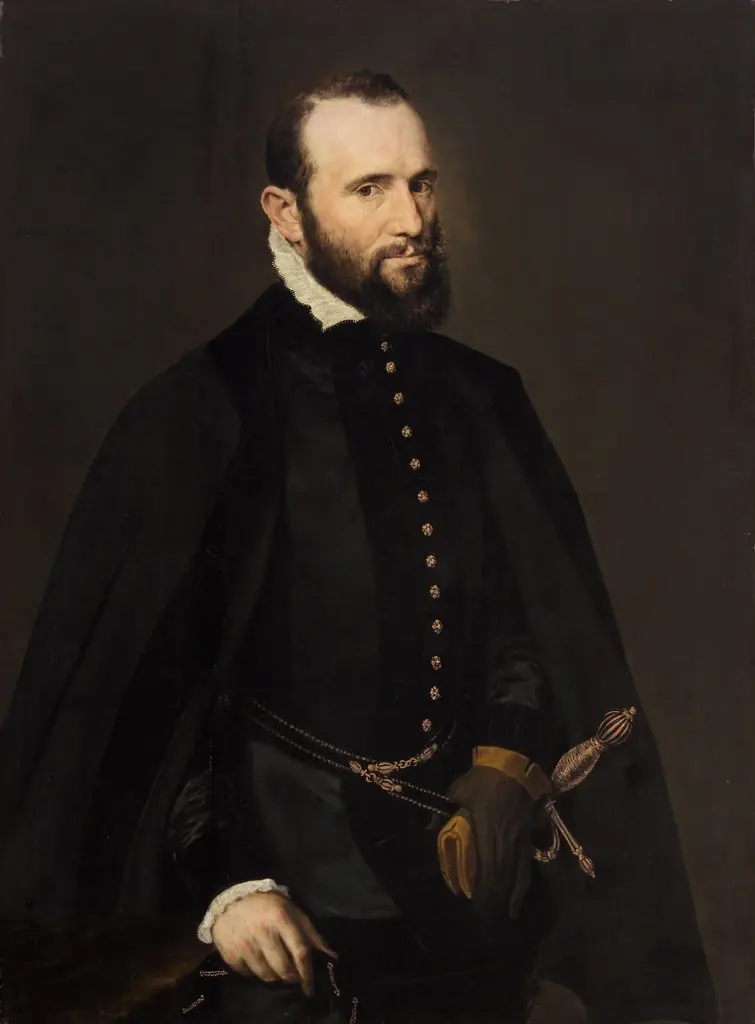 Portrait of a man
 Portrait of a Young Nobleman