Artwork
Amorous Couple
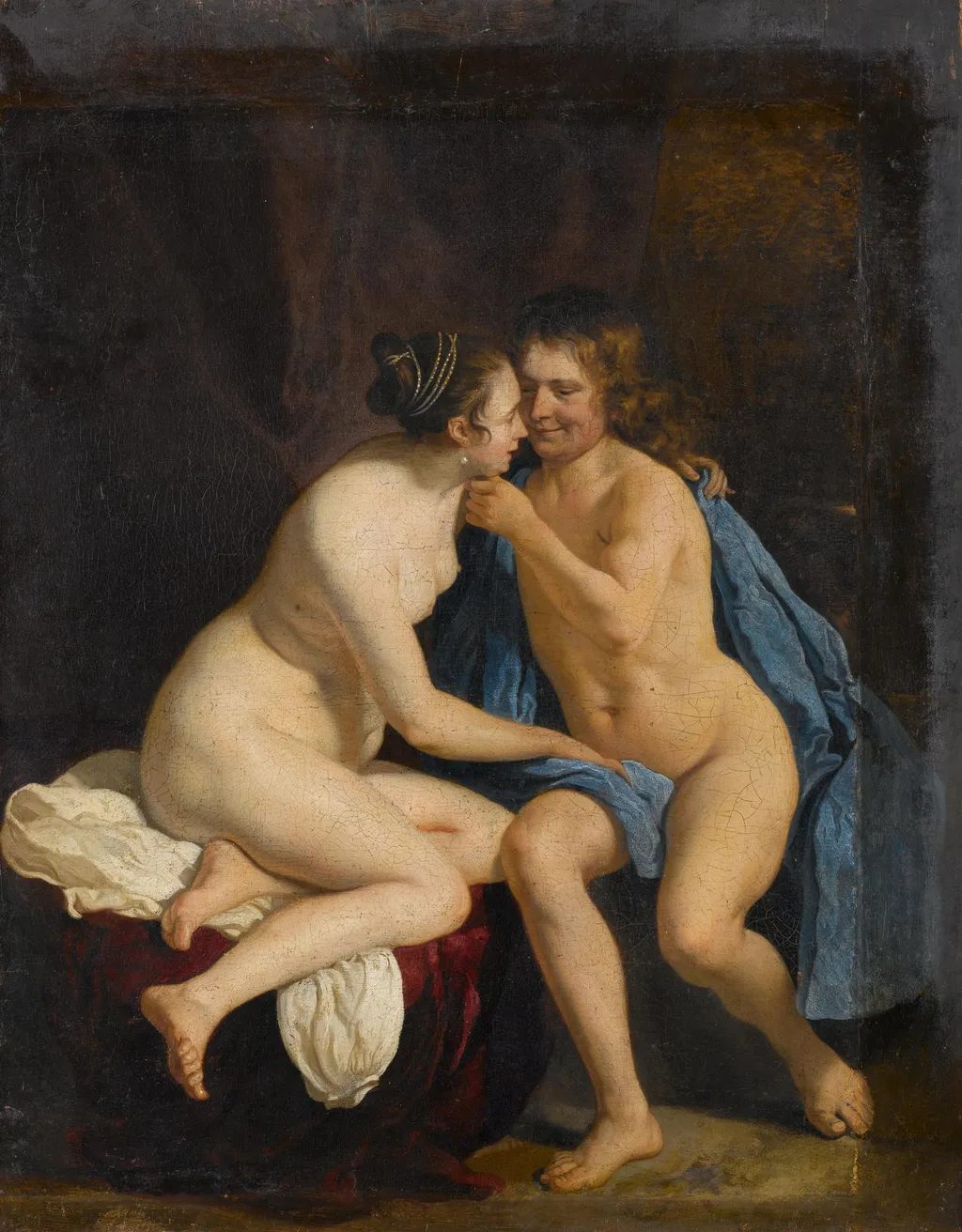
Amorous Couple is an unspecified painting. It dates from 1650 and is held in the collection of the Rijksmuseum.
About this work
Overview
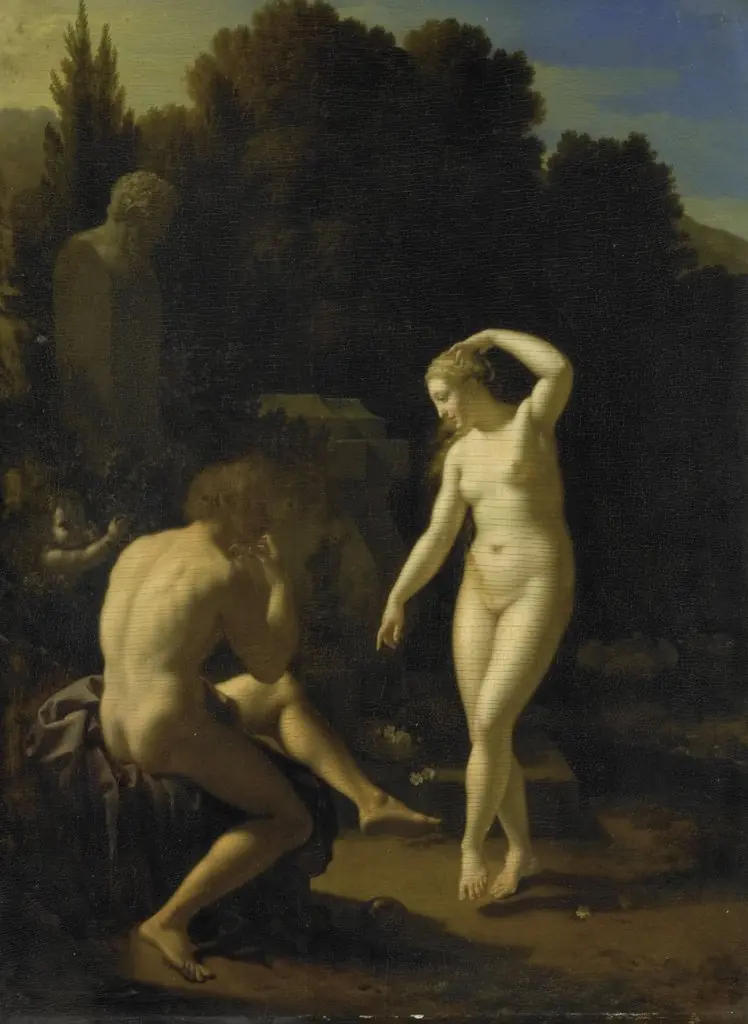
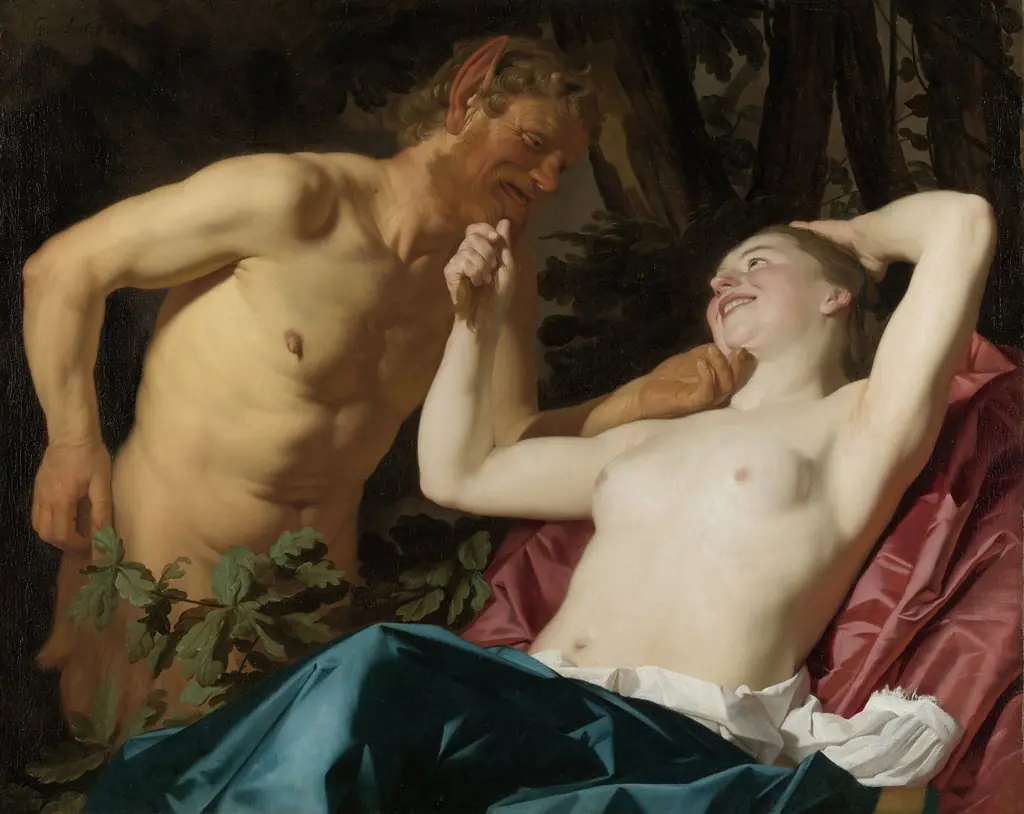
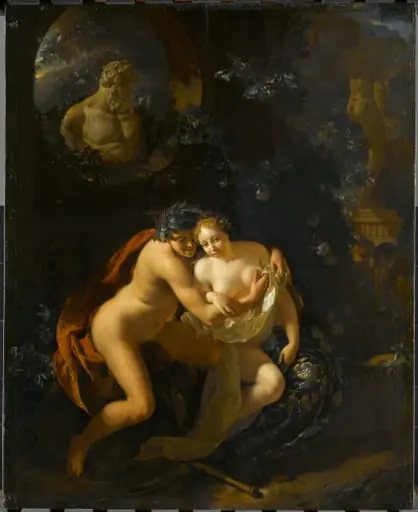
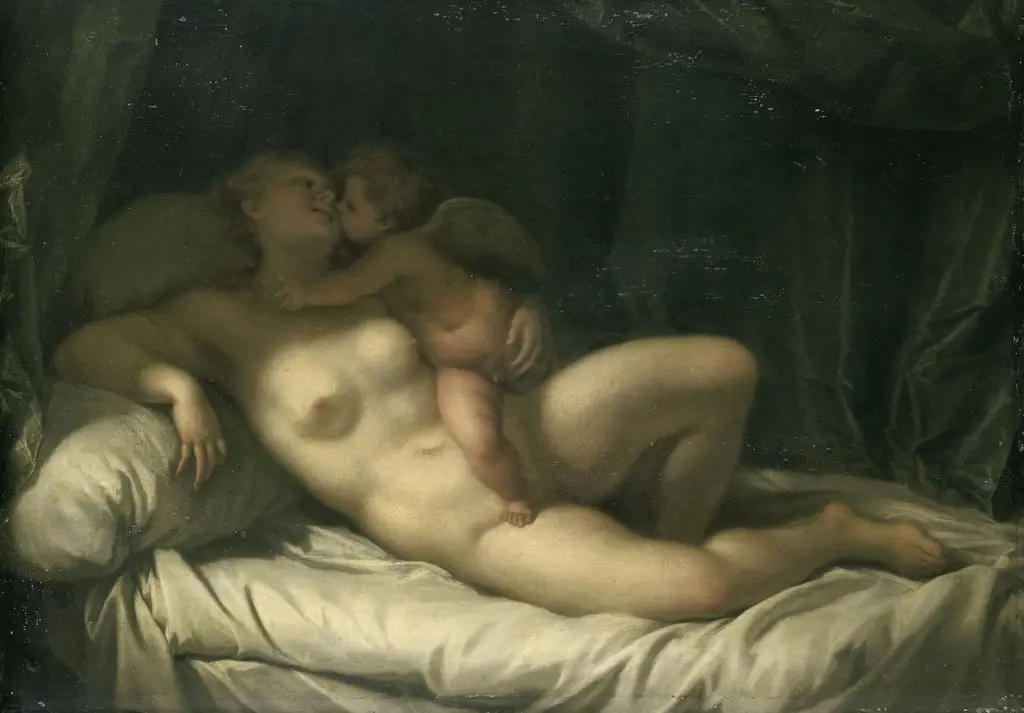
‘Amorous Couple’ is a small oil painting depicting a naked man and woman seated together beneath a tree. The figures are intertwined in a gentle embrace, their bodies rendered with a softness that conveys intimacy rather than eroticism. The work’s palette and lighting create a warm atmosphere that sets it apart from the more formal, clothed genre scenes typical of 17th‑century Dutch art.
Subject & Meaning
The composition focuses on a private moment of affection, emphasizing tenderness over overt sensuality. By presenting the couple unclothed in a natural setting, the artist invites contemplation of vulnerability and emotional closeness, suggesting a universal theme of love that transcends social conventions of the period.
Technique & Style
Executed in oil on panel, the painting employs delicate brushwork to model flesh and foliage alike, achieving a subtle gradation of tones. The use of chiaroscuro softens the figures’ outlines, while the muted background allows the bodies to dominate the visual field, reinforcing the work’s intimate character.
History & Provenance
The creator of ‘Amorous Couple’ remains unidentified, and no documentation links the piece to a specific patron or collection. Its anonymity leaves open the possibility that it was commissioned for a private domestic setting or for a collector interested in unconventional, personal subjects.
Context
During the Dutch Golden Age, most paintings of everyday life featured fully dressed subjects, even in domestic interiors. This work diverges from that norm, aligning more closely with a niche of erotic or private genre scenes that were rarely displayed publicly, reflecting a discreet market for intimate imagery.
Artist & collection