Artwork
An Antique Artist
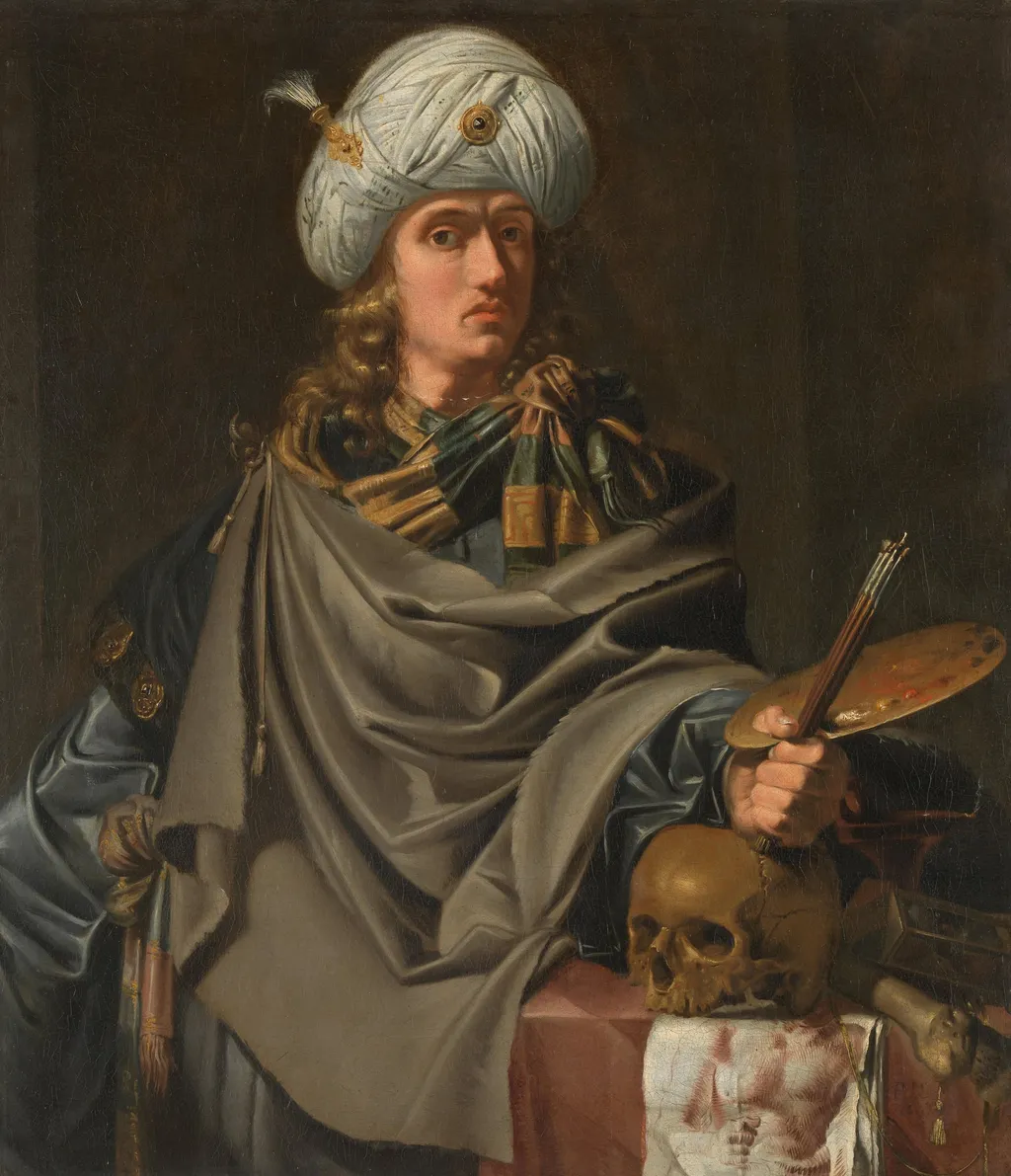
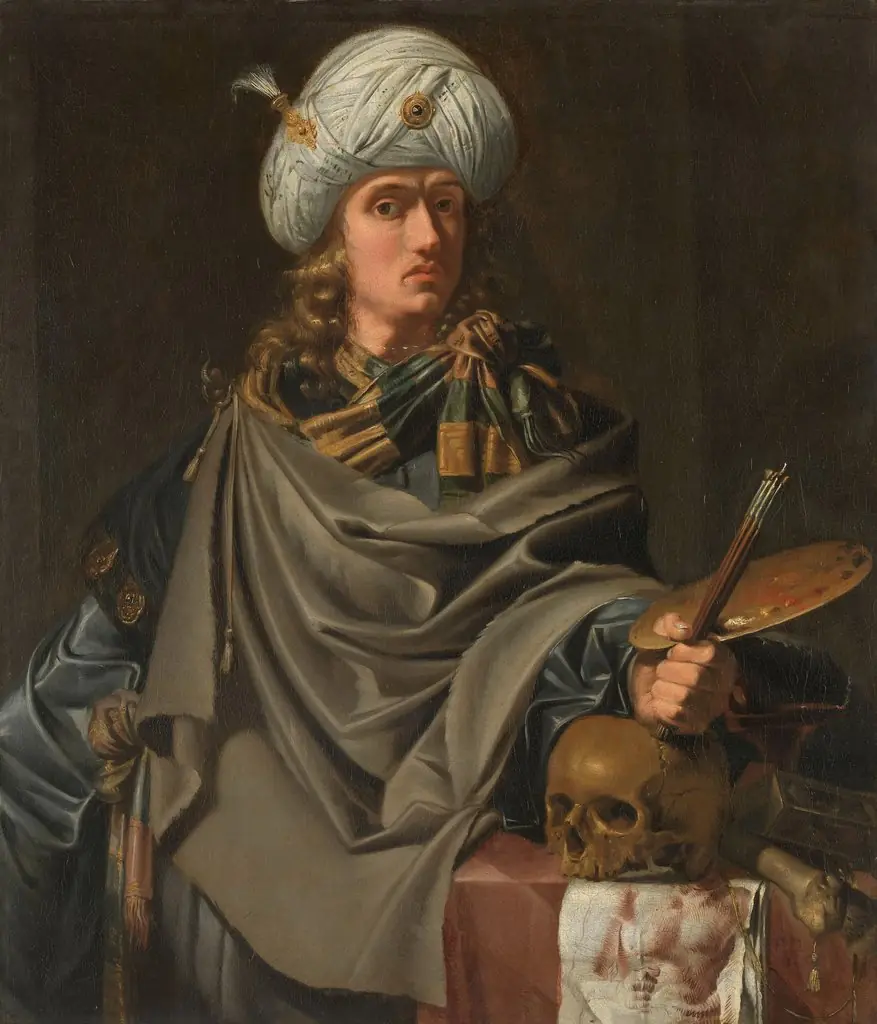
An Antique Artist is an unspecified painting by the Flemish Baroque painting artist Unknown. It dates from 1628 and is held in the collection of the Rijksmuseum. The work is a seventeenth‑century oil painting that portrays a fictitious artist from classical antiquity.
About this work
Overview
The composition merges the visual language of ancient Greece or Rome with Baroque sensibilities, creating a staged homage to the learned artist of the past.
The work is a seventeenth‑century oil painting that portrays a fictitious artist from classical antiquity. The figure, an elderly man, clutches a palette and brushes in one hand while the other supports a human skull and a rendered study of musculature. The composition merges the visual language of ancient Greece or Rome with Baroque sensibilities, creating a staged homage to the learned artist of the past.
Subject & Meaning
The juxtaposition of painting tools with a skull and anatomical sketch underscores the period’s belief in the unity of artistic practice and scientific inquiry. By presenting the imagined antiquarian creator alongside symbols of mortality and bodily knowledge, the image reflects contemporary ideas that mastery of the human form required both artistic skill and anatomical study.
Technique & Style
Executed with chiaroscuro, the painting employs strong contrasts of light and dark to model the figure’s face and the objects he holds. The illumination falls on the palette and skull, drawing the viewer’s eye, while the surrounding shadows give depth and a dramatic atmosphere typical of Baroque portraiture.
History & Provenance
Although the subject is an invented classical artist, the canvas itself dates to the 1600s, a time when European painters often imagined scenes from antiquity. No records indicate that the artist ever encountered a genuine ancient counterpart; the work is therefore a product of imaginative historicism rather than documentary portraiture.
Context
During the seventeenth century, the revival of classical learning and the rise of anatomical studies influenced many painters. Workshops frequently displayed studies of skulls and muscle diagrams as teaching tools, and this painting reflects that educational milieu, linking the visual arts to the burgeoning scientific discourse of the era.
Artist & collection

 Domestic Scene
 Giacomo and Cardinal Marco, investing Andrea, Abbot of San Zeno, with his Benefice
 The Nymph of Fontainebleau
 Portrait of a Woman
 Madonna and Child with Saints in the Enclosed Garden
 Venus and Minerva
 Family Group of Four on Sofa
 Wall painting from Room H of the Villa of P. Fannius Synistor at Boscoreale
 An Oriental
 Young Man in a Turban
 Man in Oriental Costume
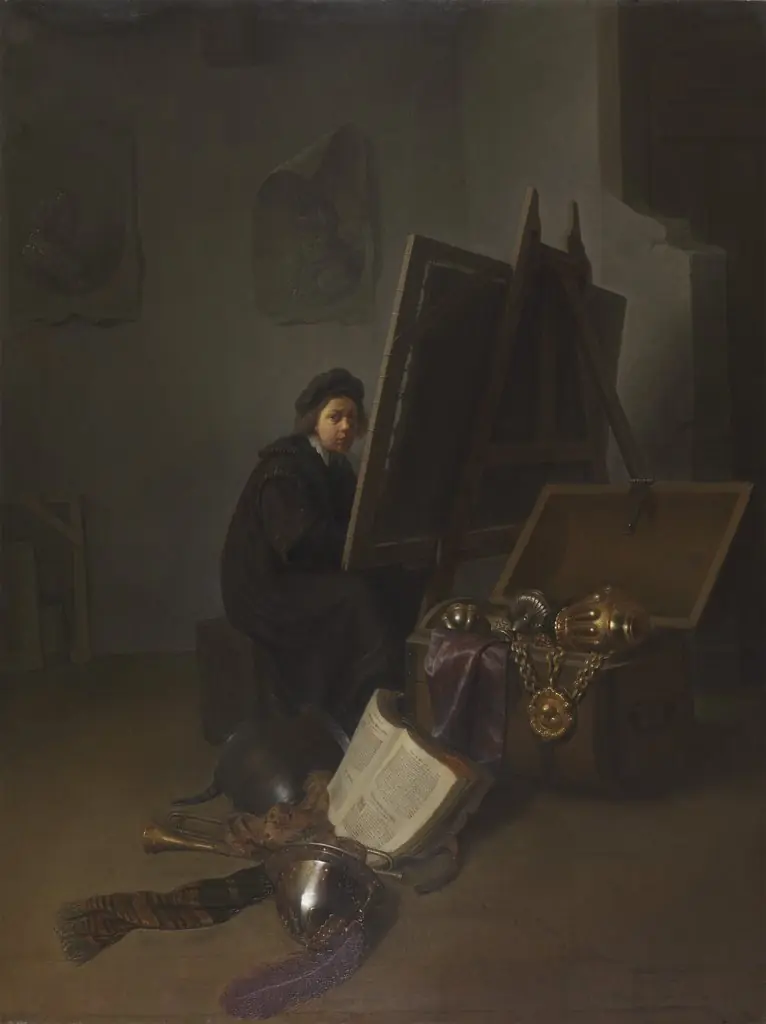 An Artist in his Studio (Self-portrait?)
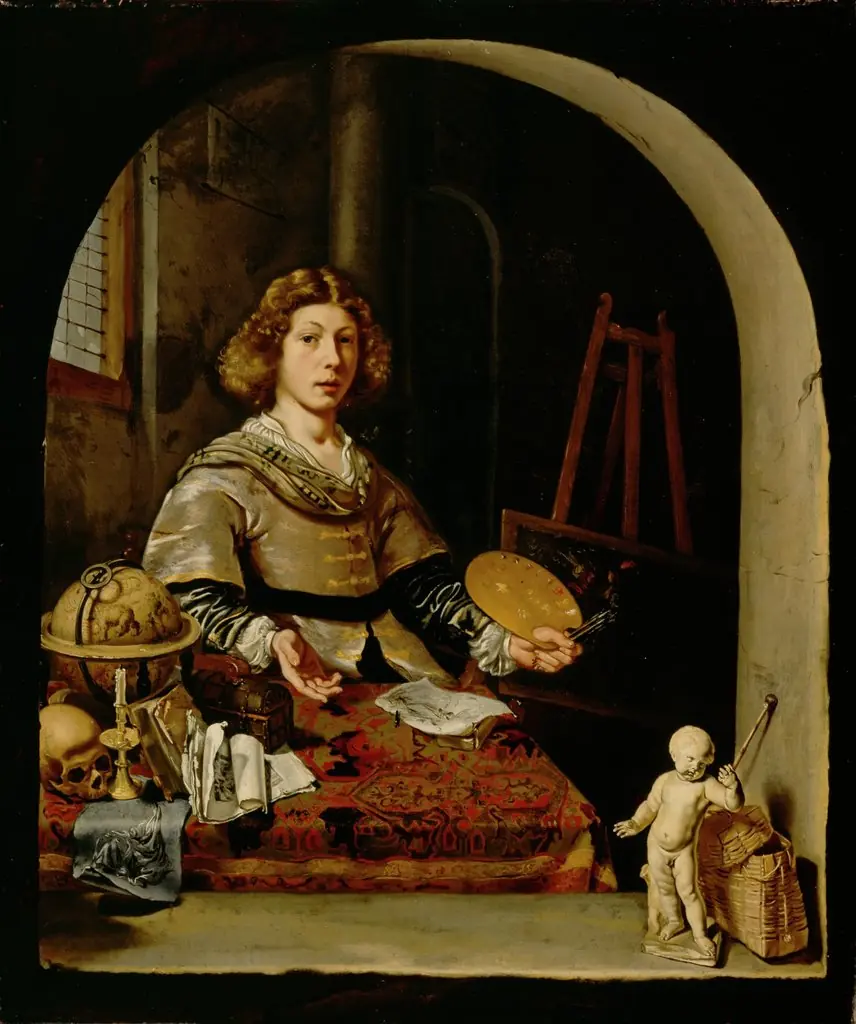 The Artist in His Studio
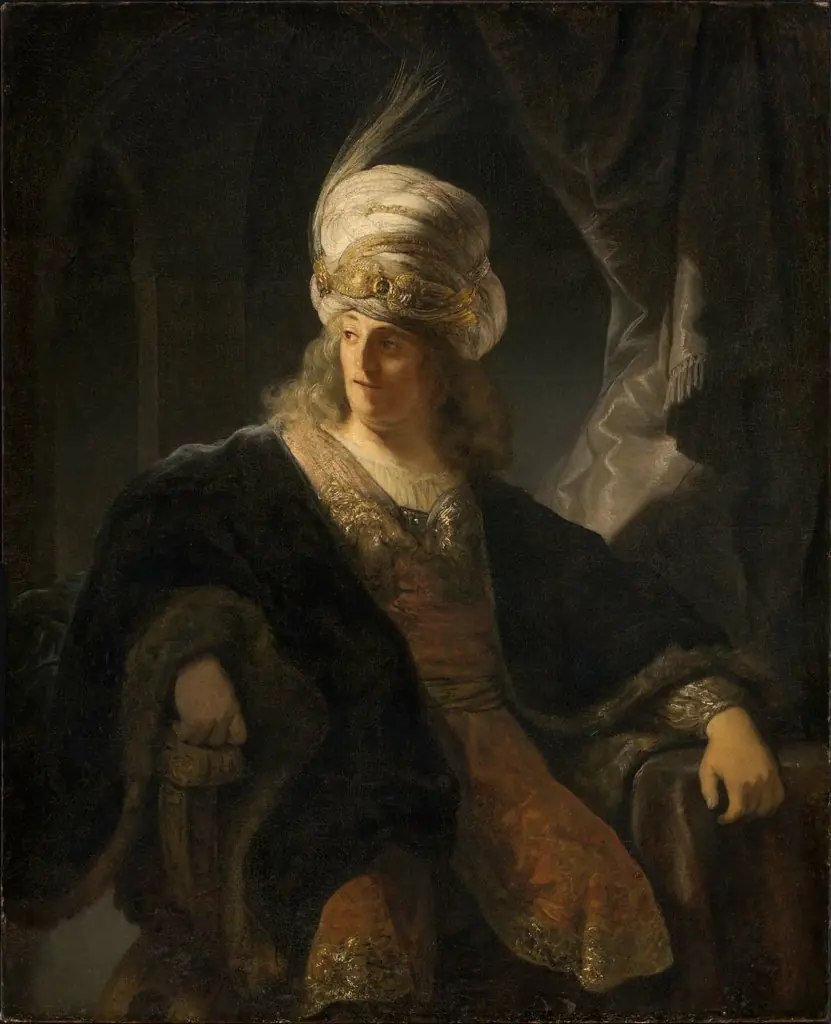 Young Man in Oriental Costume
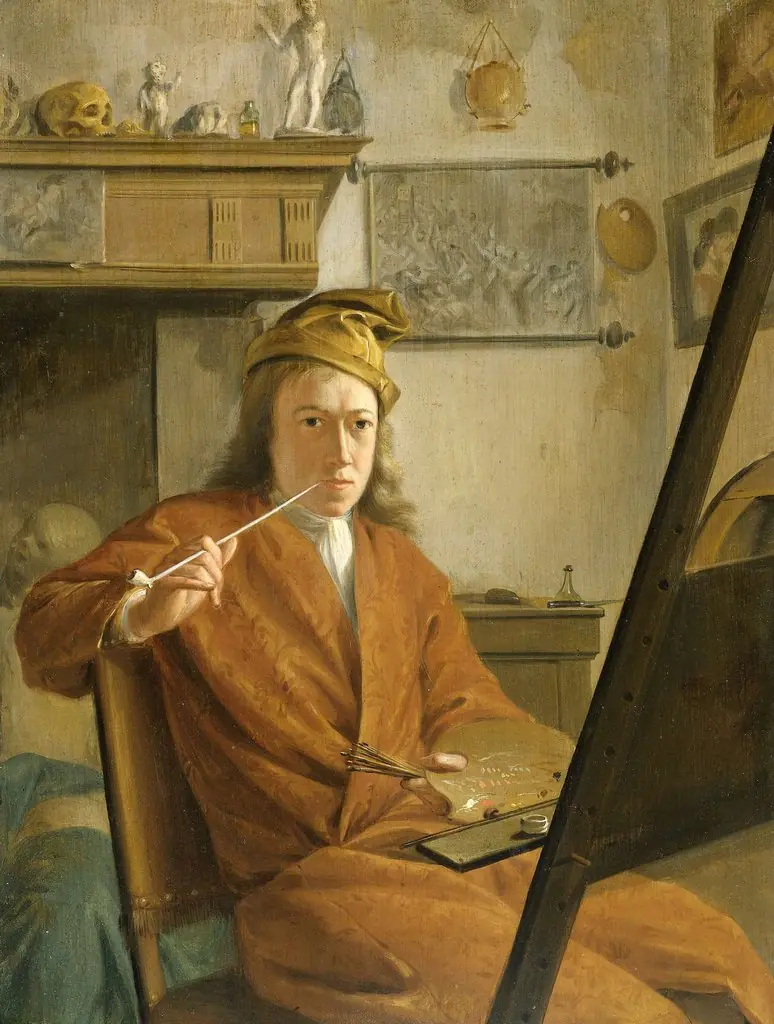 Portrait of a Painter, perhaps the Artist Himself
 David with the Head of Goliath
 Man in Oriental Dress
 Portret van Ferdinand Bol
 Self-portrait with the Portrait of his Wife, Margaretha van Rees, and their Daughter Maria
 An antique artist