Artwork
Bamboo in Four Seasons: Autumn
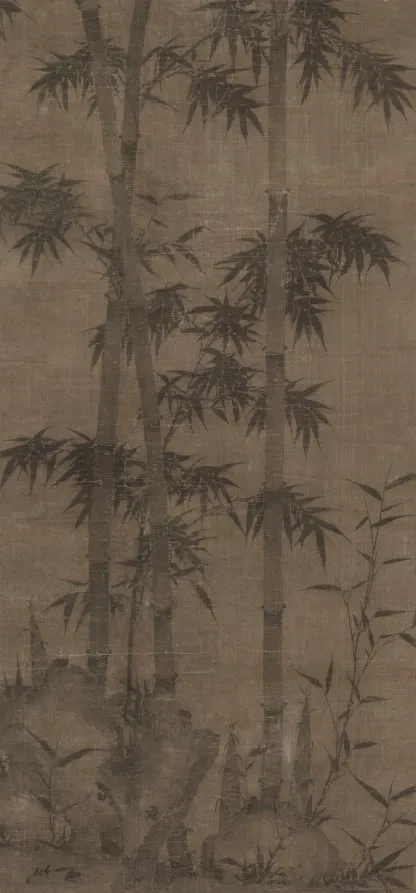
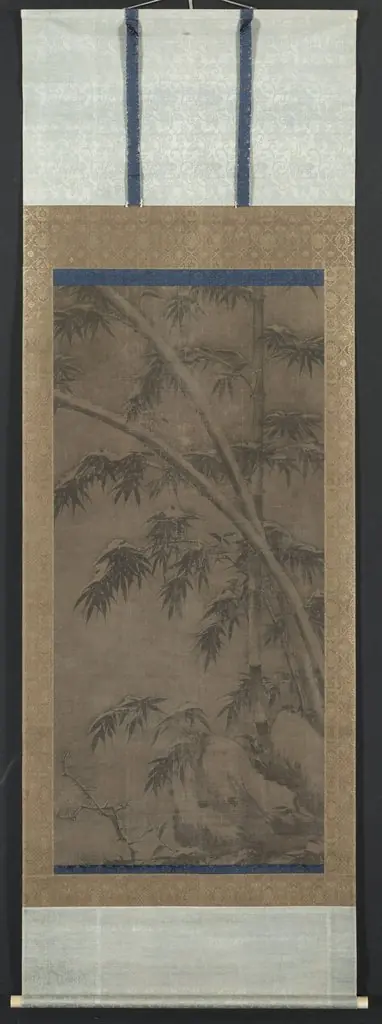
Bamboo in Four Seasons: Autumn is an unspecified painting by the Song dynasty landscape artist Unknown. It dates from 1324 and is held in the collection of the Cleveland Museum of Art. This painting is one of four scrolls depicting bamboo across the seasons, with this panel capturing autumn.
About this work
It was made during the Yuan dynasty, when Chinese artists often painted bamboo to show resilience and flexibility.
You see a tall bamboo stalk bending in the wind, leaves swirling like green snowflakes against a pale background.
This painting is one of four scrolls showing bamboo through the seasons. The artist used dry brushstrokes—almost like calligraphy—to make the leaves look light and fluttery. It was made during the Yuan dynasty, when Chinese artists often painted bamboo to show resilience and flexibility.
To see more of this quiet, poetic style, look up *china, yuan dynasty (1271-1368)*.
Overview
This painting is one of four scrolls depicting bamboo across the seasons, with this panel capturing autumn. A single tall stalk leans under the weight of wind, its leaves rendered in rapid, dry brushwork that suggests motion and fragility. The pale background isolates the form, emphasizing its quiet presence against the season’s decline.
Subject & Meaning
Bamboo, a recurring motif in Chinese art, symbolizes resilience and adaptability. In autumn, when other plants wither, its enduring form reflects moral steadfastness. The bending stalk does not break, embodying the Confucian ideal of yielding without surrendering, a virtue valued by scholar-officials of the Yuan era.
Technique & Style
The artist employed dry brush techniques reminiscent of calligraphy, using minimal ink and controlled pressure to create textured, fluttering leaves. The strokes are swift yet deliberate, capturing the ephemeral quality of wind-tossed foliage. The absence of color and minimal detail aligns with literati ideals favoring expressive simplicity over decorative richness.
History & Provenance
Created during the Yuan dynasty (1271–1368), the work emerged from a cultural context where Han Chinese scholars turned to ink painting as a form of quiet resistance under Mongol rule. Bamboo themes were favored by literati artists seeking to express inner virtue through nature, often as private meditations rather than public commissions.
Context
The Yuan dynasty saw a flourishing of ink-wash painting among scholar-artists who withdrew from official life. Bamboo, along with plum blossoms and orchids, became part of the ‘Four Gentlemen’—plants symbolizing moral integrity. These scrolls were typically viewed in intimate settings, rolled and unrolled slowly, inviting contemplation rather than immediate display.
Legacy
This scroll exemplifies the literati tradition that influenced later East Asian painting. Its emphasis on brush economy and symbolic nature shaped generations of artists in China, Korea, and Japan. The quiet dignity of the bamboo in adversity became a lasting visual language for expressing resilience in the face of political and personal upheaval.
Artist & collection

 Domestic Scene
 Giacomo and Cardinal Marco, investing Andrea, Abbot of San Zeno, with his Benefice
 The Nymph of Fontainebleau
 Portrait of a Woman
 Madonna and Child with Saints in the Enclosed Garden
 Venus and Minerva
 Family Group of Four on Sofa
 Wall painting from Room H of the Villa of P. Fannius Synistor at Boscoreale
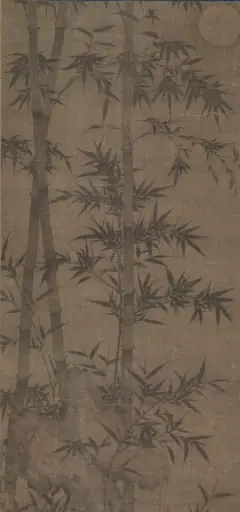 Bamboo in Four Seasons: Spring
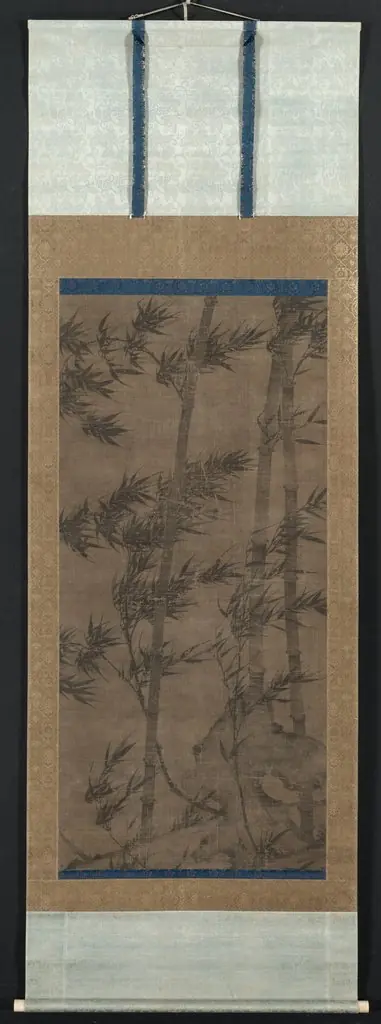 Bamboo in Four Seasons: Summer and Winter
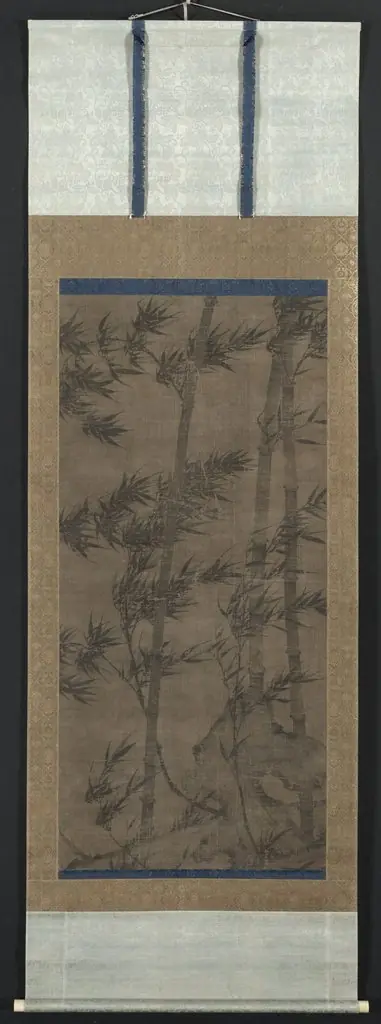 Bamboo in Four Seasons: Summer
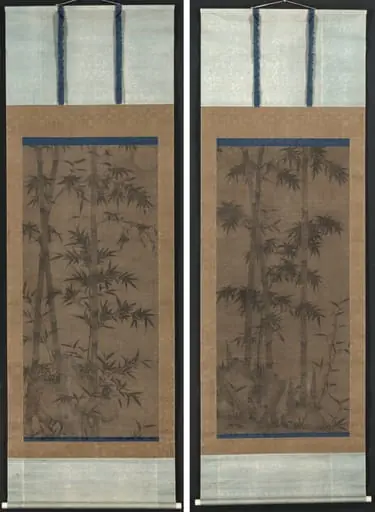 Bamboo in Four Seasons: Spring and Autumn
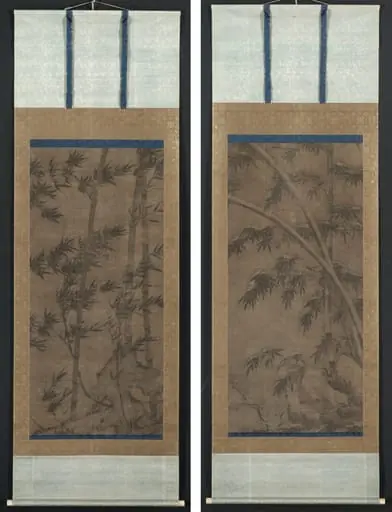 Bamboo in Four Seasons: Summer and Winter
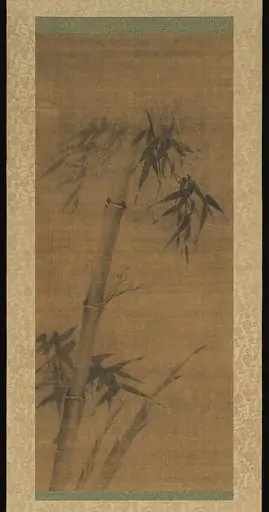 伝可翁筆 竹図|Bamboo
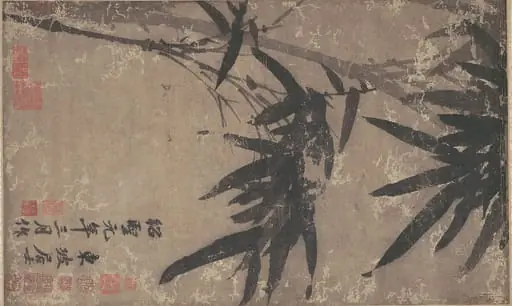 傳南宋 蘇軾 墨竹圖 卷|Bamboo
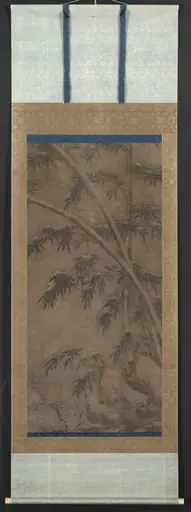 Bamboo in Four Seasons: Winter
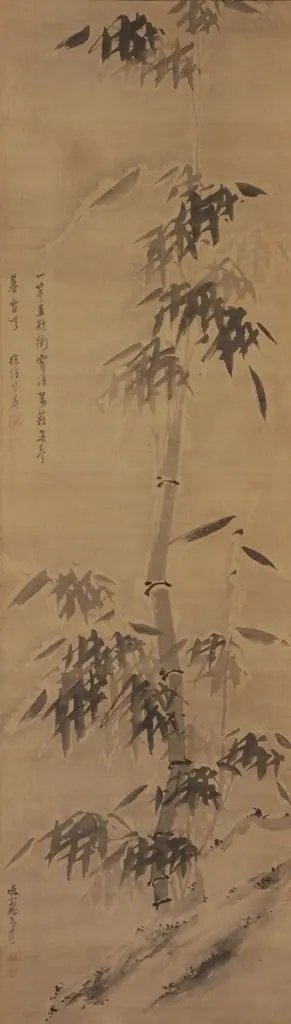 Bamboo in Snow
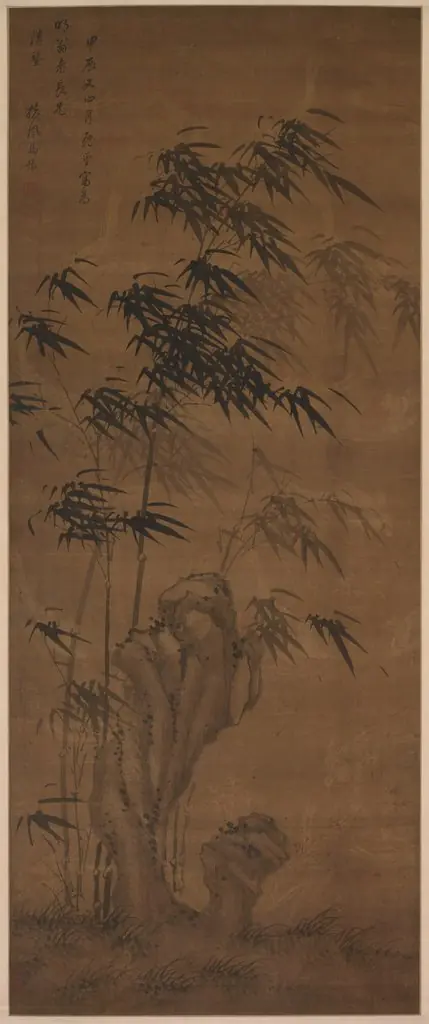 Bamboo in the Wind
 Bamboo in the Wind
 Bamboo in Four Seasons: Winter