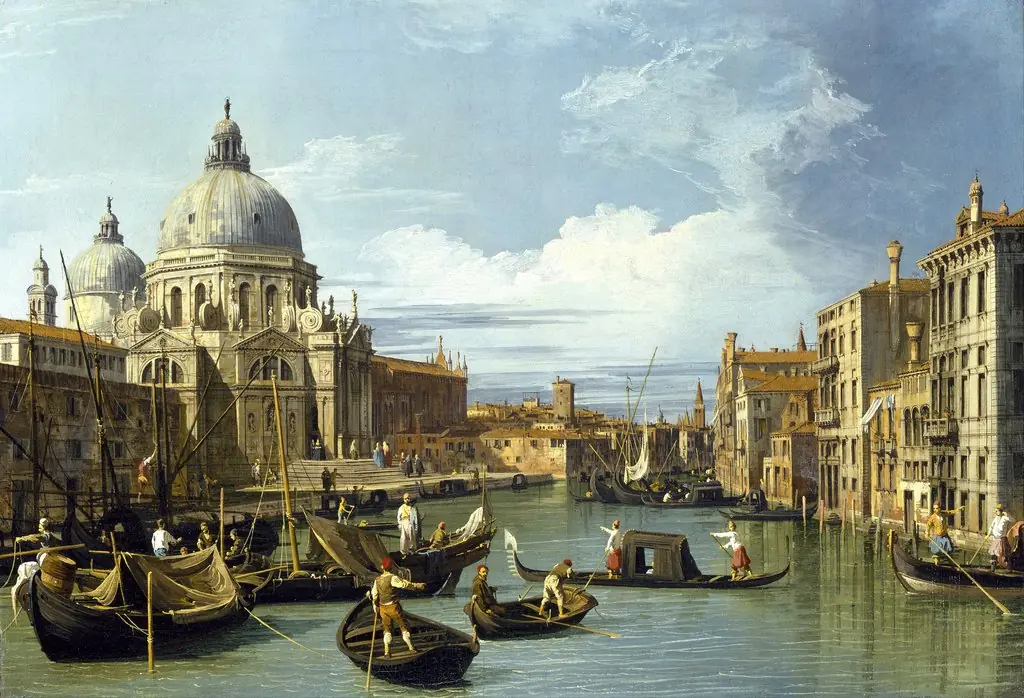
Artwork
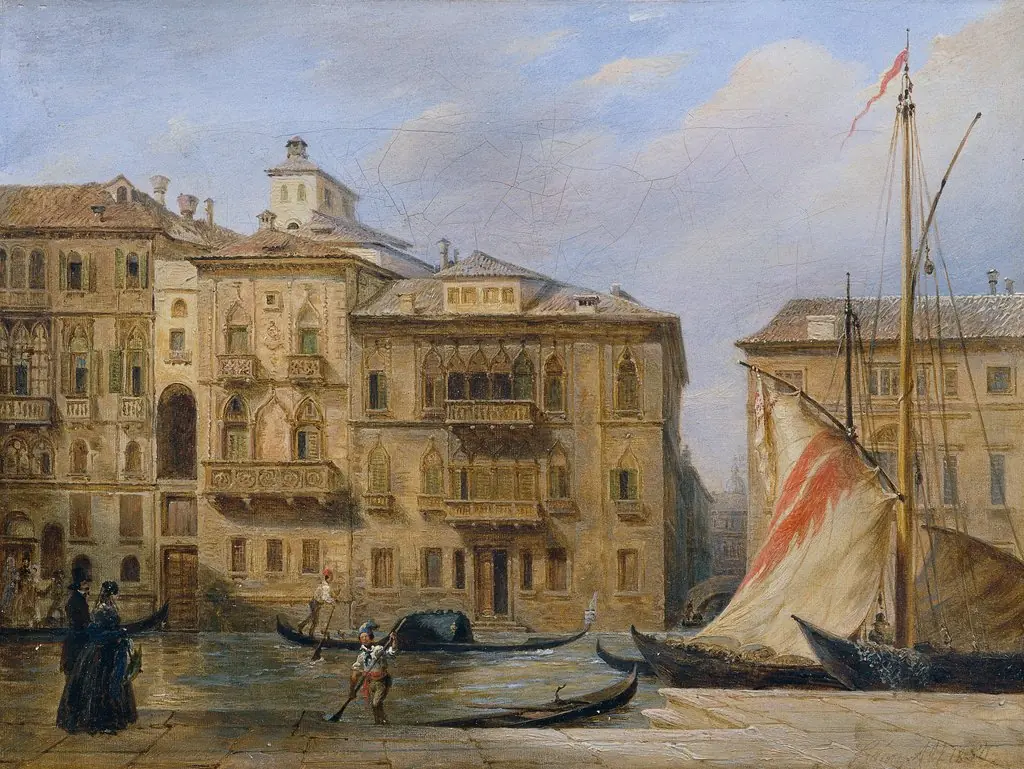
Canale Grande in Venice
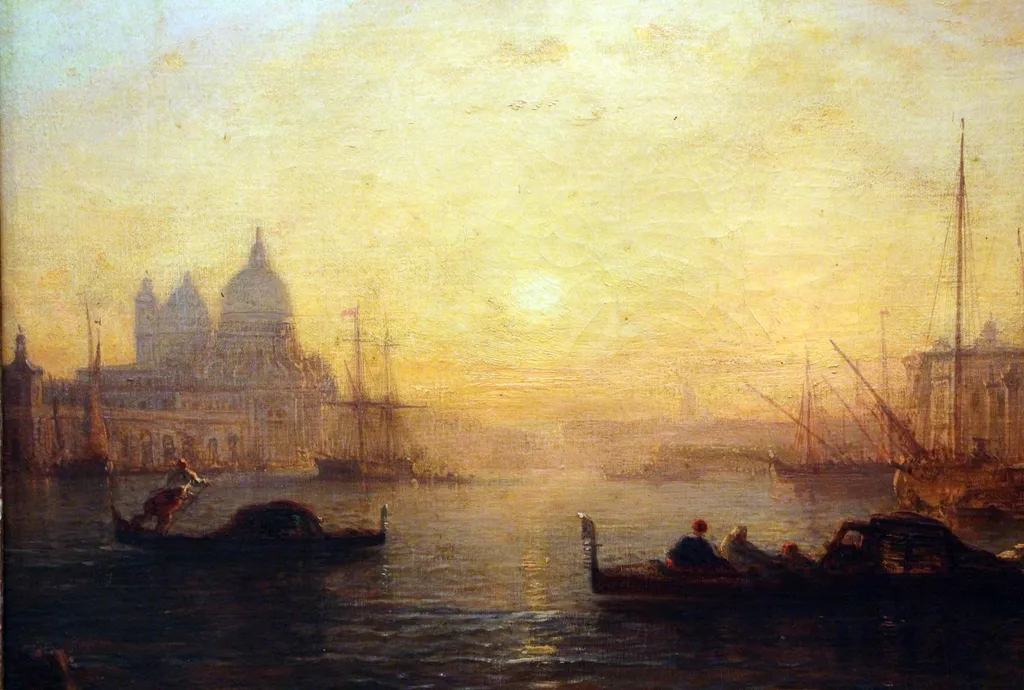
Canale Grande in Venice is an unspecified painting by Unknown. It dates from 1850 and is held in the collection of the São Paulo Museum of Art.
About this work
Overview
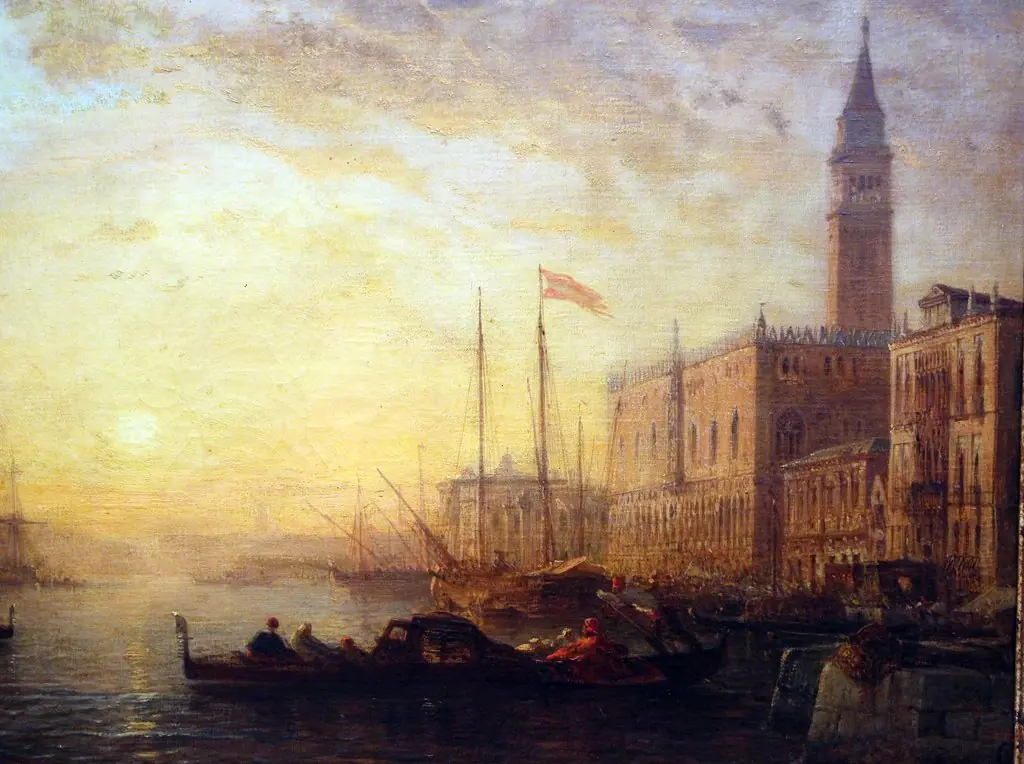
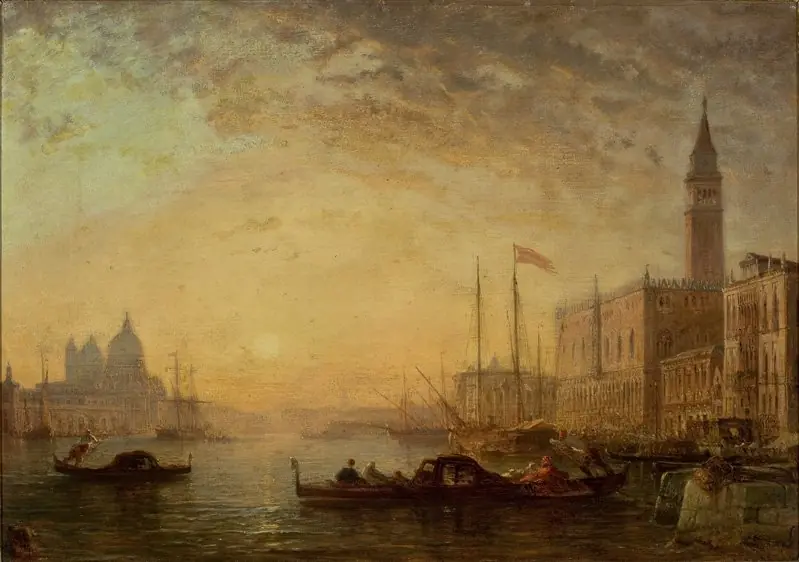
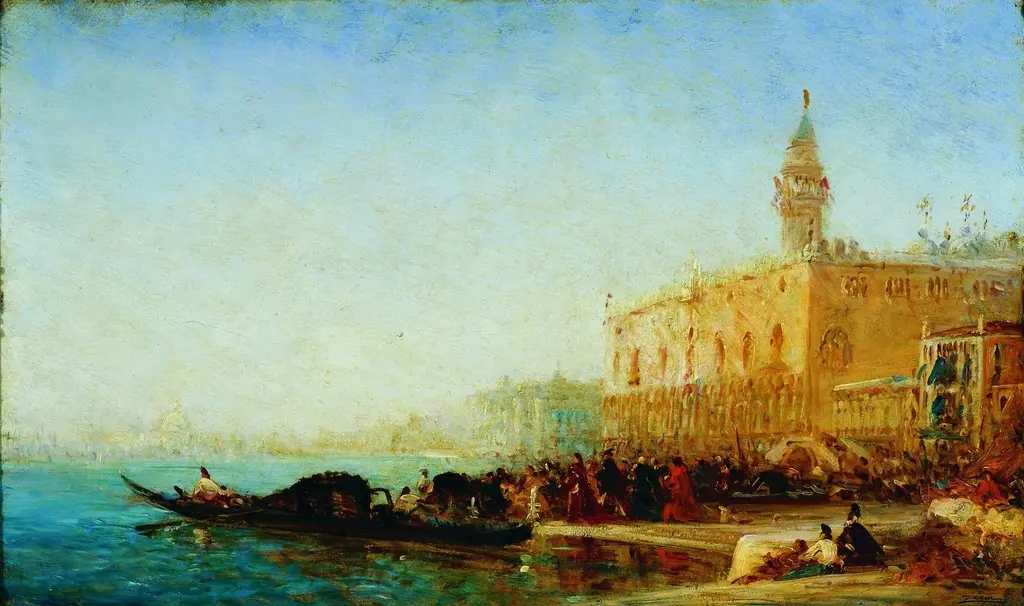
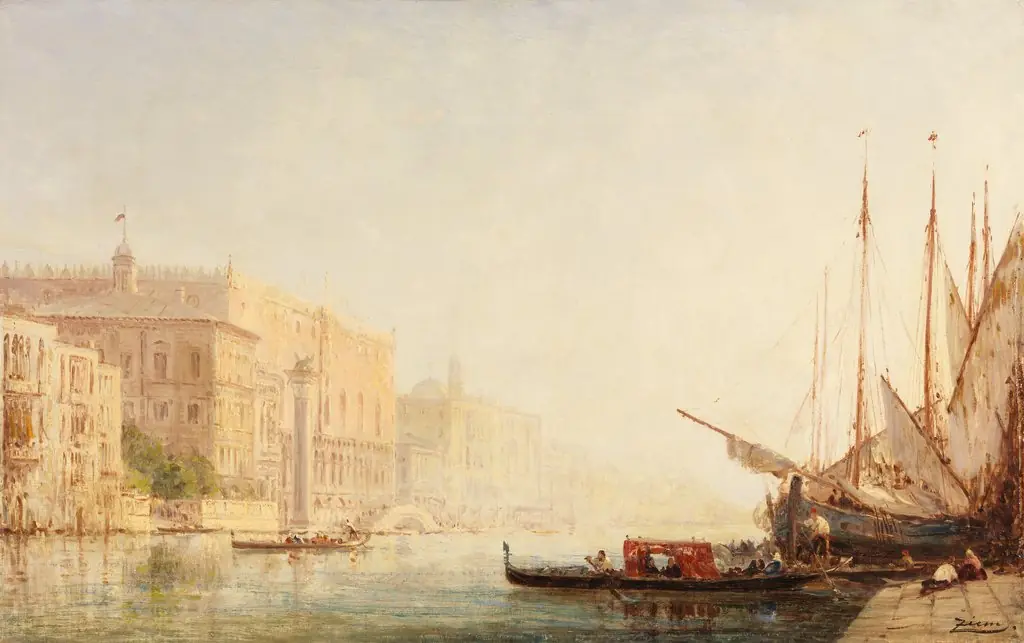
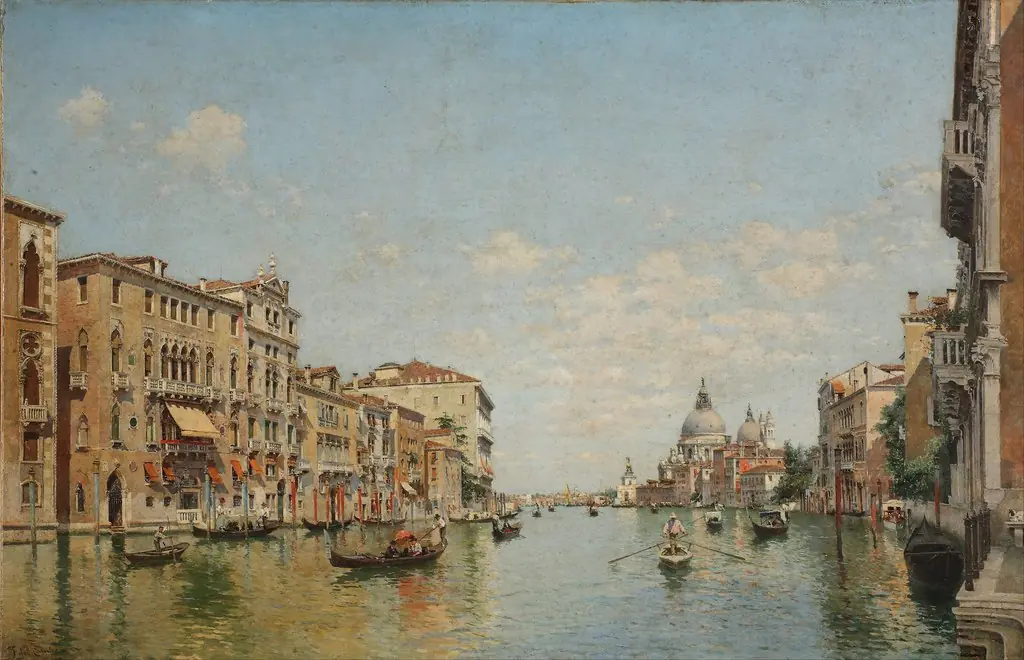
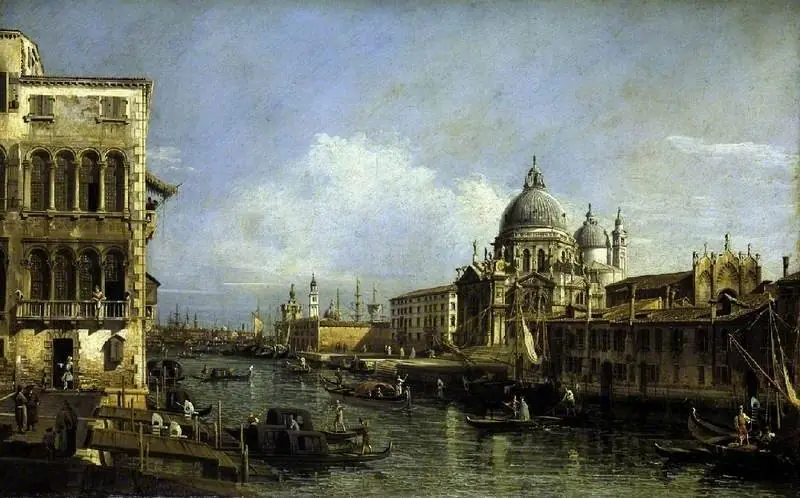
This painting presents a quiet view of the Canale Grande in Venice, rendered with subtle tonal harmonies. The composition centers on the water’s reflective surface, where light suggests gentle motion, while the city’s architectural forms rise along the banks in soft focus. The muted blue and gray palette avoids dramatic contrast, reinforcing a mood of stillness and contemplation.
Subject & Meaning
The scene captures everyday Venice—not a spectacle, but a lived-in canal. Gondolas and small boats drift without urgency, suggesting routine rather than tourism. The buildings, though grand, are not idealized; their presence is quiet, integrated into the rhythm of water and sky. The painting conveys a sense of time suspended, offering a private moment within a public space.
Technique & Style
The artist employs thin, layered washes to mimic the transparency of water and atmosphere. Brushwork is restrained, with soft edges blending architecture into the haze. Light is suggested through delicate variations in tone rather than bold highlights, emphasizing atmospheric perspective. The lack of sharp detail invites the viewer to perceive the scene as an impression of light and space.
History & Provenance
The work entered the São Paulo Museum of Art’s collection in the mid-20th century, likely acquired through European dealers or collectors with ties to 19th-century Venetian art. Its origins trace to a period when foreign artists and travelers documented Venice’s fading grandeur, often favoring quiet, unpopulated views over bustling scenes.
Context
Created during a time when Venice was transitioning from a commercial hub to a site of cultural memory, the painting reflects a broader European interest in the city’s melancholic beauty. Artists of the period often avoided political or social themes, instead focusing on light, architecture, and solitude as expressions of a changing world.
Legacy
This painting contributes to a tradition of Venetian vedute that prioritized mood over topographical precision. Its restrained aesthetic influenced later landscape painters seeking to evoke atmosphere through tonal subtlety rather than detail. It remains a quiet example of how place can be rendered not as a landmark, but as a feeling.
Artist & collection

 Domestic Scene
 Giacomo and Cardinal Marco, investing Andrea, Abbot of San Zeno, with his Benefice
 The Nymph of Fontainebleau
 Portrait of a Woman
 Madonna and Child with Saints in the Enclosed Garden
 Venus and Minerva
 Family Group of Four on Sofa
 Wall painting from Room H of the Villa of P. Fannius Synistor at Boscoreale