Artwork
canceu
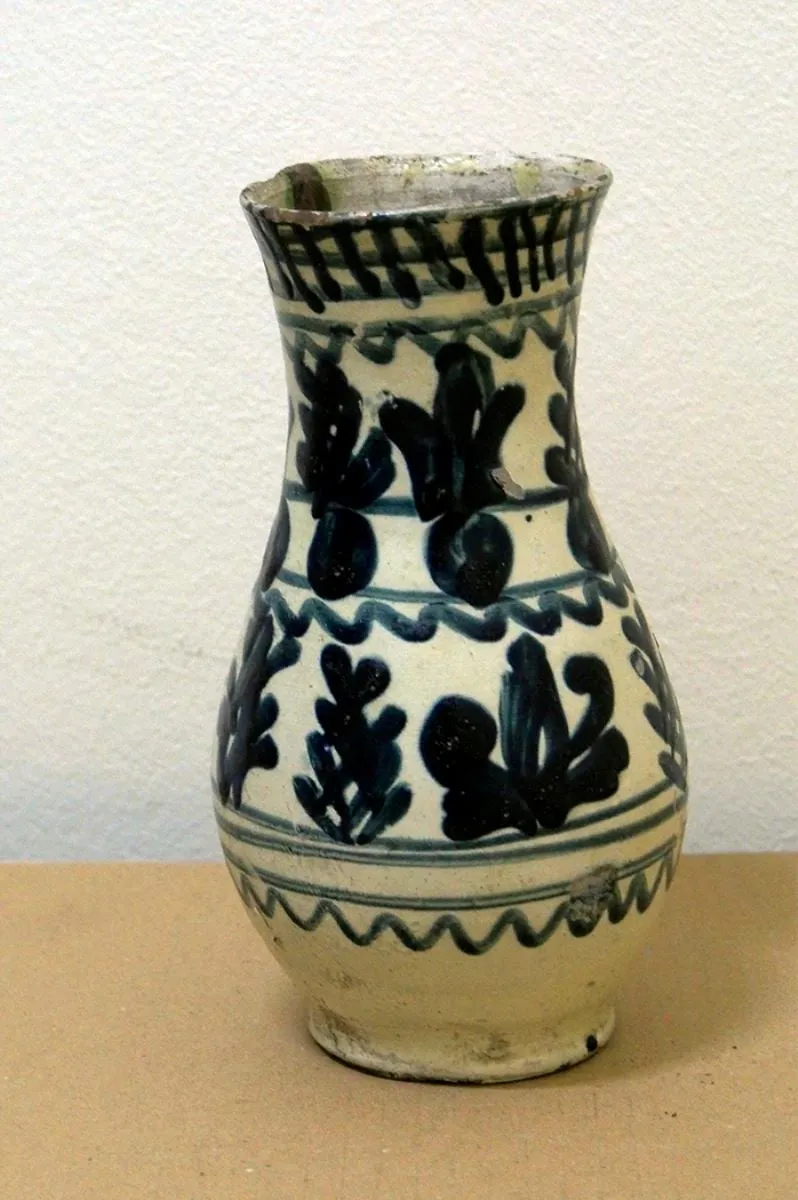
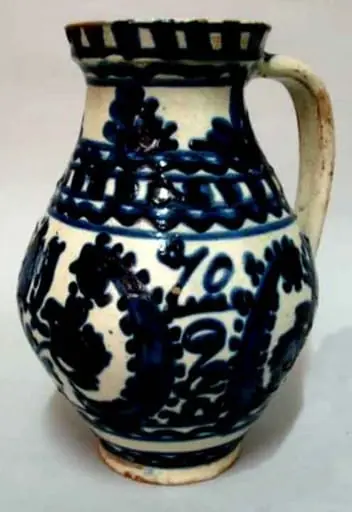
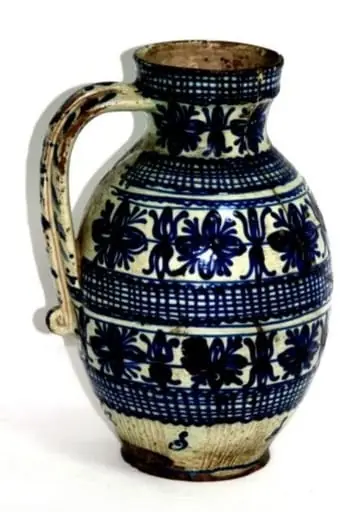
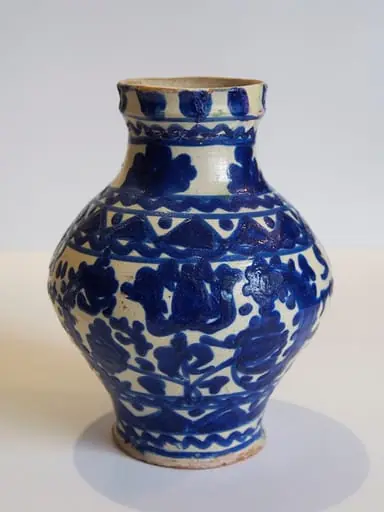
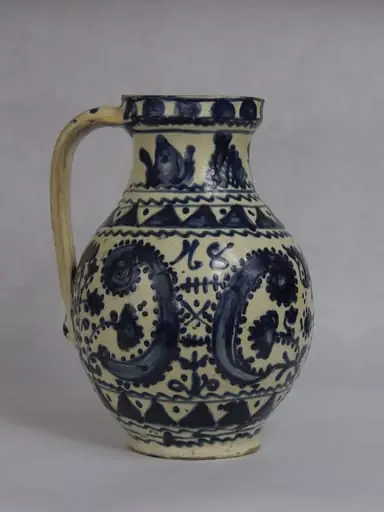
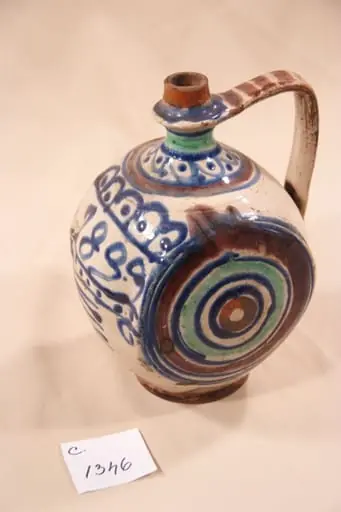
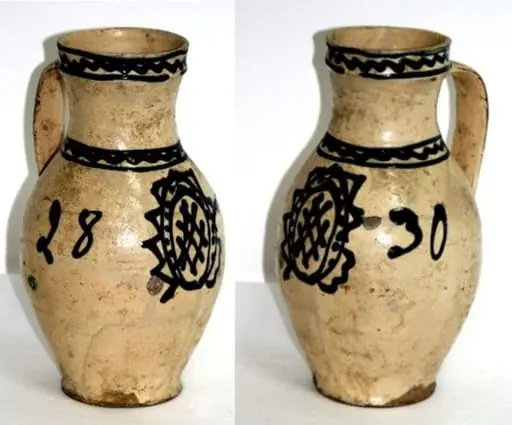
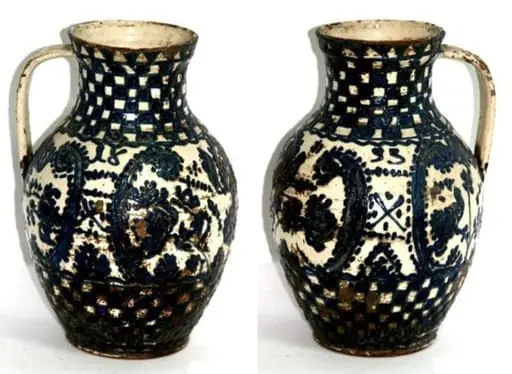
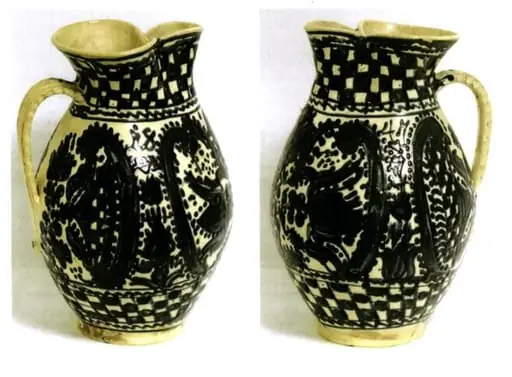
canceu is a photography by Unknown. It dates from 1850 and is held in the collection of the Bucharest Municipality Museum. This ceramic vessel features a narrow neck and broad base, typical of utilitarian pottery from a prehistoric Mediterranean culture.
About this work
Overview
This ceramic vessel features a narrow neck and broad base, typical of utilitarian pottery from a prehistoric Mediterranean culture.
This ceramic vessel features a narrow neck and broad base, typical of utilitarian pottery from a prehistoric Mediterranean culture. Its surface is decorated with hand-painted motifs in dark pigments against a light clay ground. The paint shows signs of age, with areas of wear and uneven application, suggesting daily use and handmade production. The overall form and decoration align with early ceramic traditions that prioritized function alongside symbolic ornamentation.
Subject & Meaning
The decoration includes abstract swirls, leaf-like forms, and undulating lines, which may reference natural elements such as water, vegetation, or motion. These patterns lack clear figuration, indicating a symbolic or ritual function rather than narrative storytelling. The repetition of organic shapes suggests an attempt to connect the vessel’s use with broader environmental or cosmological concepts understood by its makers.
Technique & Style
The vessel was formed from coiled or hand-thrown clay and fired at low temperatures, resulting in a porous, slightly irregular surface. Pigments—primarily iron-rich black and traces of copper-based green-blue—were applied with a brush or reed tool, leaving visible, uneven strokes. The color palette is limited but intentional, emphasizing contrast and rhythm over detail. The lack of glaze points to an early stage in ceramic development.
History & Provenance
The object likely dates to the late Neolithic or early Bronze Age, originating in a region where painted pottery was common, such as the Balkans or Aegean. Its worn surface and simple form suggest it was used in domestic or communal settings. No documented excavation record accompanies it, but its style resembles artifacts from contemporaneous settlements known for similar ceramic traditions.
Context
This vessel belongs to a broader tradition of early Mediterranean ceramics where decoration served both aesthetic and cultural purposes. Similar painted patterns appear on storage jars, ritual vessels, and burial goods across neighboring regions, indicating shared visual languages among small-scale farming communities. The absence of figural imagery distinguishes it from later, more elaborate styles that emerged with urbanization.
Legacy
The design principles seen here—abstract natural motifs, limited palette, hand-applied decoration—echo in later regional pottery traditions. While not directly ancestral to high-fired or glazed ceramics, this vessel represents an early step in the development of decorative expression in clay. Its simplicity continues to inform modern interpretations of prehistoric craft and the symbolic potential of utilitarian objects.
Artist & collection
 Domestic Scene
 Giacomo and Cardinal Marco, investing Andrea, Abbot of San Zeno, with his Benefice
 The Nymph of Fontainebleau
 Portrait of a Woman
 Madonna and Child with Saints in the Enclosed Garden
 Venus and Minerva
 Family Group of Four on Sofa
 Wall painting from Room H of the Villa of P. Fannius Synistor at Boscoreale