Artwork
Casa natală a lui George Enescu de la Liveni
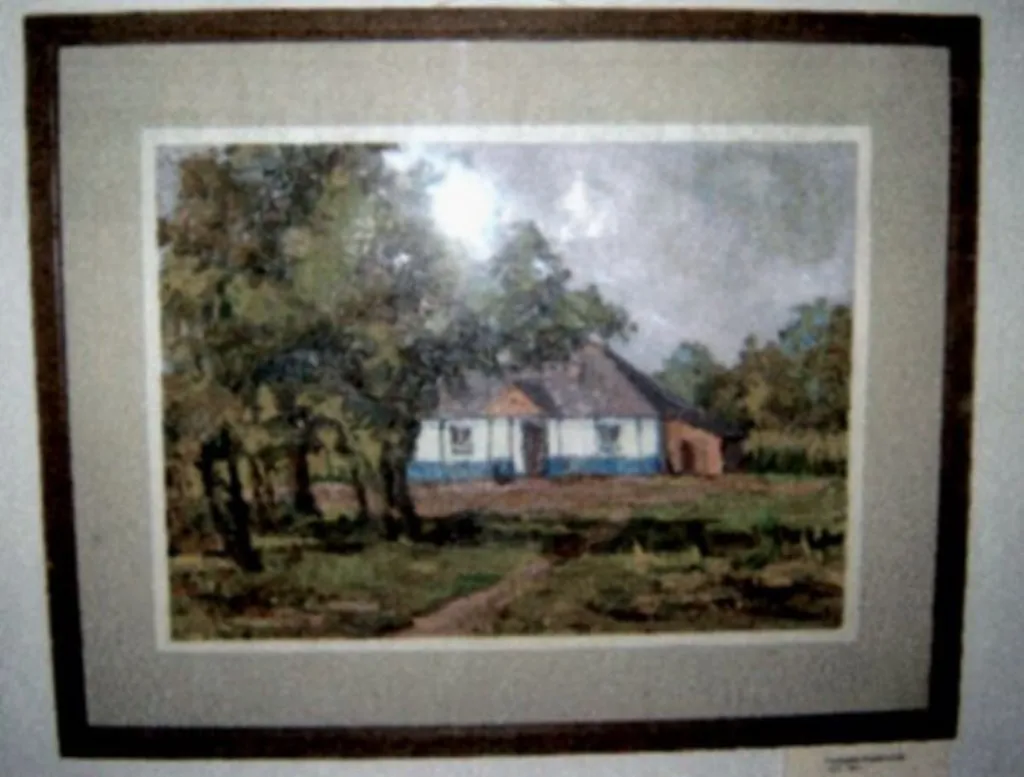
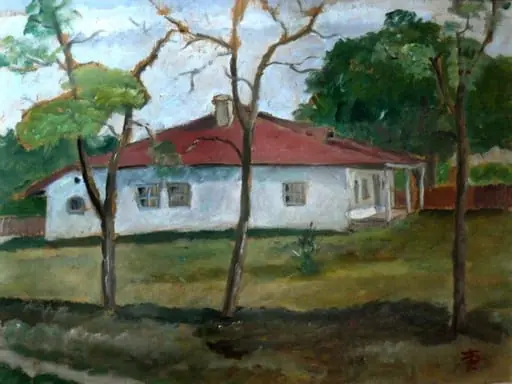
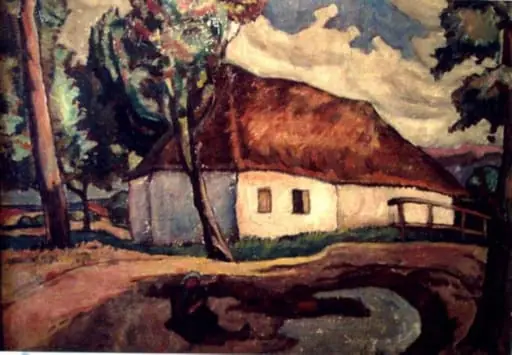
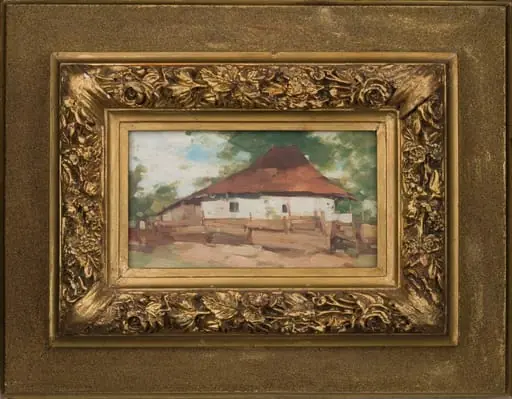
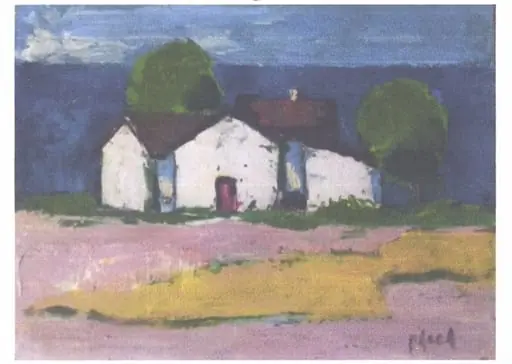
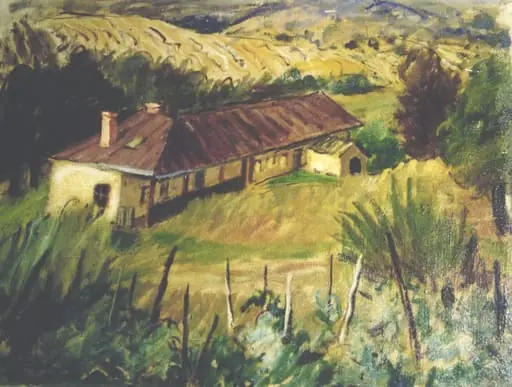
Casa natală a lui George Enescu de la Liveni is an unspecified painting by Unknown. It dates from 1850 and is held in the collection of the Botoșani County Museum - George Enescu Memorial Museum. This image portrays the birthplace of composer George Enescu, located in the village of Liveni.
About this work
Overview
The structure’s white walls and blue trim contrast gently with the surrounding foliage, while a winding dirt path invites contemplation.
This image portrays the birthplace of composer George Enescu, located in the village of Liveni. Rendered with quiet precision, the scene captures a modest rural dwelling nestled in a verdant landscape. The structure’s white walls and blue trim contrast gently with the surrounding foliage, while a winding dirt path invites contemplation. The composition emphasizes stillness and harmony, reflecting the quiet origins of a significant cultural figure.
Subject & Meaning
The house depicted is the childhood home of George Enescu, Romania’s most celebrated composer. Its inclusion in the collection of the Museum of Ethnography ties the structure to broader narratives of national identity and rural heritage. The serene setting suggests a connection between Enescu’s musical sensibility and the tranquil environment of his early years, framing the dwelling as a symbol of cultural roots rather than mere architecture.
Technique & Style
The painting employs soft, muted tones in the foreground vegetation, allowing the house’s white and blue elements to stand out with restrained clarity. Brushwork is gentle and deliberate, avoiding dramatic contrasts or expressive flourishes. The light appears diffused, enhancing the sense of calm. The composition is balanced and uncluttered, prioritizing spatial harmony over narrative detail.
History & Provenance
The artwork resides in the Museum of Ethnography, where it functions as a cultural artifact rather than a standalone aesthetic object. Its presence there indicates an effort to preserve and contextualize the physical environment tied to Enescu’s formative years. While the artist’s identity is not specified, the work likely emerged from regional efforts to document vernacular architecture and local heritage in the early 20th century.
Context
In early 20th-century Romania, there was a growing movement to record and honor rural life as a foundation of national culture. Enescu’s birthplace, like many such homes, became emblematic of this ideal. The painting reflects a broader trend of documenting modest dwellings associated with national figures, linking personal history to collective memory through visual preservation.
Legacy
Though not widely exhibited outside ethnographic circles, the image contributes to the ongoing recognition of Enescu’s origins. It serves as a quiet testament to the influence of place on artistic development. The house itself, now a memorial site, continues to draw visitors, and this representation remains a visual anchor for understanding his cultural beginnings.
Artist & collection
Museum
Botoșani County Museum - George Enescu Memorial Museum
Continue through works from the same source collection.
 Domestic Scene
 Giacomo and Cardinal Marco, investing Andrea, Abbot of San Zeno, with his Benefice
 The Nymph of Fontainebleau
 Portrait of a Woman
 Madonna and Child with Saints in the Enclosed Garden
 Venus and Minerva
 Family Group of Four on Sofa
 Wall painting from Room H of the Villa of P. Fannius Synistor at Boscoreale