Artwork
Chinese rose
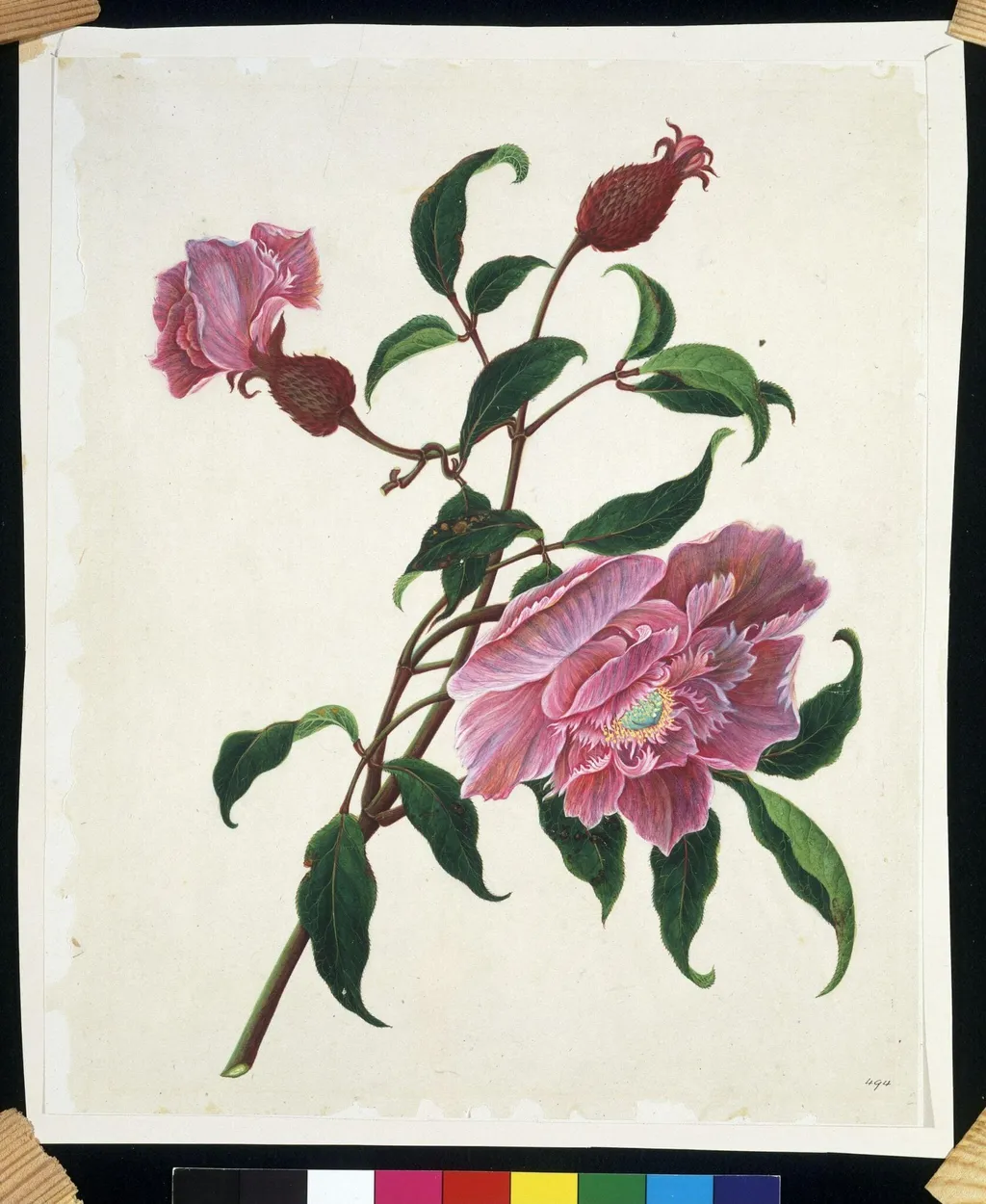
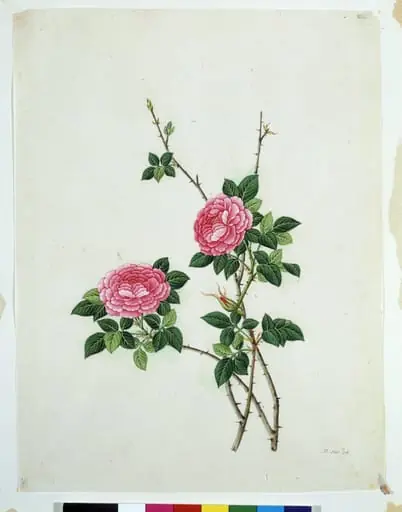
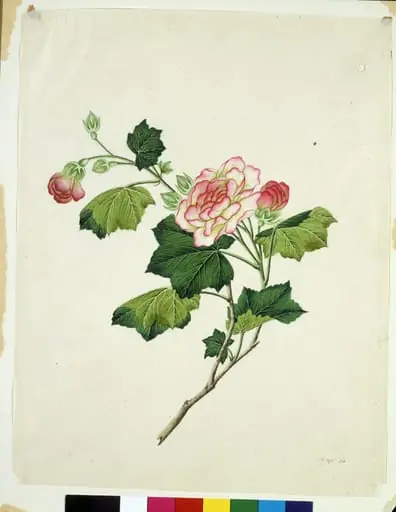
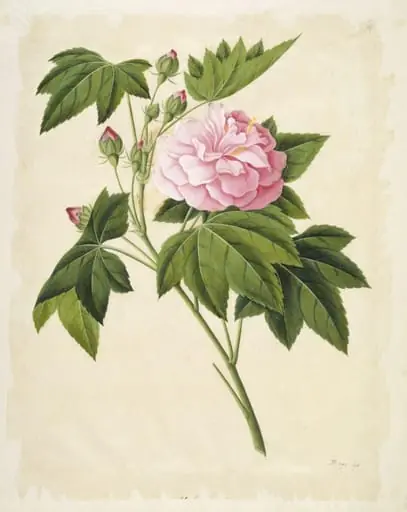
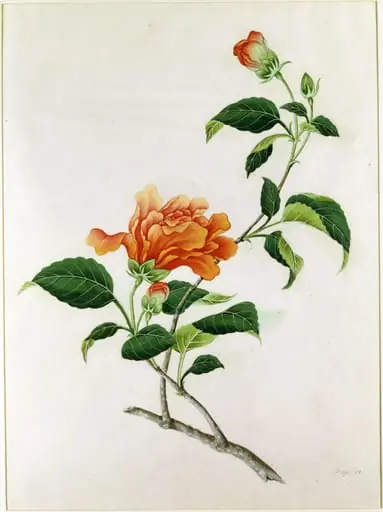
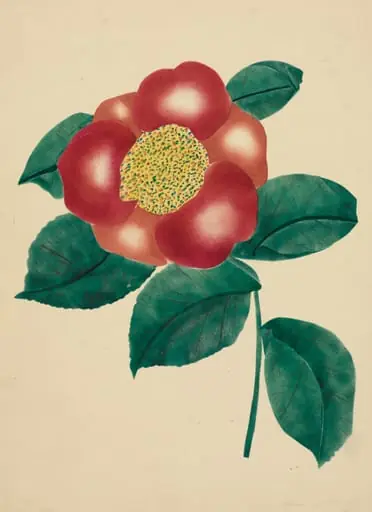
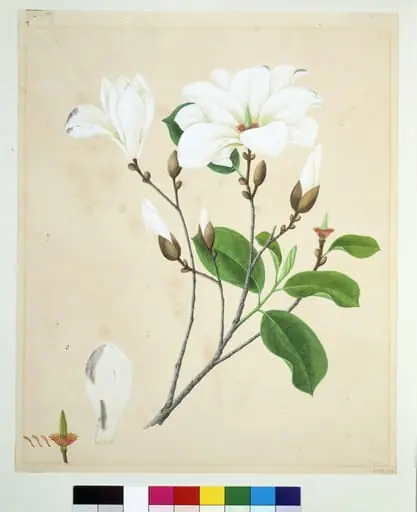
Chinese rose is a paint painting by the Romanticist artist Unknown. It dates from 1800 and is held in the collection of the Victoria and Albert Museum.
About this work
Overview
It was cultivated in domestic gardens there for centuries and later introduced to Britain through botanical exchanges in the 18th and 19th centuries.
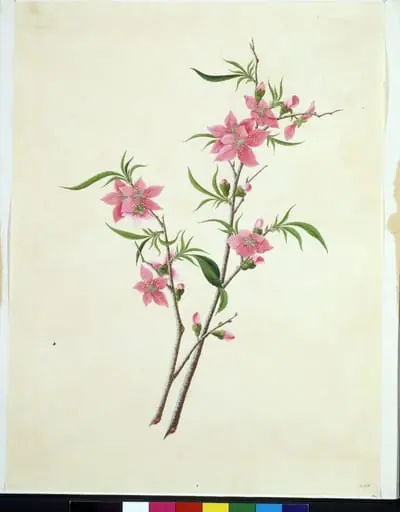
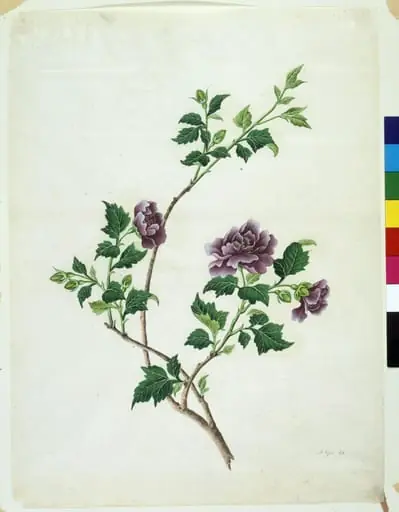
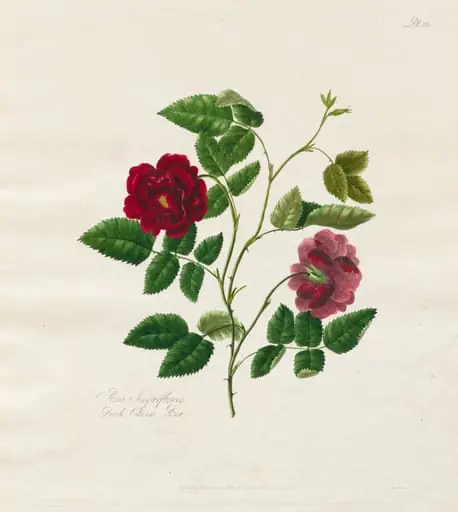
This painting depicts the Chinese rose, known in Chinese as 'yue gui,' a flowering shrub native to southern China. It was cultivated in domestic gardens there for centuries and later introduced to Britain through botanical exchanges in the 18th and 19th centuries. The work reflects a broader European fascination with exotic plant life, often conveyed through detailed visual records rather than live specimens.
Subject & Meaning
The Chinese rose was valued both for its ornamental beauty and its symbolic associations in Chinese culture, including resilience and quiet elegance. In British contexts, it became a signifier of global exploration and colonial-era botanical curiosity. The painting’s focus on a single bloom suggests an intent to document rather than idealize, aligning with scientific illustration traditions of the period.
Technique & Style
The artist employs subtle gradations of tone to render the petals’ translucency and delicate structure, drawing on techniques akin to chiaroscuro. Soft shadows define form without dramatic contrast, emphasizing naturalism over theatricality. Brushwork is precise yet restrained, prioritizing botanical accuracy over expressive flourish, consistent with the conventions of botanical art from this era.
History & Provenance
The painting likely originated in China or was created by a Chinese artist working for foreign patrons, possibly in Guangzhou, a hub of export art. It may have been commissioned by a British traveler or collector seeking a visual record of the plant. Its presence in British collections reflects the flow of botanical imagery alongside live specimens during the height of imperial trade networks.
Context
During the 18th and 19th centuries, British interest in exotic flora surged alongside colonial expansion. Botanical gardens, private collections, and illustrated publications disseminated images of non-European plants. The Chinese rose, though common in its native region, was novel in British horticulture, making it a subject of both scientific and aesthetic interest.
Legacy
The painting contributes to a visual archive of plants that shaped global horticulture. While the Chinese rose remains widely cultivated today, such works preserve early representations of its form before widespread hybridization. These images serve as historical records of cross-cultural exchange, documenting how botanical knowledge traveled through art as much as through seed and soil.
Artist & collection

 Domestic Scene
 Giacomo and Cardinal Marco, investing Andrea, Abbot of San Zeno, with his Benefice
 The Nymph of Fontainebleau
 Portrait of a Woman
 Madonna and Child with Saints in the Enclosed Garden
 Venus and Minerva
 Family Group of Four on Sofa
 Wall painting from Room H of the Villa of P. Fannius Synistor at Boscoreale