Artwork
Magnolia
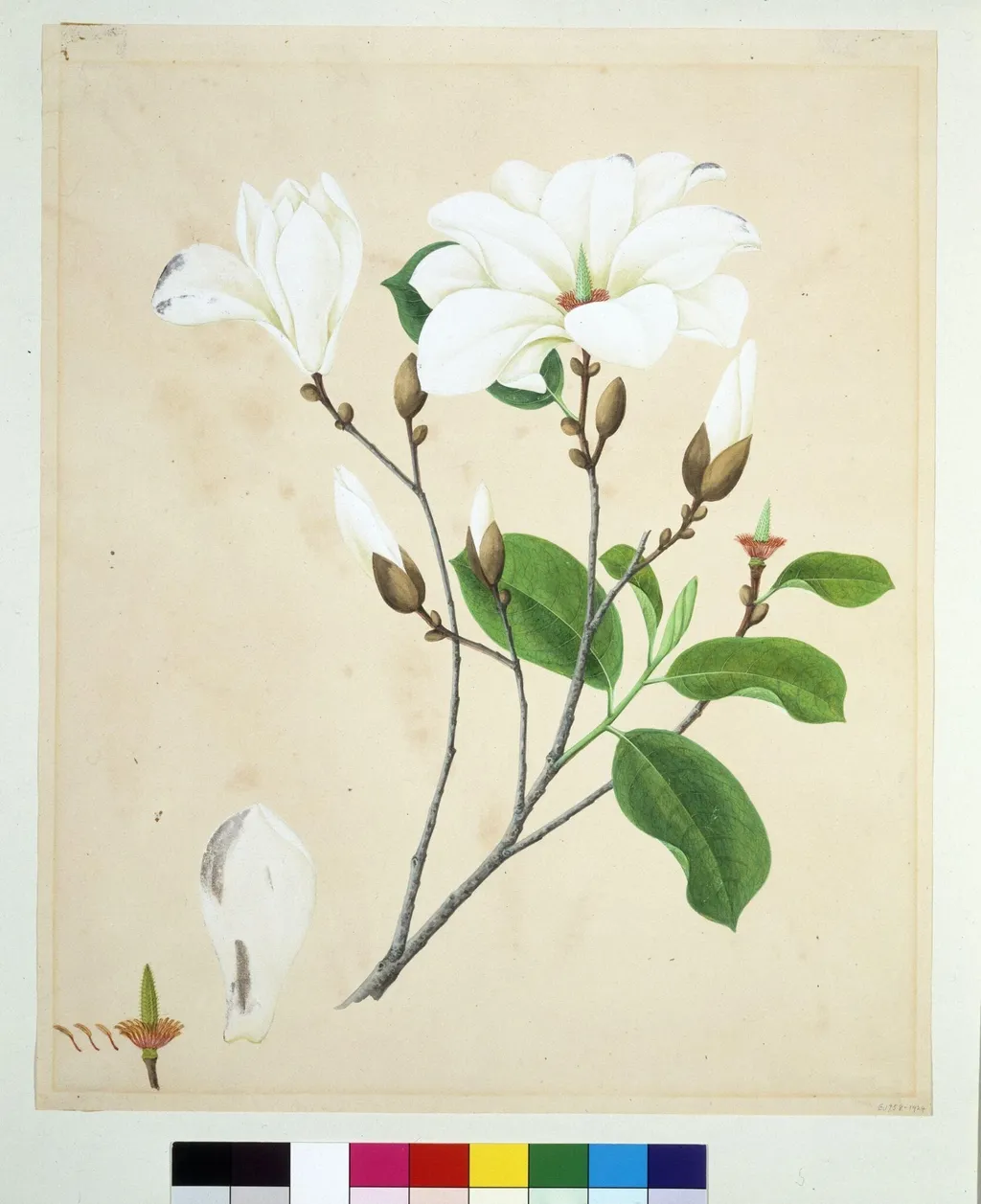
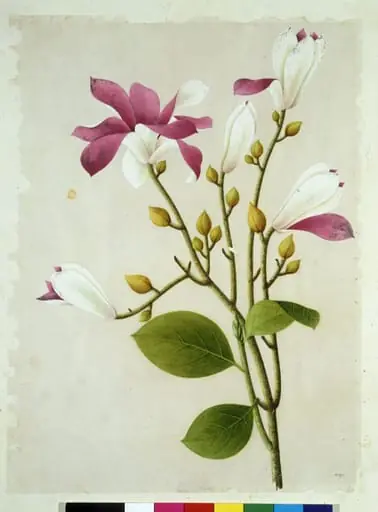
Magnolia is a paint painting by the British Romanticist artist Unknown. It dates from 1800 and is held in the collection of the Victoria and Albert Museum.
About this work
Overview
The work was produced in the early 19th century, a period when British artists and collectors showed heightened interest in exotic botanical specimens.
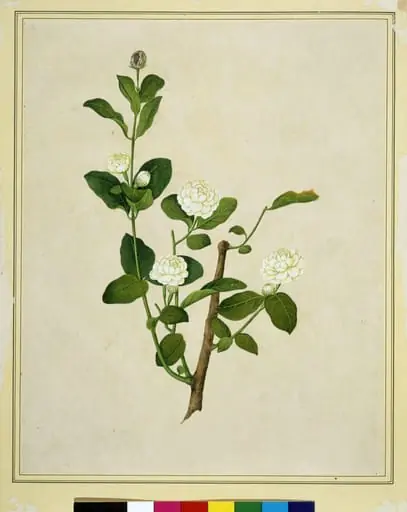
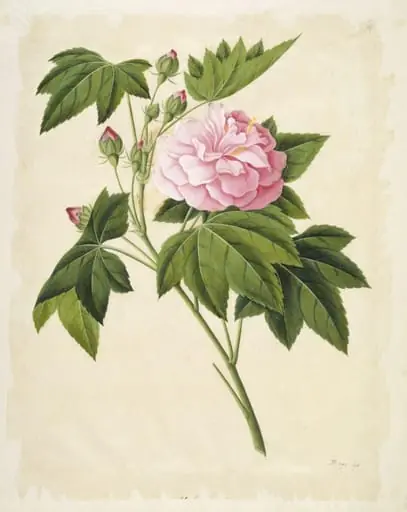
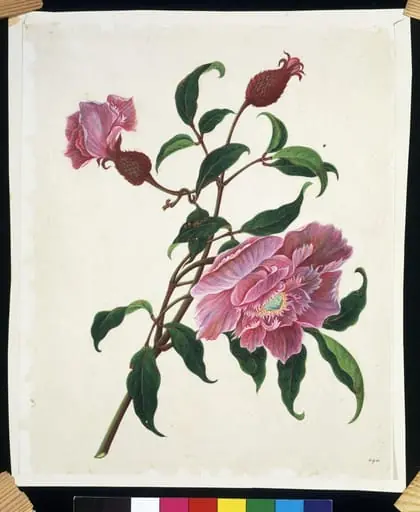
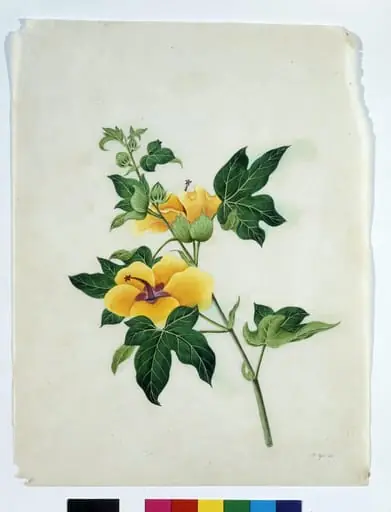
This painting depicts a single magnolia blossom rendered in delicate washes of pink and white on high-quality Western paper. The work was produced in the early 19th century, a period when British artists and collectors showed heightened interest in exotic botanical specimens. The paper, imported from China, was selected for its smooth surface, ideal for precise brushwork and subtle tonal transitions.
Subject & Meaning
The magnolia, native to Asia and the Americas, was a symbol of rarity and global exchange in early 19th-century Britain. Its solitary presentation emphasizes botanical accuracy over decorative flourish, reflecting the scientific curiosity of the era. The flower’s naturalistic rendering suggests an intent to document rather than idealize, aligning with the growing discipline of botanical illustration.
Technique & Style
The artist employed fine brushwork and translucent watercolor to capture the delicate texture of the petals and the slender curvature of the stems. The plain background isolates the subject, directing attention to its form and hue. The technique mirrors European botanical traditions but adapts to the absorbent qualities of imported Chinese paper, requiring careful control of pigment and moisture.
History & Provenance
The painting likely originated in Britain during a time when returning travelers brought back plant specimens and their visual records. Such works were often collected by amateur naturalists or displayed in private cabinets of curiosities. While its exact origin remains unrecorded, its materials and style place it within a broader network of botanical art produced for scientific and aesthetic appreciation.
Context
In the early 1800s, Britain’s imperial reach and botanical gardens fueled public fascination with foreign flora. Botanical illustration became both a scientific tool and a cultural pastime. Paintings like this one served as visual archives, preserving the appearance of plants that were difficult to transport or cultivate in British soil, bridging natural history and domestic art.
Legacy
This work exemplifies a transitional phase in botanical art, where scientific documentation met artisanal craftsmanship. Though not attributed to a major artist, it contributes to a vast archive of plant studies that informed horticultural practice and public understanding of global biodiversity. Its survival reflects the enduring value placed on accurate visual records of nature during a period of expanding natural knowledge.
Artist & collection

 Domestic Scene
 Giacomo and Cardinal Marco, investing Andrea, Abbot of San Zeno, with his Benefice
 The Nymph of Fontainebleau
 Portrait of a Woman
 Madonna and Child with Saints in the Enclosed Garden
 Venus and Minerva
 Family Group of Four on Sofa
 Wall painting from Room H of the Villa of P. Fannius Synistor at Boscoreale