Artwork
Convent of Niveron, or the Iberian
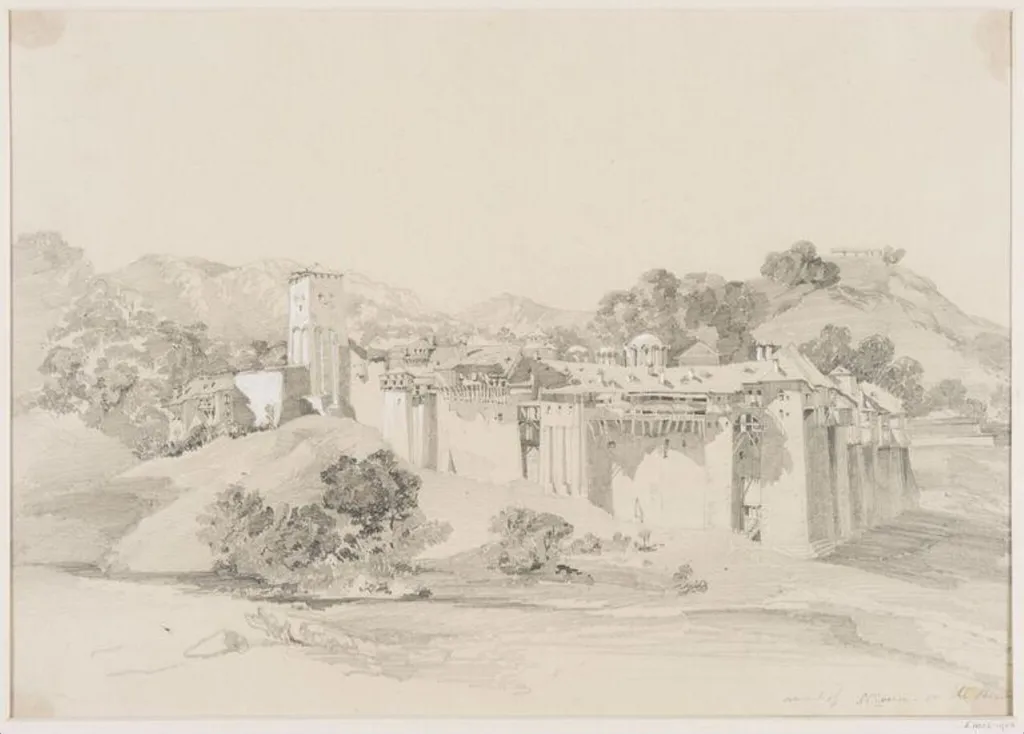
Convent of Niveron, or the Iberian is a drawing by Unknown. It dates from 1850 and is held in the collection of the Victoria and Albert Museum.
About this work
Overview
Convent of Niveron, or the Iberian Medium, is a drawing created in 1850, depicting a serene riverside scene centered around the Holy Monastery of Iviron on Mount Athos. Characterized by simplicity and calmness, the piece features a stone arched bridge, a distant tall tower, and trees along the banks, all rendered in light, even lines without heavy shading.
Subject & Meaning
The subject is the Holy Monastery of Iviron, presented in a peaceful, everyday context rather than a formally religious or dramatic one. The emphasis on natural surroundings and architectural elements suggests an interest in capturing the monastery’s integration with its environment.
Technique & Style
The drawing is executed in fine, consistent lines, achieving depth through subtle tracing-like techniques rather than shading. This approach results in a precise, undistracted visual quality, reminiscent of techniques seen in cross-hatching, though here applied with restraint for a calm effect.
History & Provenance
Attributed to a female artist who disguised herself as a midshipman to go ashore, this drawing is one of seven in the Victoria & Albert Museum’s collection from this enigmatic figure. The exact identity of the artist and the full story behind the drawings remain intriguing aspects of their history.
Context
Created in 1850, the drawing reflects 19th-century interests in topographical and architectural drawing, combined with a unique personal circumstance of its creator. It blends traditional rendering techniques with a feminine perspective, rare for the time, especially given the artist’s unconventional approach to accessing the site.
Legacy
While not widely recognized beyond its collection, the drawing contributes to the narrative of women artists overcoming obstacles in the 19th century. Its style, though not revolutionary, demonstrates technical skill and a distinct calm aesthetic, making it a nuanced part of the era’s artistic landscape.
Artist & collection

 Domestic Scene
 Giacomo and Cardinal Marco, investing Andrea, Abbot of San Zeno, with his Benefice
 The Nymph of Fontainebleau
 Portrait of a Woman
 Madonna and Child with Saints in the Enclosed Garden
 Venus and Minerva
 Family Group of Four on Sofa
 Wall painting from Room H of the Villa of P. Fannius Synistor at Boscoreale
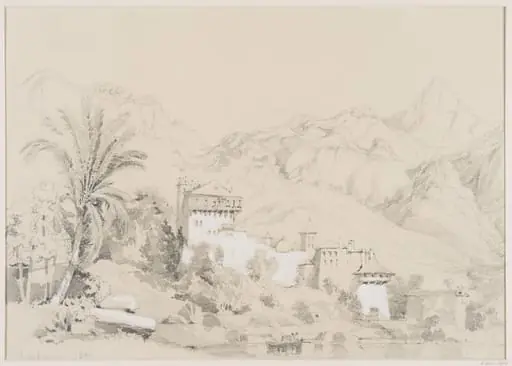 Russikon, 1843
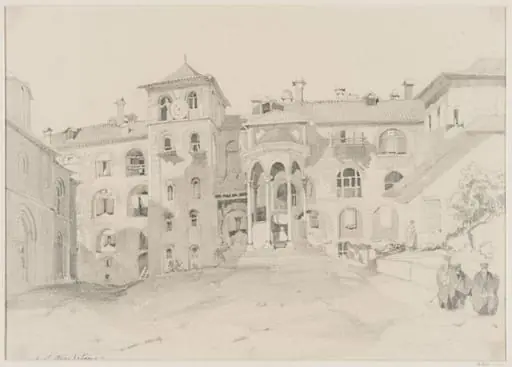 Convent of Xirapatamo
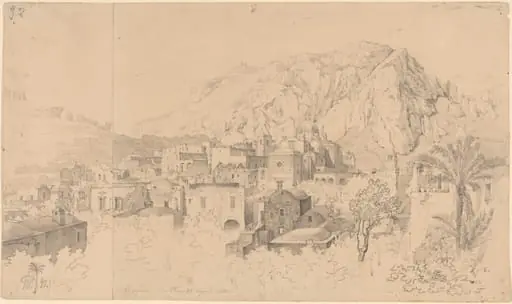 View of Capri
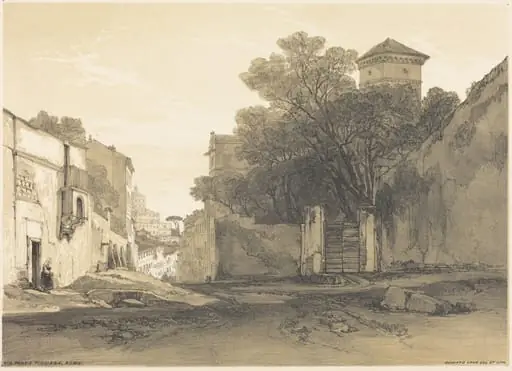 Via Porta Pinciana, Rome
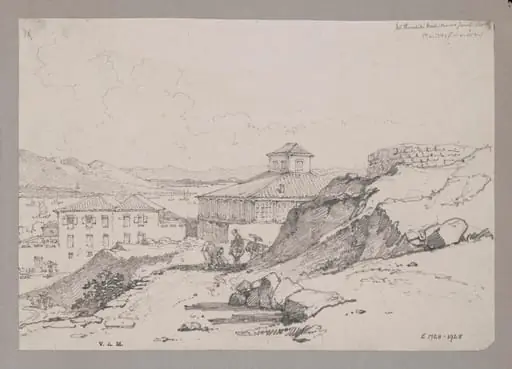 The Rev. Mr. Vatchell's house (formerly Mr. Thornhill's), Macao
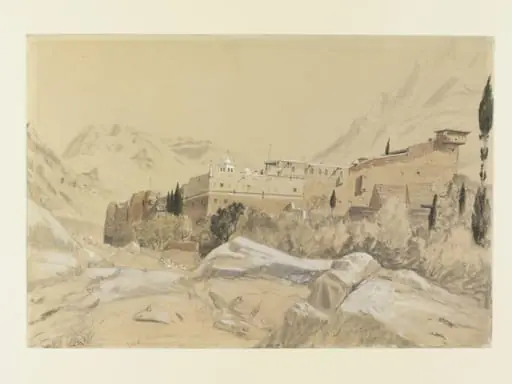 The Convent, Mount Sinai
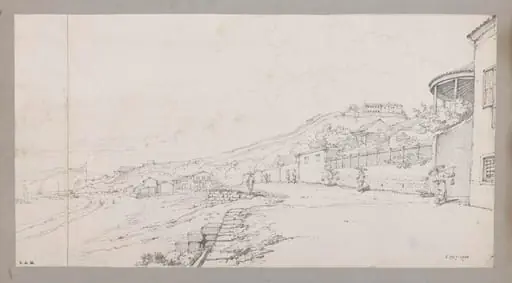 Part of Macao Bay, looking west
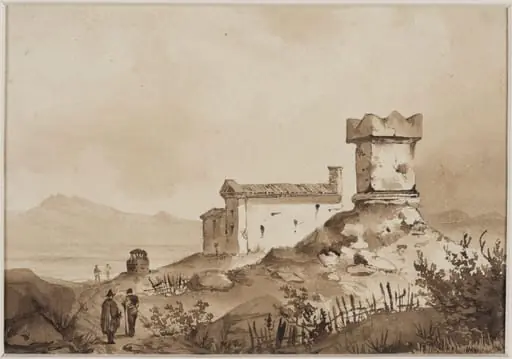 Italian landscape, with an ancient Roman sarcophagus
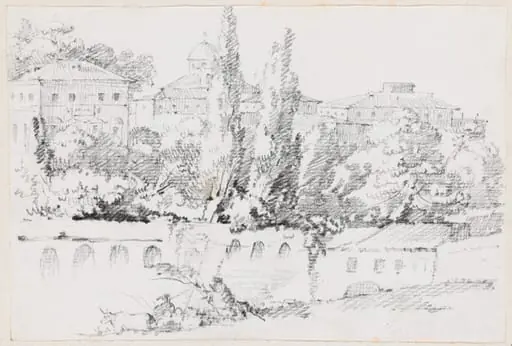 Walls of Rome with Santa Maria del Popolo in the Distance
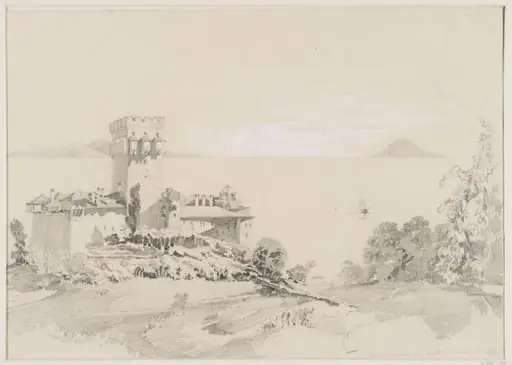 Stavronikéta, on the E. side of Athos; I<sup>s</sup> of Thasos & Samothrace in the distance