Artwork
Crowd with sleigh in front of LL & ER Smith store
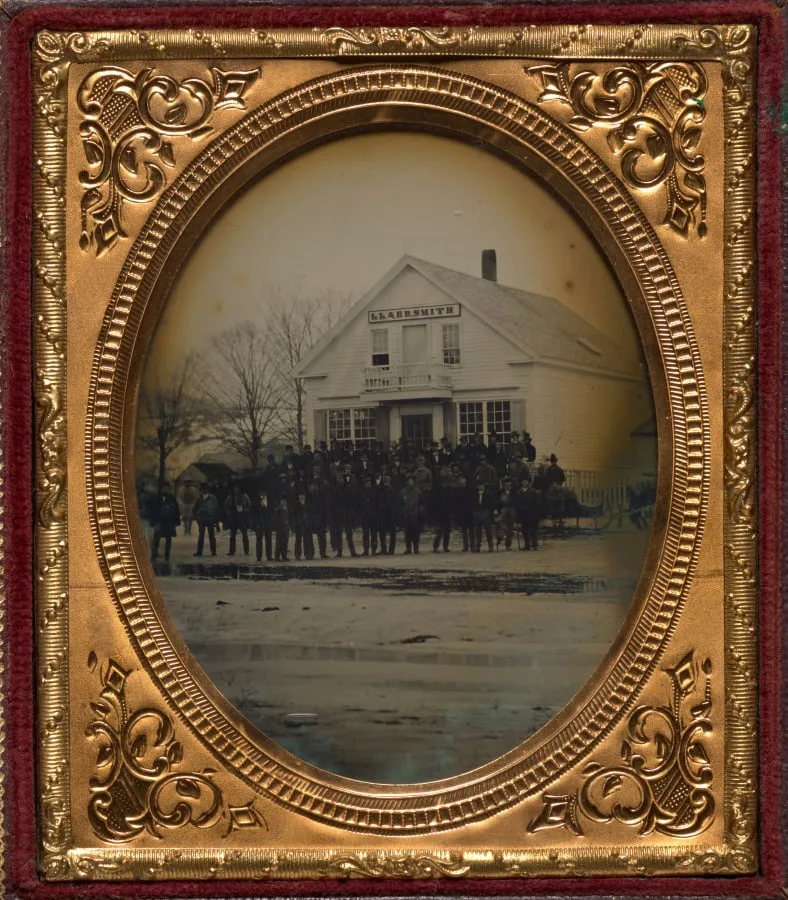
Crowd with sleigh in front of LL & ER Smith store is a photography by the Impressionist artist Unknown. It dates from 1862 and is held in the collection of the Cleveland Museum of Art. The image captures a small crowd gathered before a white storefront marked “LL & ER Smith.
About this work
Overview
The image captures a small crowd gathered before a white storefront marked “LL & ER Smith.” A wooden sleigh rests to the right of the building, while leaf‑bare trees line the background under an overcast sky. The composition centers on the interaction between the figures and the commercial façade, presenting a moment of everyday winter activity.
Subject & Meaning
The scene portrays ordinary citizens pausing outside a local shop during a cold season, suggesting a pause in daily routine for communal interaction. The presence of the sleight hints at seasonal travel or leisure, while the storefront’s signage anchors the image in a specific commercial context, emphasizing the role of small businesses in community life.
Technique & Style
Rendered in a realistic manner, the work employs careful modeling of light and shadow to convey three‑dimensional form. Subtle chiaroscuro enhances the depth of the building’s windows and the figures, while the muted palette reflects the overcast atmosphere, reinforcing the photograph’s documentary quality.
History & Provenance
The photograph originates from an early‑20th‑century collection documenting urban life in a northern town. It was catalogued under the title “Crowd with sleigh in front of LL & ER Smith store” and has been held in regional archives since its acquisition in the mid‑1900s.
Context
Created during a period when Realist photography sought to record ordinary scenes without embellishment, the image aligns with contemporary efforts to chronicle everyday commerce and seasonal customs. Its focus on a specific storefront reflects the era’s interest in the interplay between architecture and public space.
Legacy
As a visual record, the photograph offers scholars insight into the social fabric and commercial architecture of its locale, serving as a reference point for studies of early twentieth‑century urban environments and the visual culture of everyday life.
Artist & collection

 Domestic Scene
 Giacomo and Cardinal Marco, investing Andrea, Abbot of San Zeno, with his Benefice
 The Nymph of Fontainebleau
 Portrait of a Woman
 Madonna and Child with Saints in the Enclosed Garden
 Venus and Minerva
 Family Group of Four on Sofa
 Wall painting from Room H of the Villa of P. Fannius Synistor at Boscoreale
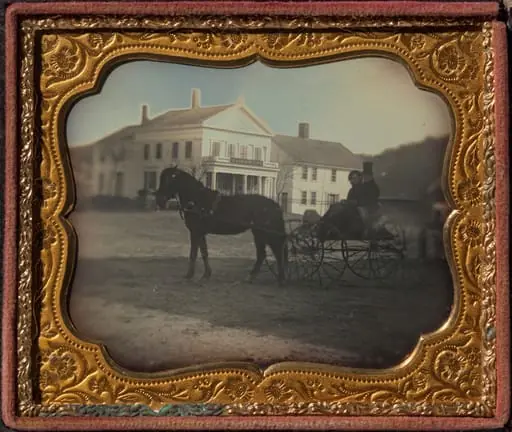 Solomon Clark Spelman and Martha W. Spelman in front of S.C. Spelman General Store, Hampden, MA
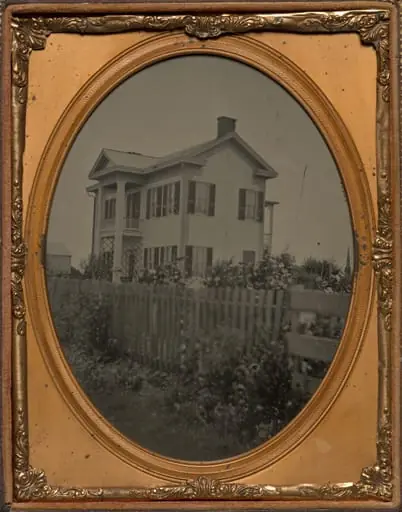 Homestead with picket fence and flowers
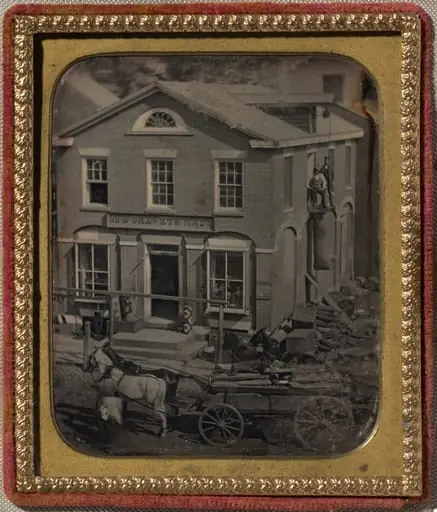 Construction of the John Stewart Store
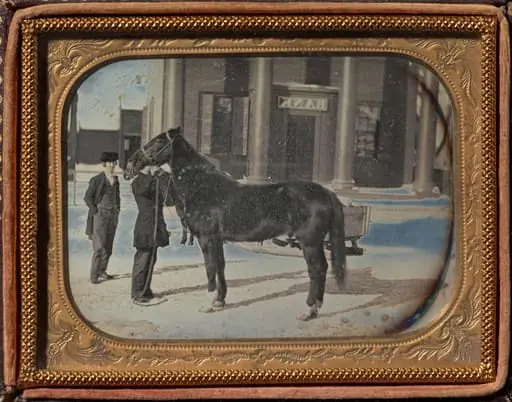 Prize Horse in winter, Chemung County, New York
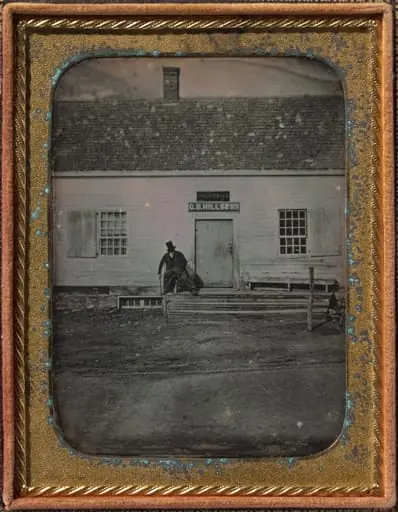 Cyrus B. Hills, Postmaster, Arlington, Vermont
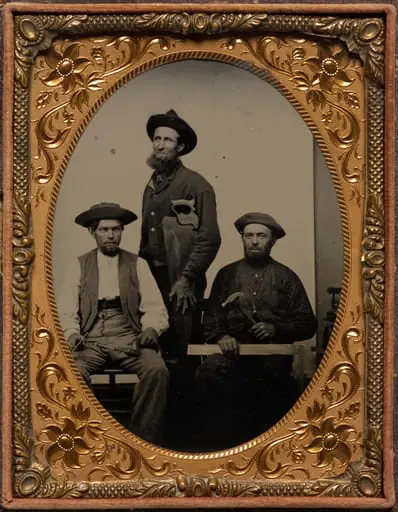 Three Carpenters
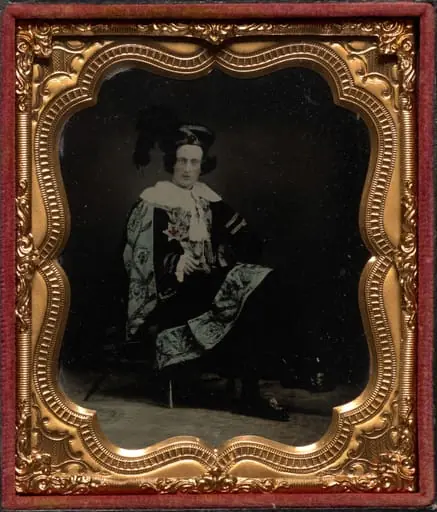 Shakespearean Actor
 Woman with elaborate nautical backdrop
 Portrait of a Young Man
 The Homework Table & Parents of Five Children Doing Homework
 High Rock Tower and Stone Cottage, Lynn, Massachusetts
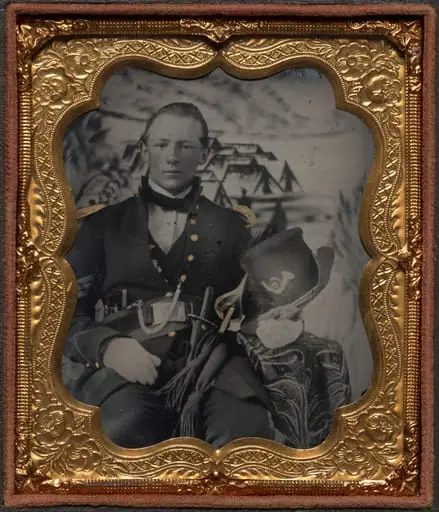 Civil War soldier with painted bivouac background