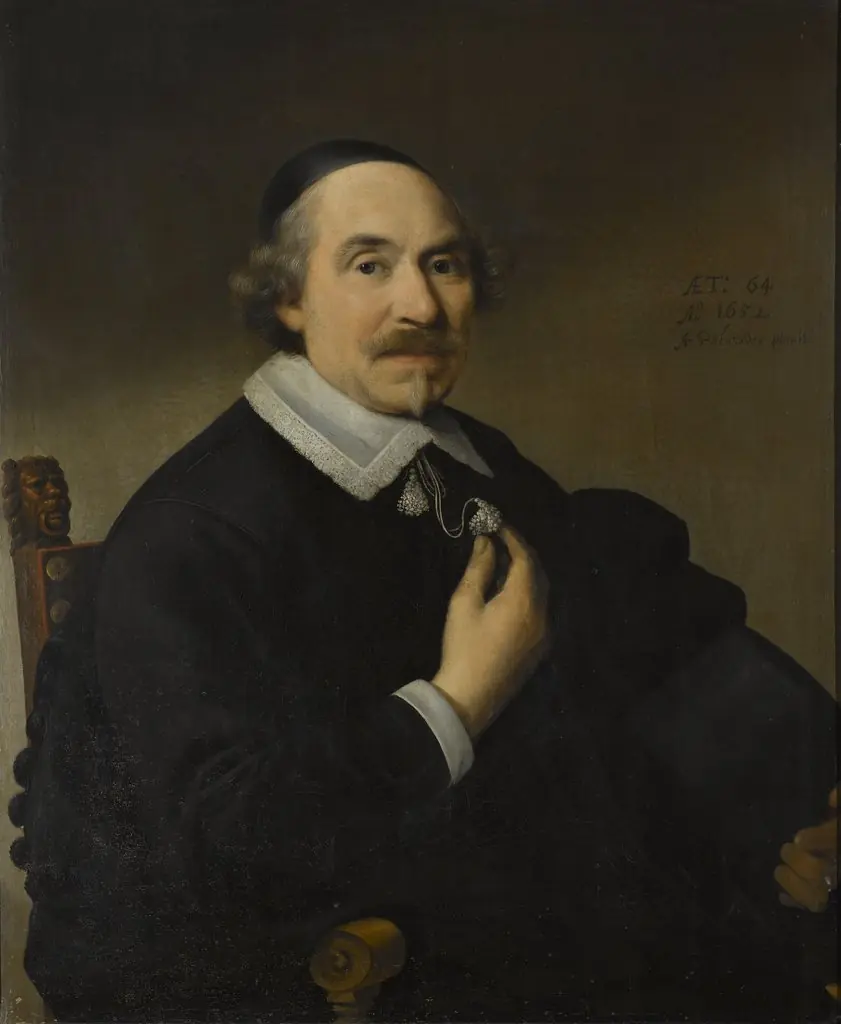
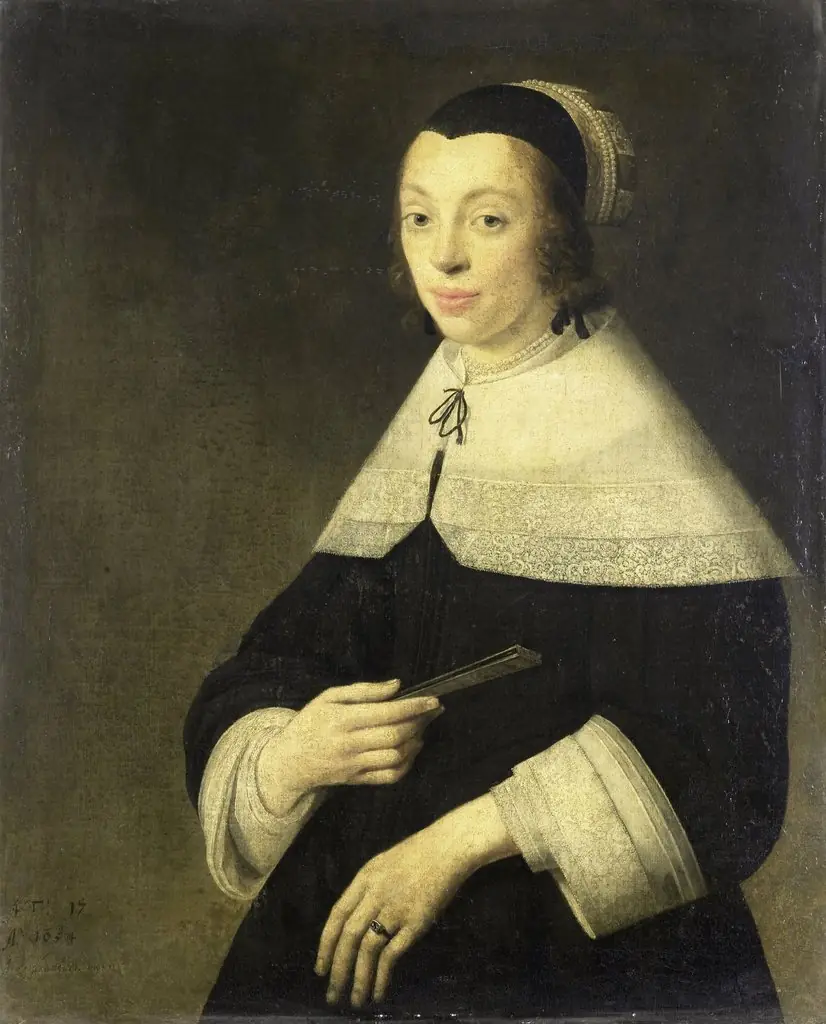
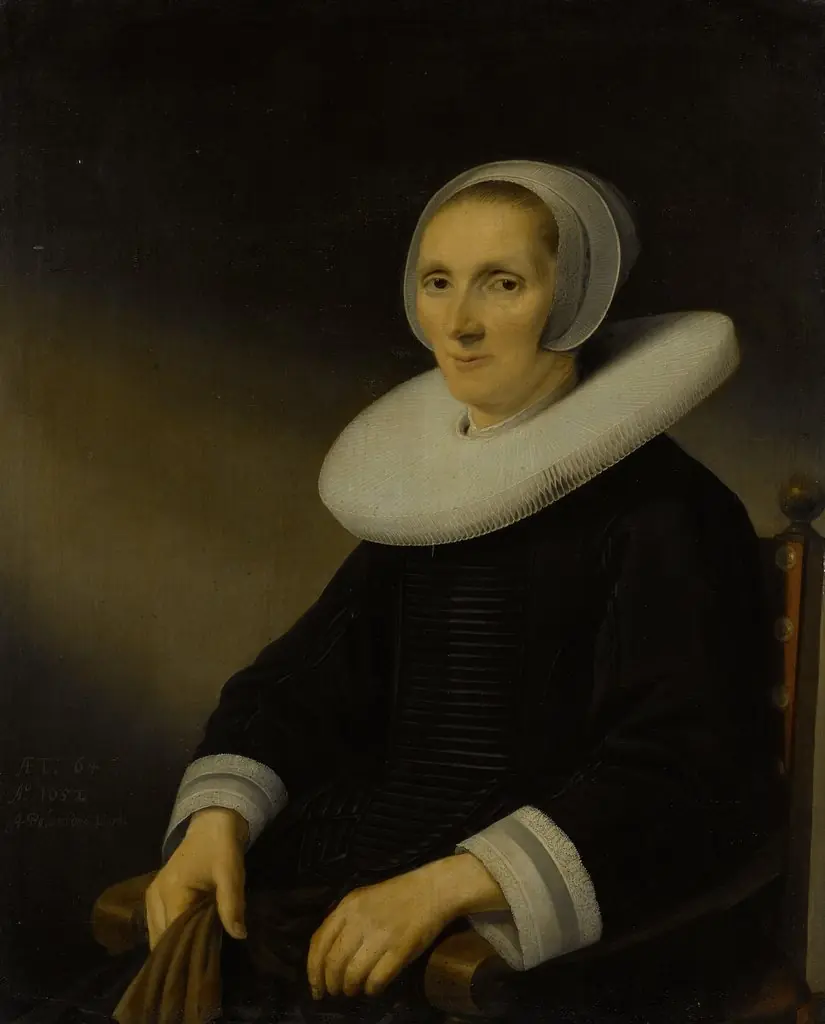
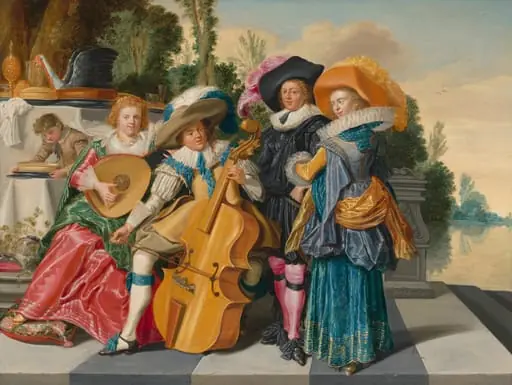
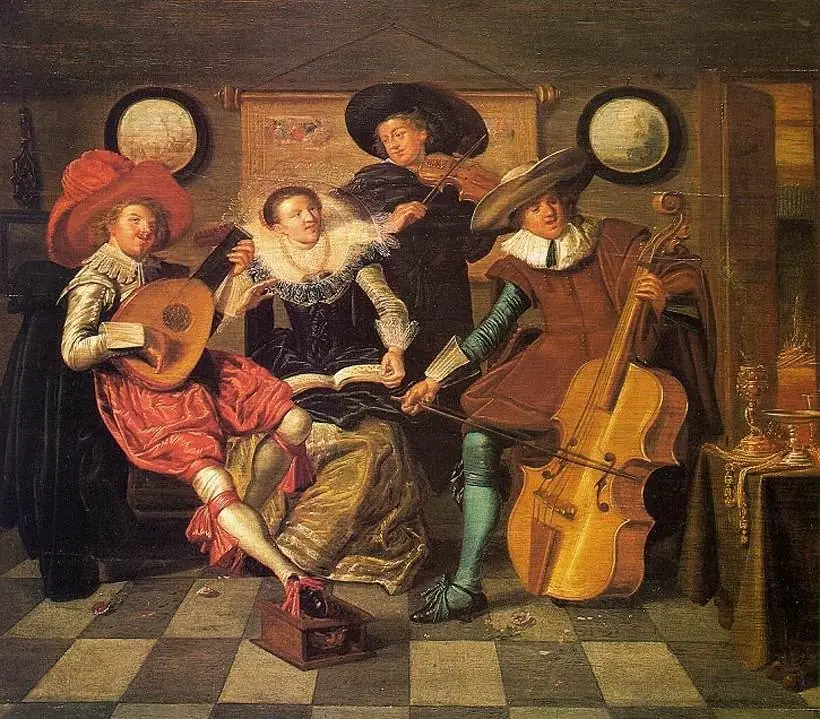
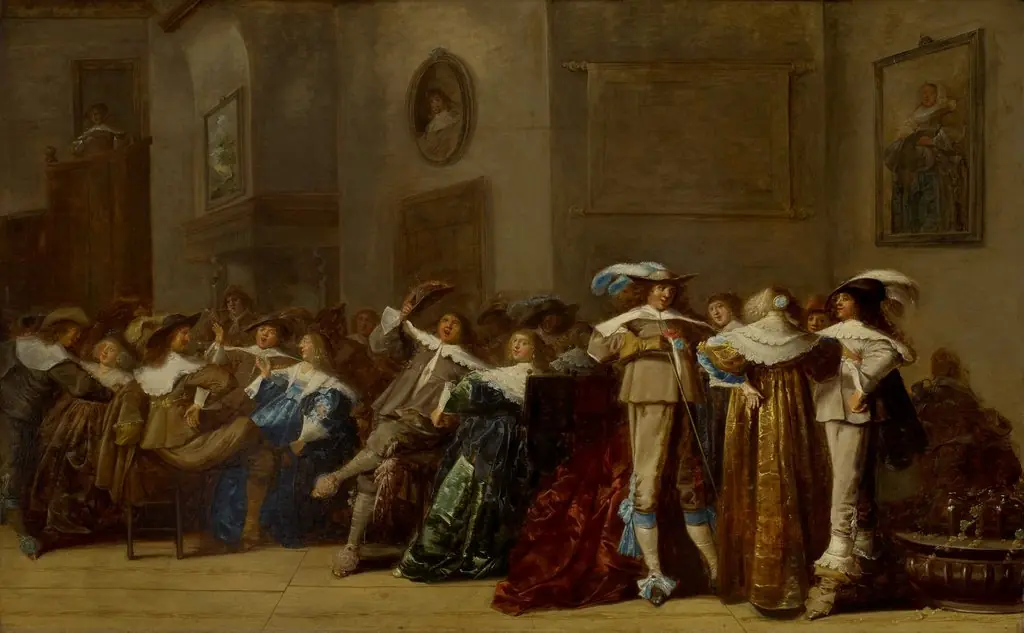
Artwork
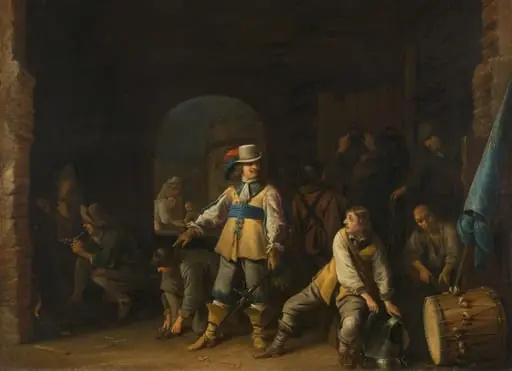
Gesellschaftsszene
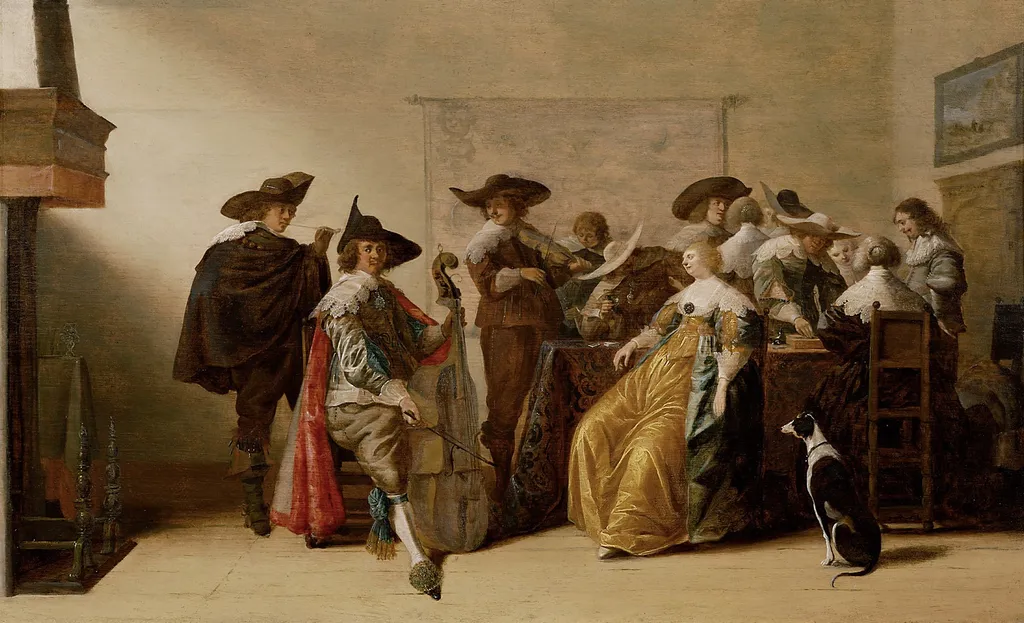
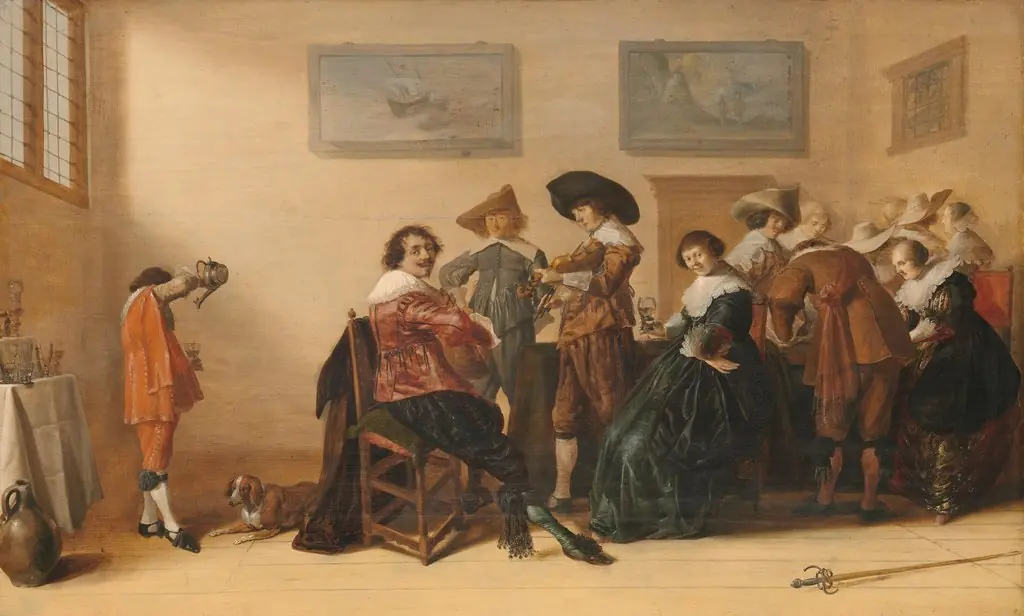
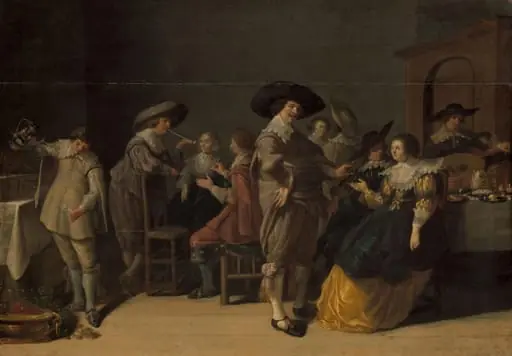
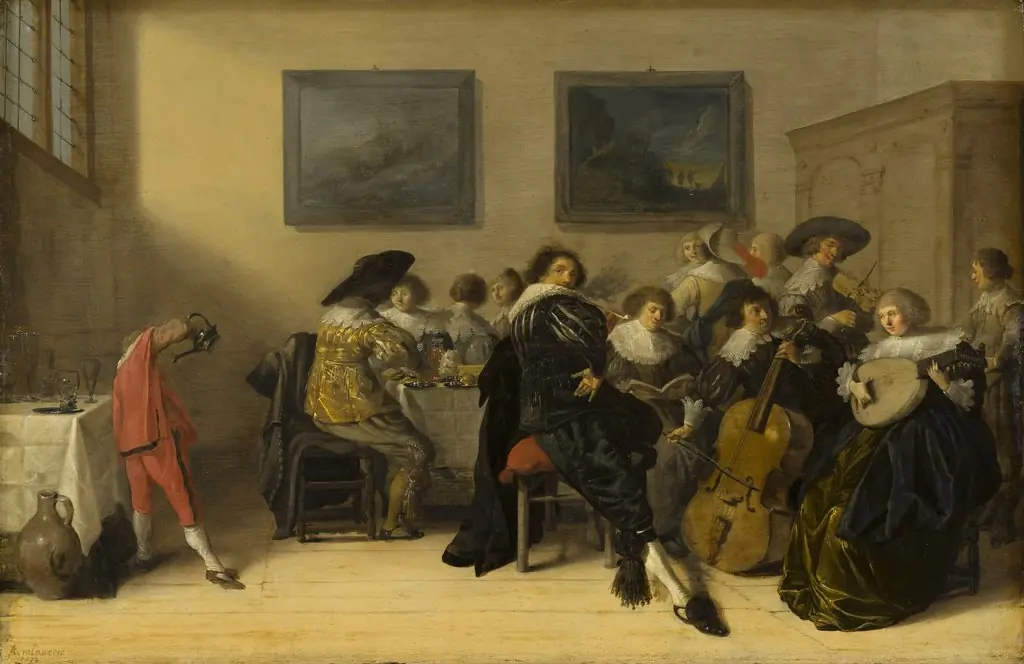
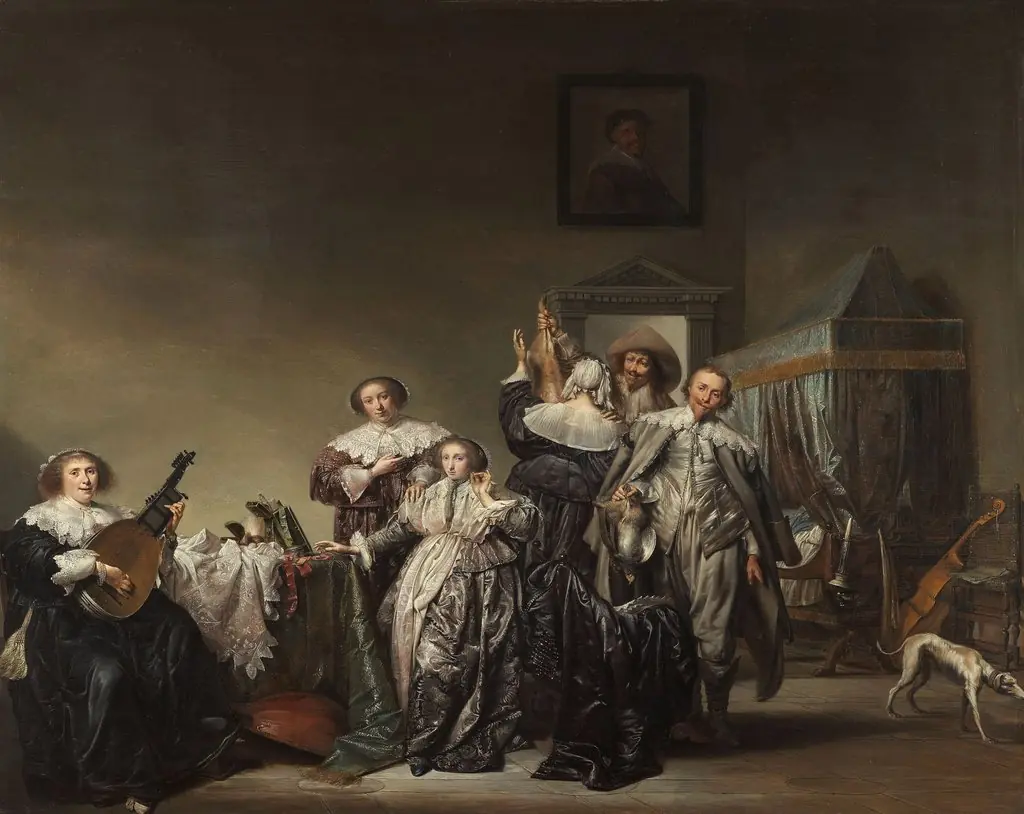
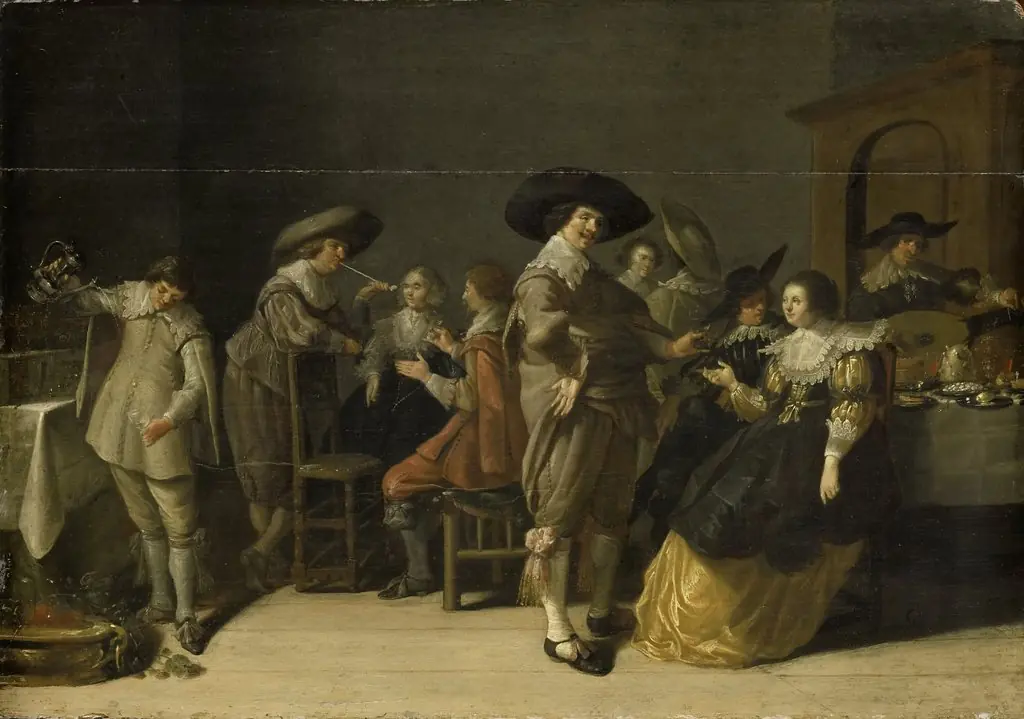
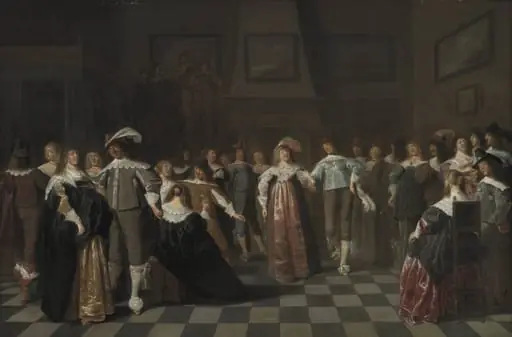
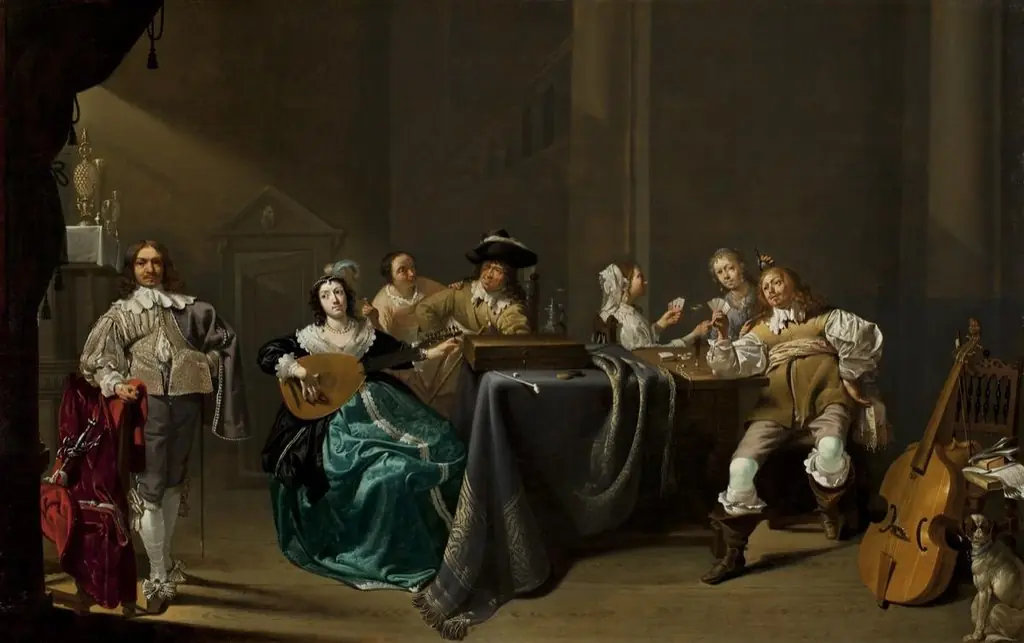
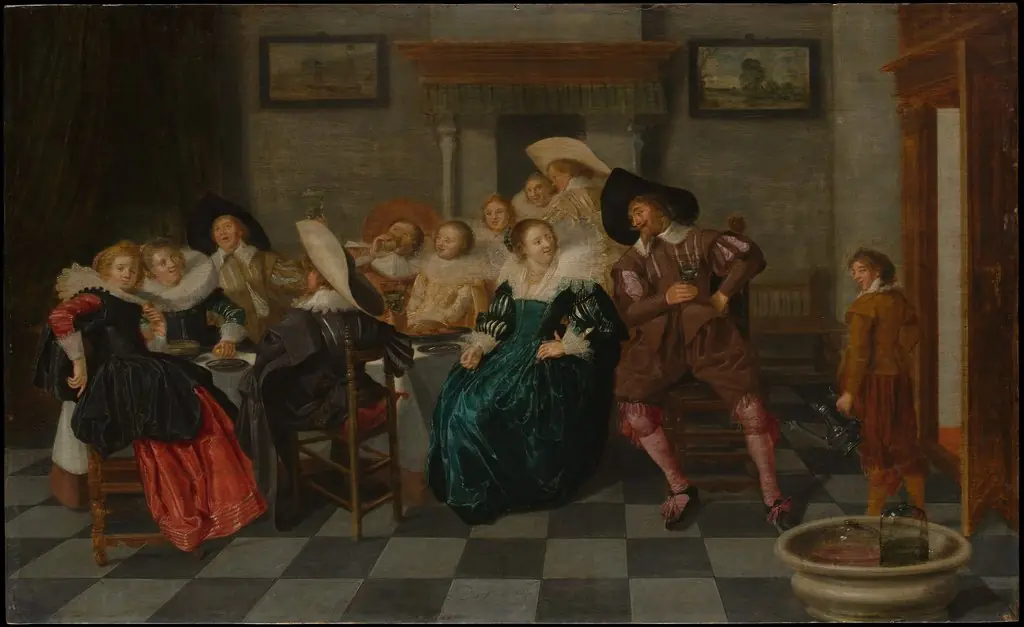
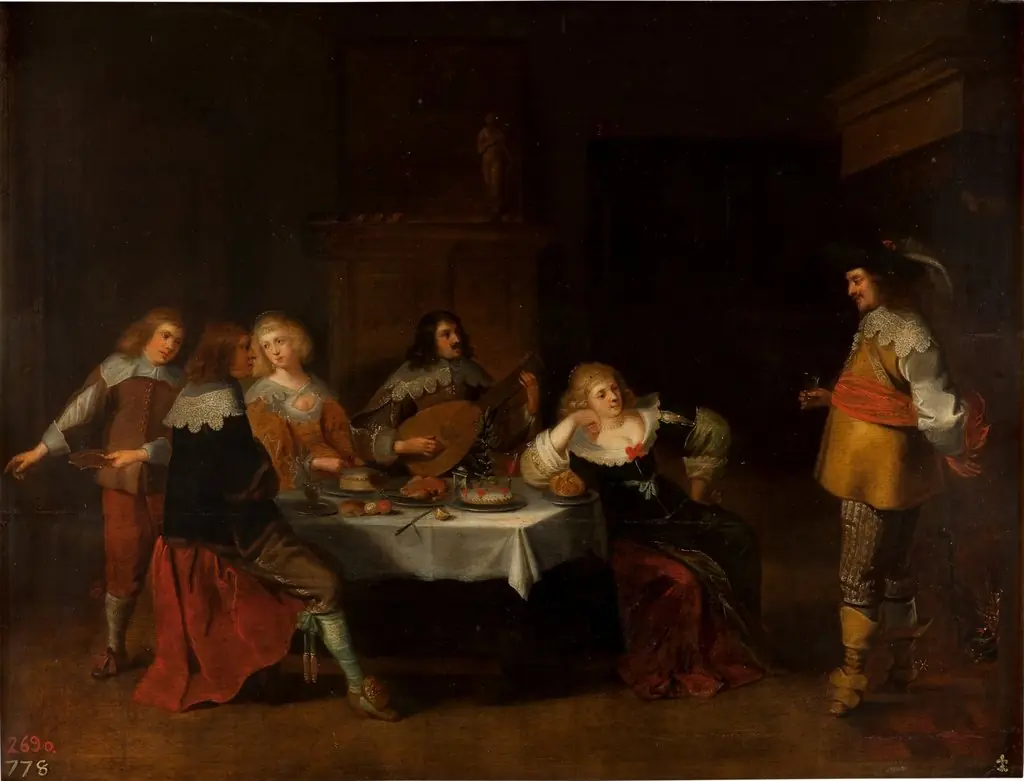
Gesellschaftsszene is an unspecified painting by the Dutch Golden Age artist Anthonie Palamedesz. It dates from 1634 and is held in the collection of the Kunsthistorisches Museum.
About this work
Overview
It reflects the Dutch Golden Age’s interest in everyday social interactions, rendered with careful attention to costume, posture, and ambient light.
Painted in 1634 by Anthonie Palamedesz, this interior scene captures a group of individuals in a domestic setting. The work is part of the collection at the Kunsthistorisches Museum in Vienna. It reflects the Dutch Golden Age’s interest in everyday social interactions, rendered with careful attention to costume, posture, and ambient light. The composition avoids grand narrative, instead focusing on quiet, intimate moments among its figures.
Subject & Meaning
The figures—men in broad-brimmed hats and cloaks, women in long, layered gowns—are engaged in conversation and music, suggesting a private gathering. A dog rests at their feet, adding a note of domestic familiarity. The man holding a cello implies musical performance as part of the social ritual. The scene conveys neither celebration nor ceremony, but the subdued rhythm of leisure among the urban middle class, emphasizing companionship over spectacle.
Technique & Style
Palamedesz employs a restrained palette of browns, ochres, and muted reds, with light falling softly from the right to model faces and fabrics. Brushwork is precise but not overly polished, allowing texture in clothing and wood to emerge naturally. The figures are arranged in a loose semicircle, guiding the viewer’s eye through subtle glances and gestures. The dim interior enhances the sense of intimacy, avoiding theatricality in favor of observed realism.
History & Provenance
The painting entered the Kunsthistorisches Museum’s collection in the 19th century, likely through imperial acquisitions of Dutch and Flemish art. Its documented history before that is sparse, though its style aligns with Palamedesz’s known output from the 1630s. No significant alterations or restorations are recorded, preserving its original tonal balance and compositional clarity.
Context
Created during the height of the Dutch Golden Age, the work reflects a cultural shift toward depicting private life rather than religious or mythological themes. Portraits of social gatherings became popular among the merchant class, who valued images of refined domesticity. Palamedesz, active in Delft and The Hague, was known for such scenes, capturing the quiet dignity of urban sociability in a period of economic and artistic flourishing.
Legacy
While not widely exhibited outside specialized collections, the painting exemplifies a genre that influenced later Dutch interior scenes. Its understated realism and attention to social nuance distinguish it from more dramatic contemporaries. Scholars cite it as a representative example of how Dutch painters translated everyday rituals into enduring visual records, contributing to the broader documentation of 17th-century life.
Artist & collection
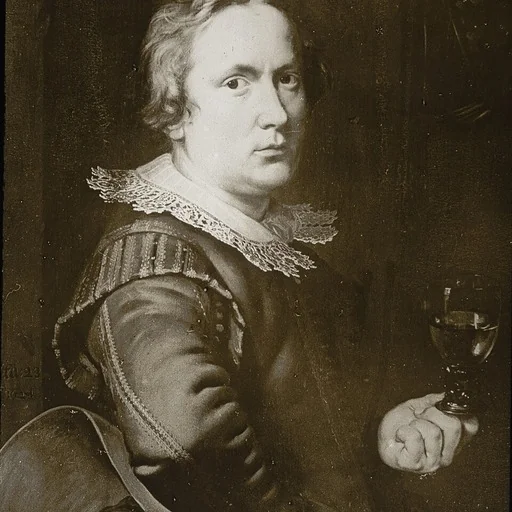
Artist
Anthonie Palamedesz., also Antonie Palamedesz, birth name Antonius Stevens, was a Dutch portrait and genre painter.